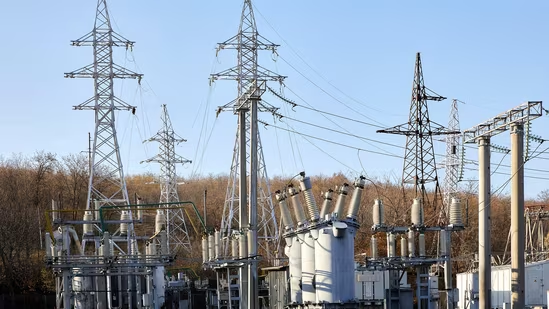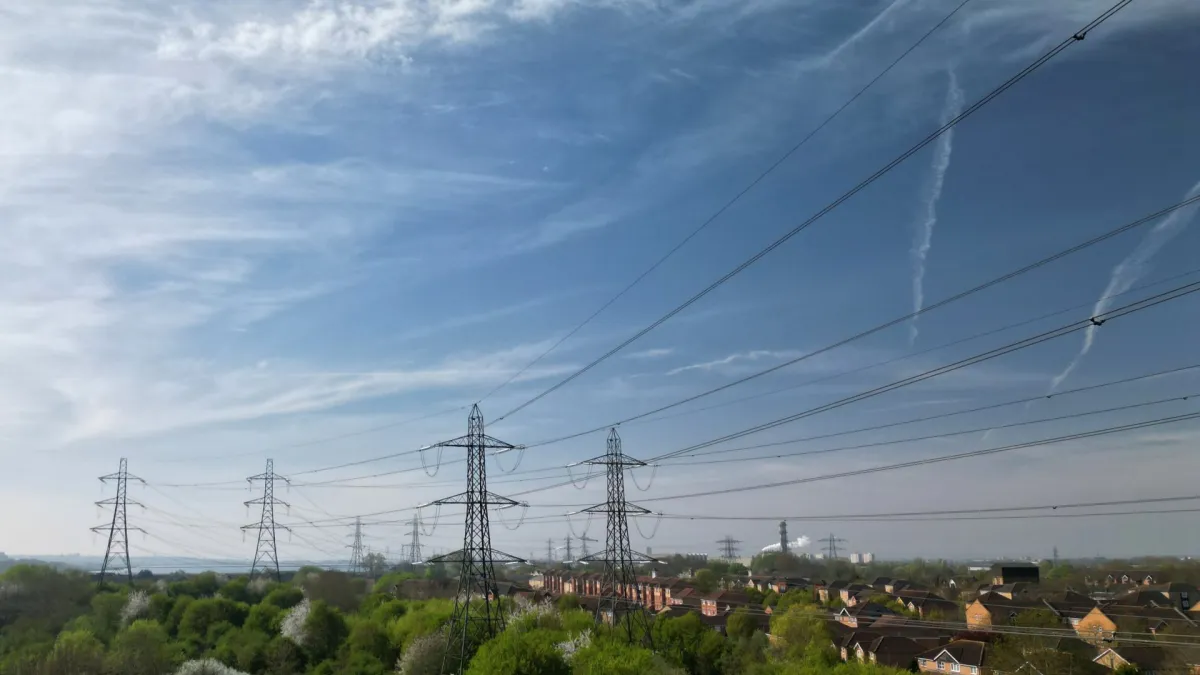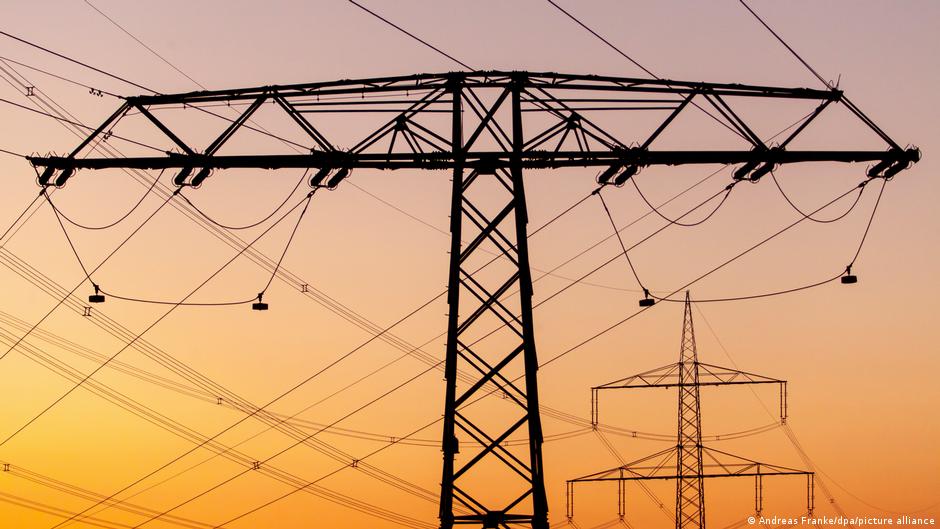
In late June, a heat wave in France left nearly 70,000 households without power after a transformer failed under high temperatures. For about 24 hours, as the mercury hovered near 40 degrees Celsius (104 Fahrenheit), residents in parts of Brittany sweltered in deadly heat without fans or air conditioning.
Then as the United States baked in extreme heat in the run up to its 250th birthday celebrations, federal authorities issued blackout warnings. Grid operators were allowed to order large energy users, such as data centers, to switch to backup generators to maintain power to homes and emergency services like hospitals.
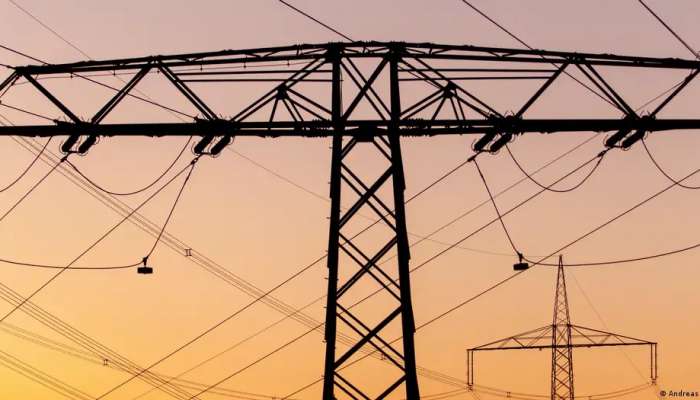
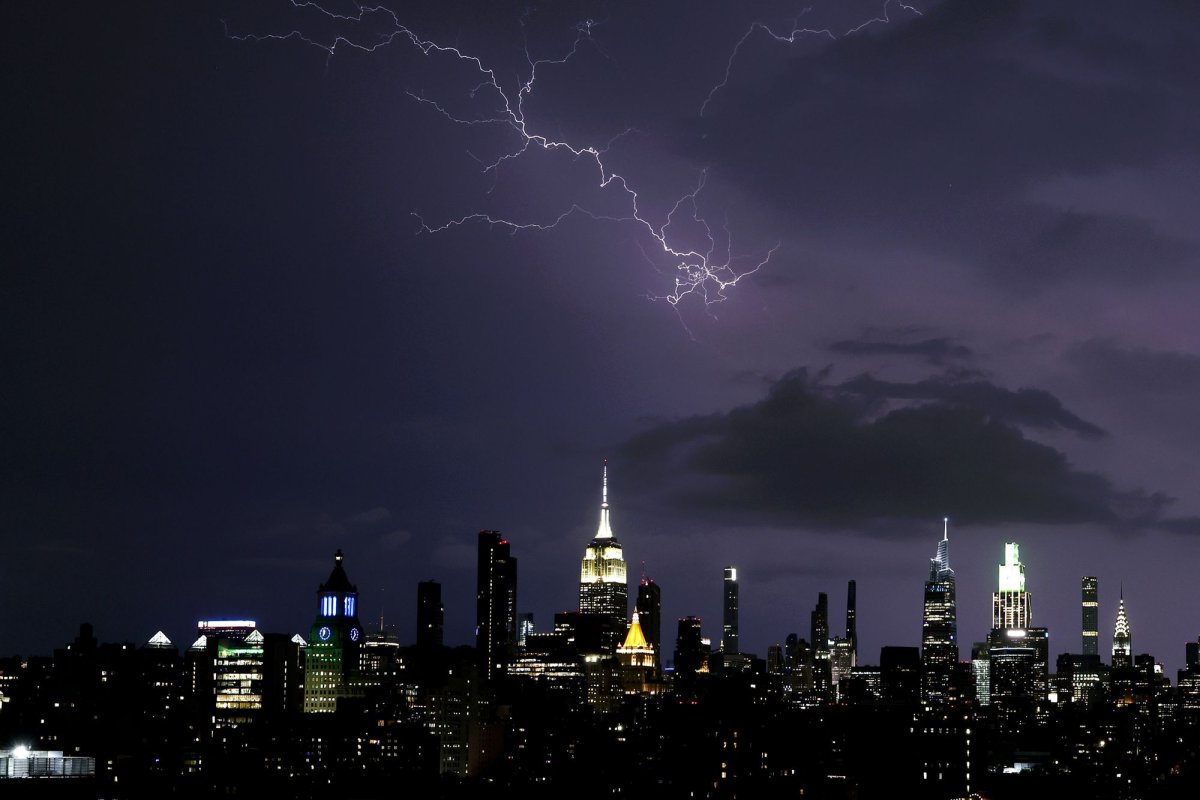
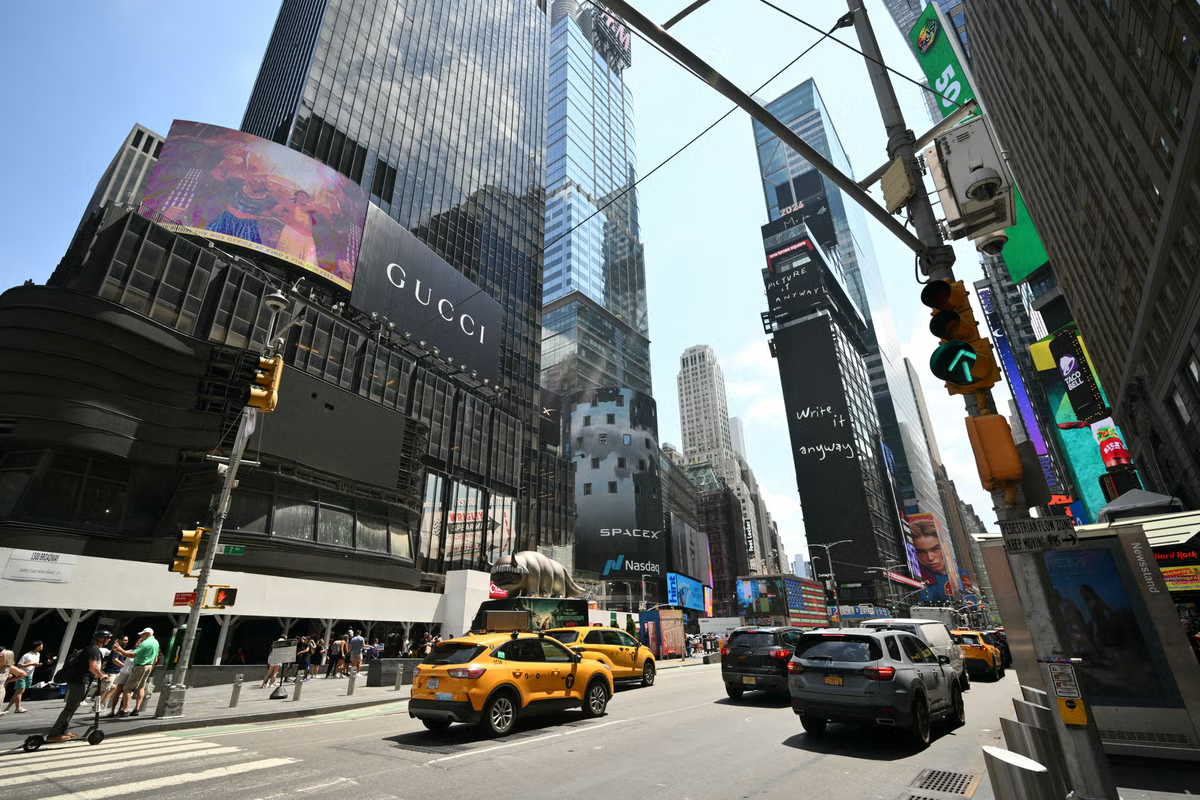
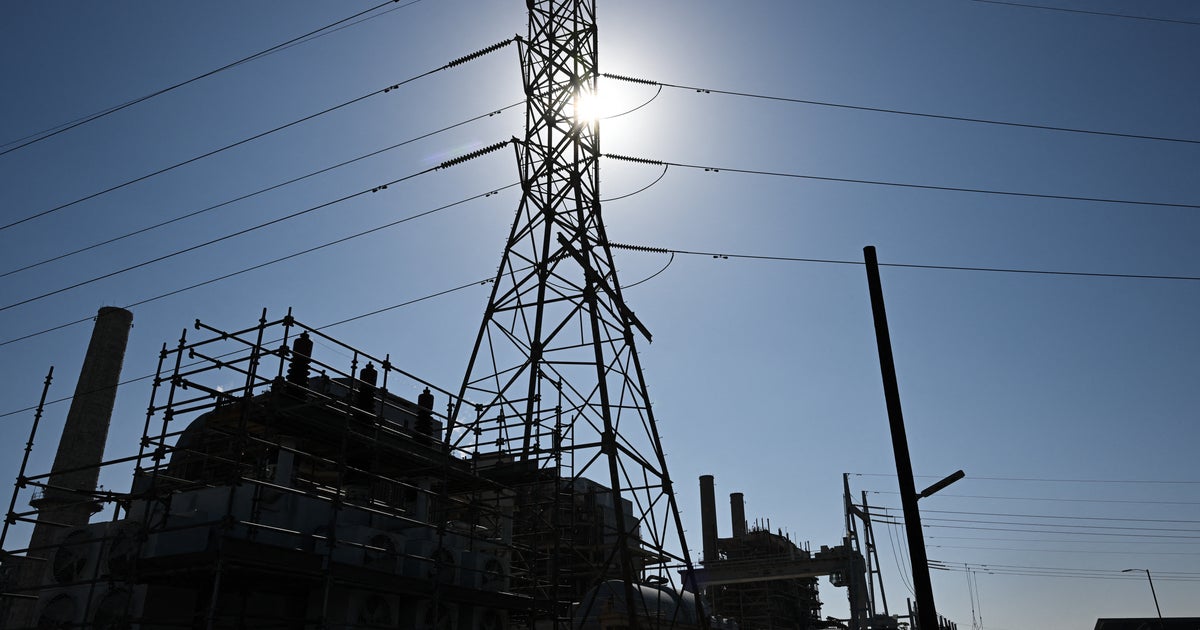
Power grids worldwide are struggling under intense heat waves and other extreme weather events — and in the US, outages are already happening. Heat-season power outages in the country, some linked to hot temperatures, rose about 60% over the past decade compared with the 2000s, according to data from the nonprofit Climate Central. Having no access to cooling in heat waves is especially dangerous for children, the elderly and those with chronic illness.Extreme heat in the run up to the United States' 250 birthday prompted federal authorities to declare a blackout warningImage: Cheney Orr/REUTERS