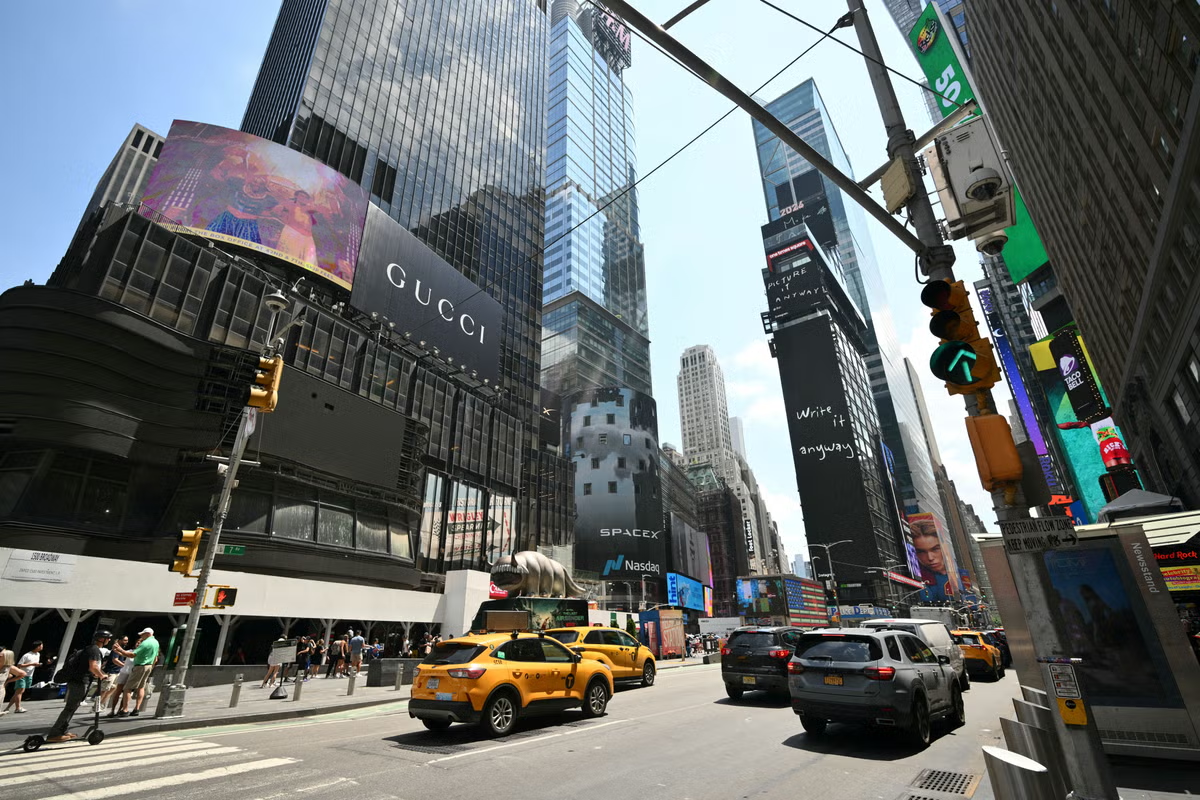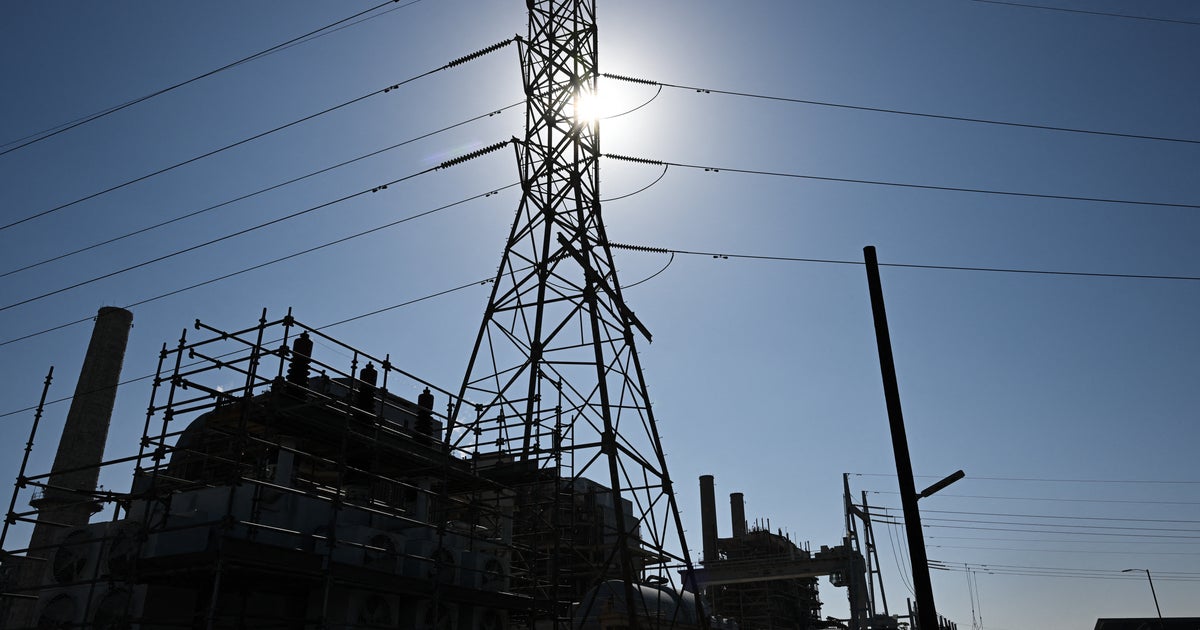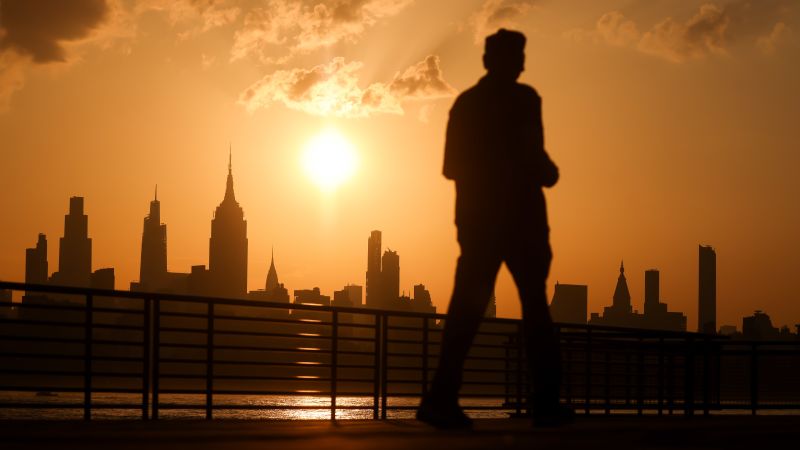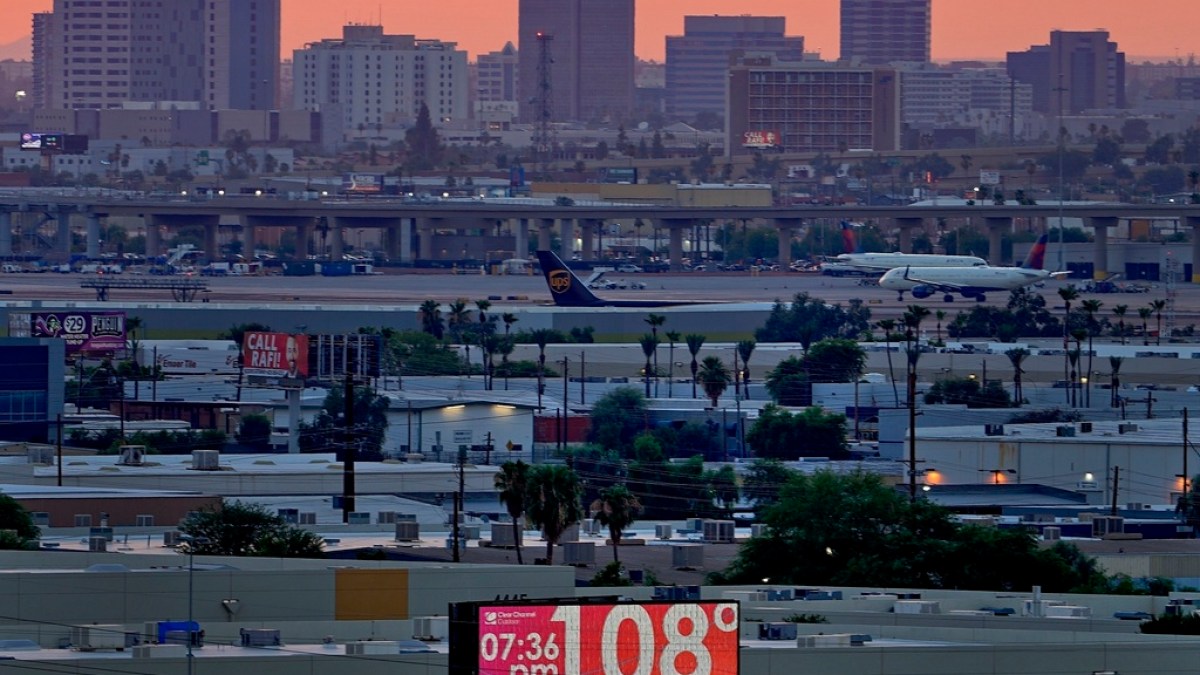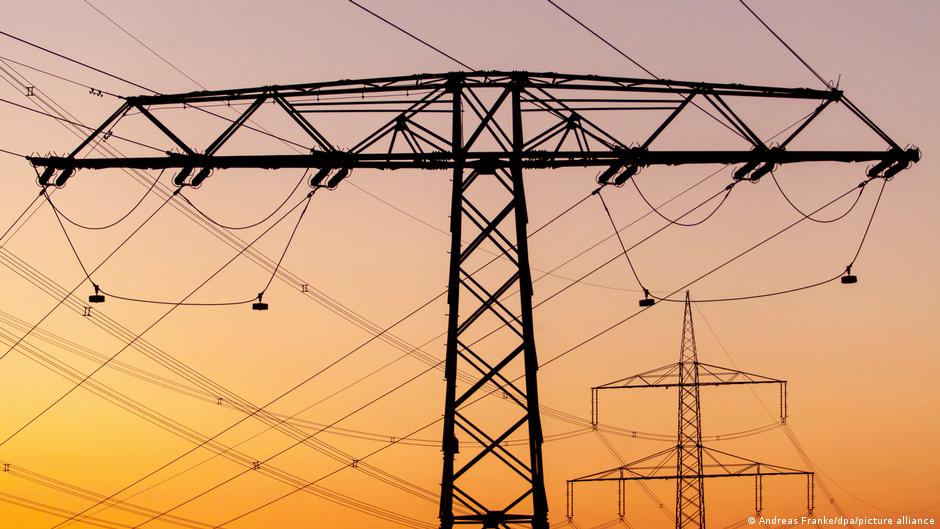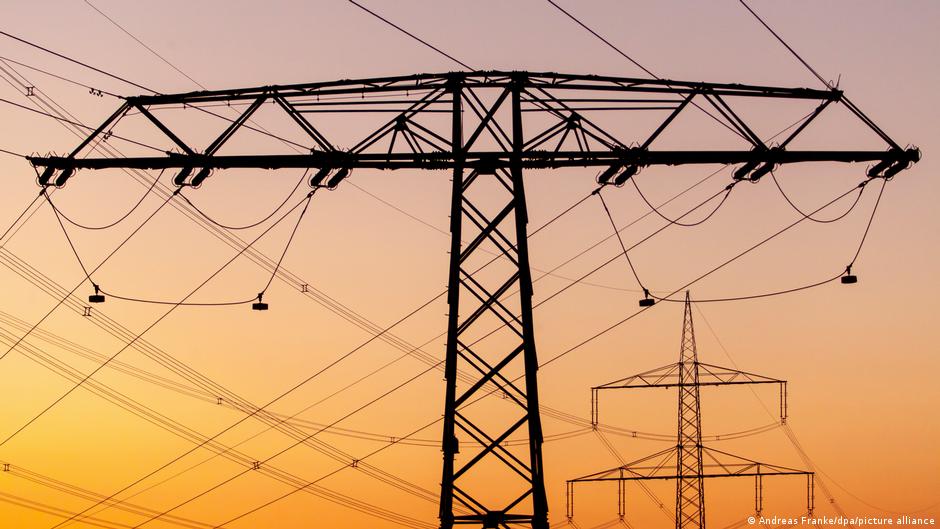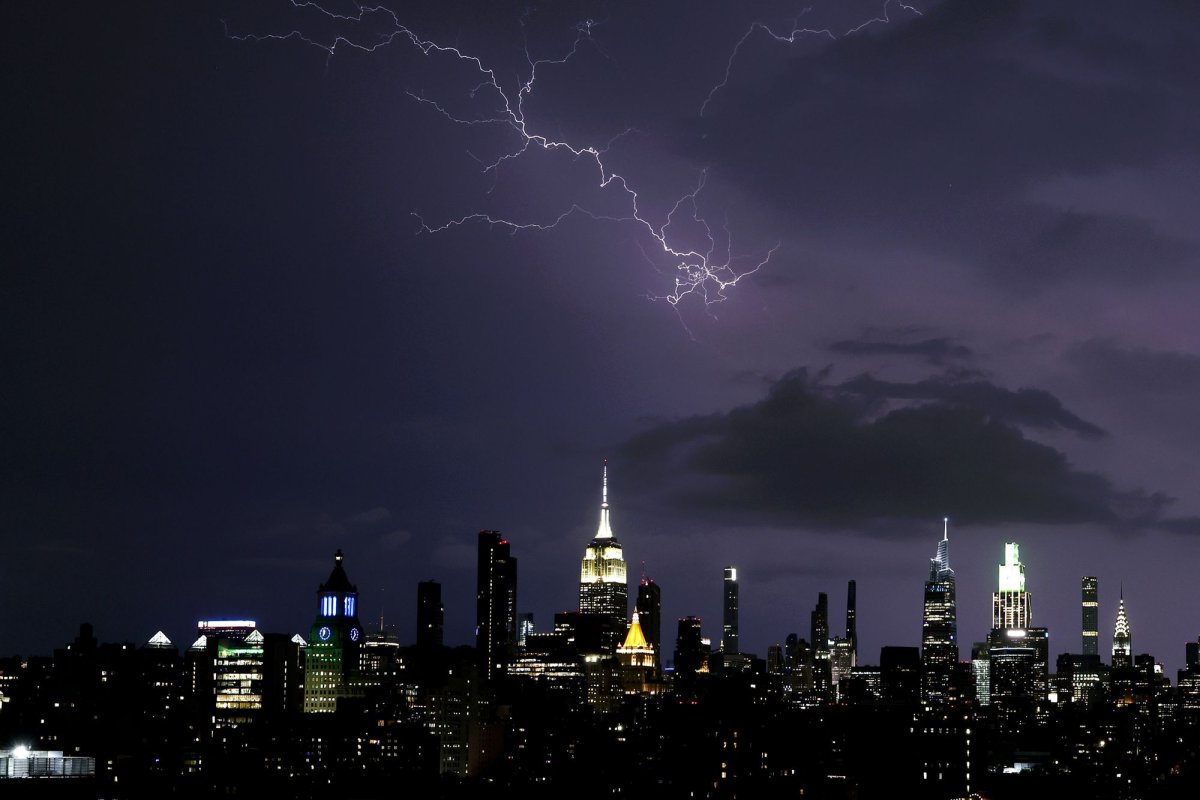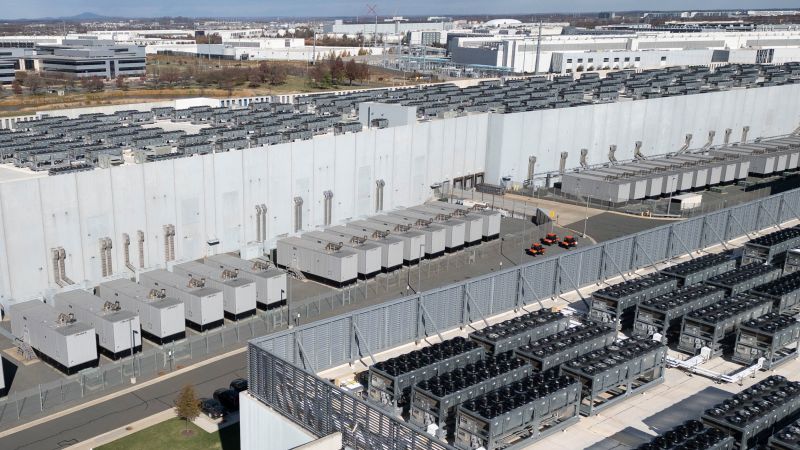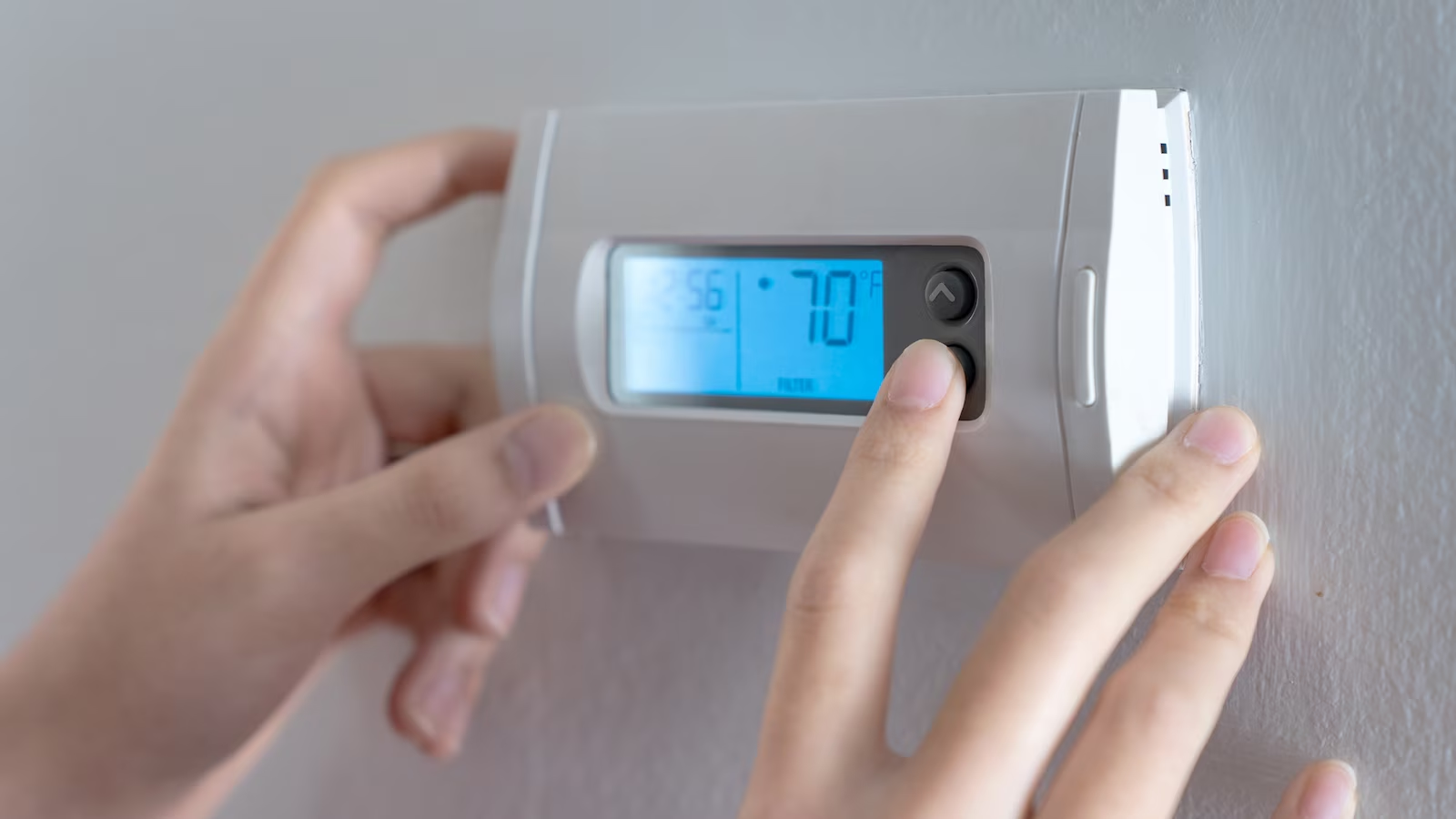
As the East Coast, South and Midwest swelter under the extreme heat during the July Fourth weekend, energy experts and leaders are warning for the potential of power outages.In New York City, Mayor Zohran Mamdani and New York Gov. Kathy Hochul urged New Yorkers to conserve power "due to the increase in energy demand and unexpected load challenges."On Friday morning, the city experienced its warmest morning low temperature in nearly 15 years, with the temperature only dropping to a preliminary 84 degrees. Forecasters said the city could reach a high of 102 degrees Friday afternoon. In some cities, like Cleveland, thousands of households have already lost power in the current heat.A person wipes sweat off their head while standing under the shade of a tree on July 2, 2026, in New York.Michael M. Santiago/Getty ImagesEnergy experts and scientists have said there are several ways people can keep cool and avoid heat-related health problems while also helping to avoid overtaxing the energy grid.Here are some of the tips:Efficient AC useOne of the biggest drains on the electricity grid are air conditioners and building HVAC units, according to New York City's Department of Emergency Management (OEM).Sustainability experts, such as NYU’s Office of Sustainability and utility companies around the country, recommend setting a home or business's thermostat to 78 degrees or higher to save energy, especially during peak hours during the day.NYU Sustainability said, "78 degrees will save about 12% in cooling costs."A person adjusts the temperature on a house thermostat.Adobe Stock"Every degree you lower your thermostat increases costs," Con Edison, the city's utility company, said.Utilities also recommend shutting off ACs and fans in homes if no one is there."If you want to cool your home before you return, set a timer that turns on no earlier than 30 minutes before you arrive," New York City's OEM said on its site.Use window coveringsOne simple action people can take at home is to block out as much sunlight as possible from coming through windows.Popular Reads"About 40% of unwanted heat comes through windows," Con Edison said.Adobe StockLowering shades or tilting blinds to give a room enough light, will lower the inside temperature and reduce AC use, according to the utility.Limit major appliance useEnergy experts and utilities recommend not using major appliances, such as washing machines and dishwashers, during peak hours due to their high energy use."Shift energy-intensive tasks such as laundry and dishwashing to off-peak energy-demand hours to increase electricity reliability during heat waves," the utility Virginia Tech Electric Service said.STOCK PHOTO/Getty ImagesNYU's Office of Sustainability noted that air drying clothes instead of a dryer can help with conservation."The natural light and heat will make your clothes feel as cozy as warm blanket after laundry day," the office said.Limiting oven and stove use and switching to a grill during peak hours will also lower temperatures, experts said.Additionally electronics such as computers, televisions and video game consoles should be turned off when not in use, according to experts.EV chargingThe number of drivers using electric vehicles has increased over the years and with it more demand on the grid, especially for drivers who have chargers at home, experts said.STOCK PHOTO/Getty ImagesUtilities have recommended drivers avoid charging their vehicles during peak hours."Hold off on charging your EV or plug-in hybrid until after 10 p.m., unless necessary," Con Edison said.
How to conserve energy while staying cool during extreme heat
During extreme heat waves, power grids are more vulnerable to outages. Experts and utilities said there are many ways people can reduce the energy strain.
551 words~3 min read