When Alexandra Wiemer recalls the night of July 14, 2021, what she remembers most is water suddenly "coming from every direction." It was 10:30 p.m. when she felt it rushing towards her.
The normally gentle Ahr river that starts in the mountains of western Germany and flows more than 85 kilometers (53 miles) before emptying into the mighty Rhine, had burst its banks.
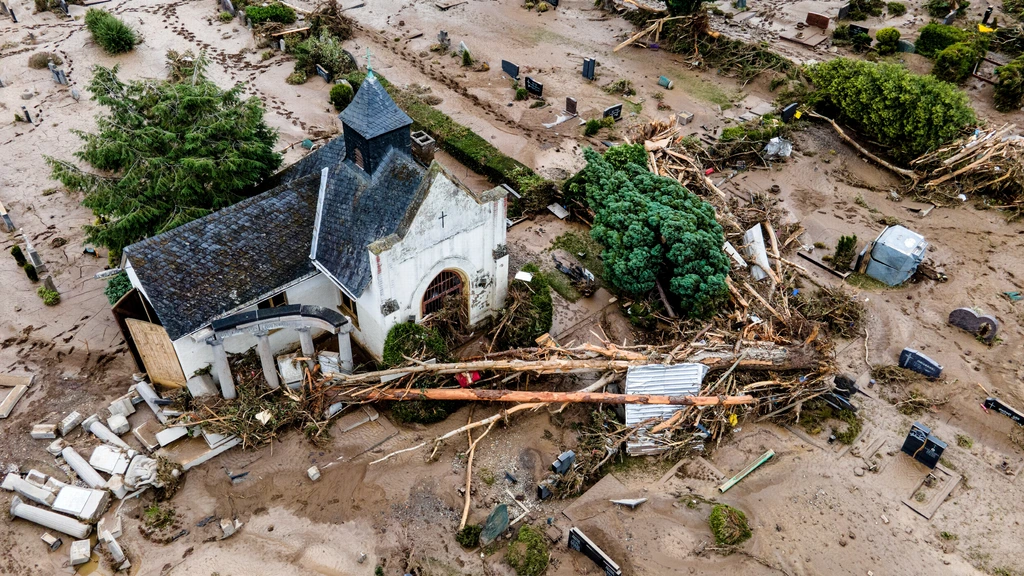
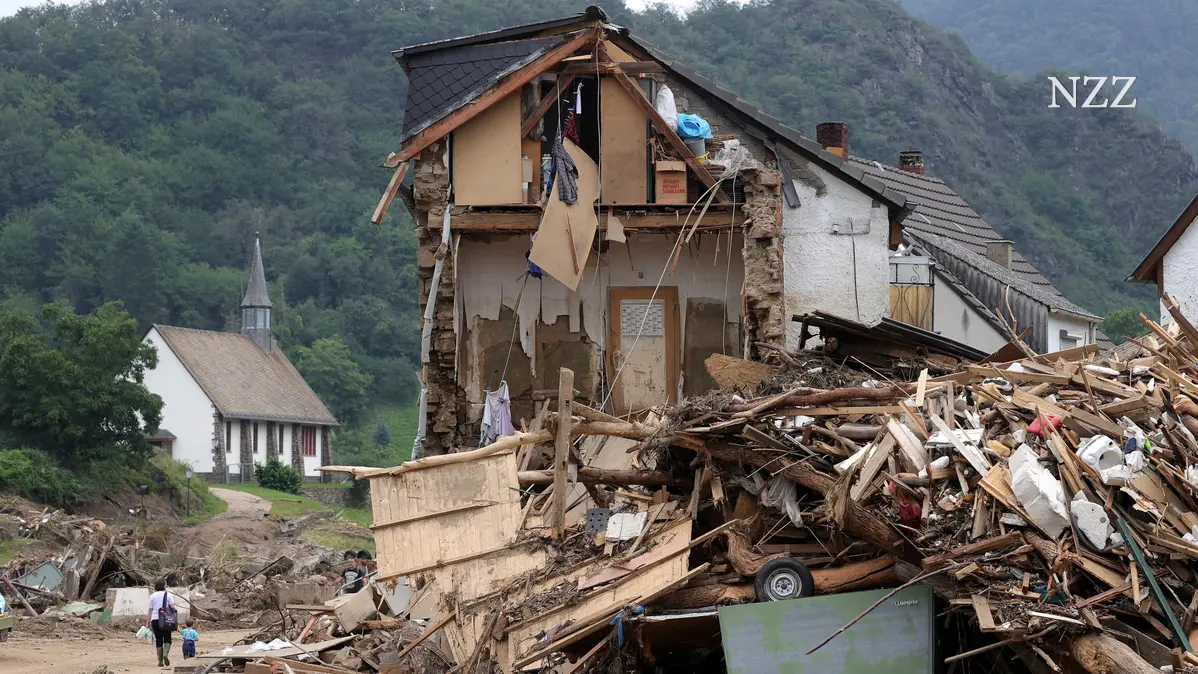
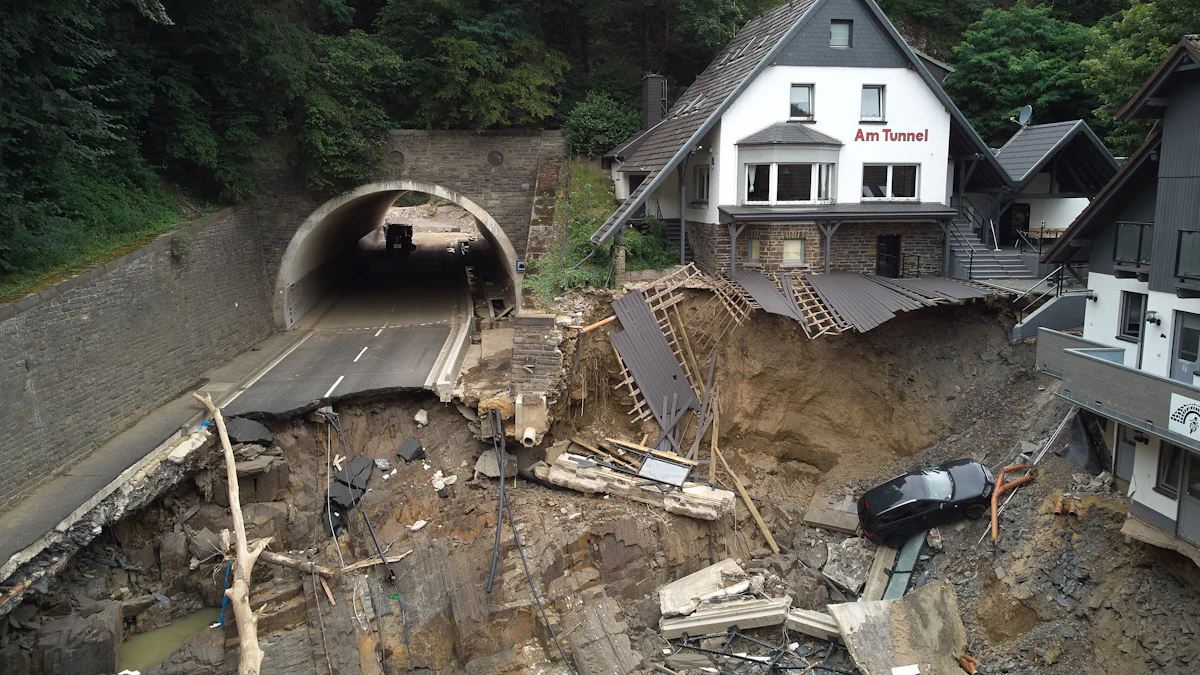
The region received an entire month's worth of rainfall in just two days, turning the usual trickle into a torrent. The force of the water swept away cars, houses, trees and other flotsam that, in turn, tore down bridges.
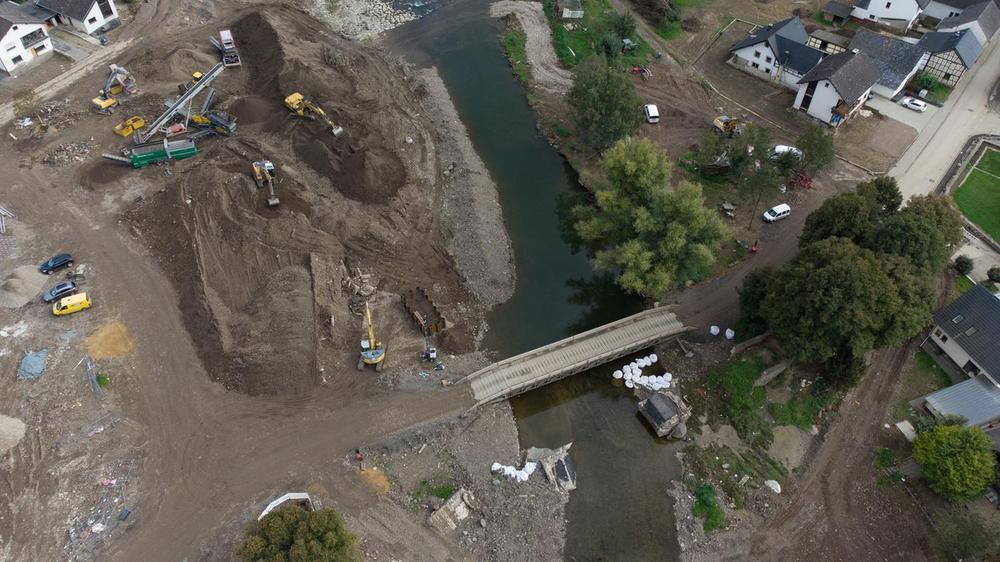
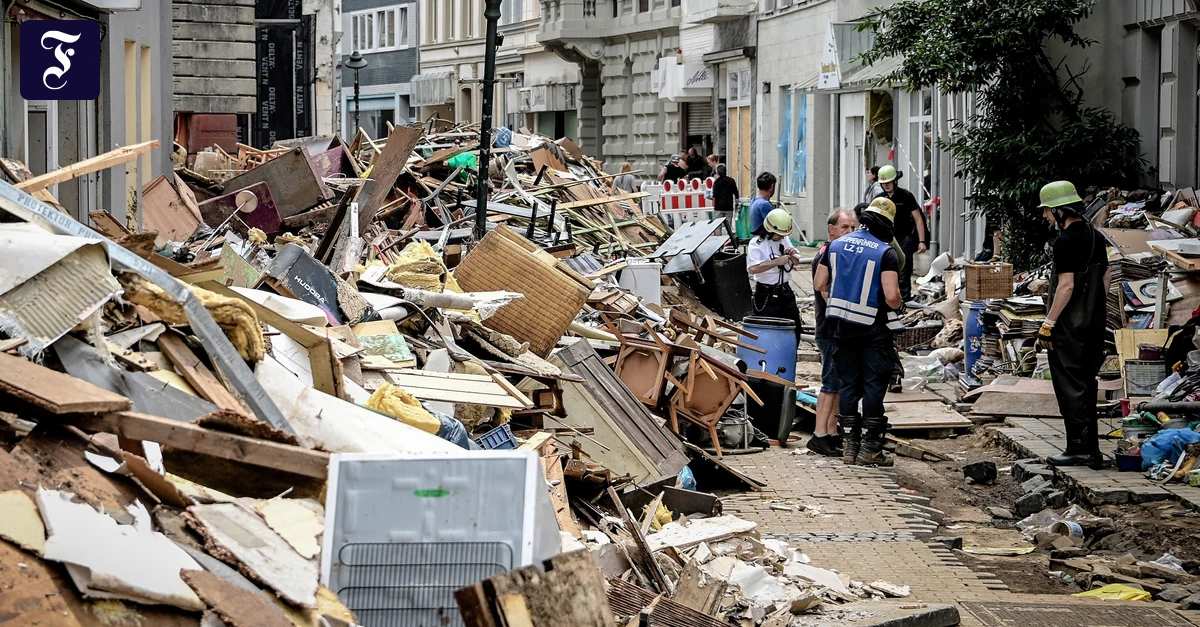
The floods caused huge amounts of damage to infrastructure built along the riverImage: Thomas Frey/dpa/picture allianceAlexandra Wiemer and her son managed to escape to safety, but many others were not so lucky. The flood, which was the worst in the country's living memory, claimed 135 lives, most in Wiemer's town of Bad Neuenahr-Ahrweiler. Some 80% of the town was inundated. The raging waters also caused billions of euros in damage to homes and infrastructure.
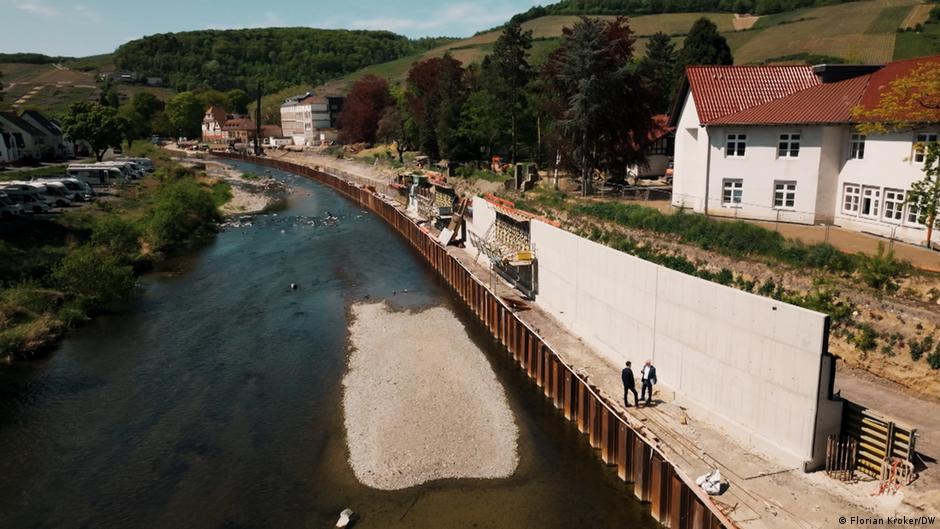
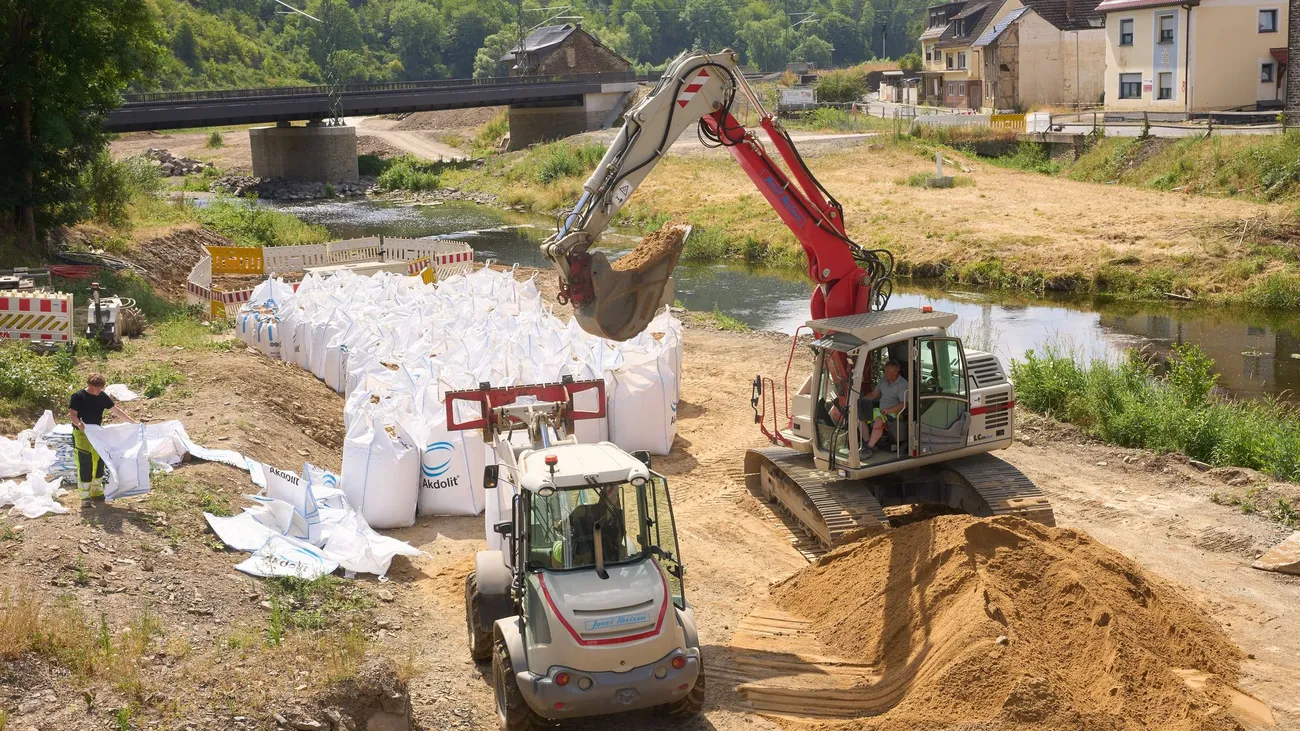
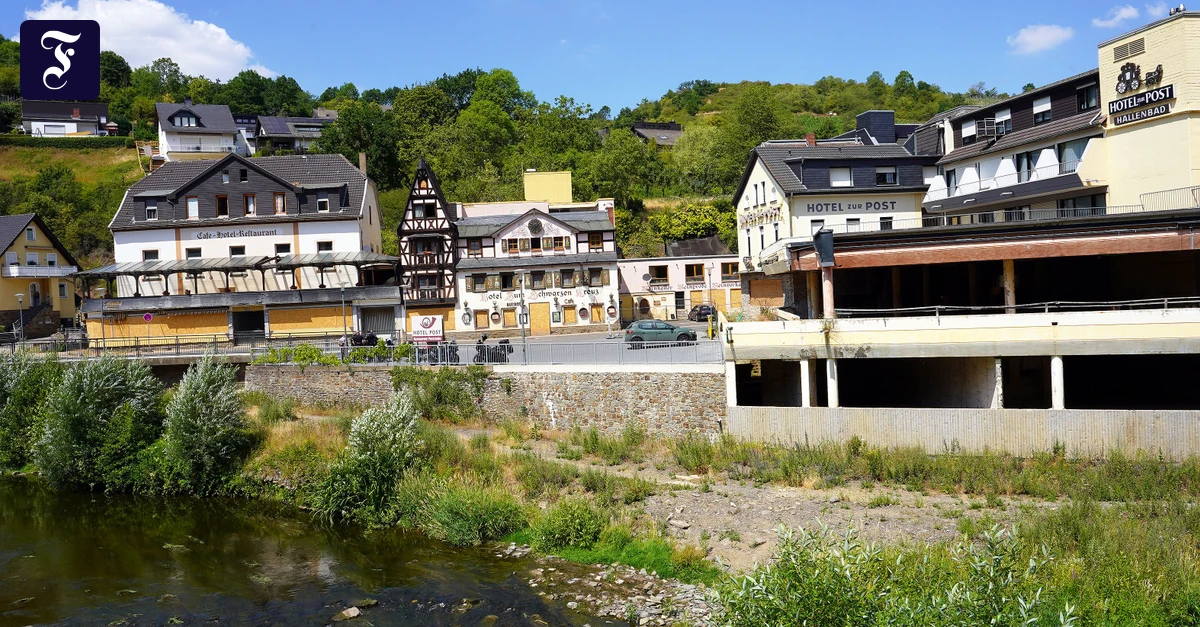
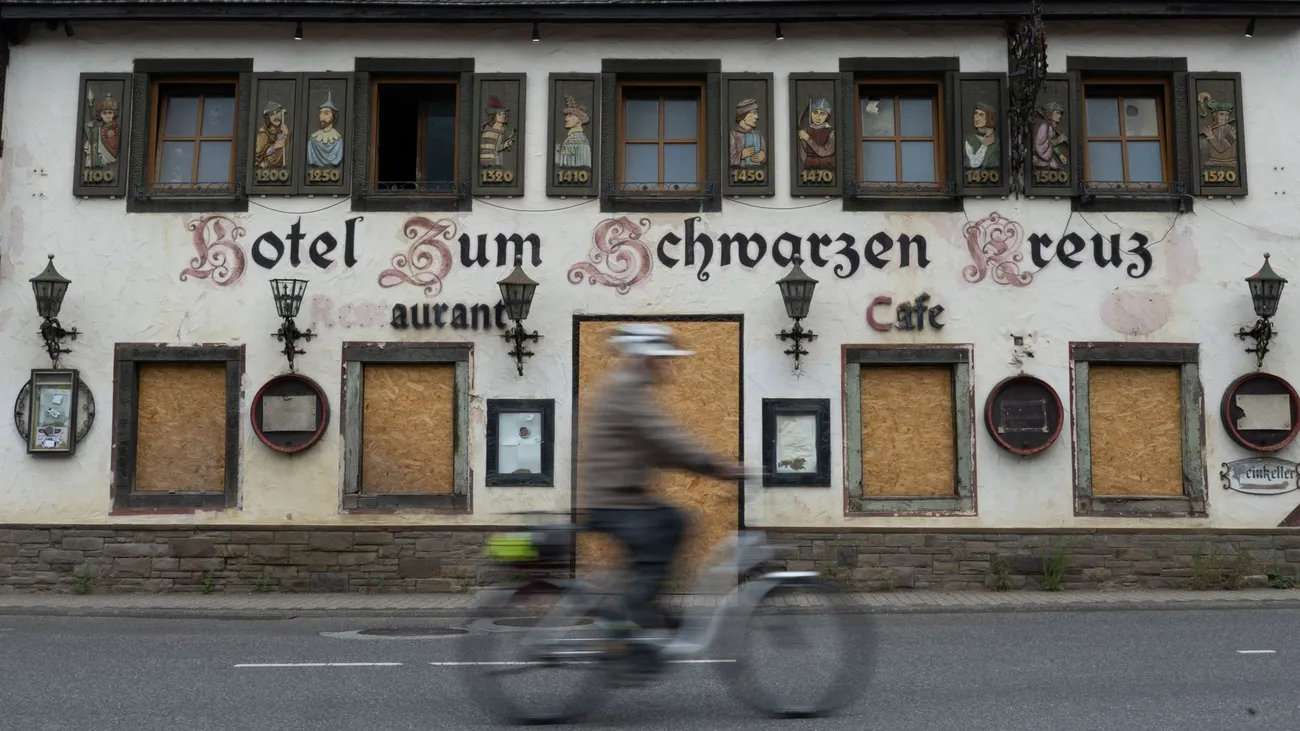
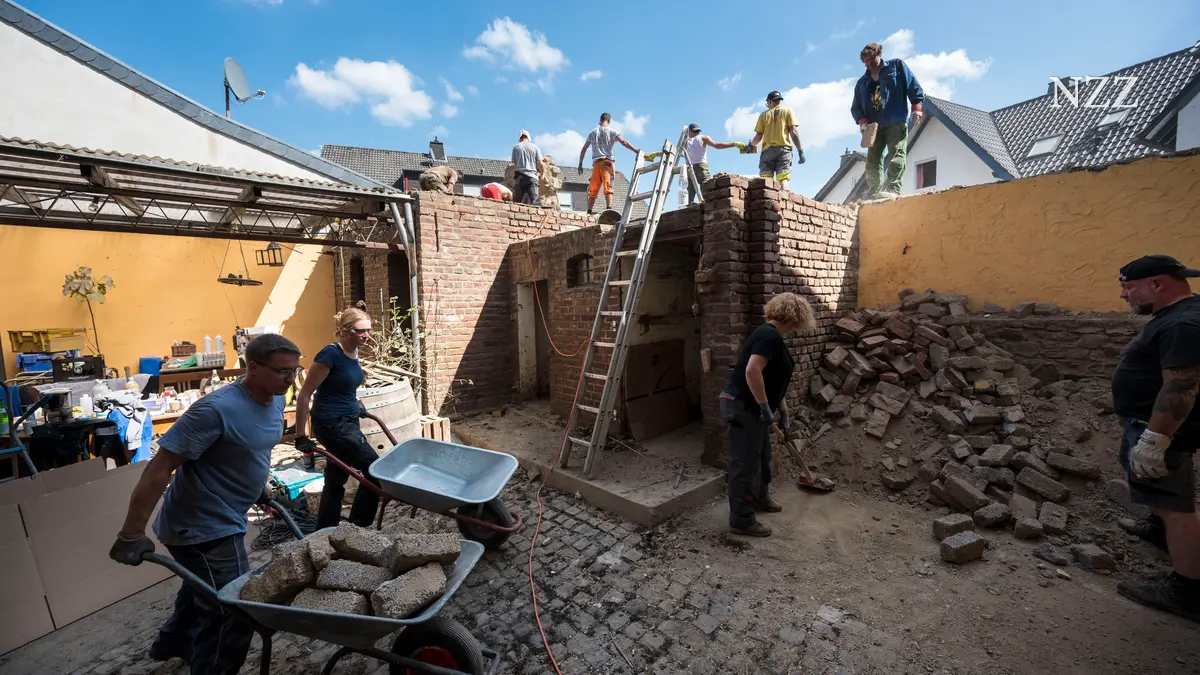
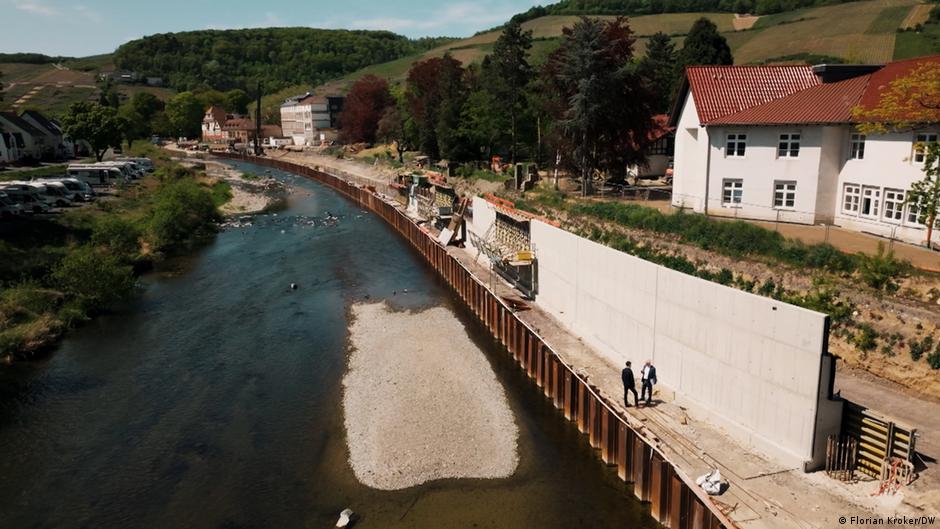
Five years on, the valley is one vast reconstruction site as several billion euros — mostly from state and federal money — are invested in rebuilding and preparing for future floods.