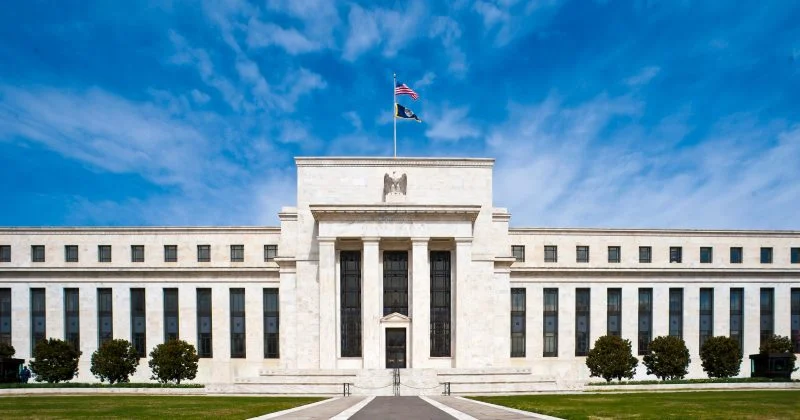
The Federal Reserve spent years flooding the financial system with cash. Now it’s vacuuming that cash back up, and the banking sector is starting to feel the suction.
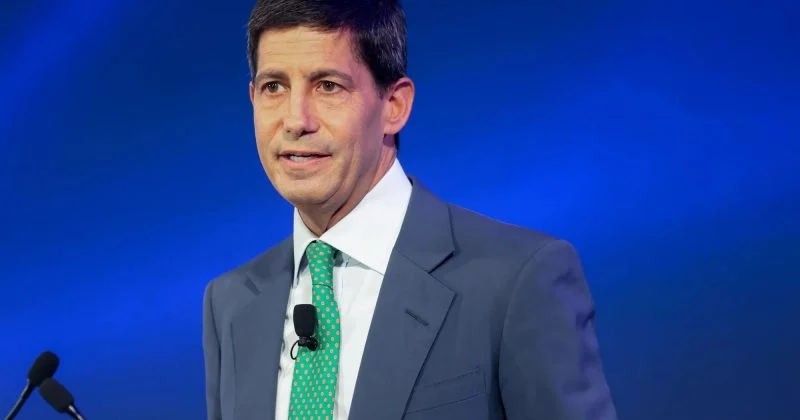
Jill Cetina, executive professor of finance at Texas A&M University and former associate managing director of US bank ratings at Moody’s, has been sounding alarms about how quantitative tightening is reshaping the risk landscape for banks. Her core argument: the shift from QE abundance to QT contraction isn’t just a monetary policy footnote. It’s a structural transformation that could stress bank funding, tighten credit conditions, and send shockwaves into every corner of risk assets, crypto included.
The liquidity tide is going out
Quantitative easing works by having the Fed buy long-term government securities, which injects reserves into the banking system and pushes asset prices higher. Quantitative tightening is the reverse. The Fed lets bonds mature without replacing them, shrinking its balance sheet and pulling reserves out of the system.
Cetina points out that the first QT episode didn’t exactly go smoothly. In September 2019, the overnight repo market seized up in what traders grimly dubbed the “repo apocalypse.” The Fed had drained too many reserves, and suddenly banks couldn’t fund their short-term obligations without emergency intervention.