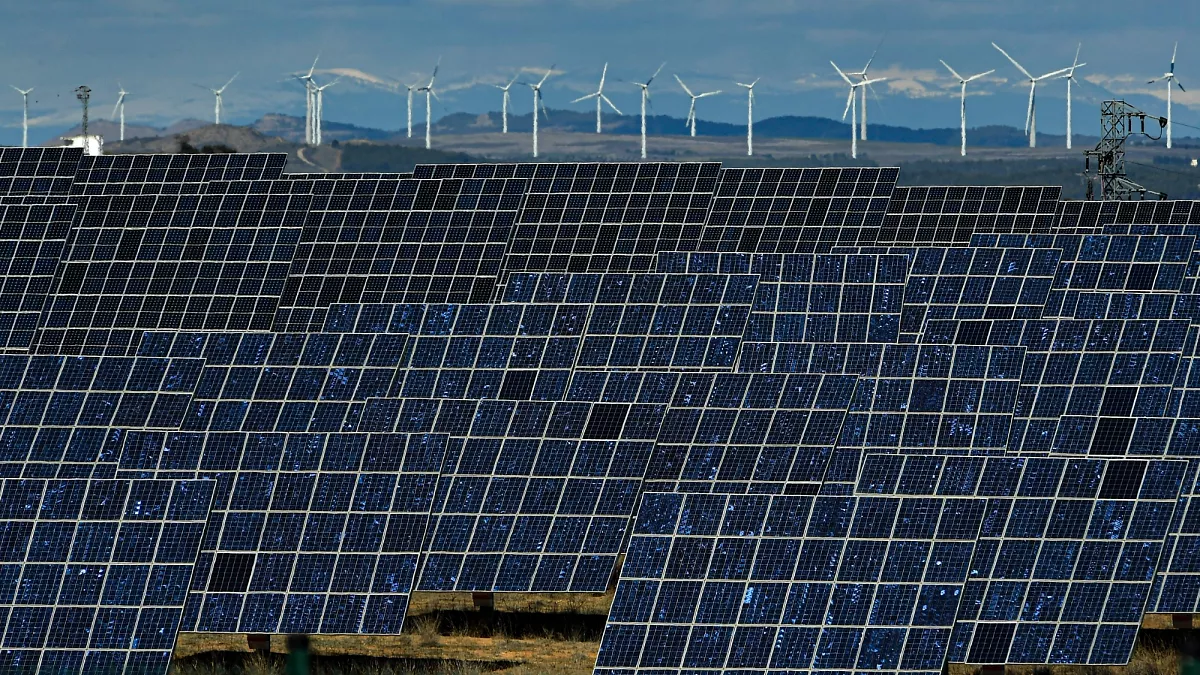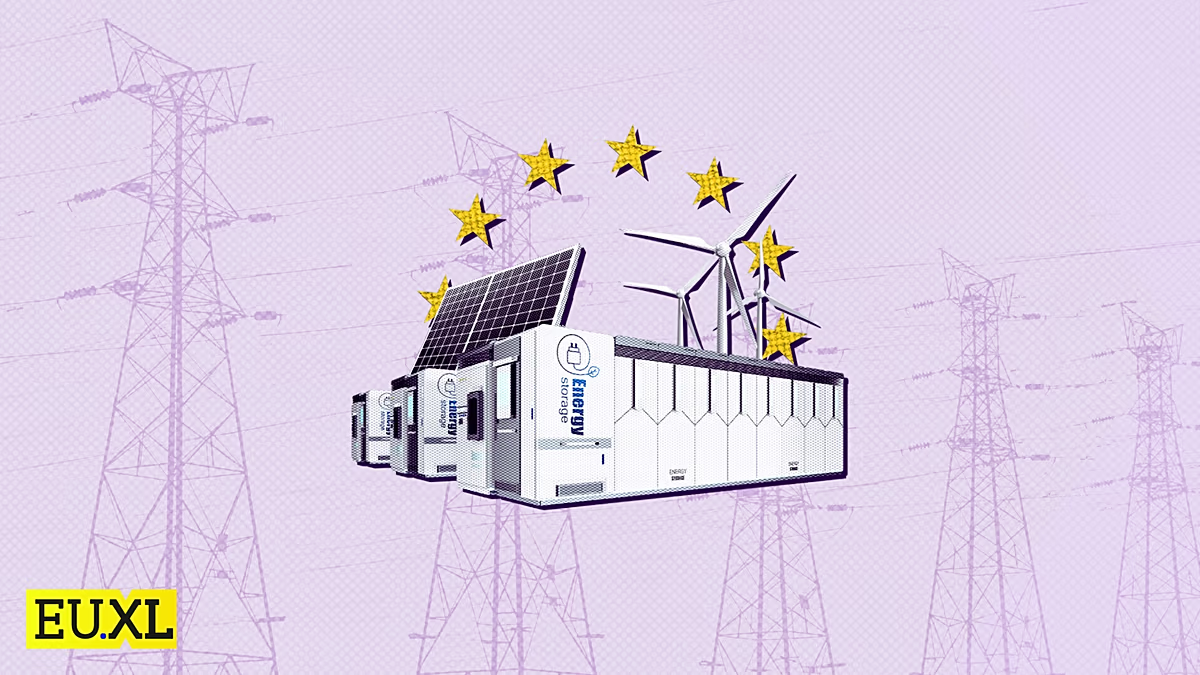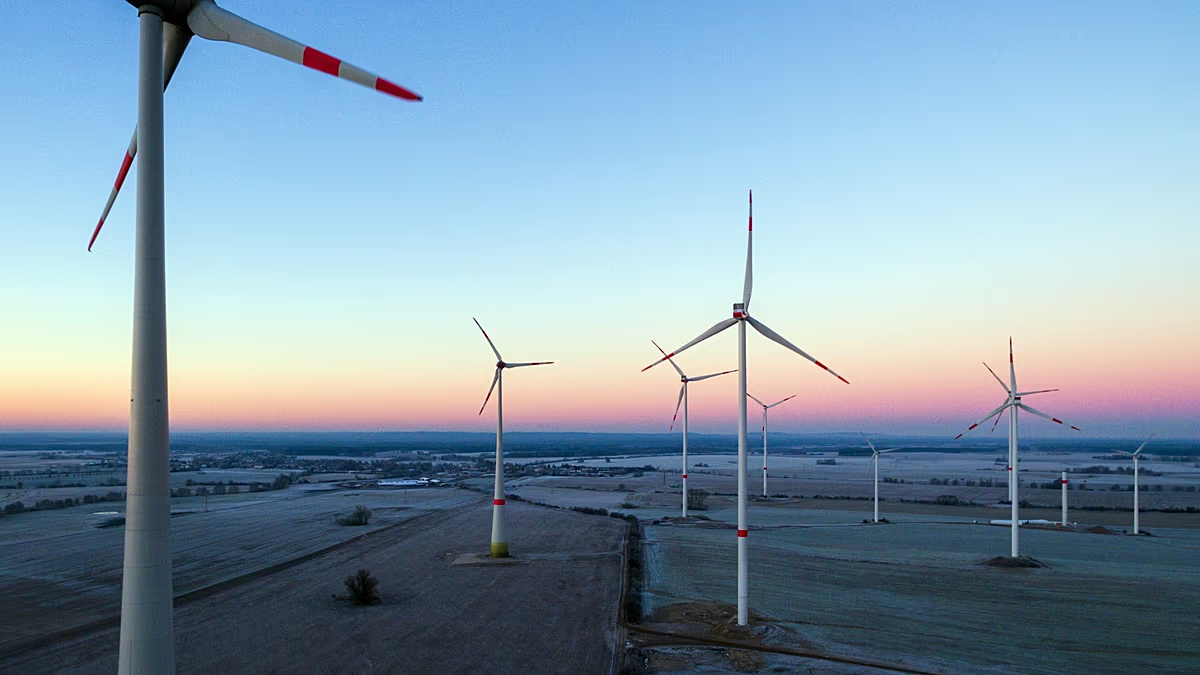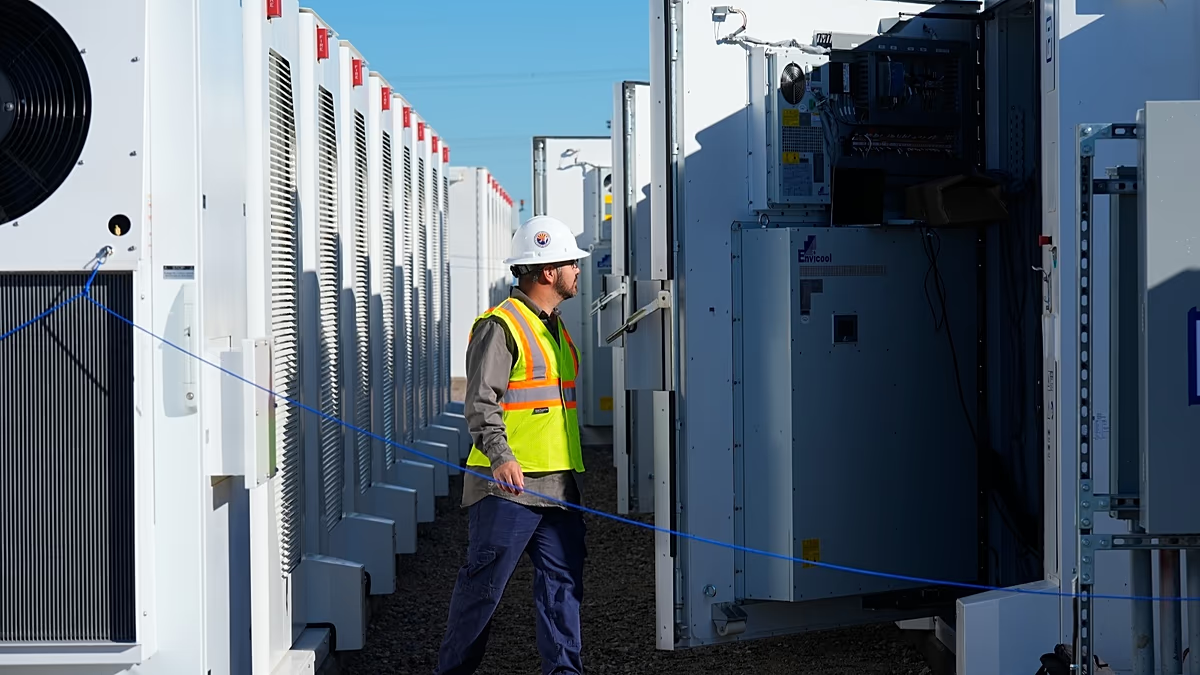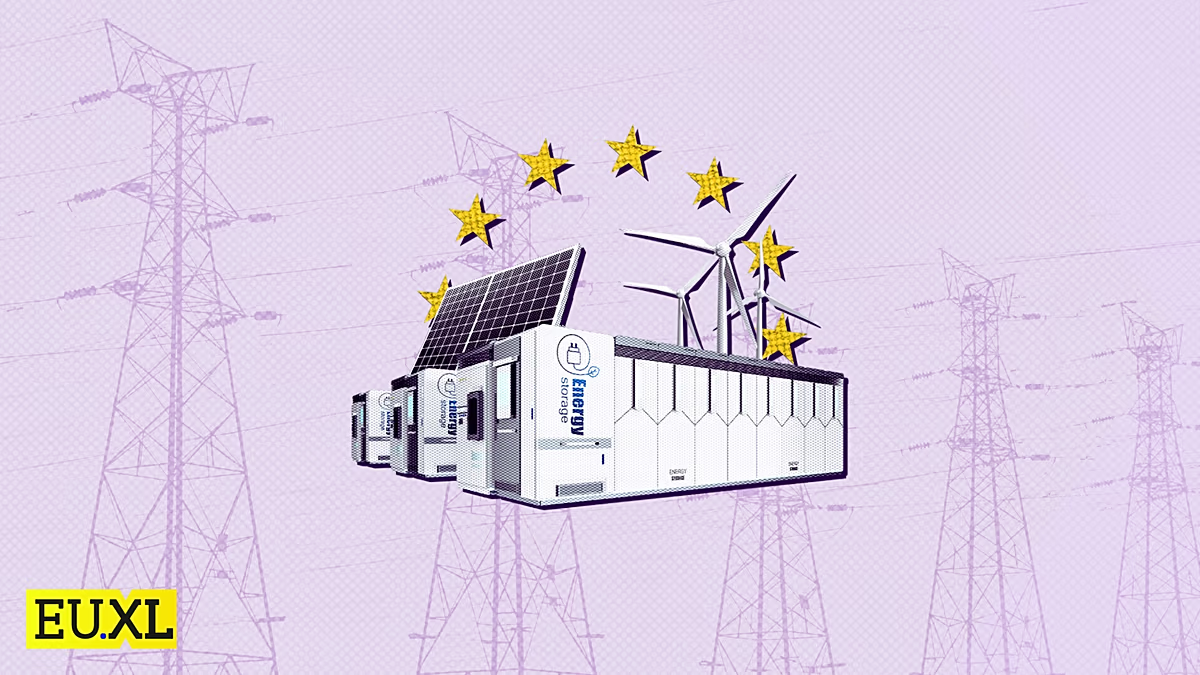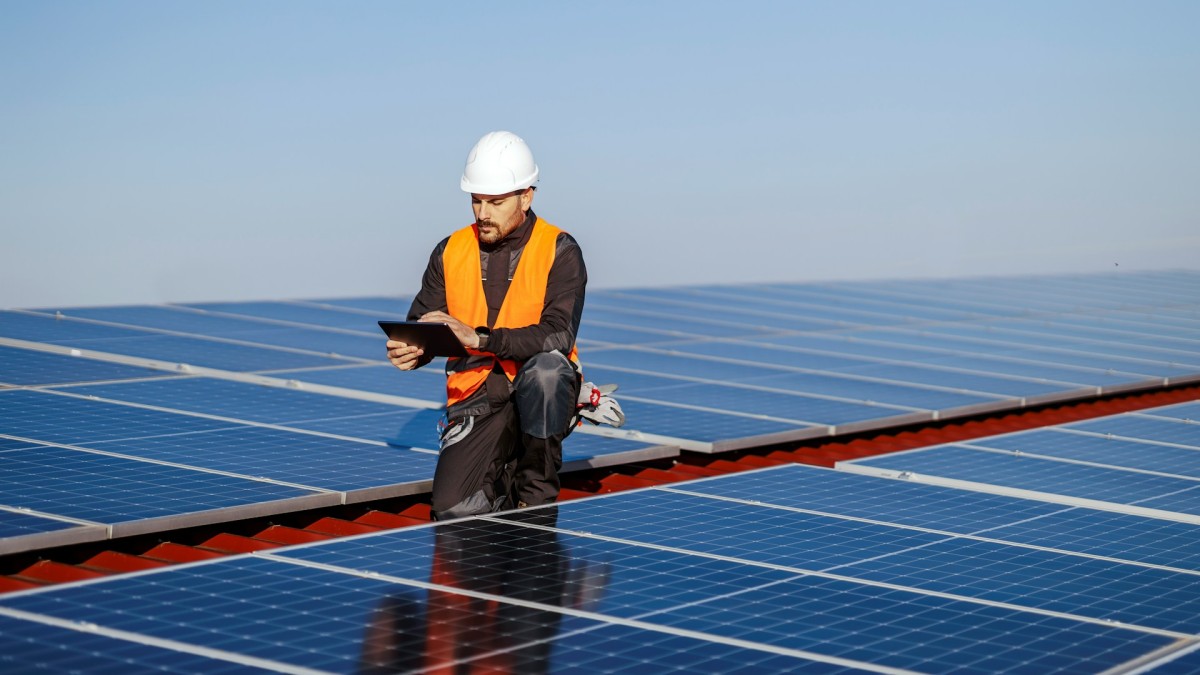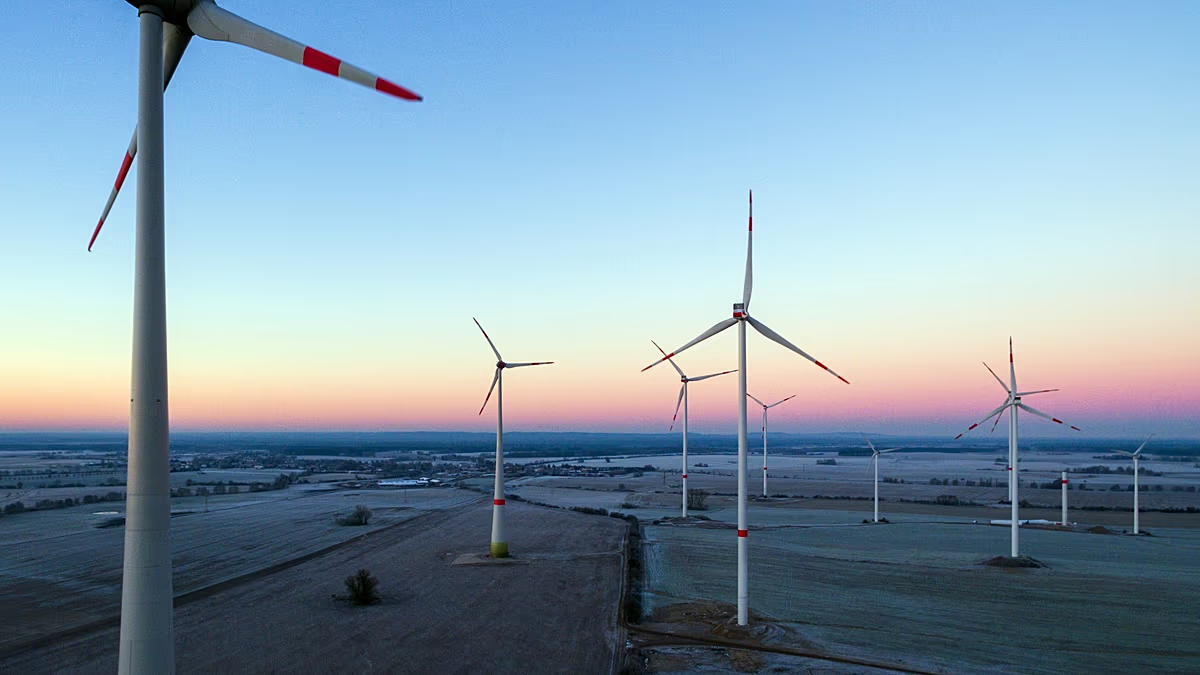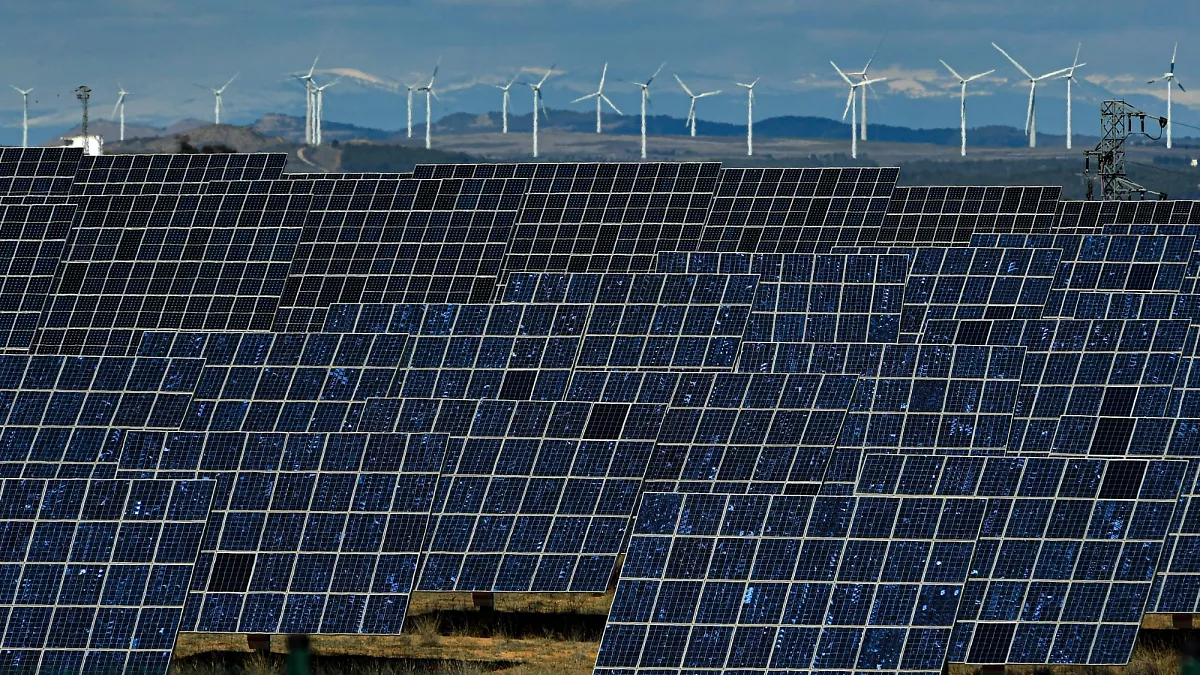
The agreement tackles a problem that has become urgent with Europe’s green transition: how to store growing energy surpluses from intermittent renewable sources, such as wind and solar.
While the share of renewable energy resources is growing (23 per cent in 2020 to 25.2 per cent in 2024), the bloc’s storage capacity remains too limited to absorb it all. Europe wastes renewable energy surpluses generated during seasonal peaks, forcing it to increase fossil-fuel power generation.
The deal expands the EU’s storage capacity to keep extra energy and maintain a reliable energy supply during sudden increases in demand, reduce dependence on imported fossil fuels, and stabilise energy prices.
Member states, financial institutions, clean energy producers, and energy-consuming industries are the main players, ensuring annual energy storage forecasts, stable energy demand, predictable energy costs, and access to finance.
“For the first time, the EU has established a clear political direction, turning storage from enabling technology to a delivery priority”, Walburga Hemetsberger, CEO of SolarPowerEurope said.