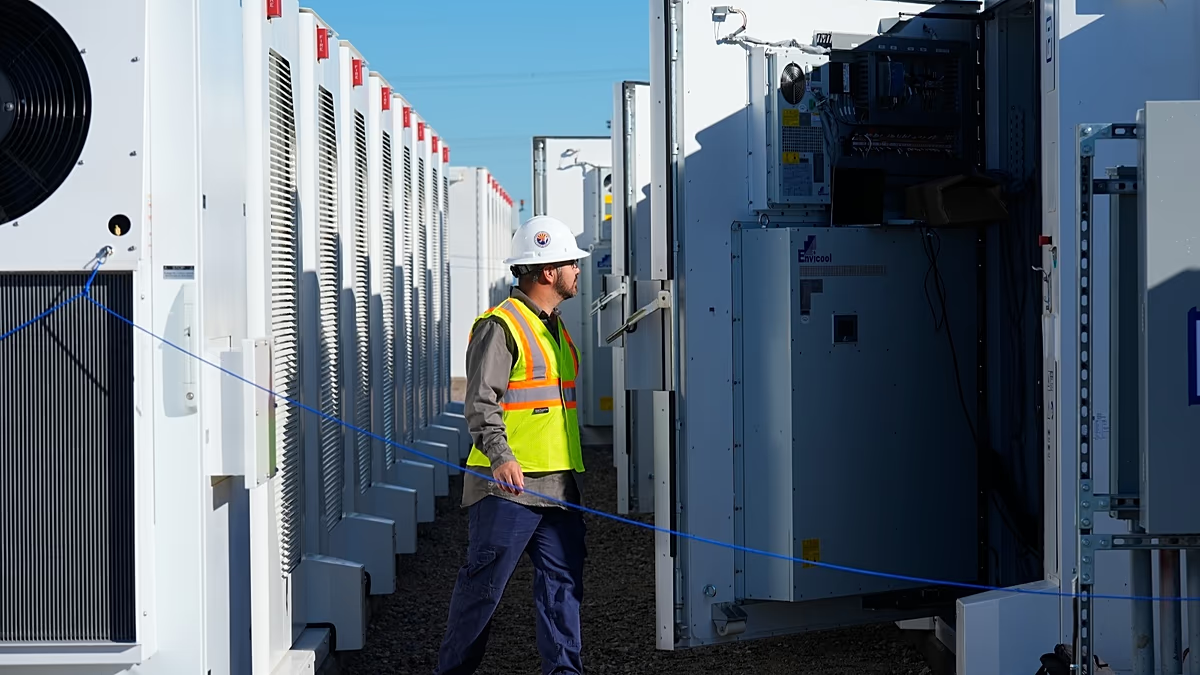
The agreement, reached during the Energy Council on June 26, unites the European Commission, energy ministers from 22 member states, storage and renewable developers, energy-intensive industries, and financial institutions such as the European Investment Bank.
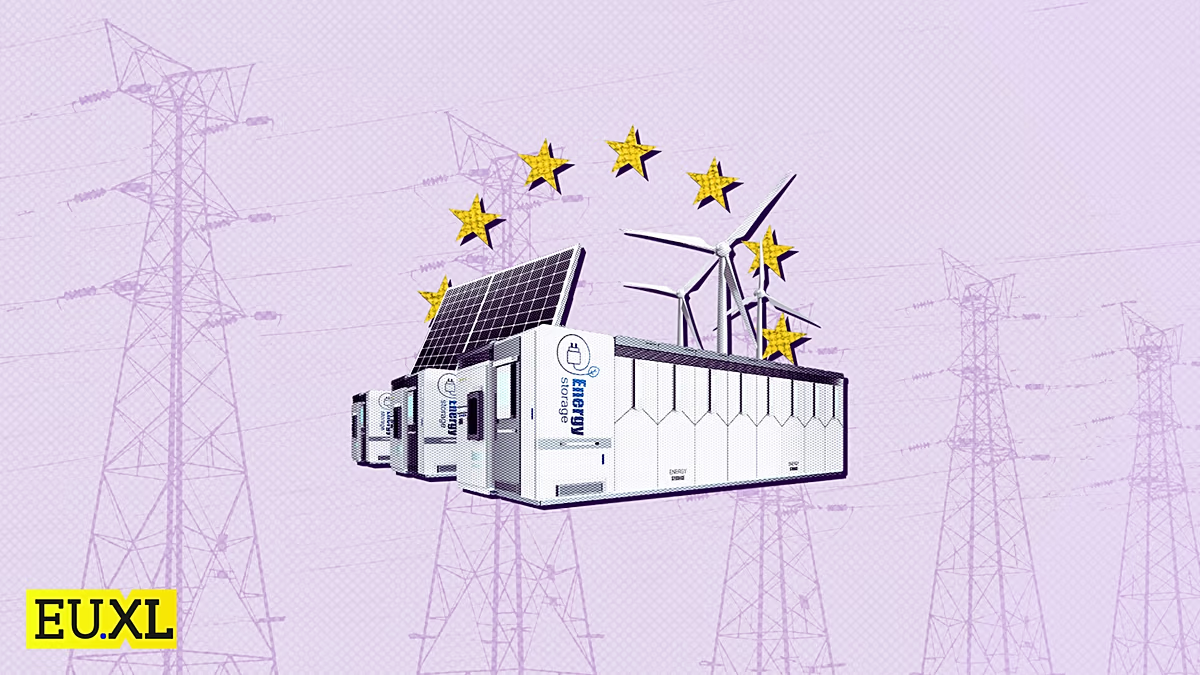
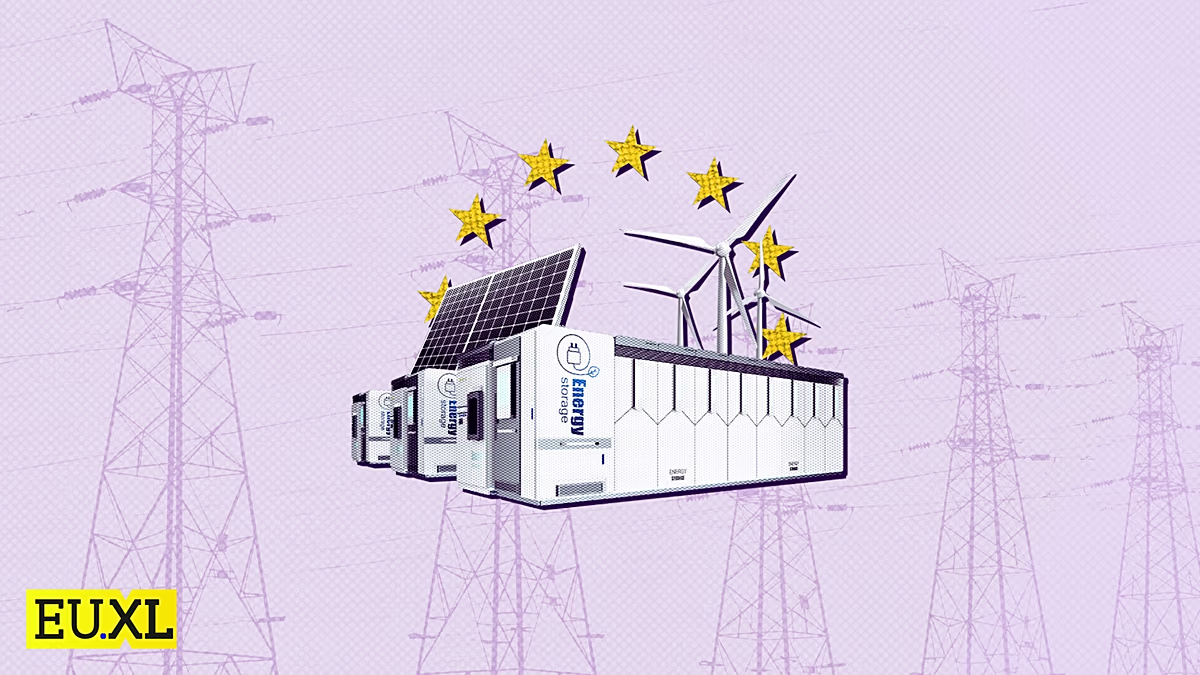
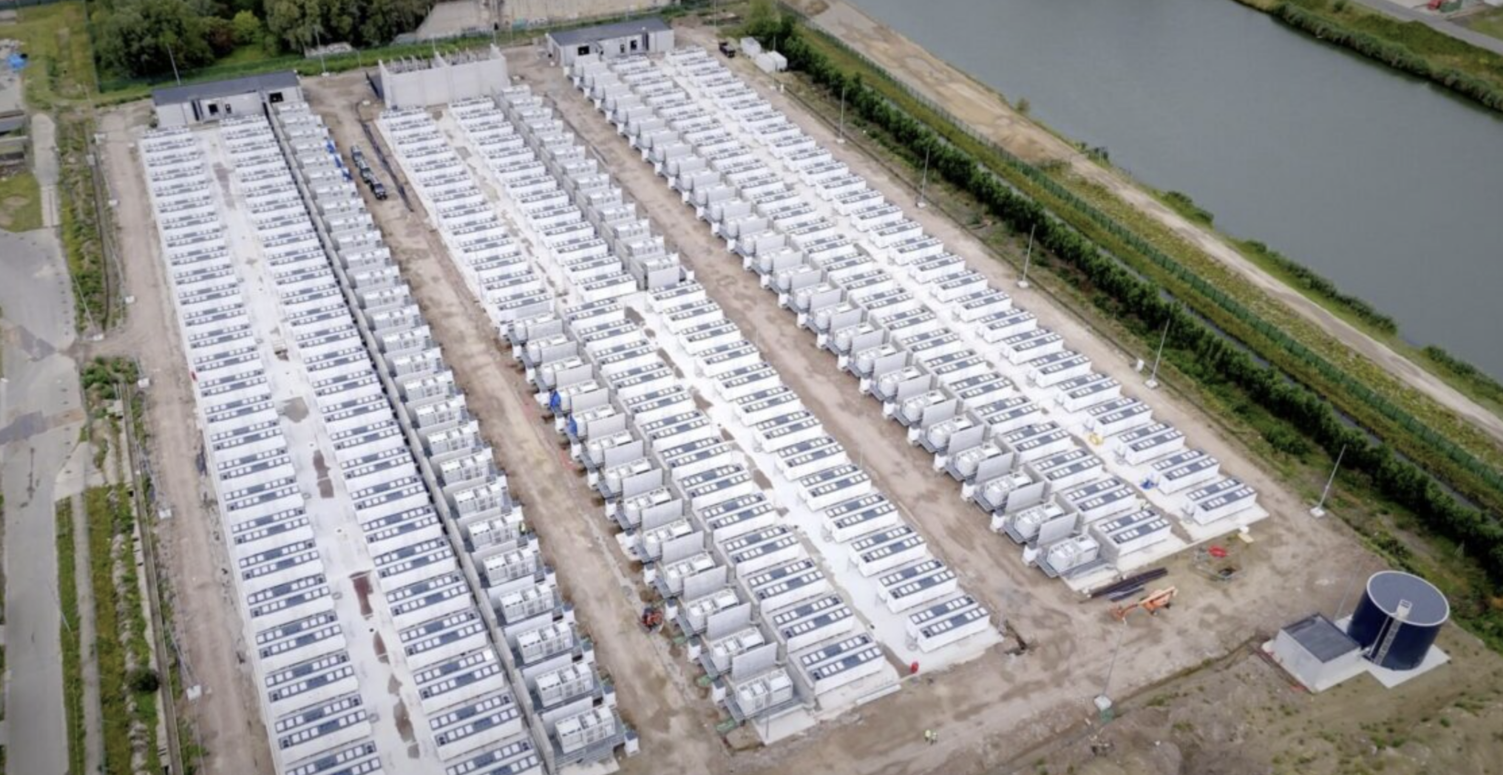
Signatories have pledged to deliver 30 to 35 GW of new storage capacity by 2028, 45 GW according to the underlying text. This would push storage's share of peak electricity demand from around 5 percent today to 10 percent. The EU currently has about 55 GW of storage installed against an estimated need of 200 GW by 2030.
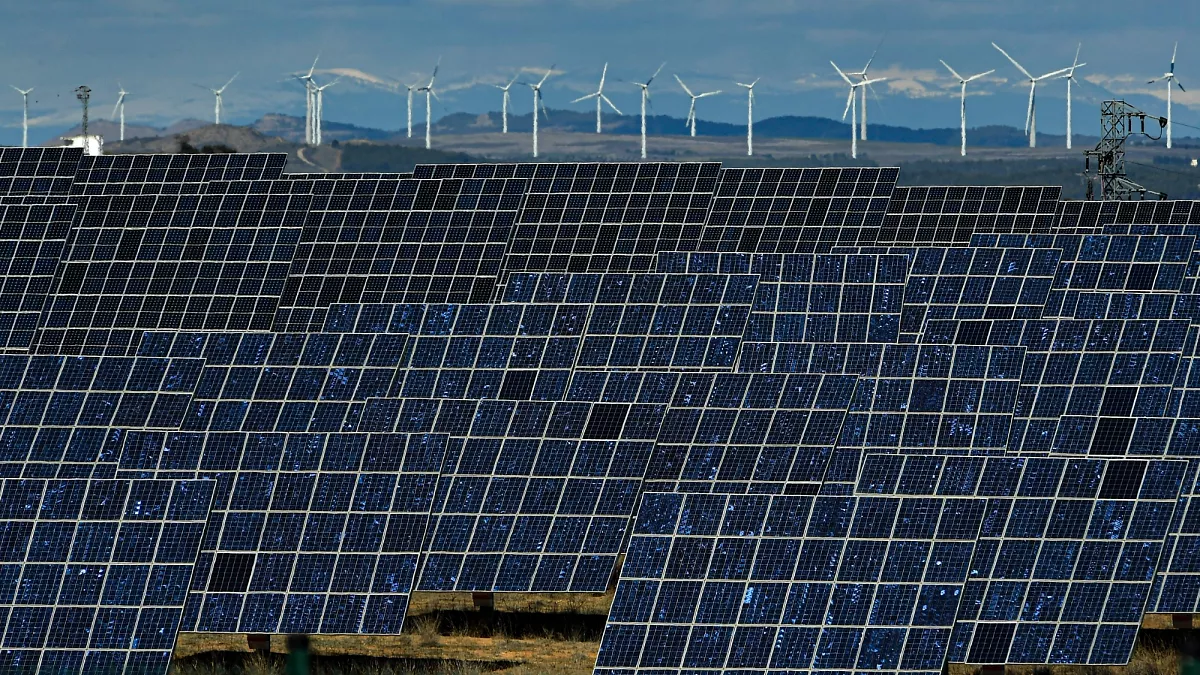
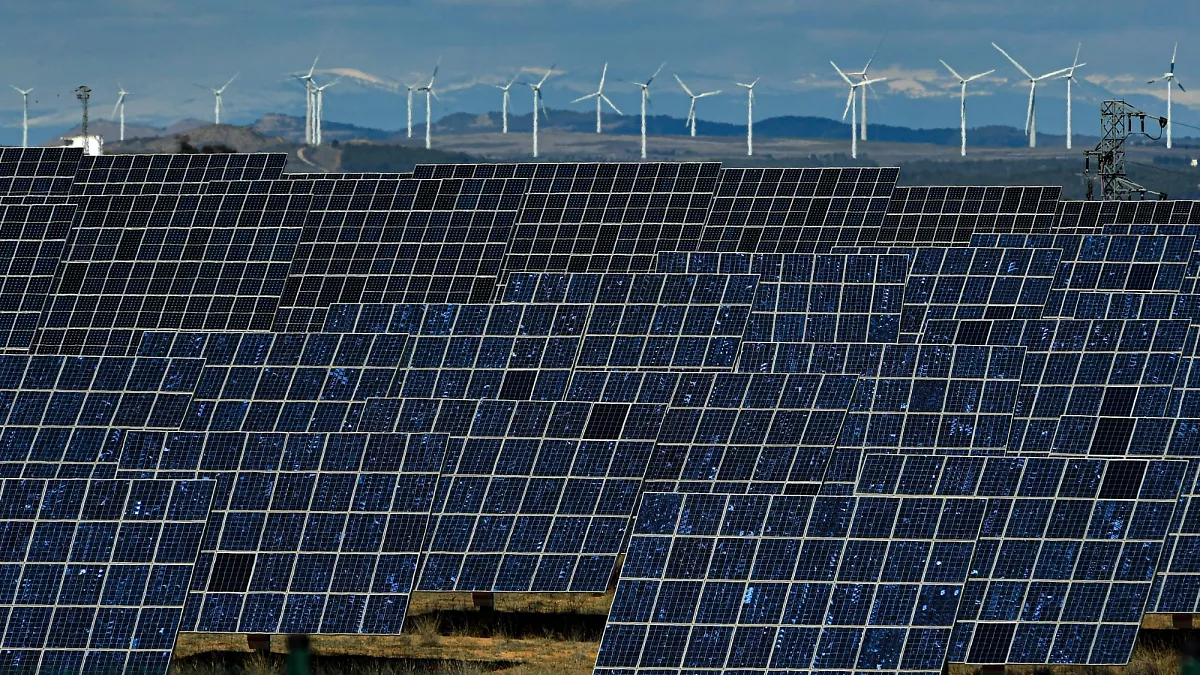
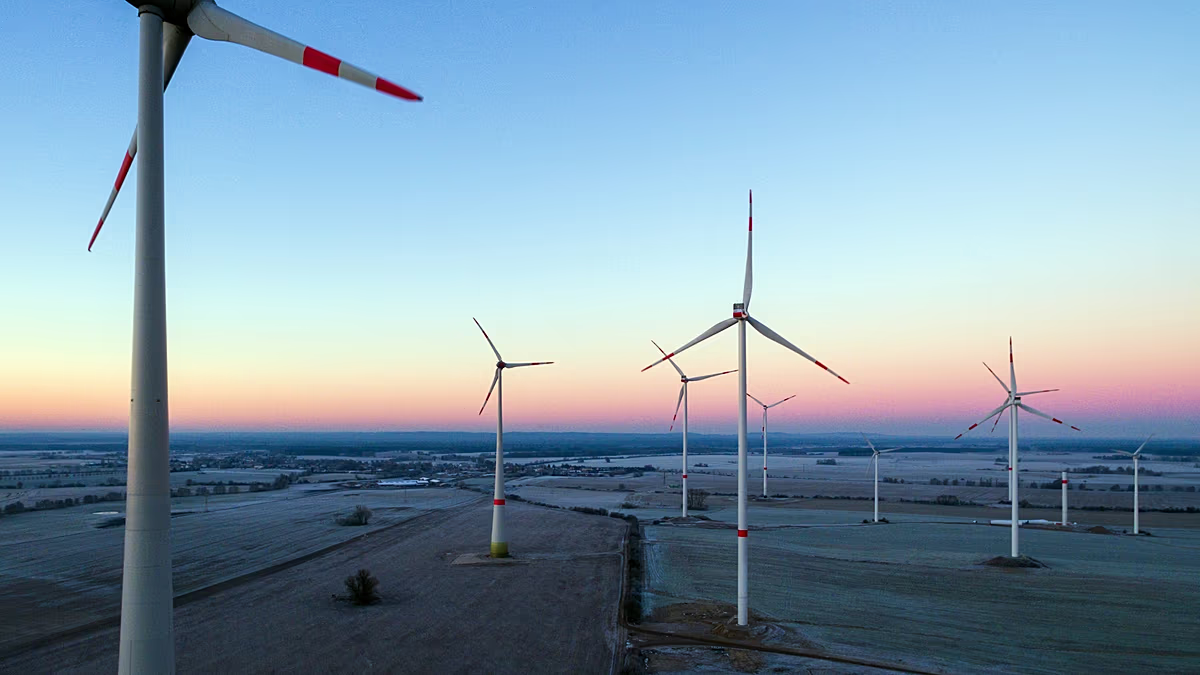
Behind the numbers lies a problem regulators can no longer ignore. As solar and wind output has surged, so have the hours when power is cheap, negative, or simply switched off because the grid cannot absorb it.
"At the moment, we see a lot of negative prices and a lot of curtailment," said Walburga Hemetsberger, CEO of Solar Power Europe. "This is very negatively impacting the business case" for renewables, she said, adding that without batteries to stabilise it, "we will also not be able to get to our renewable goals by 2030." Storage,” she argued, is "the only way we structurally get down prices, get more resilient, and wean ourselves off fossil fuels."