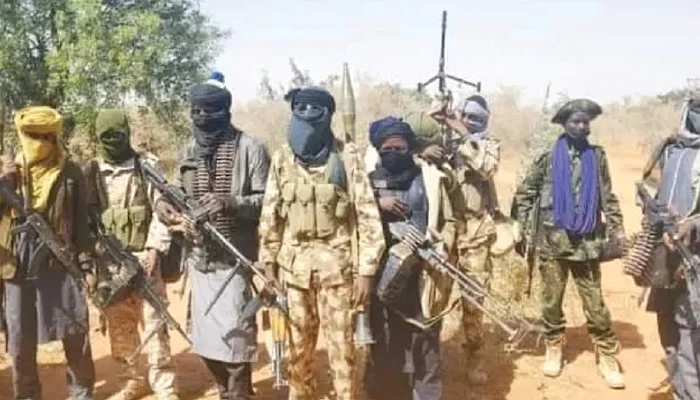
This week continues the series on insecurity in Nigeria
Members of the Committee last met in Ado-Ekiti for the last gubernatorial election in Ekiti State. The third body is the inter-religious council. The Nigeria Inter-Religious Council (NIREC) is a voluntary association that was made up of fifty (50) members (25 Christians and 25 Muslims), formed by the representatives of the two principal religions — that is, Christianity and Islam in Nigeria — on the 11th day of September, 1999. This figure was, however, reviewed in March 2019 to give room to accommodate more women and youth. The membership now stands at thirty (30) Christians and thirty (30) Muslims, making a total number of sixty (60).
The establishment of NIREC was occasioned by the incessant ethno-religious crises which punctuated the sociopolitical landscape of Nigeria as a country. NIREC, also known as a Council, is a permanent and independent body established to provide religious leaders and traditional rulers with a viable forum to promote greater interaction and understanding among the leadership and their followers, as well as lay foundations for sustainable peace and religious harmony in the country.
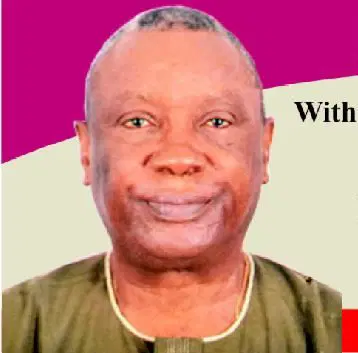
The council was co-ordinated by the then Secretary to the Government of the Federation, Chief Ufot Ekaette (17 April 1939 – 25 September 2019), my then boss. Till today, the council is under the office of the SGF. I remember in August 1999, when we had communication problems, Chief Ekaette instructed me to fly to Sokoto to meet with the late Sultan, Alhaji Muhammad Maccido Abubakar III (20 April 1928 – 29 October 2006), CFR, with a letter on the details of the establishment of the council.