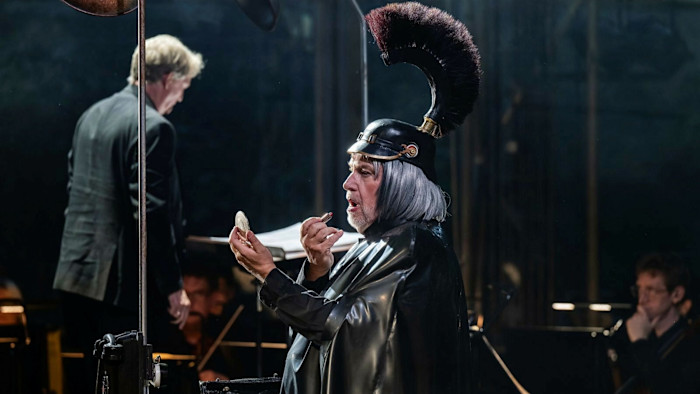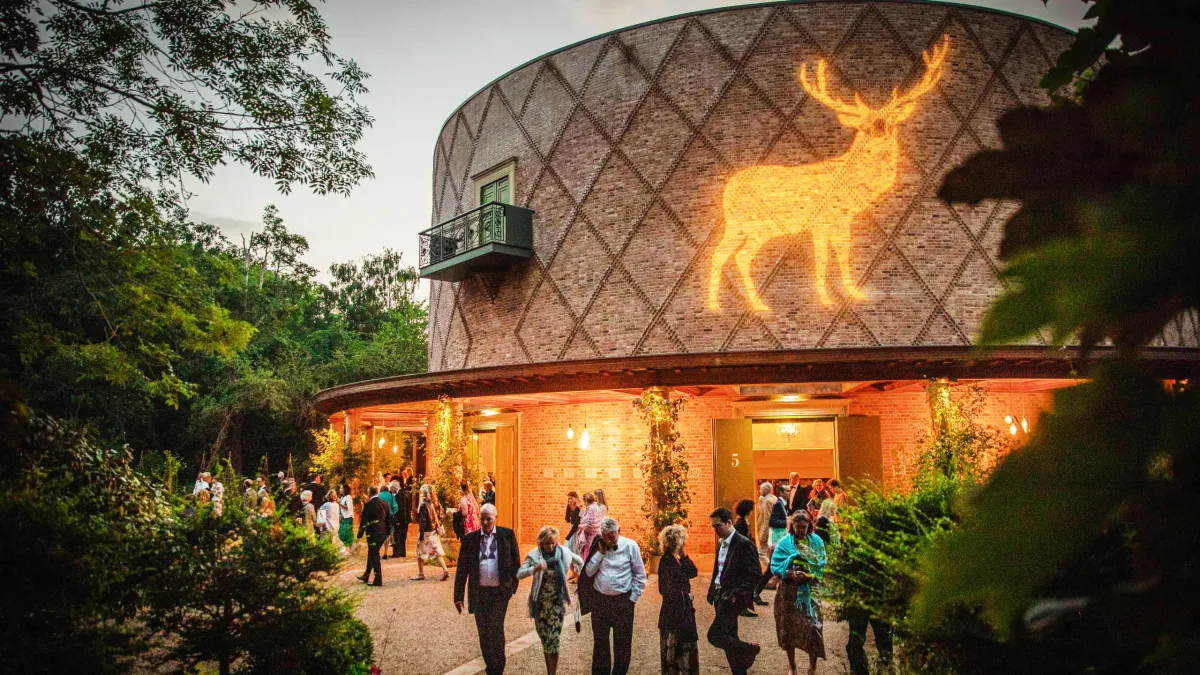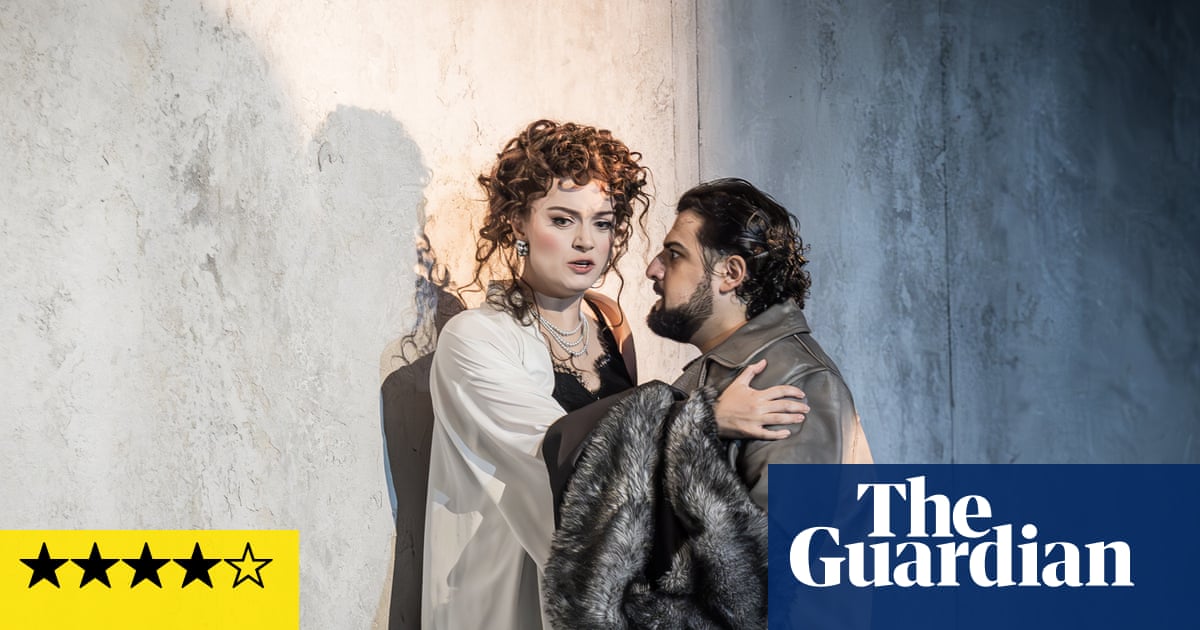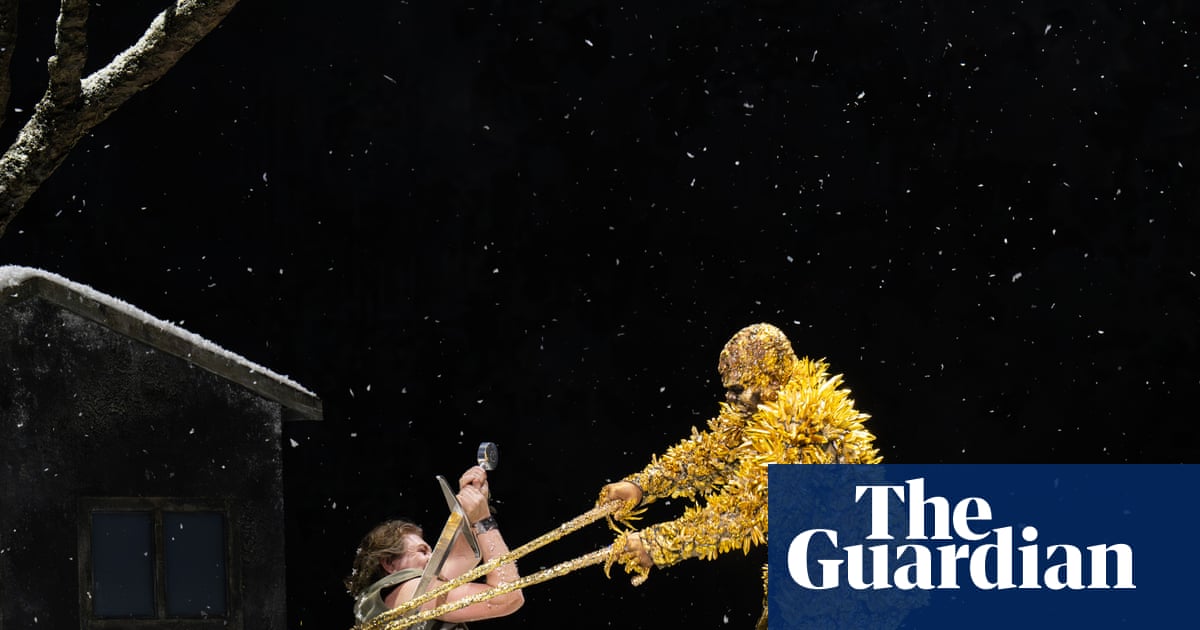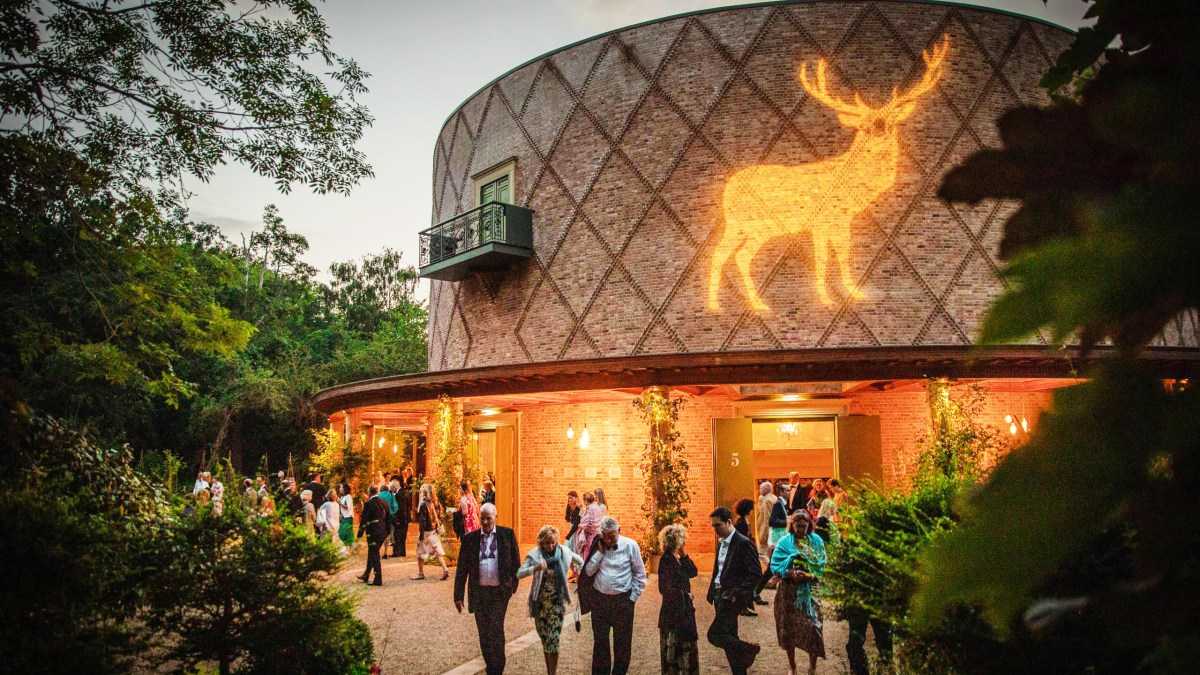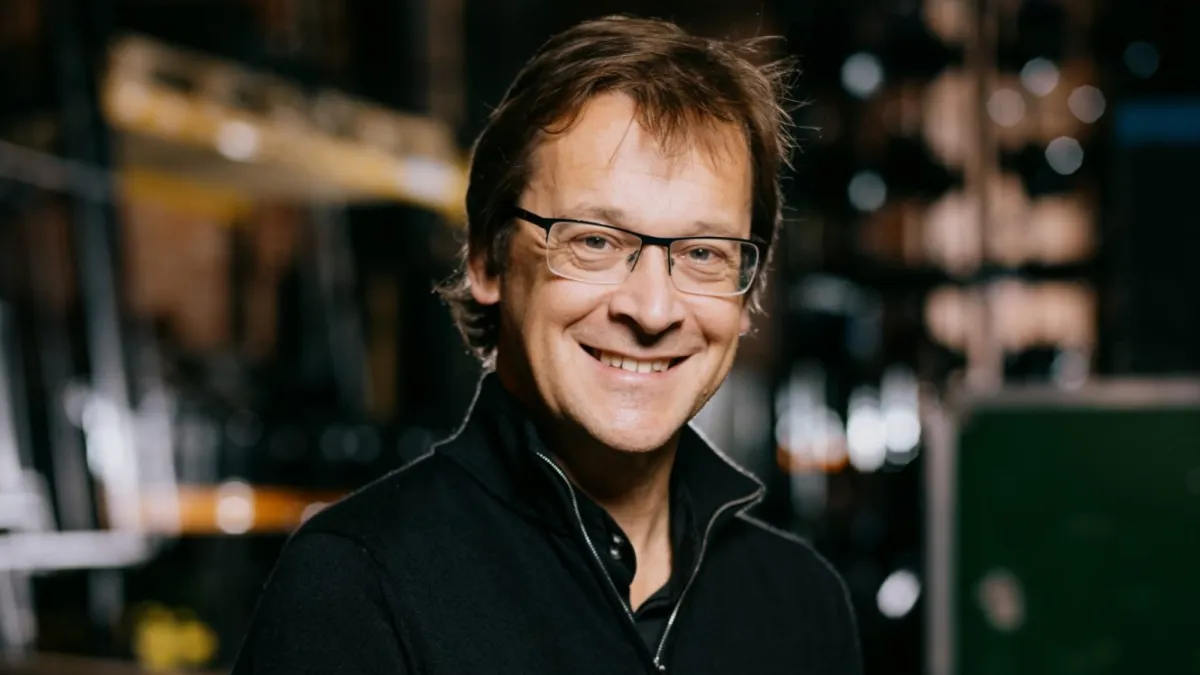
Even the most august institutions must adapt to their times, and Glyndebourne is no exception. When the artistic director of Britain’s longest-established summer opera festival, Stephen Langridge, talks about his autumn season, there is a sense of expansion and rejuvenation. In a musical ecosystem facing public subsidy cuts and increased commercial competition, there’s no time to rest on laurels, even on the Glyndebourne lawns. If the summers increasingly feature long-run blockbusters, the autumn – when the place becomes a “local international opera house” – may just be turning into a significant force for change.
The festival itself was founded by the estate’s owner, John Christie, in 1934 (the current executive chair, Gus Christie, is John’s grandson). After 92 years, it may be famed for its exquisite gardens, picnics and punters in evening dress, but its artistic programme is second to none. Some of the world’s finest directors, conductors and singers have graced its stage; megastars such as Nina Stemme, Rolando Villazón and Lise Davidsen have experienced breakthrough moments there.
Langridge’s father, the much-loved tenor Philip Langridge, was a regular, working his way up to take the lead in operas like Britten’s Peter Grimes and Birtwistle’s The Second Mrs Kong. “I literally learned to walk here as my dad was in the chorus when I was a baby,” Langridges says. “I learned to walk as a director here as well, working on community and youth operas. This job felt like coming home.”