Glyndebourne, Sussex
Floris Visser’s stylish bohemia recalls Brassaï’s Paris, while Puccini’s score is delivered with crispness and elasticity
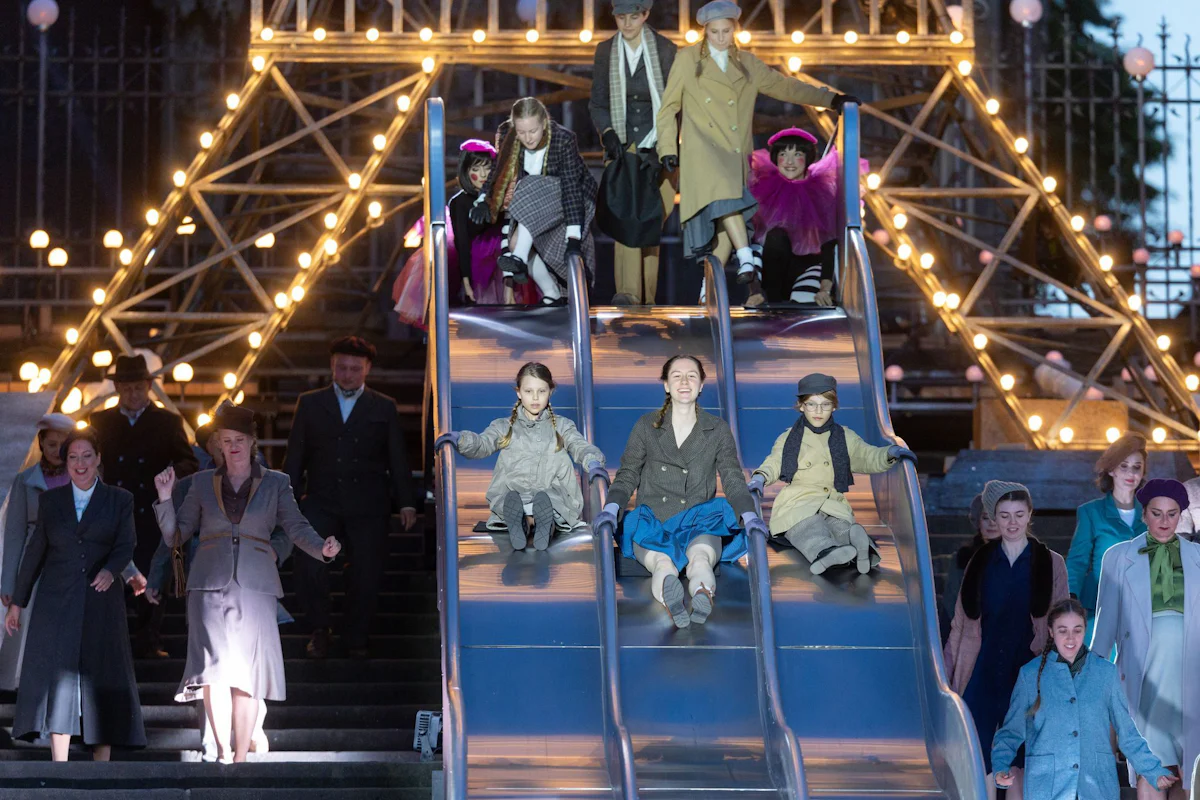
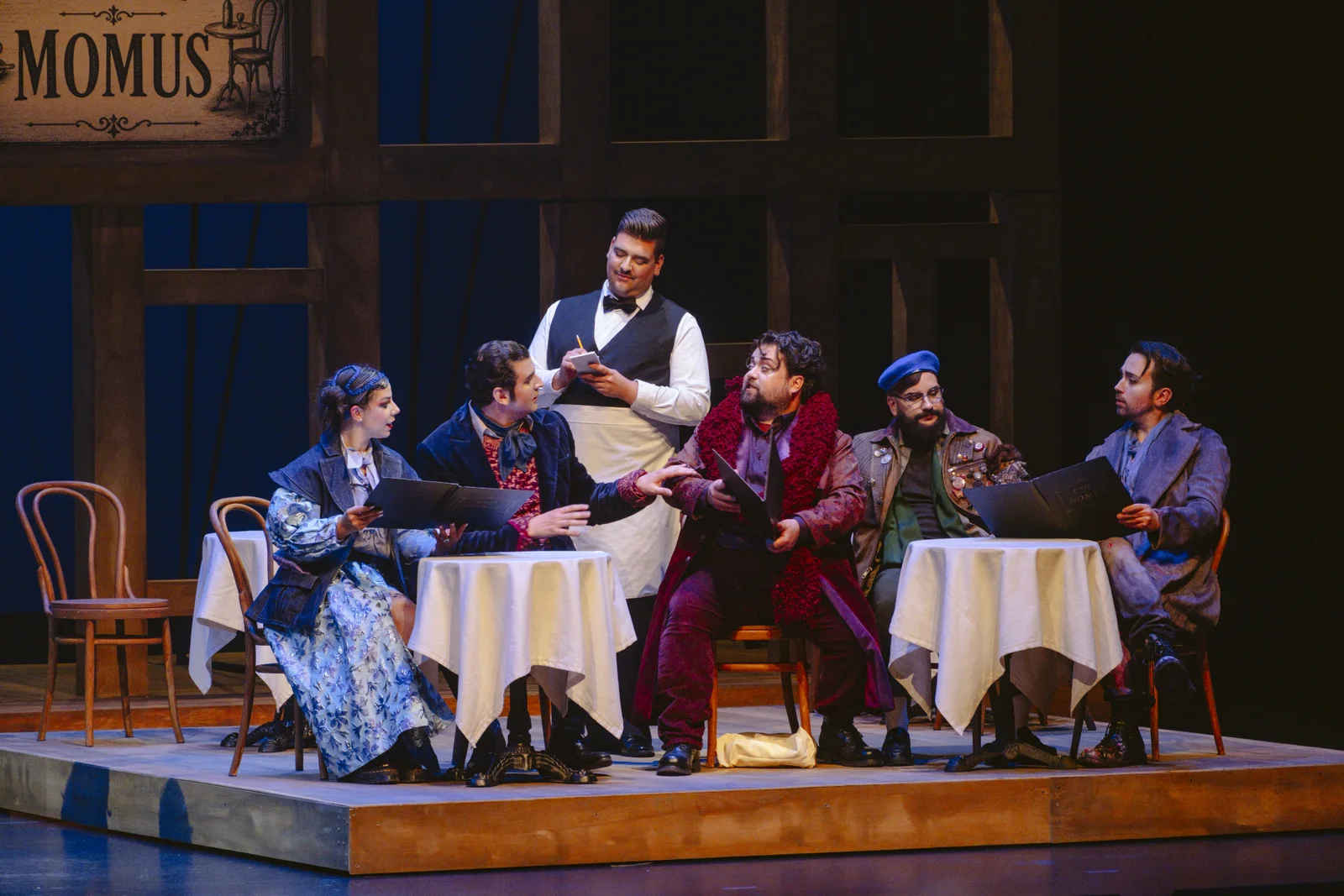
itching the penguin suits and picnic hampers for affordable tickets and a smart-casual elegance, Glyndebourne’s autumn season opened with Floris Visser’s stylish La Bohème. Seamlessly revived by Rachael Hewer, it not only looks good, it does full justice to Puccini’s classic weepy while finding novel ways to raise the odd goosebump.
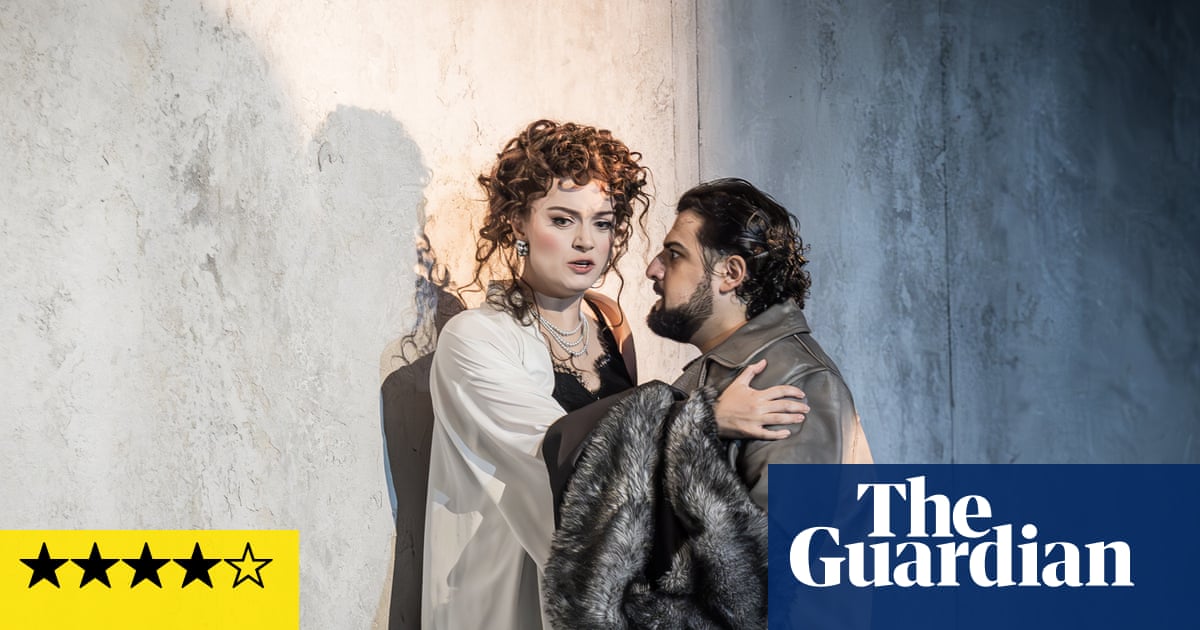
Dieuweke van Reij’s set – a metaphorical highway to heaven – serves for all four acts with more than a nod to Brassaï’s noirish photos of 1930s Paris. Bare walls and glistening cobblestones are breathtakingly lit by Alex Brok, while Jon Morrell’s monochrome costumes ooze couture. Visser’s bohemians inhabit a kind of twilight zone, a world of fogs, gendarmes and prostitutes, where the spectre of Death stalks the streets with the consumptive Mimì firmly in his sights.
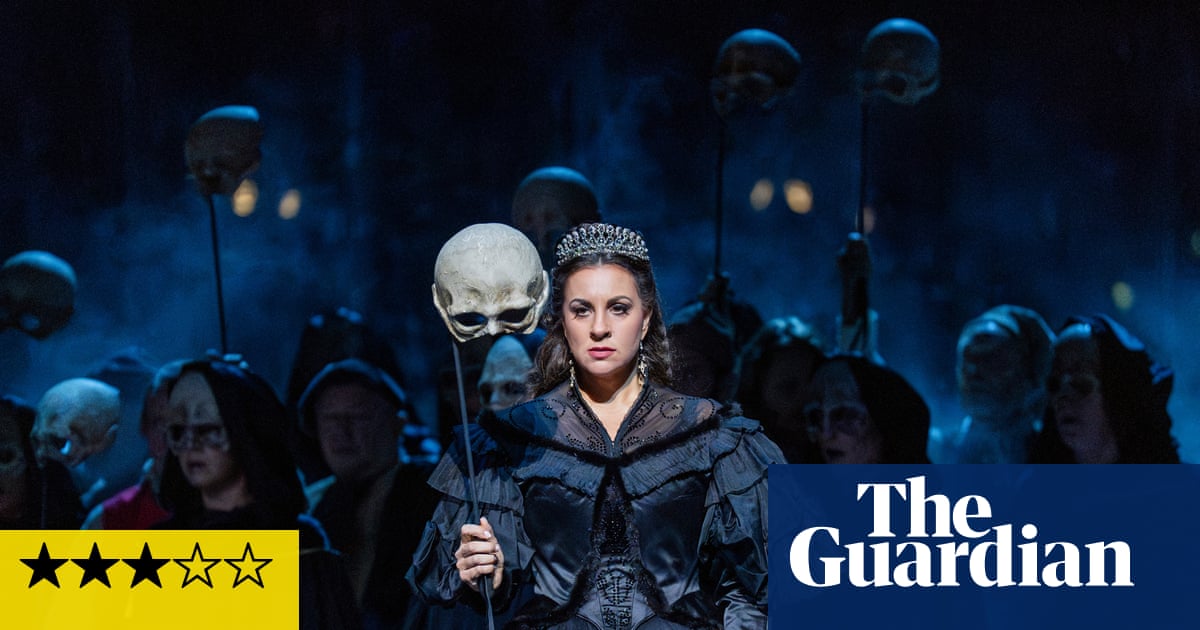
Whenever Aida Pascu’s spook-haunted seamstress appears, he’s there, a pallid man in black, sitting and staring. Rodolfo senses him, perhaps, but Mimì increasingly sees and fears him. It’s a chillingly effective conceit, played with consummate stillness by Christopher Lemmings. He pops up again as the toy-maker Parpignol, this time grasping an ominous bunch of blood-red balloons. When the lovers declare they will not part until the flowers return in springtime, he draws back a tarpaulin to reveal them already in bloom. Mimì’s final, agonsed cry of “Come here, my love” is delivered not to Rodolfo but to Death himself.