Q:Which type of dog gets its name from the Welsh words for 'dwarf' and 'dog'?
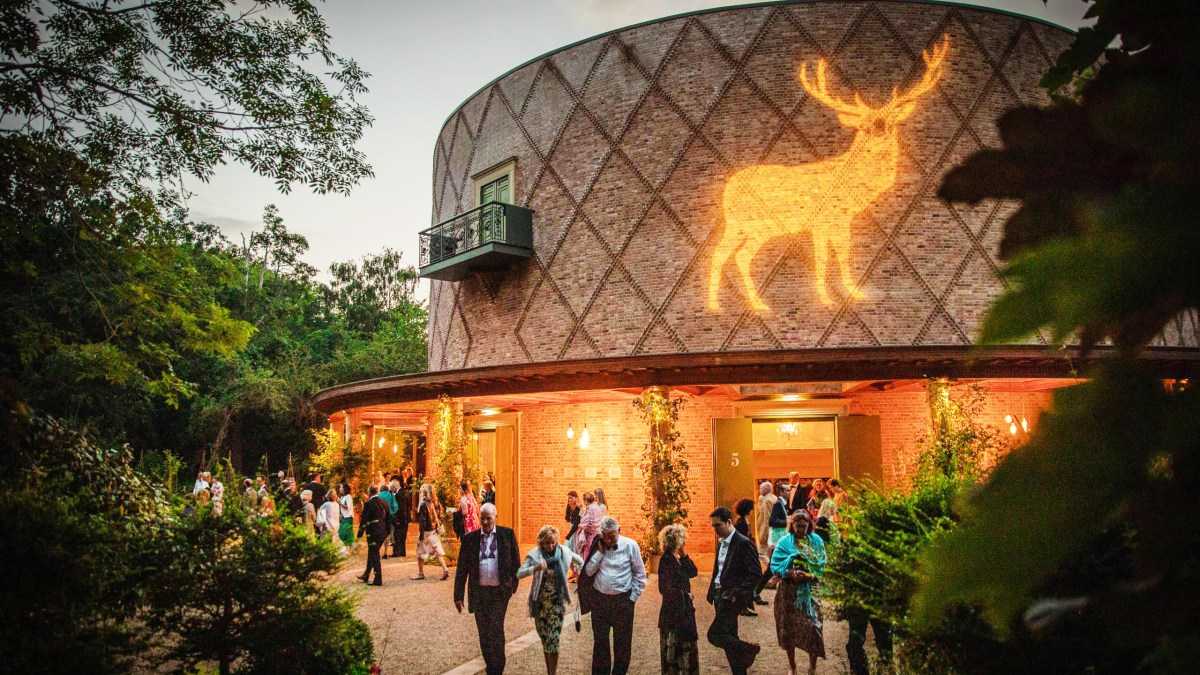
As much of a summer fixture as Ascot or Wimbledon — but with grunting tennis players and whinnying horses swapped for more melodious sounds — Britain’s country house opera festivals are in full swing. Taking place in and among some of the most beautiful estates and grounds in England, the specifics may change but some things are constant: quality performers, bucolic spots to have a picnic in a dinner interval, and the strong allure of something fizzy to drink, whether it’s champagne or sparkling elderflower.
I’ve been lucky enough to be able to visit most of these festivals. But what are the differences between them — and how do you get the best from your experience? Read my last-minute guide, and do contribute in the comments with your favourite recommendations and tips.
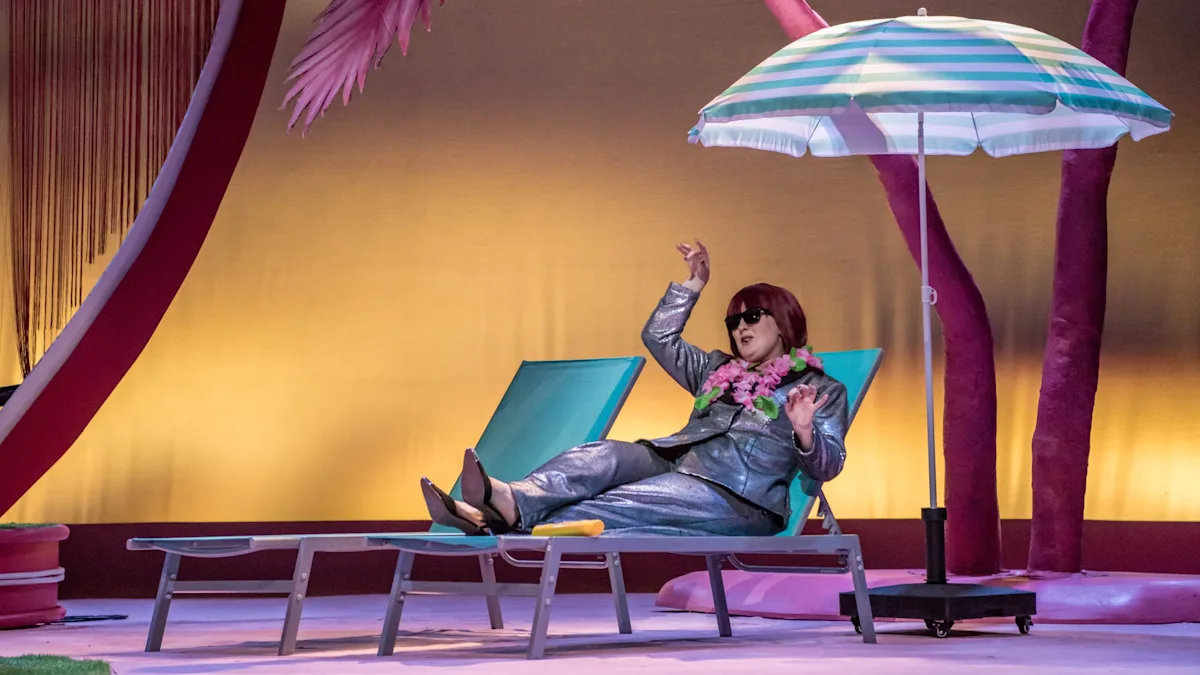
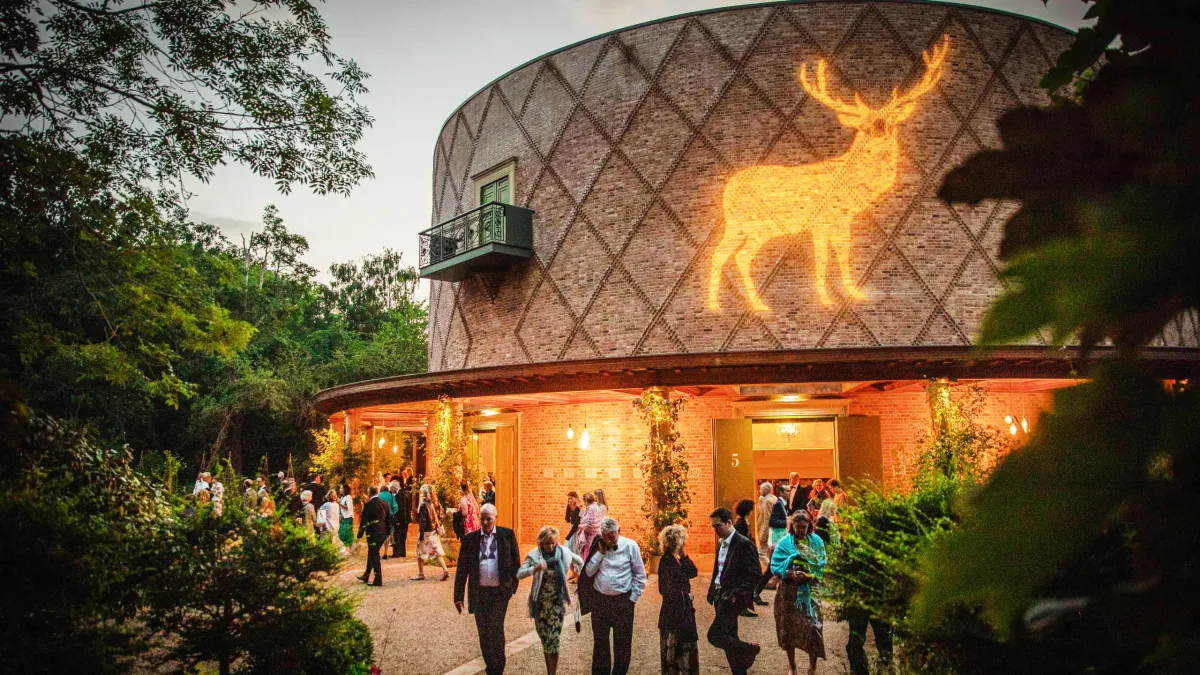
Centered on a Tudorbethan pile that has been in the hands of the Christie family since the 1830s, the Glyndebourne Festival is (gently) steered today by the present ruling Christie, Gus, who is the executive chairman. History repeated itself when he married the soprano Danielle de Niese — his grandfather, John, who founded the festival, was also married to a soprano, Audrey Mildmay — and the chatelaine usually headlines an opera production every other year. (Their elder child, Bacchus, has already appeared on stage in Britten’s A Midsummer Night’s Dream.) There are three restaurants, a ha-ha and sheep frolicking on nearby fields — it’s the motherlode of English summer opera.