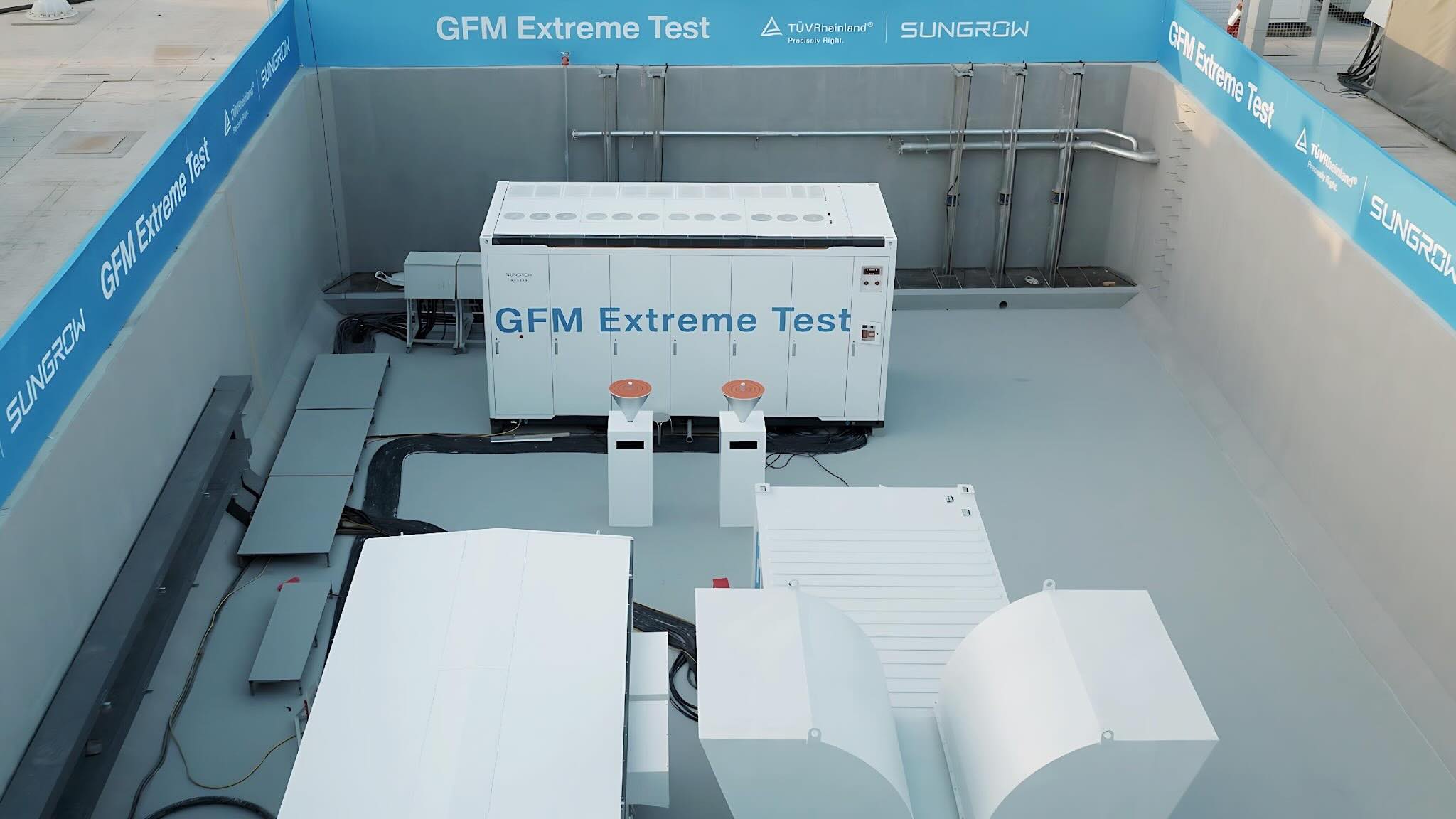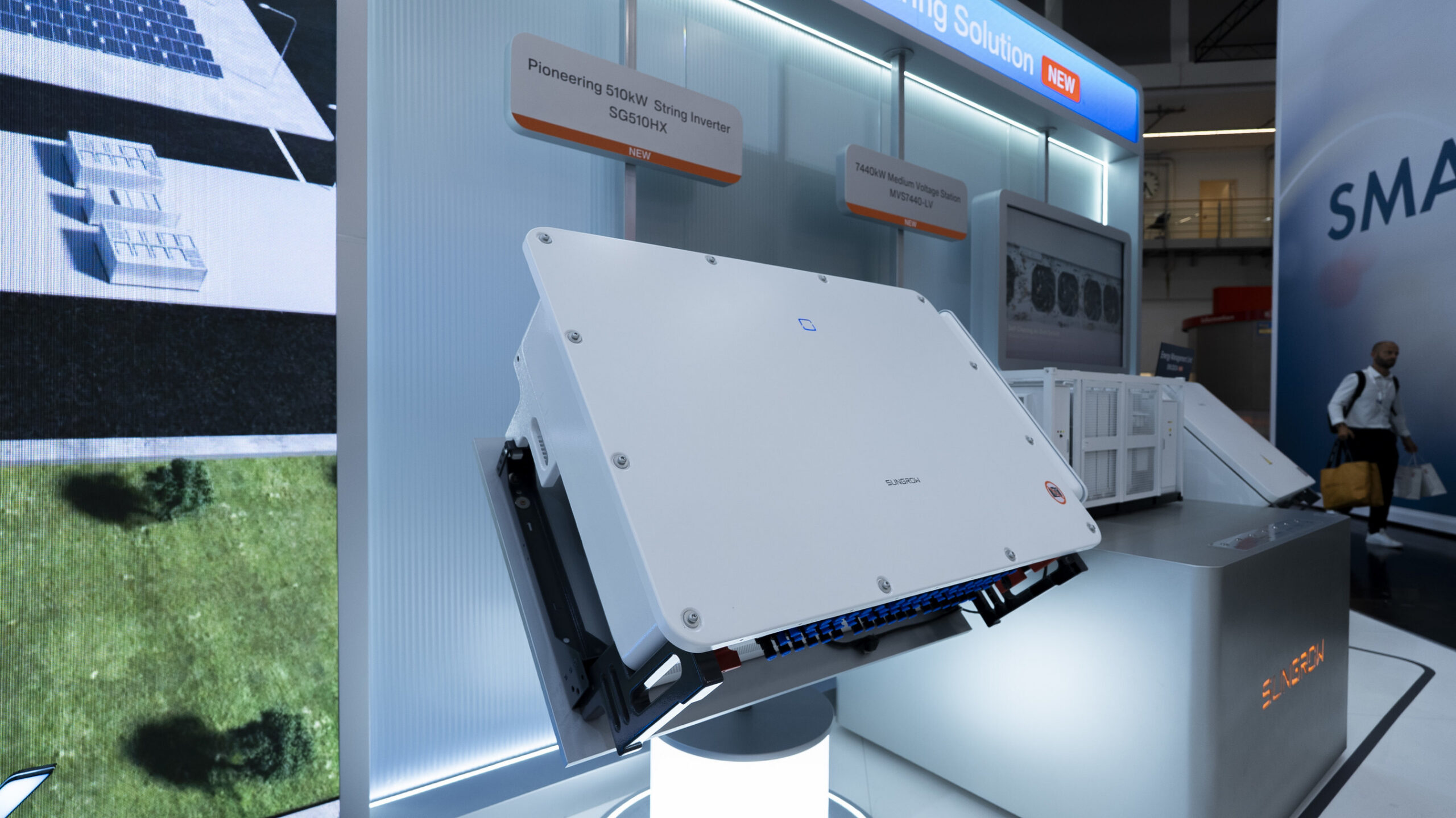
Sungrow and TÜV Rheinland have introduced corporate standards for long-term PV inverter reliability testing, establishing quantitative methodologies to assess component and system durability while expanding their collaboration on technical standards for renewable energy equipment.
Chinese inverter and storage system manufacturer Sungrow and German certification body TÜV Rheinland have jointly introduced what they describe as the world’s first quantitative corporate standards for assessing the long-term reliability of photovoltaic inverters, aiming to address growing concerns over equipment durability in utility-scale solar projects.
The standards establish a framework for evaluating inverter lifetime performance from both the component and system levels. According to the companies, the new specifications are intended to bridge the gap between conventional qualification testing and the real-world operating conditions faced by modern PV plants.
“Existing reliability qualification methodologies were not originally designed to fully capture the increasingly diverse and demanding operating conditions of modern PV plants, creating a gap between laboratory qualification and long-term field performance,” Sungrow said in a statement.