Chinese power technology giant Sungrow says it has completed what it says is “the world’s first large-scale grid-forming full-scenario validation,” putting battery and inverter technology through a series of extreme grid scenarios designed to mimic real-world disturbances.
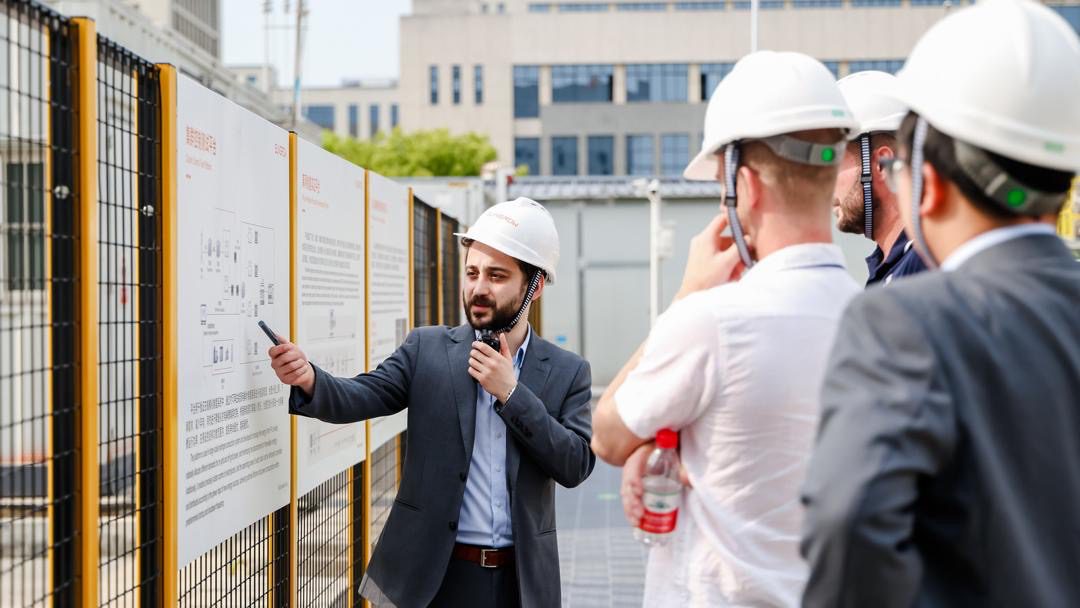
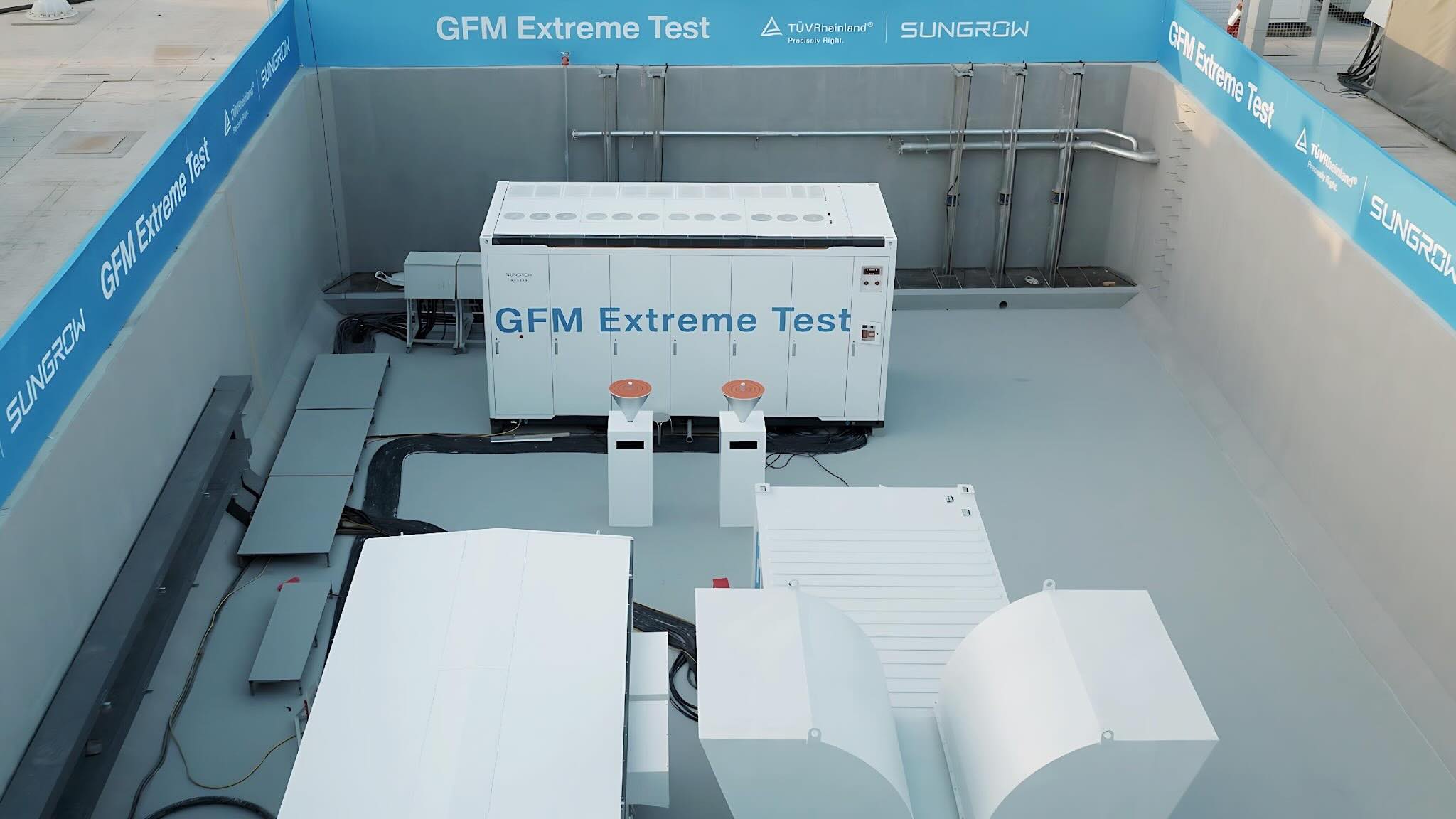
The tests were conducted on a 30 megawatt (MW) grid simulation platform in China, and covered 14 scenarios over 138 hours and met different country standards, including those in Australia, which is likely to be among the first to deploy such technology at scale.
Sungrow says the tests – separately verified by TÜV Rheinland – responded well to short-circuit faults, frequency instability (inertial response) and complete blackout conditions; instances that are traditionally handled by large spinning machines powered by coal, gas or hydro turbines.
The findings are potentially significant, and follow similar conclusions by the likes of US-battery and systems developers Tesla and Fluence.
These companies argue that grid-forming inverters – usually with grid scale batteries and first widely deployed in Australia – can provide the essential “system service” for the grid that were traditionally provided by coal and gas generators.