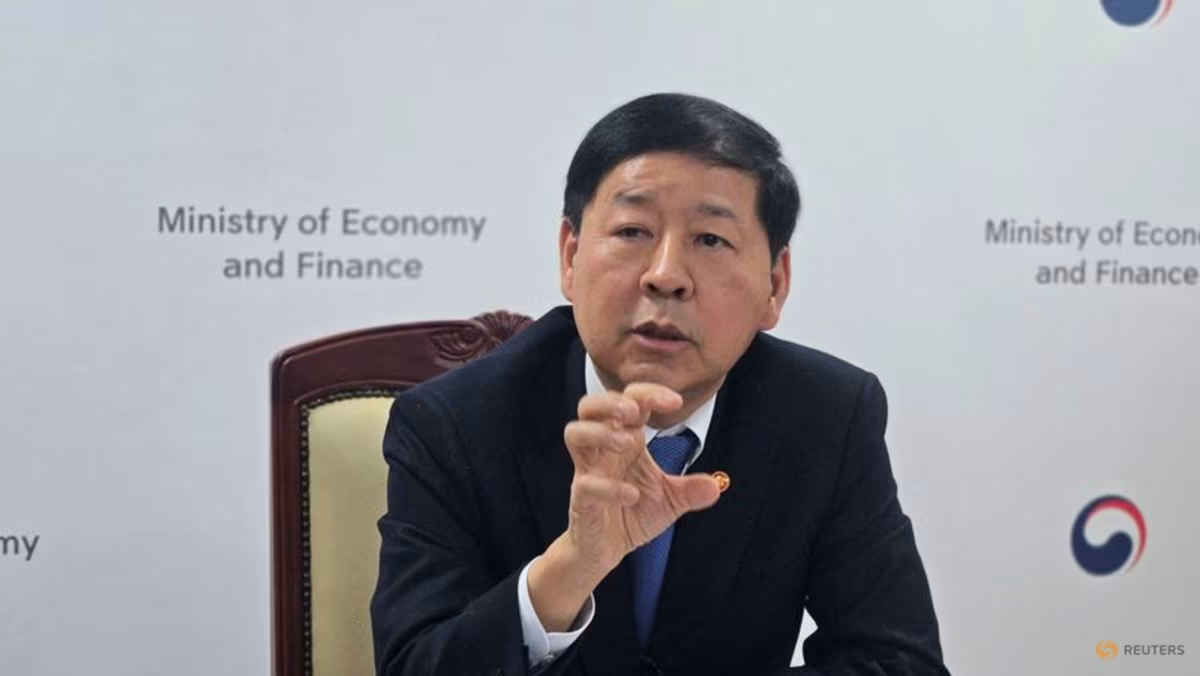
South Korea quietly rewrote a meaningful chunk of its foreign exchange rulebook this year, and the changes took effect on July 4, 2023. The Ministry of Economy and Finance had telegraphed the move back in February, but the cabinet sign-off on June 27 made it official.
The headline number: the evidentiary threshold for overseas remittances doubled, moving from $50,000 to $100,000 per year. That means Korean residents and businesses wiring money abroad now face documentation requirements only when their annual transfers cross the higher bar.
What actually changed, and why it matters
The reporting threshold for large-scale foreign currency borrowing also moved, rising from $30 million to $50 million annually. Korean companies taking on significant foreign-currency debt now have a wider window before they are required to file reports with regulators.
Foreign direct investments got a structural simplification too. Many transactions that previously required real-time or transaction-by-transaction reporting can now use an annual ex-post reporting method.