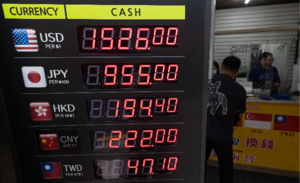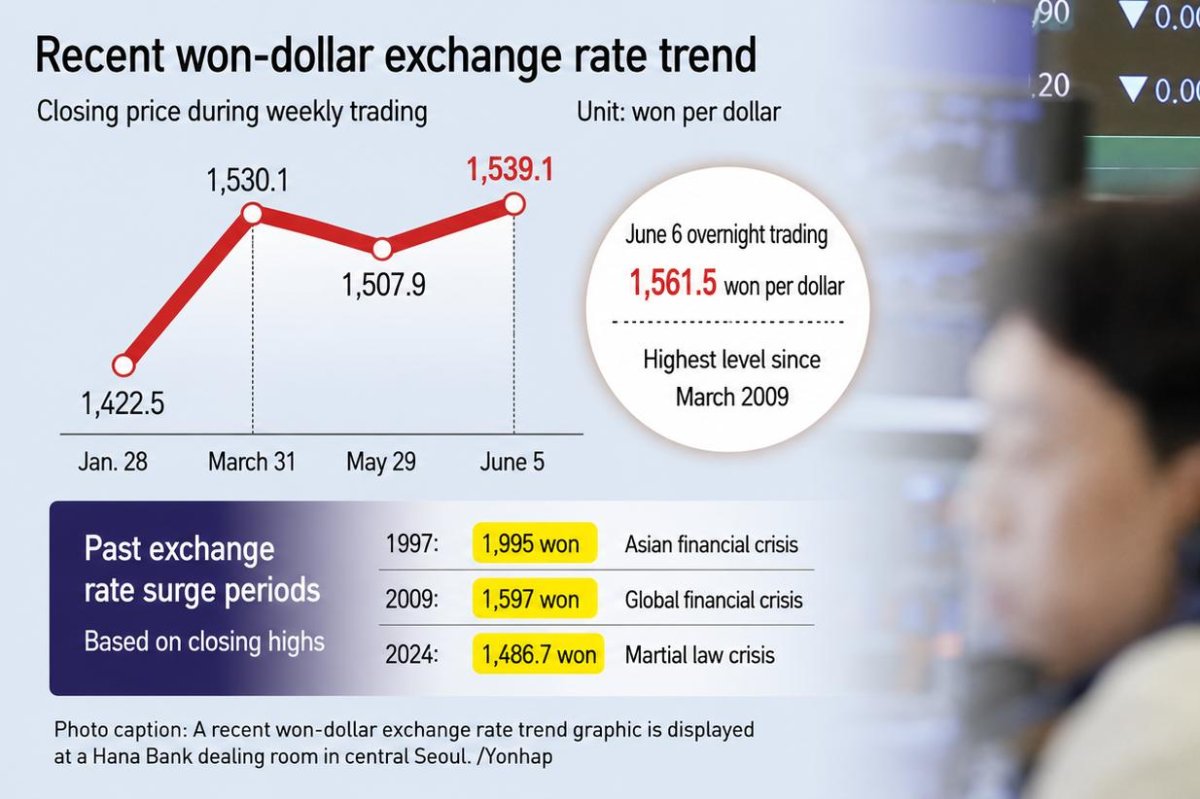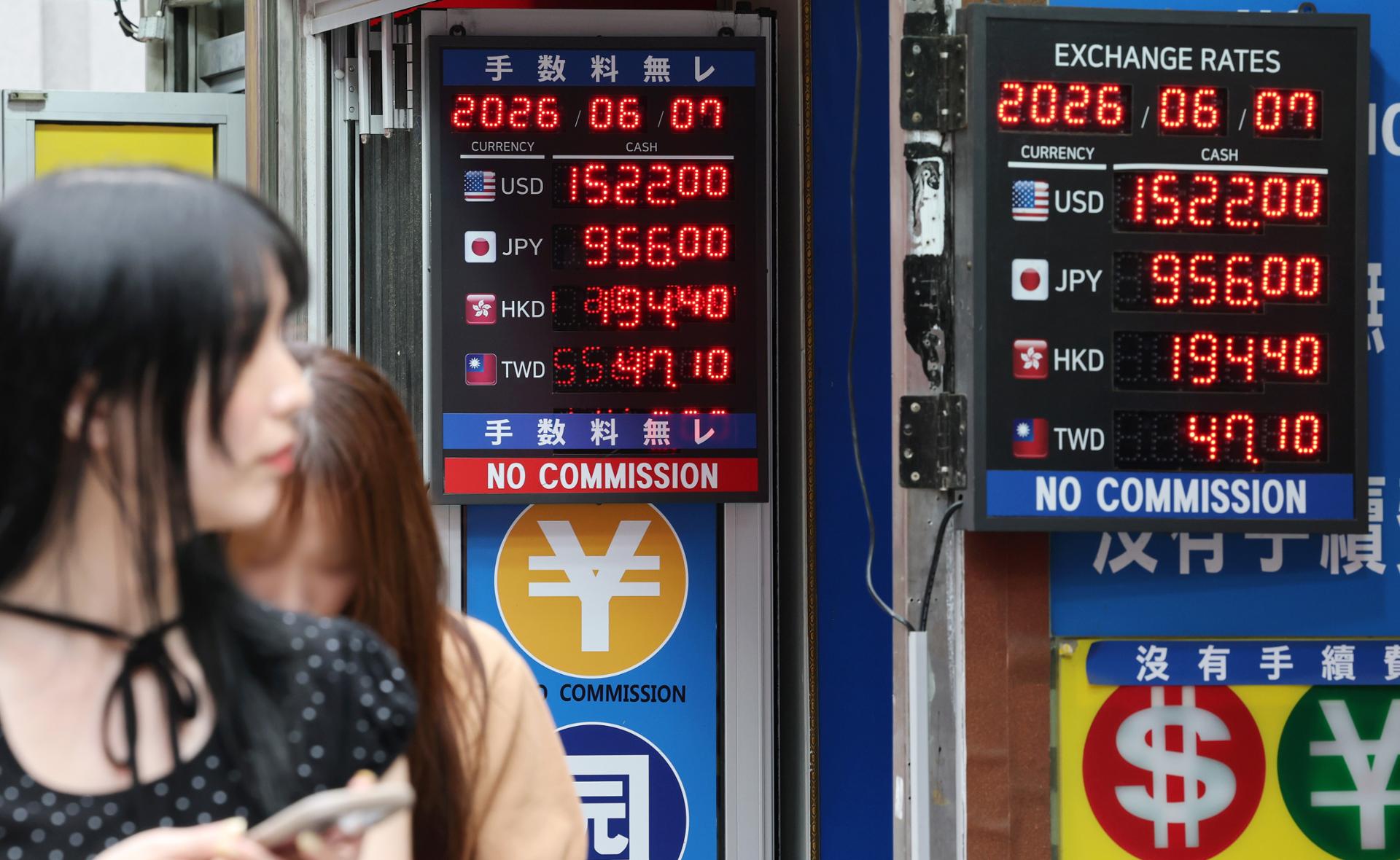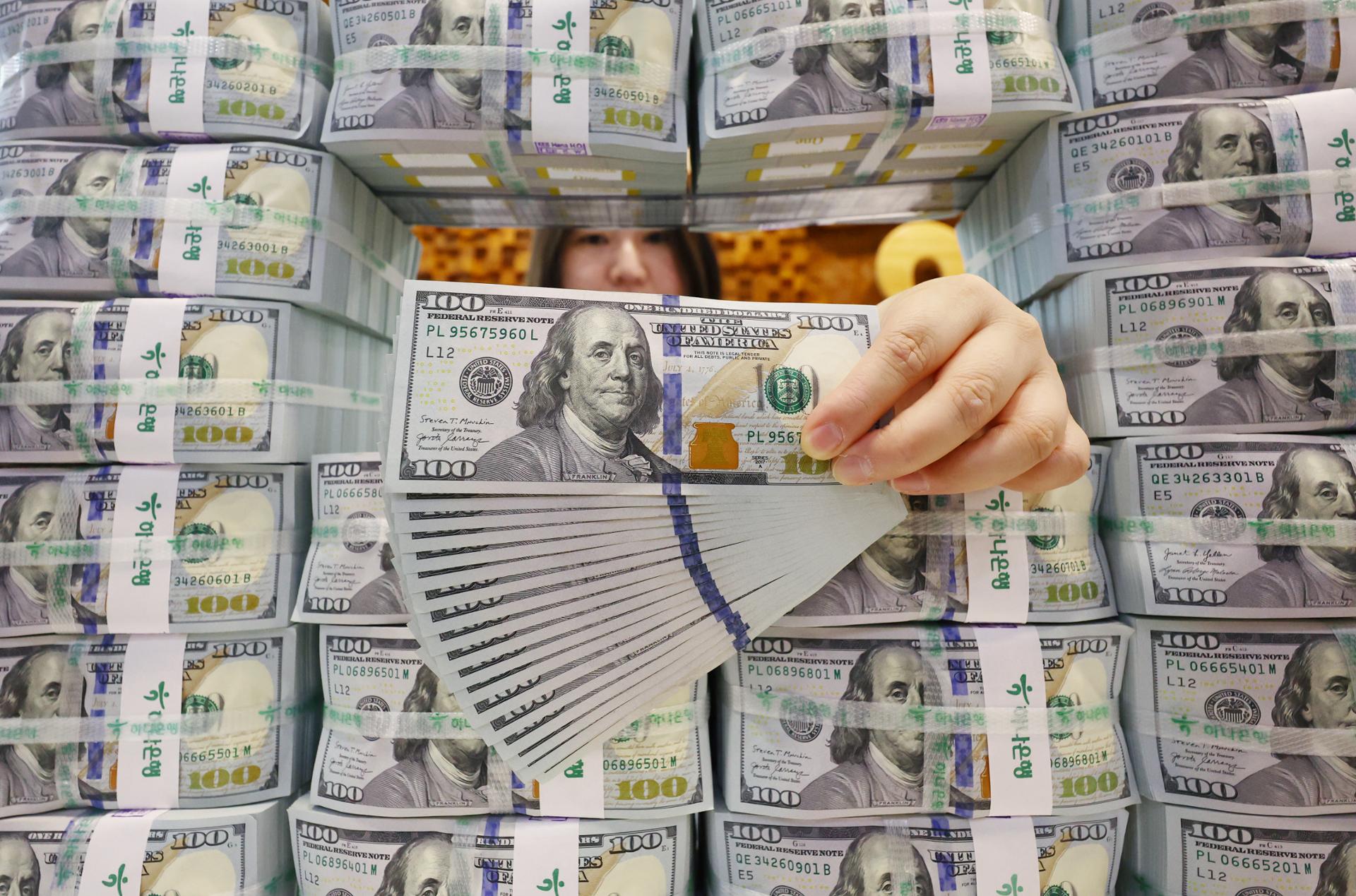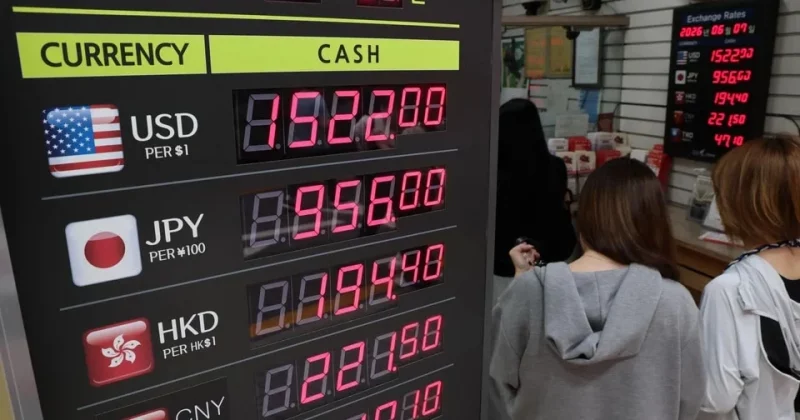
South Korea’s finance ministry rolled out a suite of measures on June 7, 2026, aimed at halting the won’s freefall and cracking down on speculative trading that authorities say has been amplifying the currency’s volatility. The won had dropped more than 7.5% year-to-date before the announcement, briefly touching roughly 1,562 per US dollar, a level not seen since March 2009.
What Seoul is actually doing
Finance Minister Koo Yun-cheol led an emergency meeting with the Bank of Korea and financial regulators that produced a concrete set of enforcement actions. The central focus: tighter oversight of offshore currency derivatives, the instruments that allow traders to bet on (or against) the won from outside the country’s borders.
Beyond derivatives oversight, the measures include targeted inspections to identify market misconduct and investigations into illegal foreign-exchange transactions by importers and exporters.
The ministry said it would take a “strict approach” to curb excessive volatility and prevent one-sided market movements. Previous rounds of verbal intervention, where officials publicly warned speculators to back off, failed to meaningfully stabilize the won. This time, the shift from rhetoric to regulatory enforcement represents a meaningful escalation.