The 2026 FIFA World Cup has done something no tournament has managed in over five decades: it has become the most goal-rich World Cup since 1970, averaging more than 2.9 goals per match across its first 100 games. That number, 292 goals in 100 matches, lands the tournament in historically rare company.
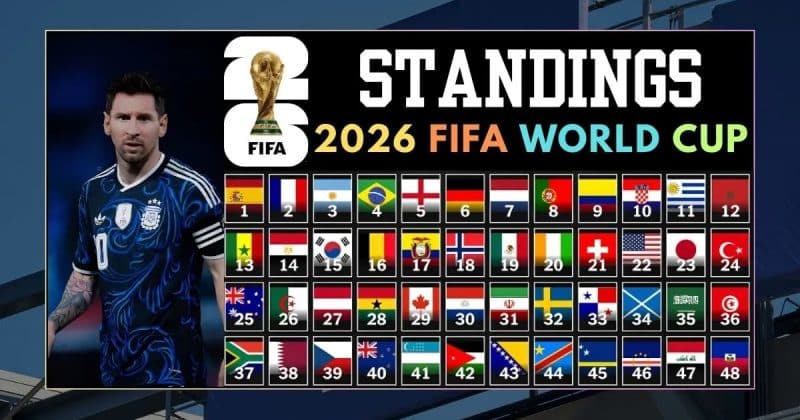
The single biggest structural change this cycle is the expanded 48-team format, up from the 32-team field that ran from 1998 through 2022. More teams means more matches, and crucially, more mismatches in the group stage, where stronger sides tend to run up scores against lower-ranked opponents.
The tri-nation hosting setup across Canada, Mexico, and the United States has also contributed. Multiple time zones and venues have reduced fixture congestion for individual squads, potentially keeping players fresher for attacking football rather than damage-limitation defending.
Kraken became FIFA’s Official Crypto Exchange Supporter on June 9, 2026, marking the first time a crypto exchange has held an official partnership designation with the World Cup.
FIFA has also launched a dedicated blockchain network built on Avalanche, a meaningful upgrade from the Algorand-powered NFT program it ran at the 2022 Qatar tournament. The Avalanche chain is being used to issue what FIFA calls Right-to-Buy tokens, with over 100,000 already distributed to fans. Holding one of these tokens gives a fan the ability to purchase tickets through the blockchain rather than through traditional channels.