Francis Fukuyama’s 1990s end-of-history thesis was the last big narrative that united the liberal-democratic West. Western liberal-democratic welfare-state capitalism, he argued, was the best possible social system. The only remaining question was empirical: Precisely when and how would other parts of the world arrive at the same model?This narrative disintegrated after 2001, and we gradually entered the era of brutal pragmatism. The only consistent narrative was provided by Trumpian and European racist nationalists: The developed Christian West is an historical exception, a wealthy, freedom-loving civilization whose survival is under permanent threat from immigrants, “cultural Marxists”, LGBT+ partisans and self-blaming Europeans.
Of course, the “woke” narrative that nationalists reject is even narrower in its appeal than their own. It focuses on a single racist/sexist enemy and doesn’t even try to mobilize the majority, because it is concerned with elevating select groups, like trans people, to the exemplary status of the oppressed. Since most people are not trans, this narrative offers the majority only guilt, rather than a broadly appealing positive vision.
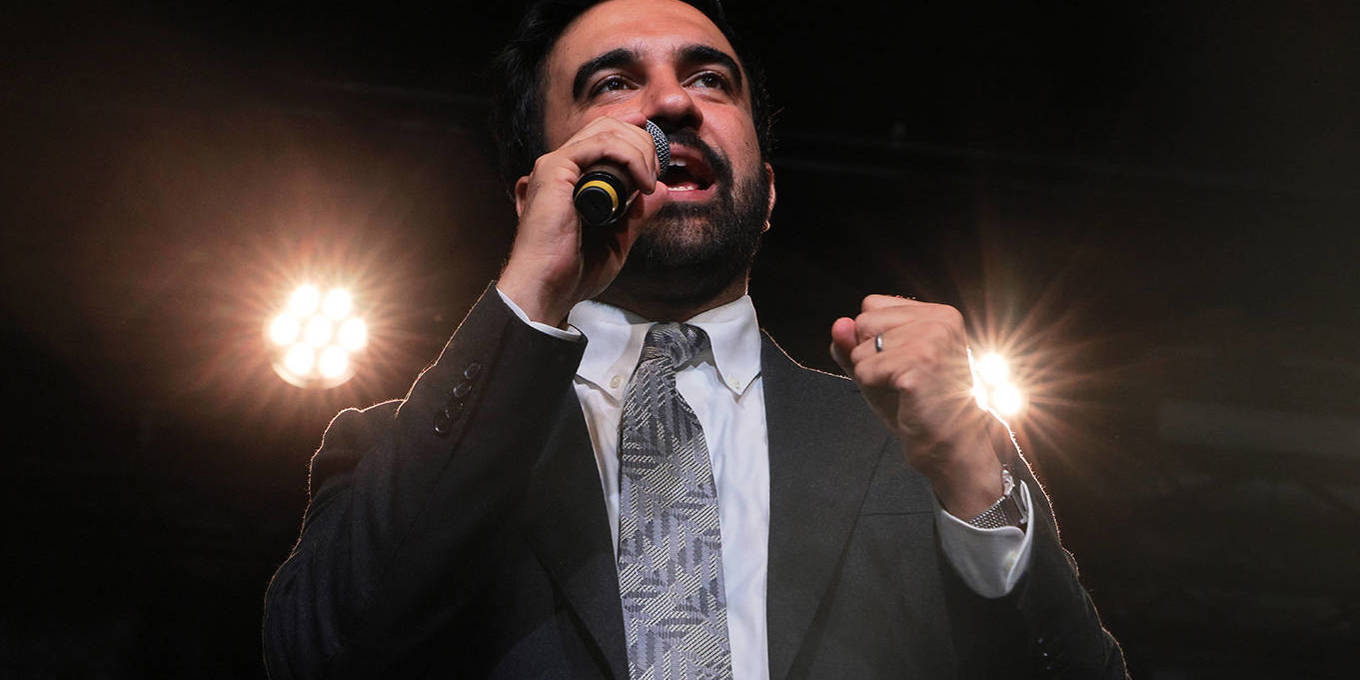
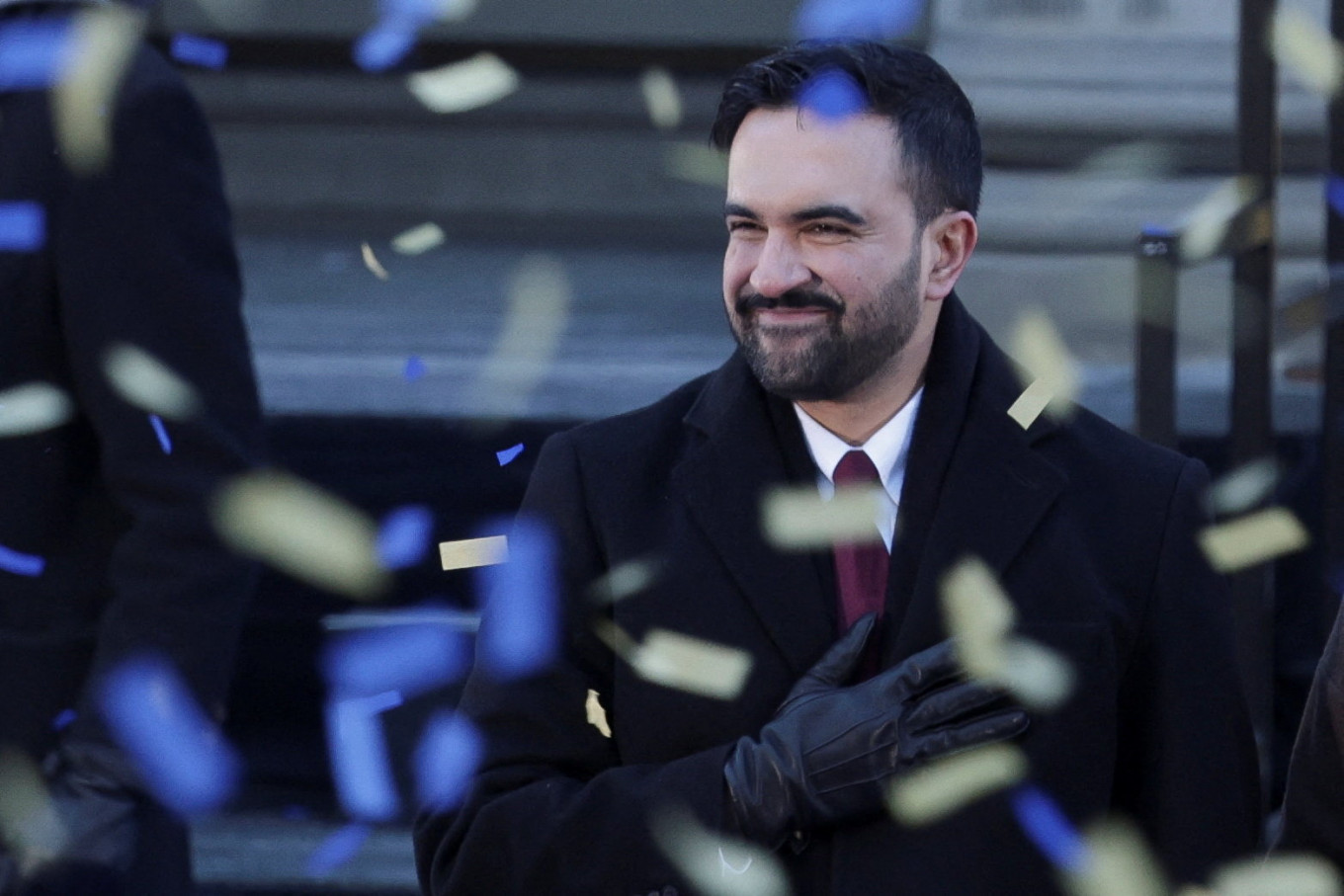
But something new has emerged with the rise of so-called democratic socialists in the United States. In an address marking the 250th anniversary of the Declaration of Independence, one of their leading exponents, New York City Mayor Zohran Mamdani, offered a radically different narrative about what the US is and could be. Mamdani won his office not by promoting academic woke purism but by focusing on local issues and the underprivileged, with calls for free childcare and buses, rent control and accessible health services. And in his July 4 address, he translated his politics into a global vision: