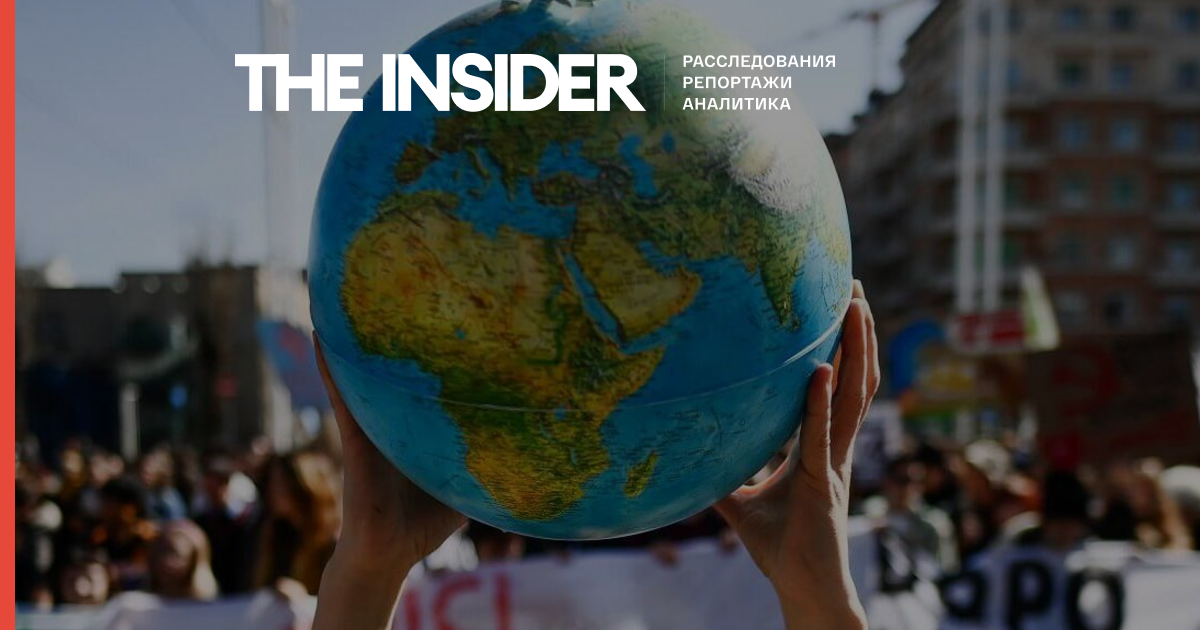
The world order that humanity spent 80 years building has been broken. What we are witnessing today is not merely a crisis of individual institutions, but a fundamental regression toward the logic of “might makes right” that characterized most of human history, argues Andrei Yakovlev, an economist and visiting researcher at the Free University of Berlin. In the first half of the 20th century, that logic led to two world wars, and in Yakovlev’s view, the only way to save the world from the current wave of chaos is to strengthen cooperation within a “club of good-faith actors.”Contents1.An illusion of stability: Why the “post-1945 world” is a thing of the past2.North’s theory: How the world found order3.… And how it was lost4.And then came Trump5.The economics of war6.Putin pressed the button first7.China: Not a savior, but a symptom8.Alliance of good-faith actors as a way outAn illusion of stability: Why the “post-1945 world” is a thing of the pastIf we approach history not as a sequence of random events but as a succession of institutional models, it becomes clear that the world we have lived in for the past few decades was, on the whole, something of an anomaly. We have come to regard the “rules of the game” as something fixed — a kind of natural state of civilization. Yet what we call the “global world order” is in fact the product of a brief historical moment that began after 1945.Today that order is in severe crisis, and contrary to popular belief, the problem goes beyond the reality of Donald Trump. Even if the White House were home to a president more aligned with the norms of conventional diplomacy, returning to the model of the past 80 years would no longer be possible. The world is sliding toward a state akin to global chaos, and the current American administration is merely accelerating that process.The world order, with its established rules, is sliding toward global chaos, and the Trump administration is accelerating that process
After chaos: The world is running out of time to escape the “might makes right” trap
The world order that humanity spent 80 years building has been broken. What we are witnessing today is not merely a crisis of individual institutions, but a…
3,734 words~17 min read