India’s nuclear-powered ballistic missile submarine (SSBN) program has come a long way since the commissioning of INS Arihant in 2016. This brings a few key questions into the spotlight: Will India pursue continuous at-sea deterrence (CASD) or follow the Russian-originated bastion strategy? Who will maintain control over these submarines: the Indian Navy or the Strategic Forces Command (SFC)? And how does the growth of India’s SSBN count affect the deterrence equation vis-à-vis Pakistan?
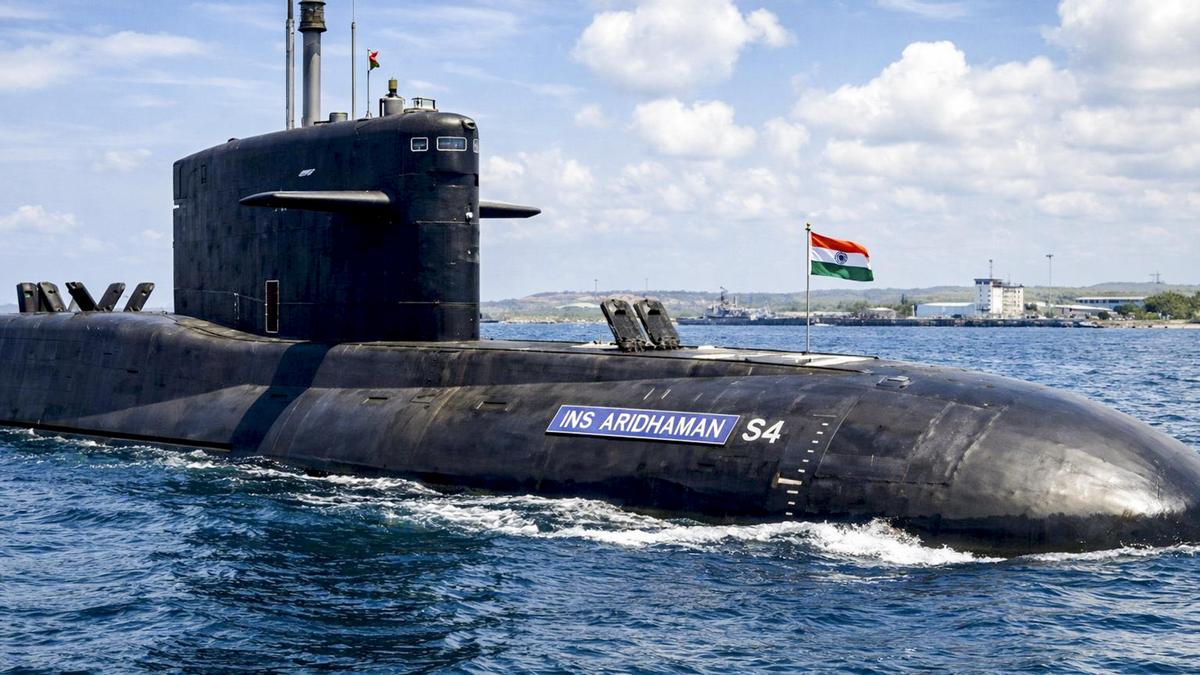
Currently, India has three operational SSBNs – INS Arihant, Arighaat, and Aridhaman – with a fourth, INS Arisudan, set to join the fleet in 2027. After completing four Arihant-class boats, India will move on to the next phase of its SSBN program, building the S5-class submarines. These developments raise an important question: which strategy would India adopt for its SSBN force in the immediate future?
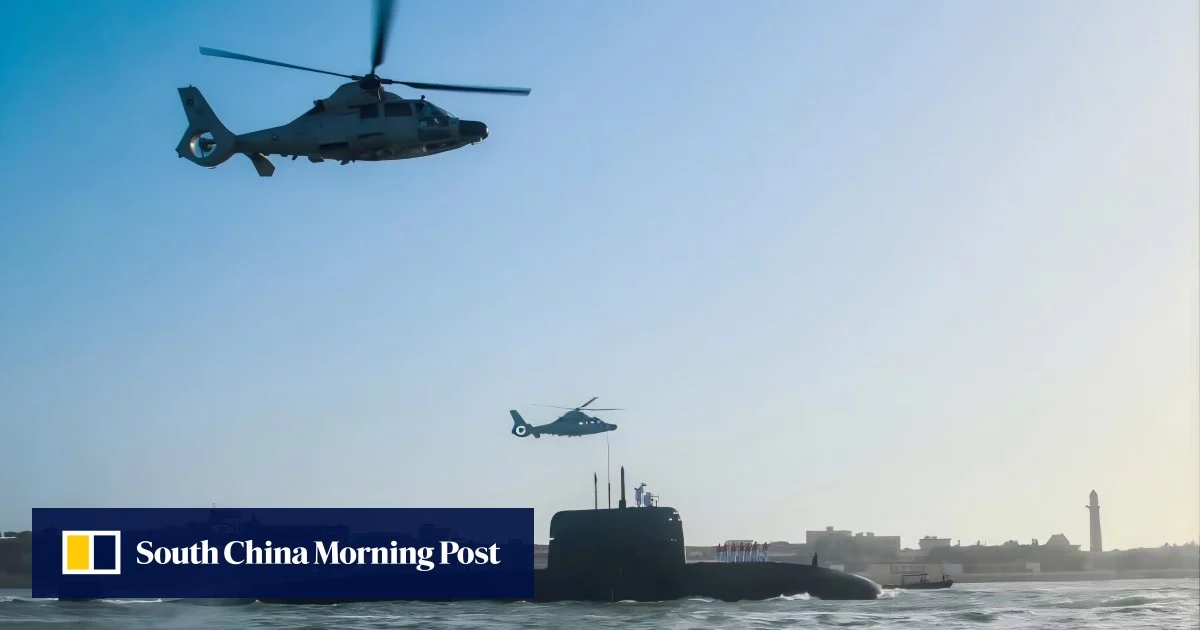
The bastion concept, pioneered by the Soviet Navy, advocates deploying the SSBN fleet within a heavily defended maritime zone near one’s shores, rather than dispersing SSBNs widely across the open ocean. The maritime zone is protected by surface and subsurface vessels, as well as both fixed and rotary anti-submarine warfare (ASW) platforms, making it extremely challenging for the adversary to sink them.