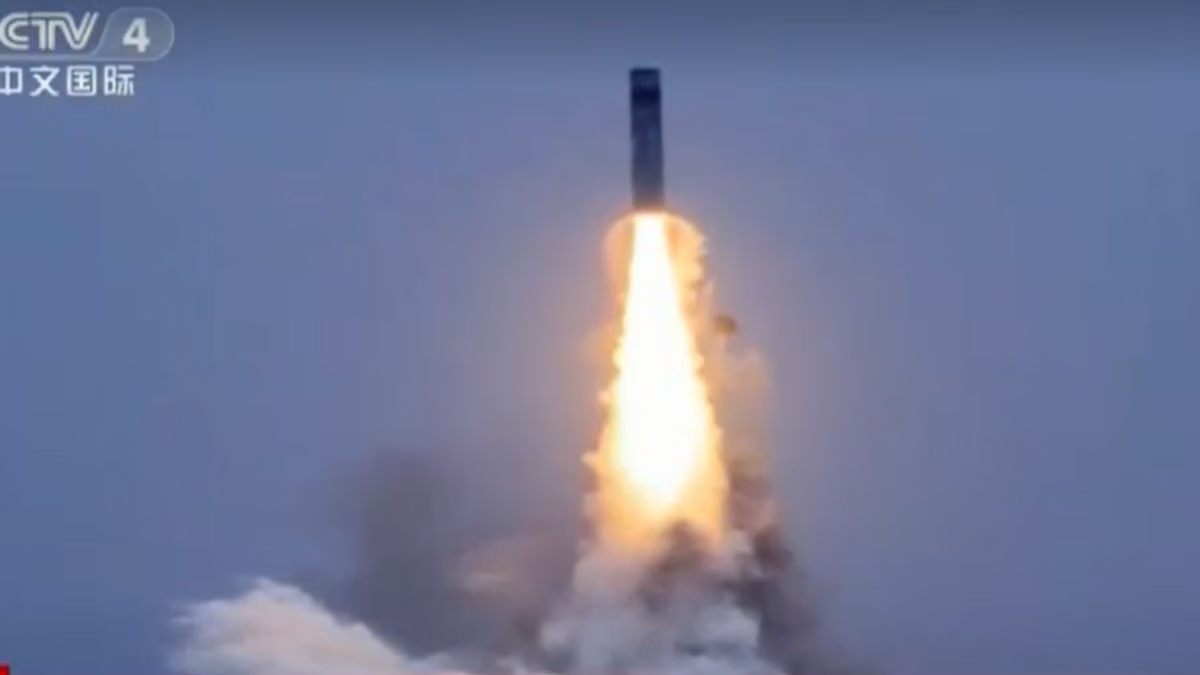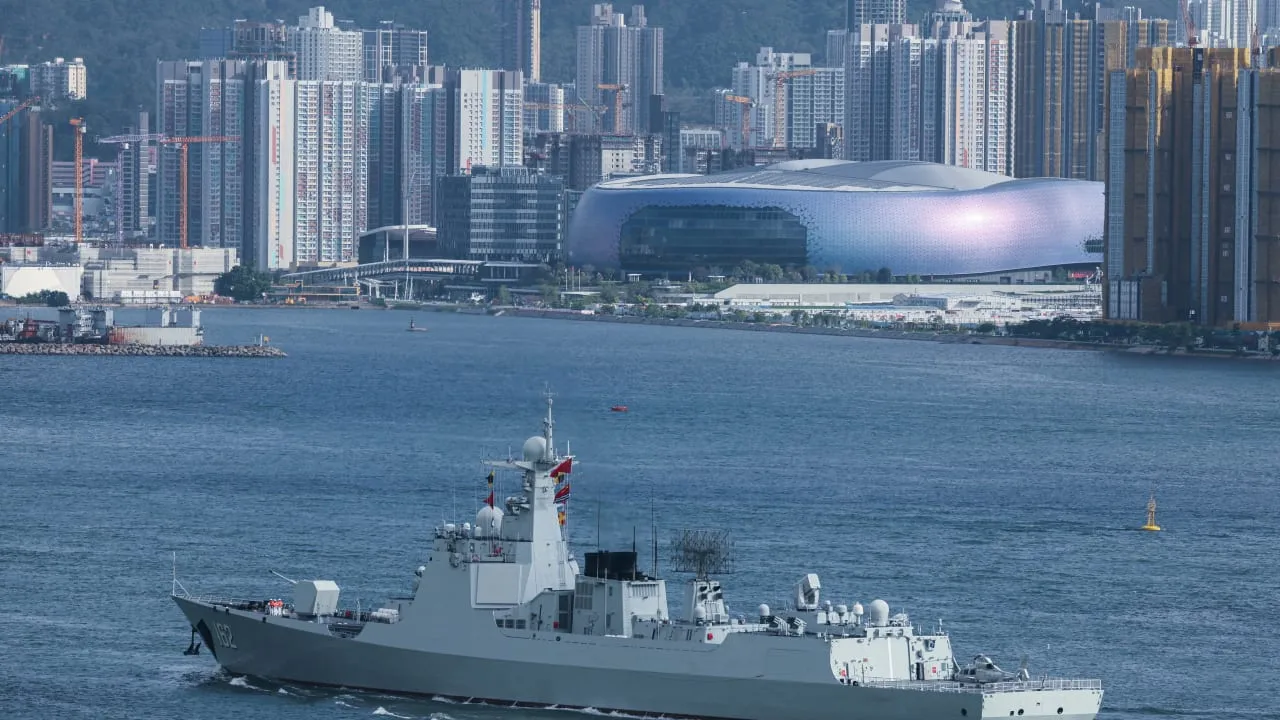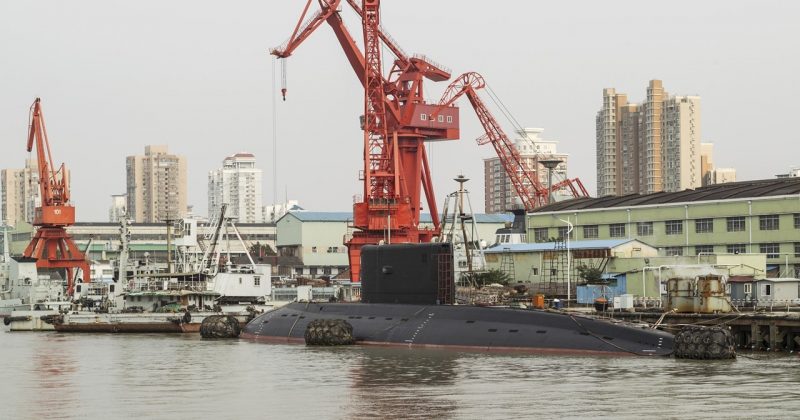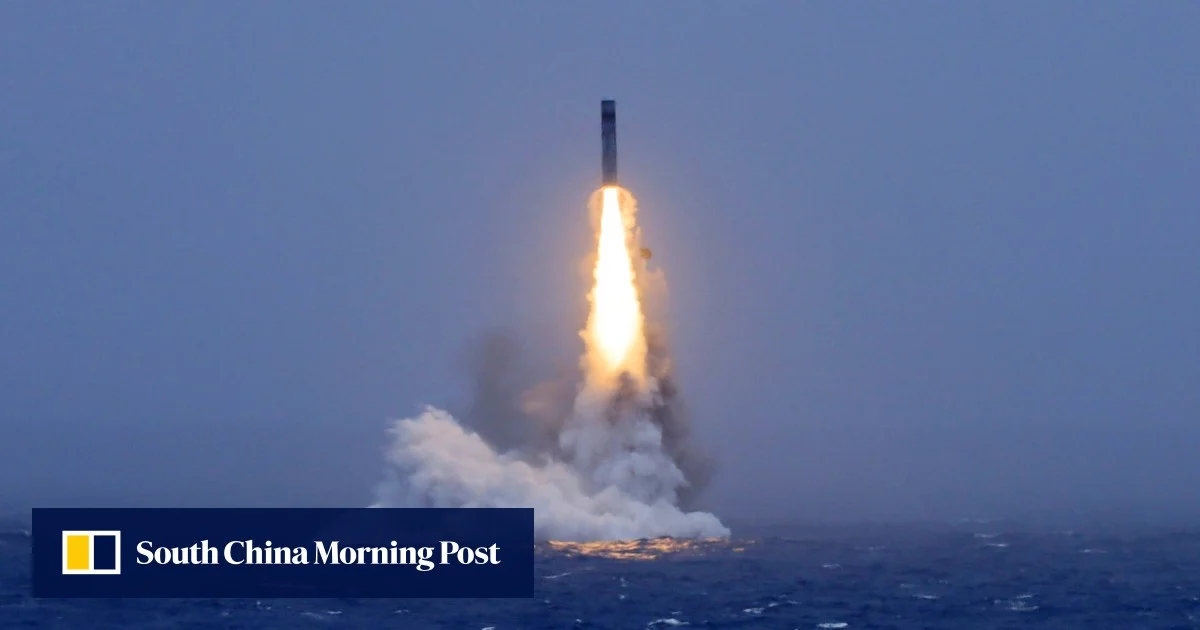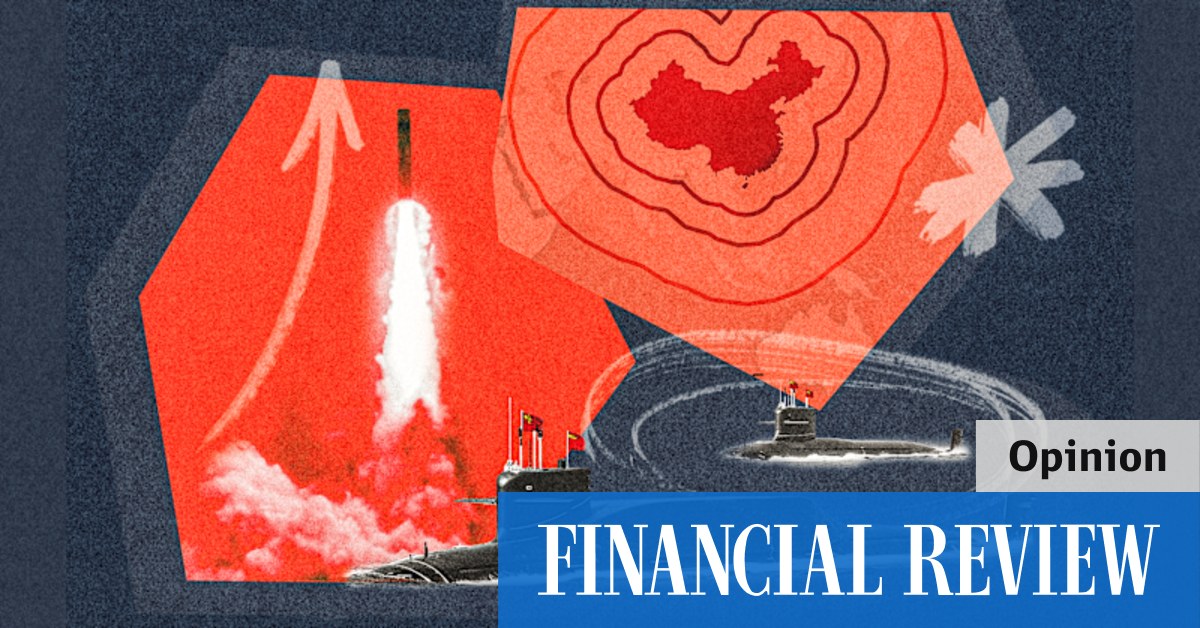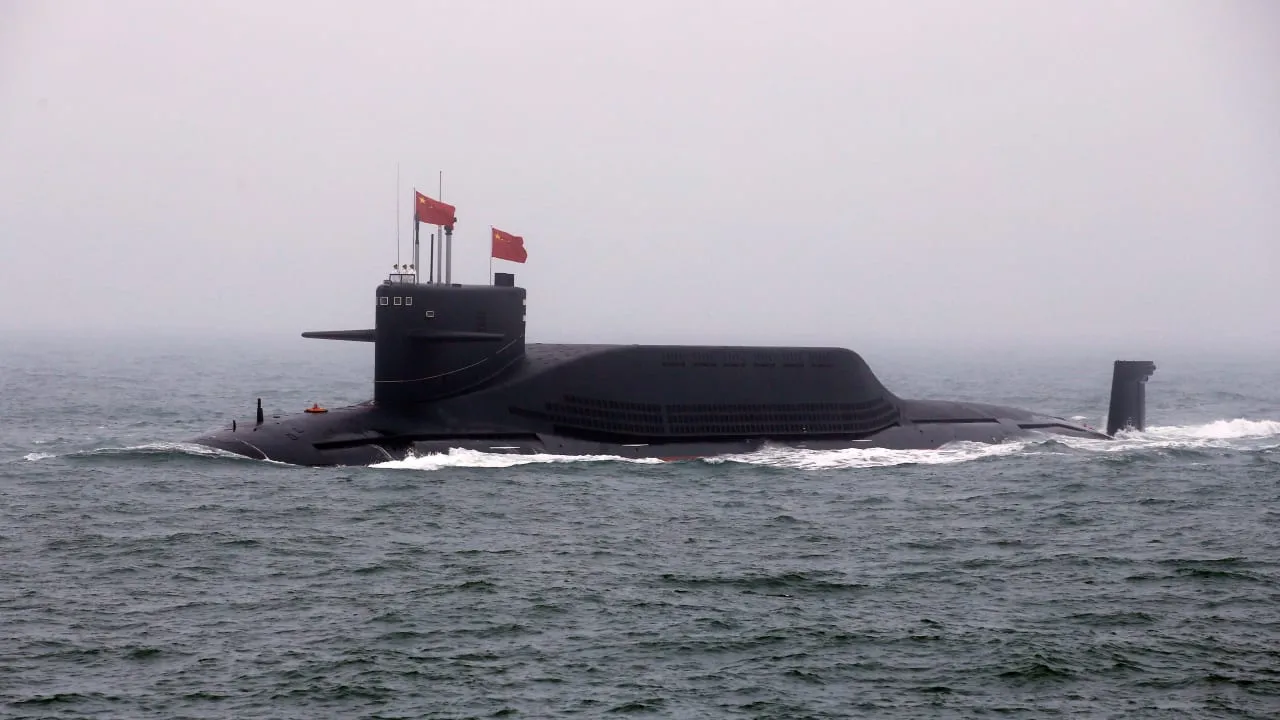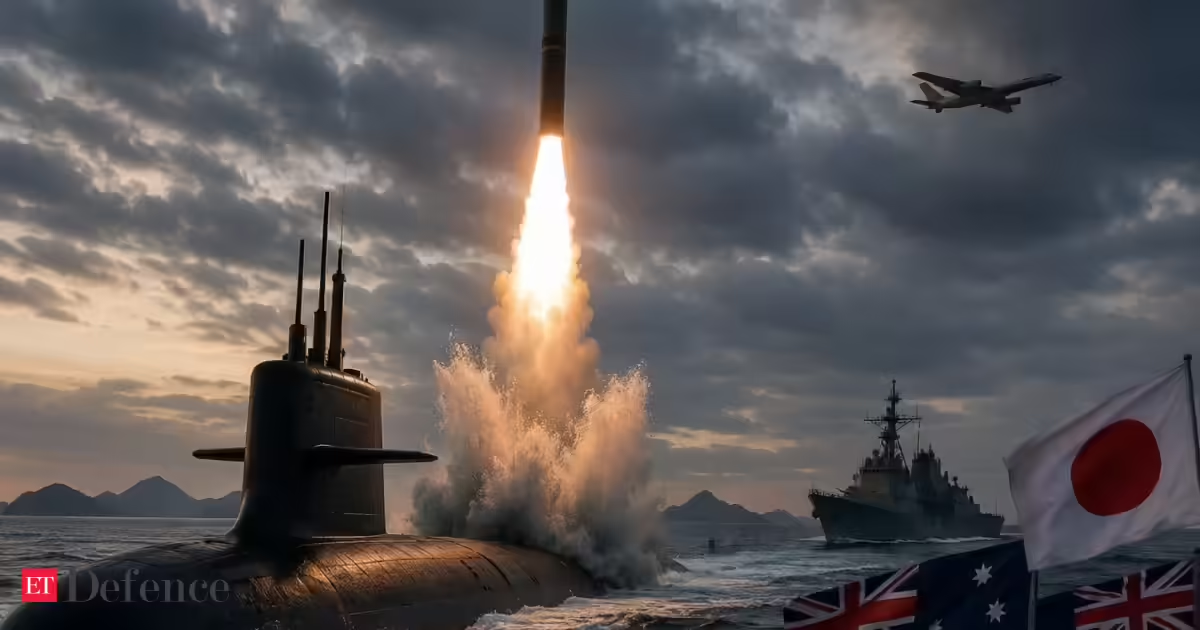
On July 6, China’s navy test-launched a long-range ballistic missile with a dummy warhead from a nuclear-powered submarine. It was the second time China had fired a ballistic missile into international waters in recent years, following a test in September 2024. While Beijing sent advance notices to a few countries, the action demonstrated both its increasing reach and capability as part of its nuclear deterrence strategy and willingness to assert its active militarism in the region.
However, much more than that, the timing of the act was crucial. In way, it appeared as a declaration of triumph in the Indo-Pacific for Beijing at a time when countries across the region are grappling with U.S. detachment and recalibrating strategies to protect their national interests through a combination of multilateralism, minilateralism, and bilateral understandings.
Washington’s condemnation of the test-launch as an incident of “great concern” and its reiteration of “steadfast defense commitments” to its “allies and partners” notwithstanding, U.S. disengagement from the region is no secret. Washington is less enthusiastic about the Quad and remains ambiguous about the “Indo-Pacific” nomenclature in its own strategy. Moreover, Trump’s idea of a G2, a transactional duopoly with China to manage global affairs, does not necessarily counter Beijing’s assertive foreign policy, especially in its widening arc of influence.