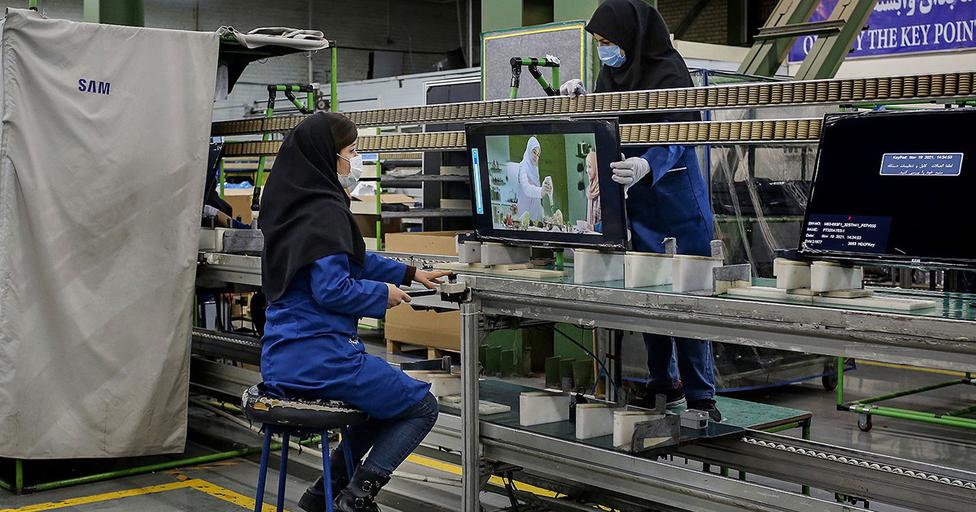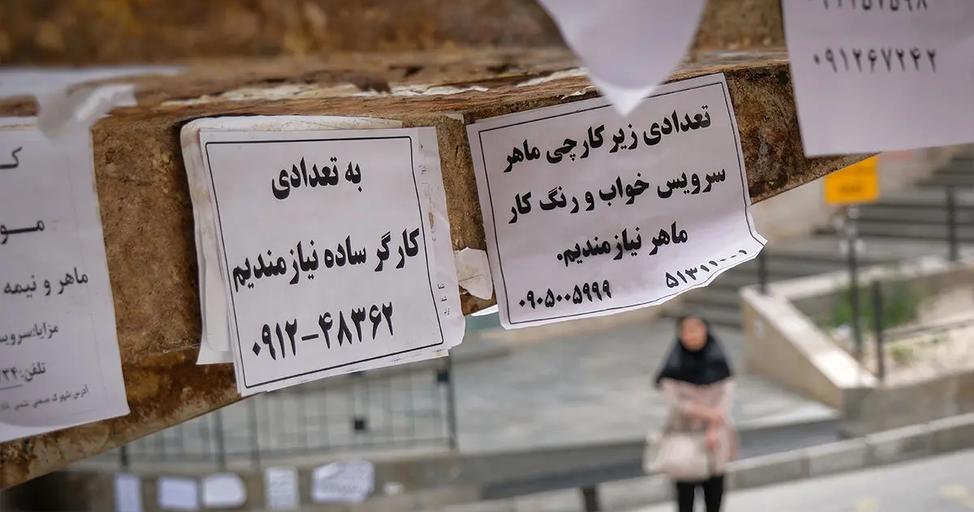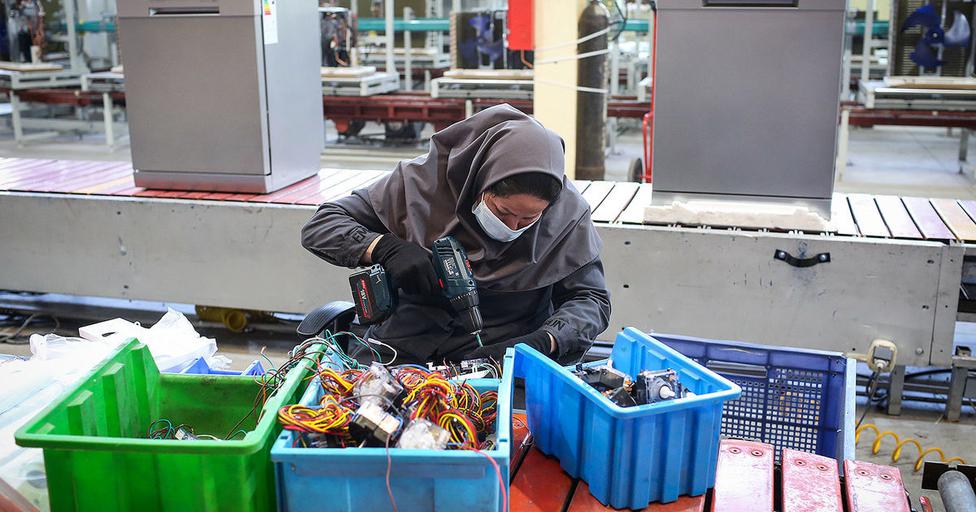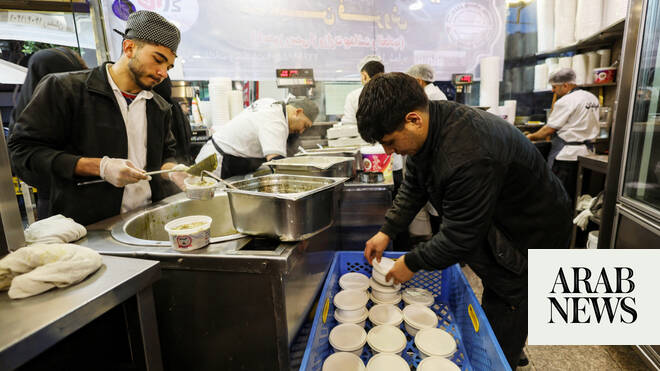
Iran’s labor market figures have sparked scrutiny as only 37% of working-age individuals are employed, despite the government’s official unemployment rate standing at 7.5%. This discrepancy highlights the broader economic challenges facing Iran, including a shrinking labor force. Significant portions of the population, particularly women, have dropped out of the labor market, further complicating the employment landscape. The situation is compounded by recent economic strains, including factory closures and a substantial decline in GDP.
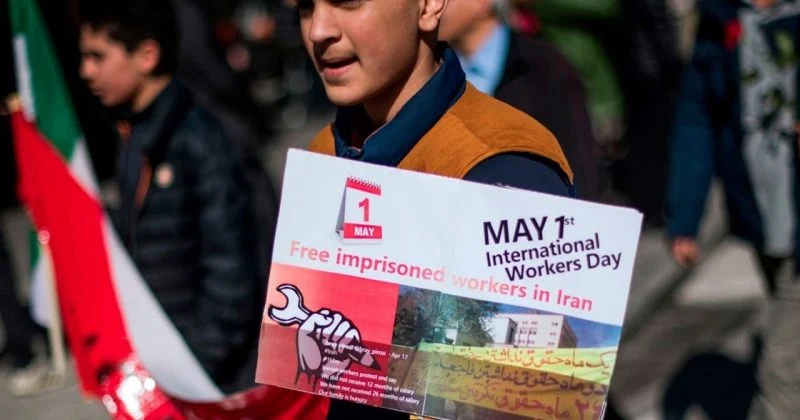
The wide gap between the official unemployment rate and actual employment figures suggests potential underlying social unrest and dissatisfaction. Markets have reacted to these developments with increased attention to political stability in Iran. This economic backdrop, alongside geopolitical tensions and economic hardships, appears consistent with scenarios that could lead to protests or political instability.
Key Takeaways
The discrepancy between Iran’s official unemployment rate and actual employment levels suggests potential social unrest, which markets interpret as an indicator of instability.
Market pricing indicates increased probabilities of significant political changes, possibly affecting President Masoud Pezeshkian’s tenure.