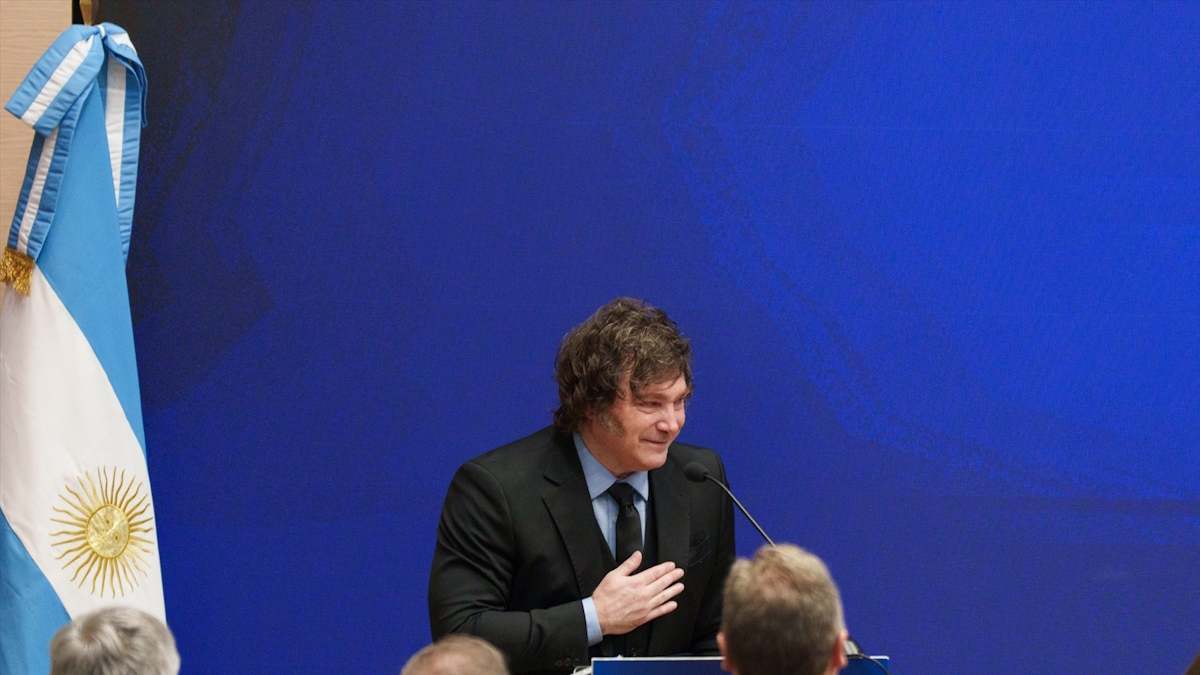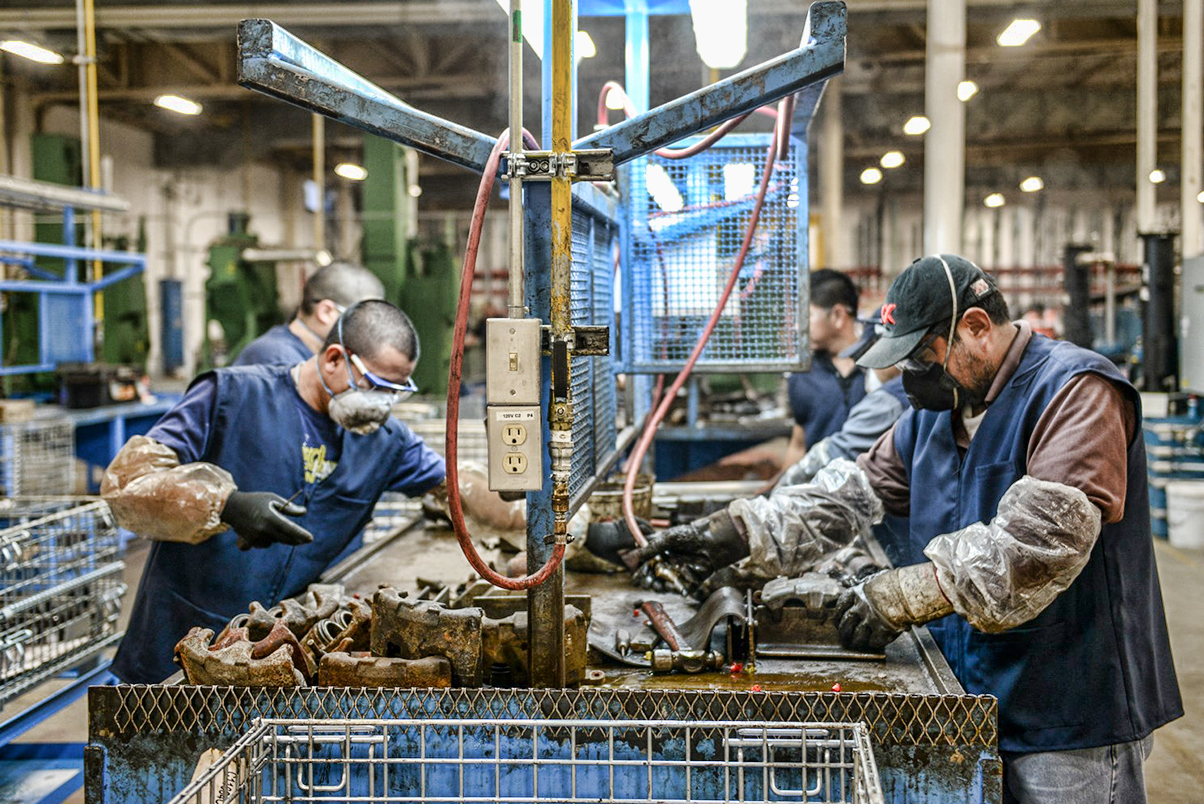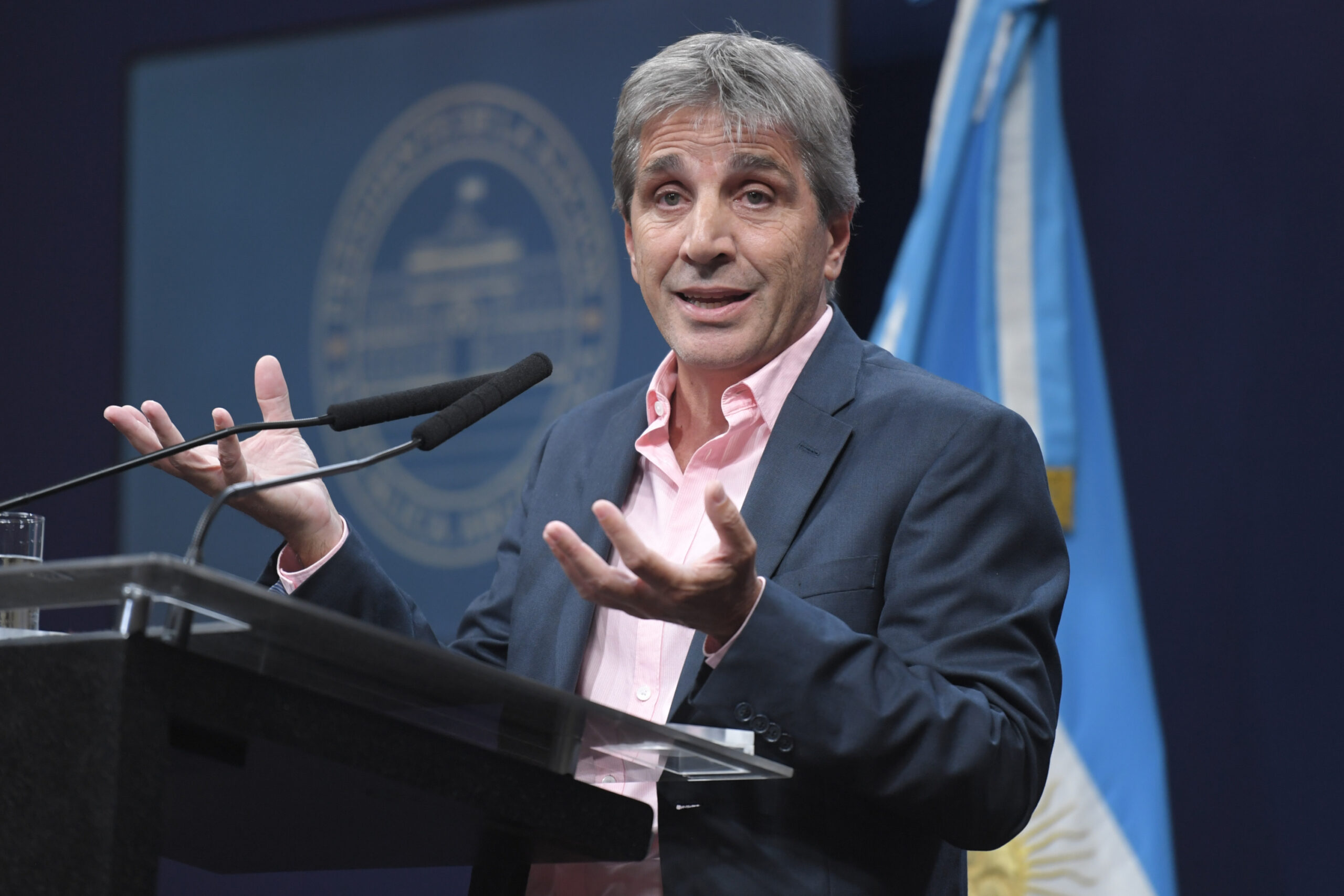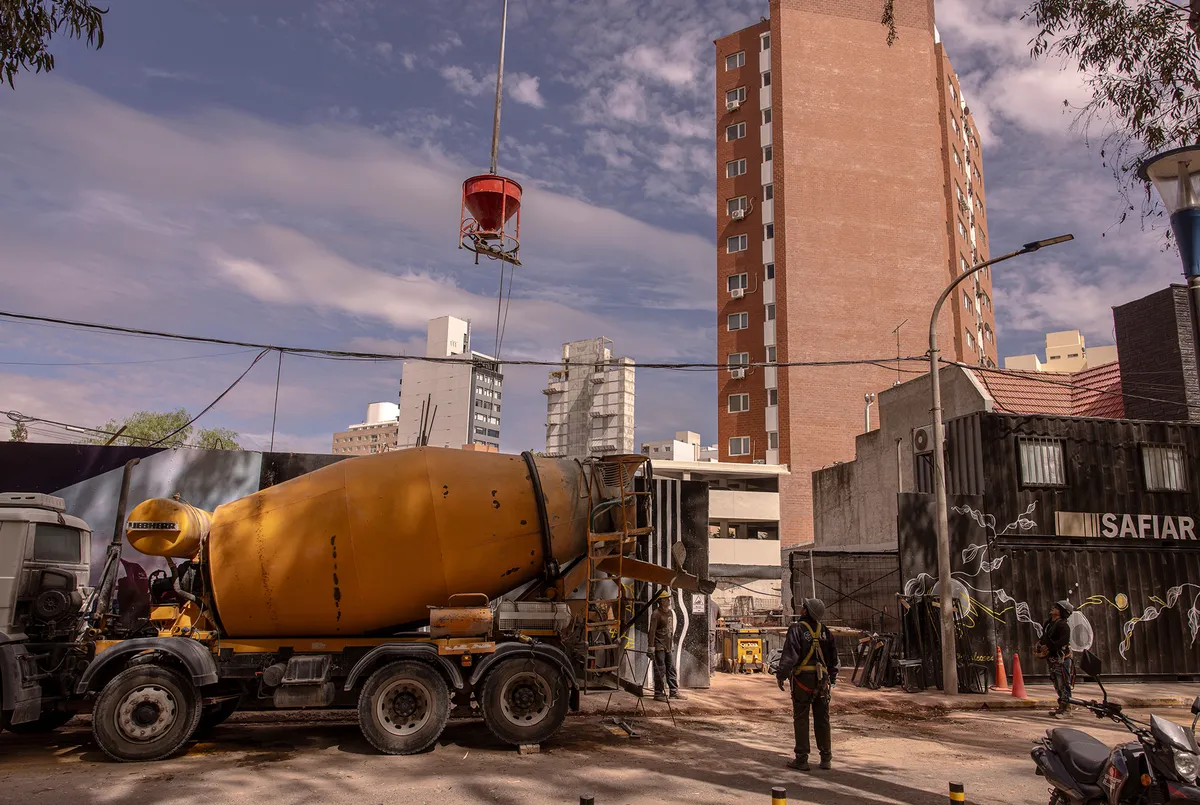
While Javier Milei’s government expects energy, mining, and agriculture to remain the main engines of the economy, it is also betting that a new expansion of credit will generate the long-awaited spillover effect and boost economic recovery.
Though it has not been stated explicitly, the economic team hopes to replicate the consumer lending boom that took off in late 2024 and continued through much of 2025, which came to a halt following the failed unwinding of the LEFI (Letras Fiscales de Liquidez, or Fiscal Liquidity Bills) instruments and heightened pre-election volatility.
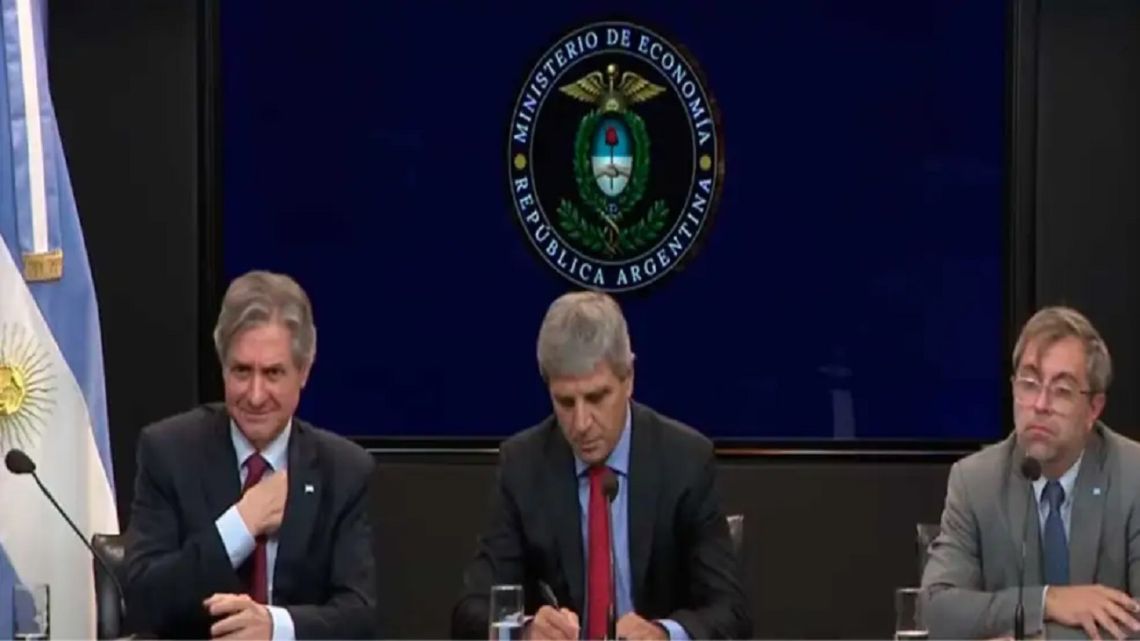
A few days ago, Deputy Economy Minister José Luis Daza said the government is working on “many alternatives” with that objective in mind.
The challenge is that high levels of loan delinquency, rising unemployment and informality, together with the lack of a full recovery in wages—which, although they have improved in recent months, remain below their level prior to Milei taking office—are working against that goal.
A recent report by consultancy firm 1816 estimated that household loan delinquency climbed to 12.7% in May. That translates into 5.8 million Argentines with overdue debt, a record high.