Commentary
Perhaps it was futile to hope a technical system could end human disputes over a sport that has always been more art than science, say three academics.
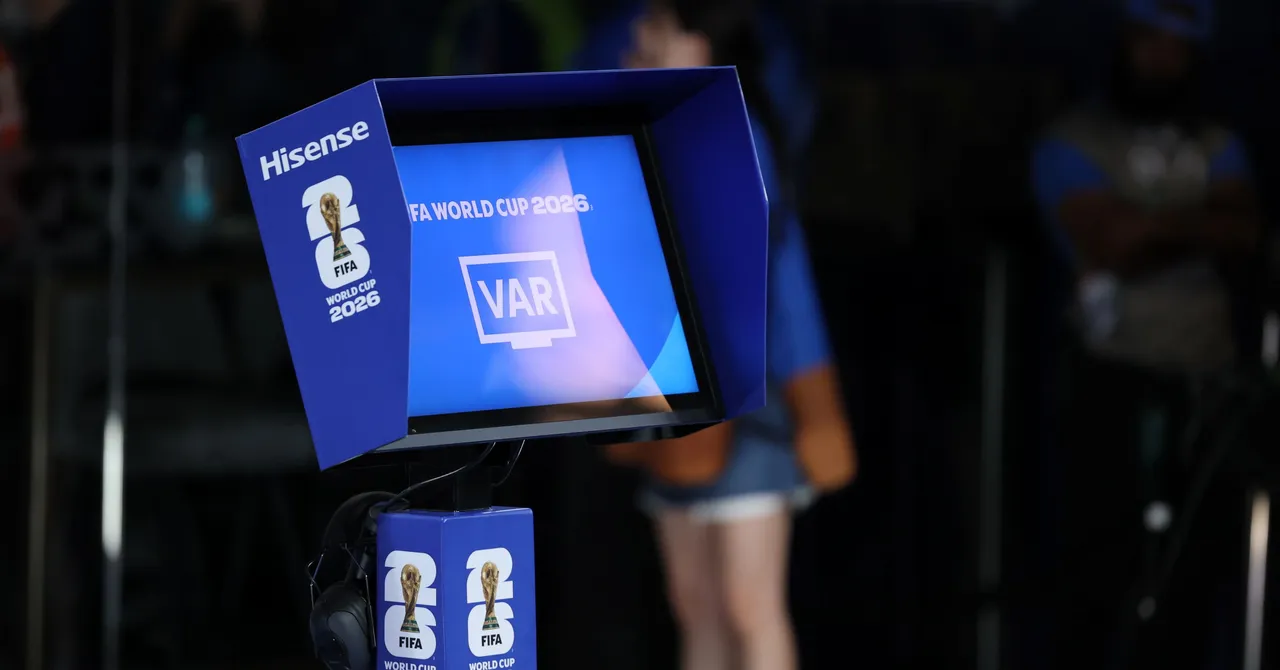
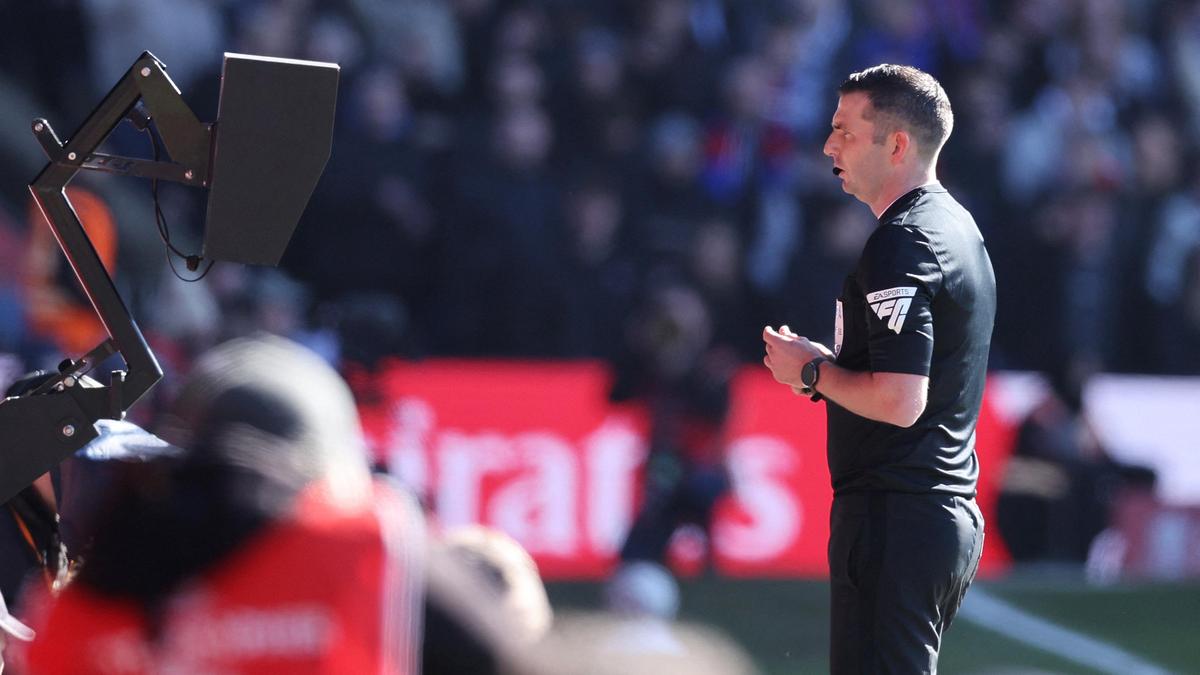
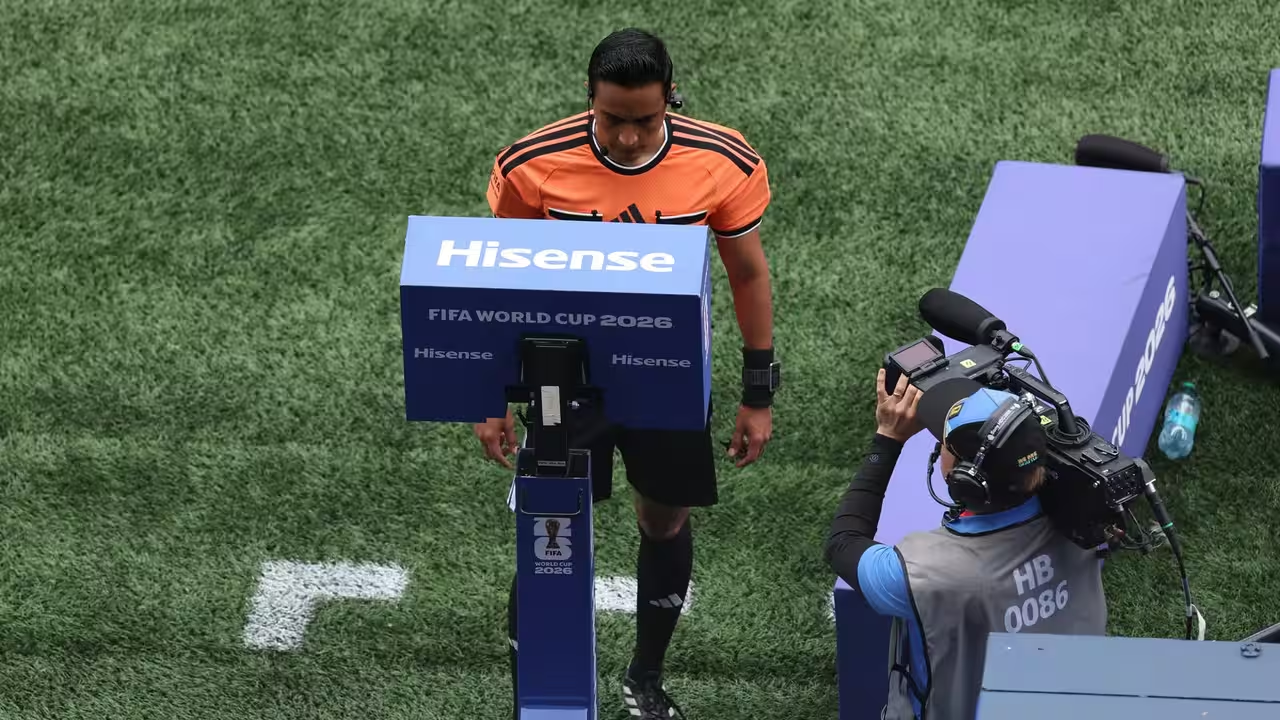
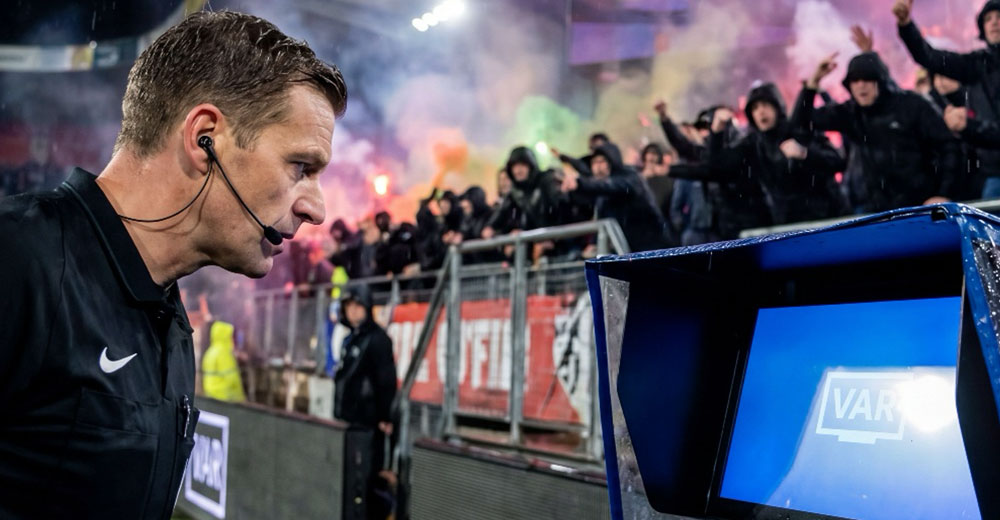
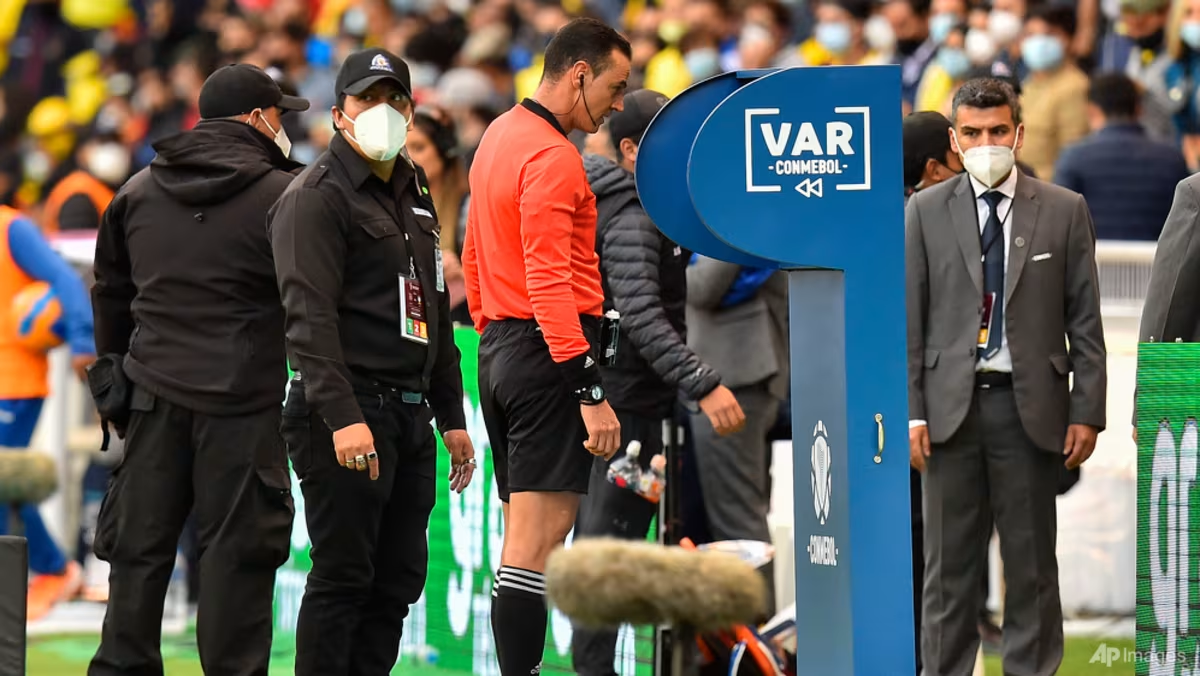
Referee Wilmar Roldan of Colombia, checks the VAR screen during a qualifying soccer match for the FIFA World Cup Qatar 2022 between Ecuador and Brazil at Casa Blanca stadium in Quito, Ecuador, Thursday, Jan. 27, 2022. (Rodrigo Buendia/Pool via AP)
14 Jul 2026 05:58AM
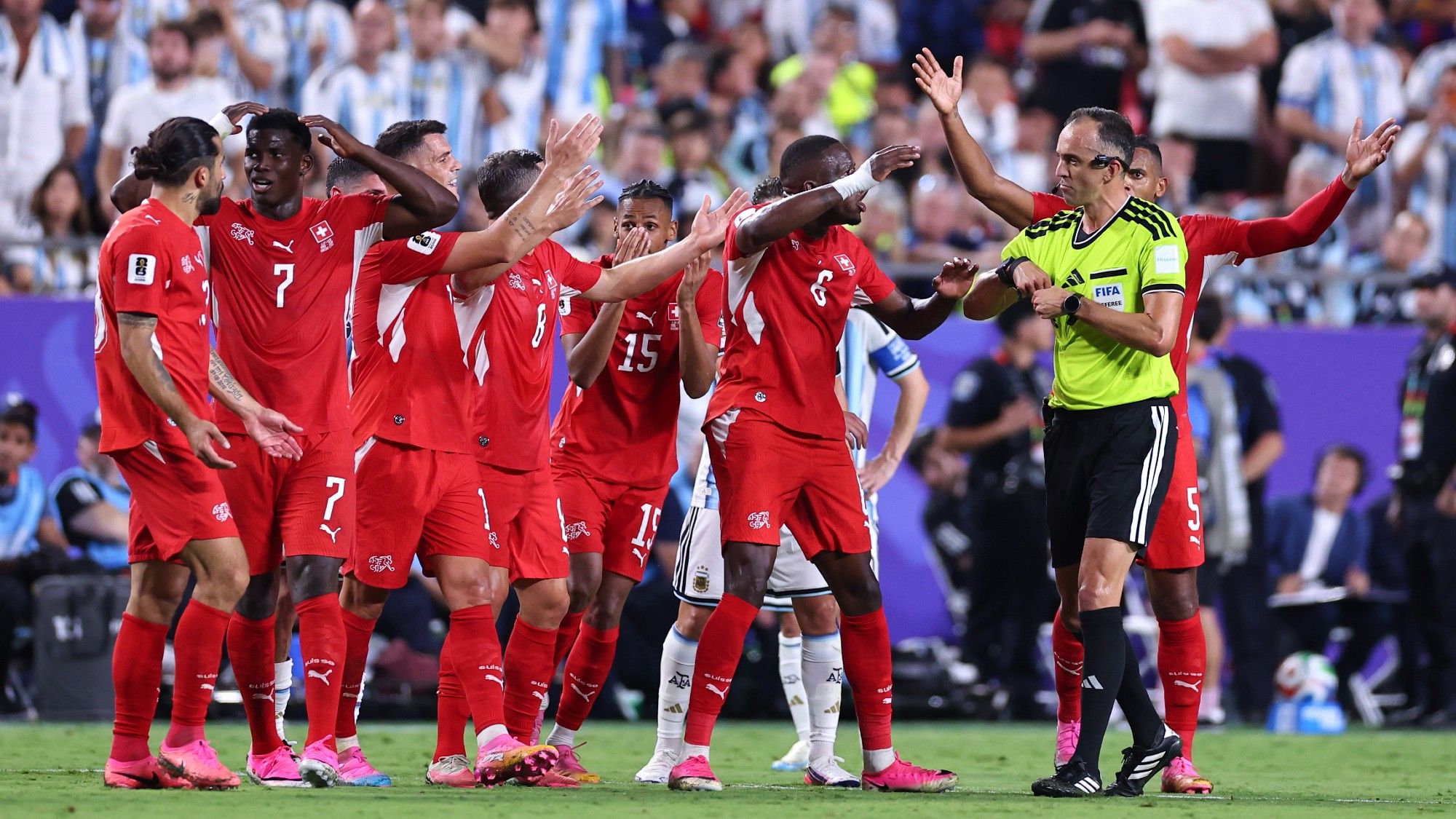
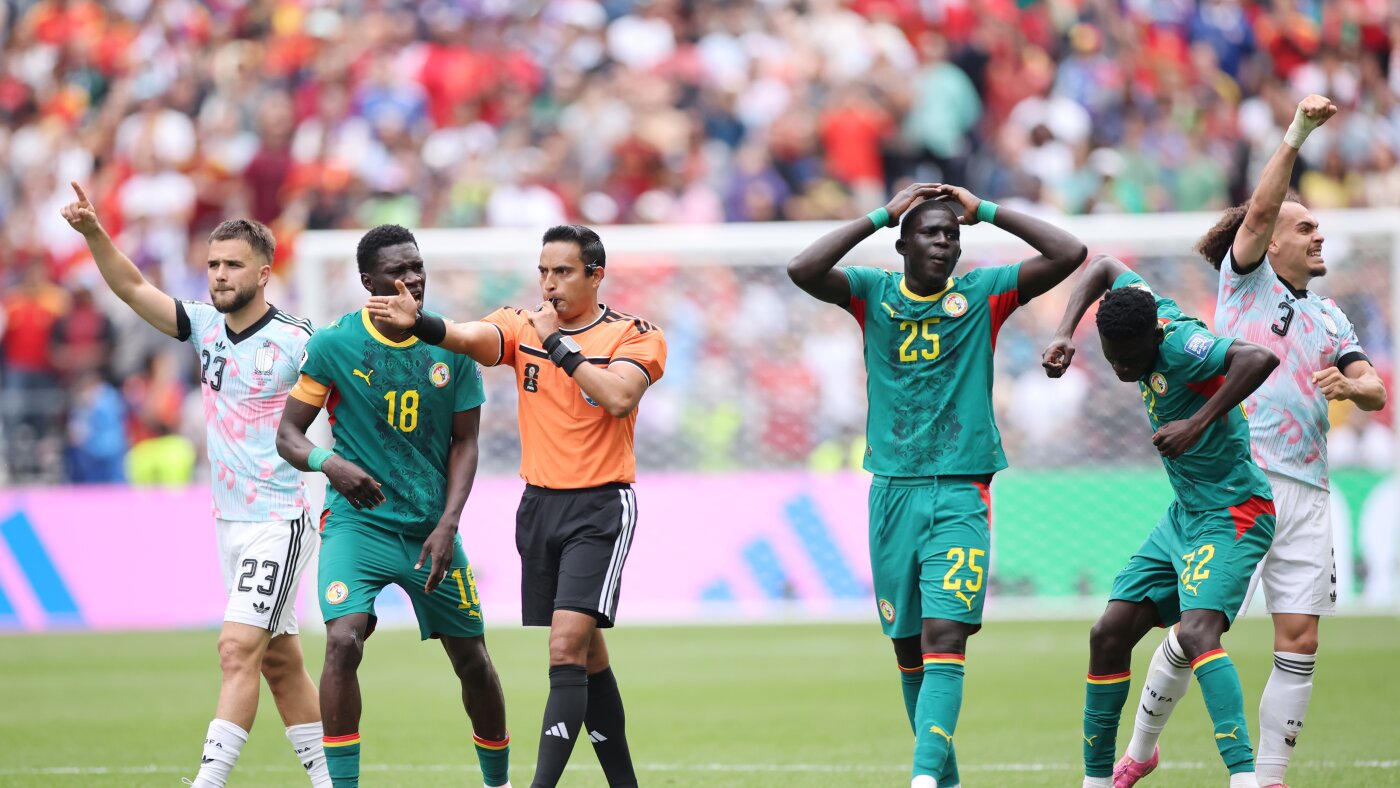
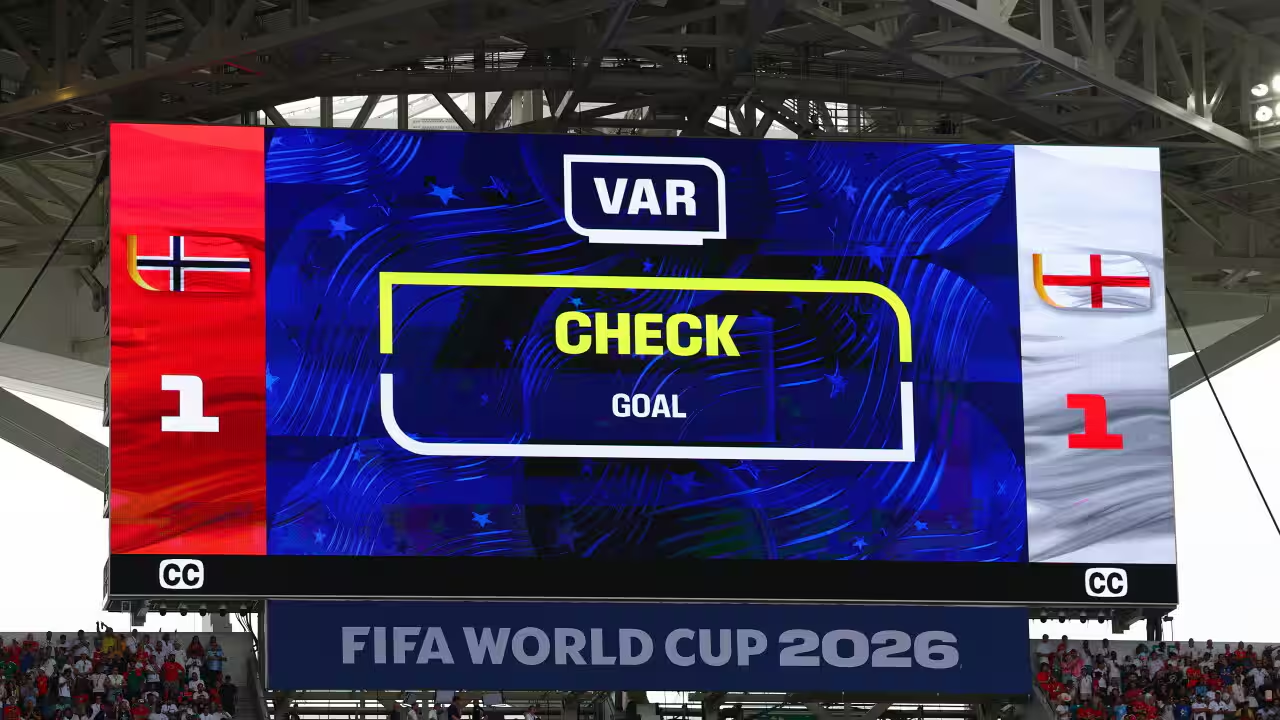
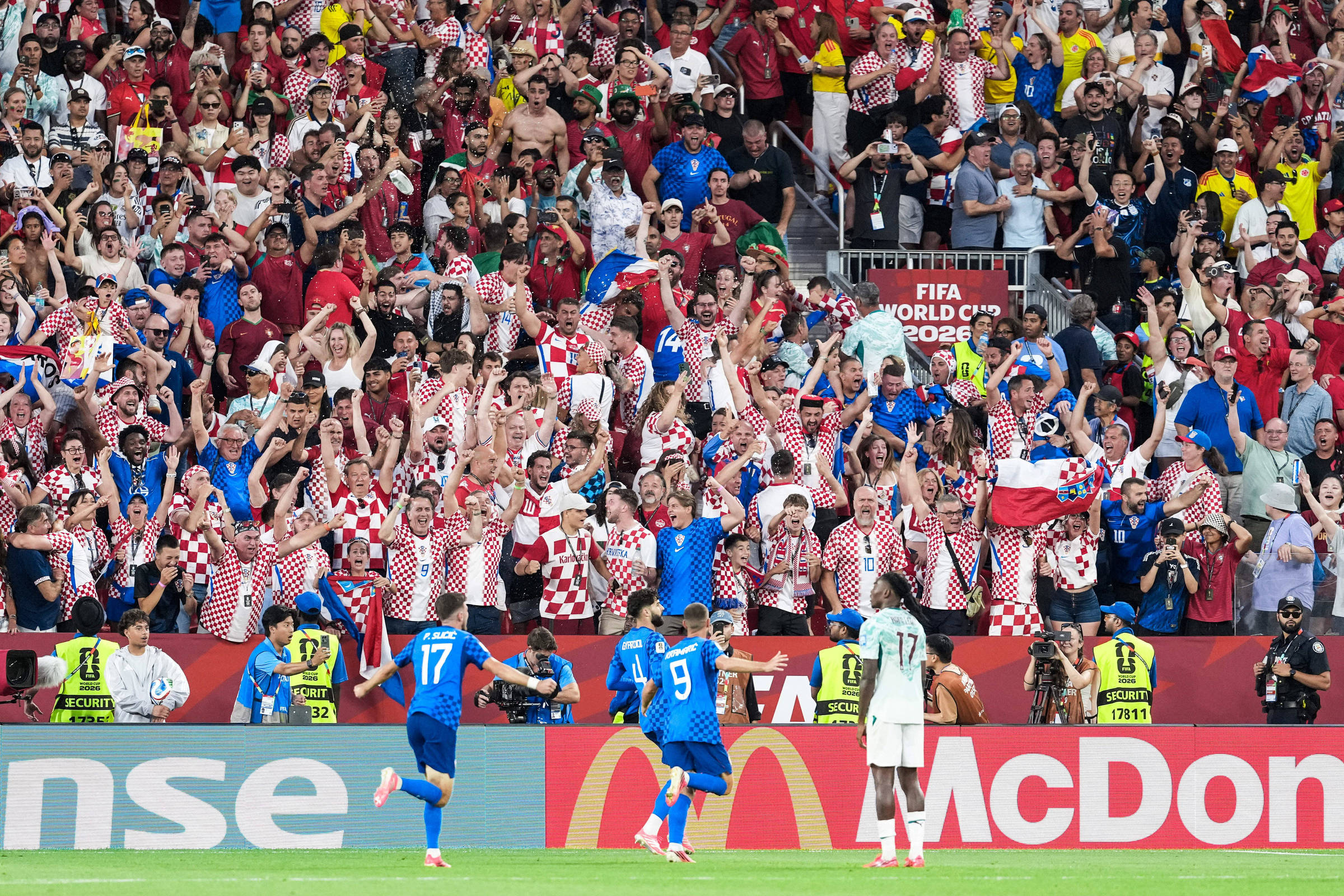
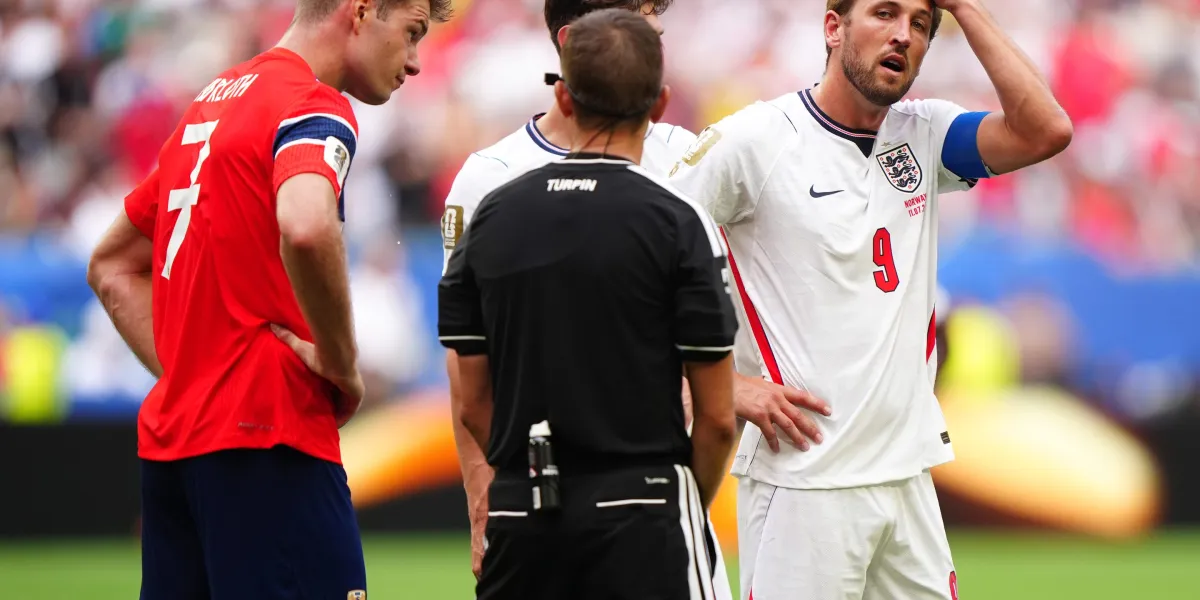
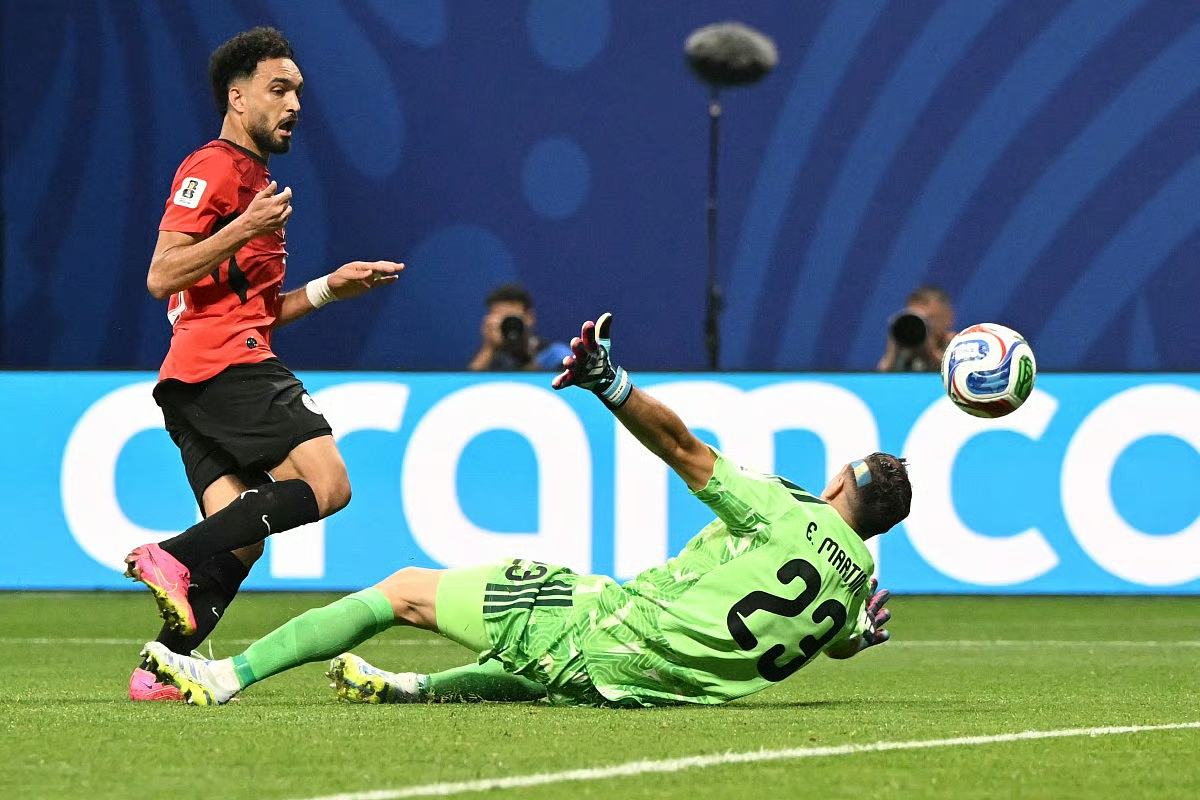
BRISBANE: Many of world football’s brightest names took the field over the weekend, as the quarter finals of the FIFA men’s World Cup played out. But for many fans, the heroics of the likes of Lionel Messi, Kylian Mbappe and Erling Haaland were overshadowed by the actions of a surprising character: the referee.Two contentious decisions marred England’s 2-1 win over Norway: one that disallowed a Norwegian goal due to an earlier foul, and another that allowed an English goal despite an apparent earlier collision between the ball and an overhead cable. Similarly, Argentina’s victory over Switzerland never looked in doubt once the referee issued a game-ending second yellow card to Swiss forward Breel Embolo.At the heart of all three controversial calls were technologies designed to do away with controversial calls. FIFA pointed to the contact-detecting “snicko” device attached to the ball in allowing England’s goal, and the other two decisions hinged on the little-loved Video Assistant Referee or VAR, an off-field panel of officials able to watch replays and advise the on-field referee.These were just the latest in a string of contentious VAR calls at this World Cup. So why has a high-tech system designed to reduce unfairness and error in refereeing ended up sparking more of the very controversies it was supposed to put to bed?