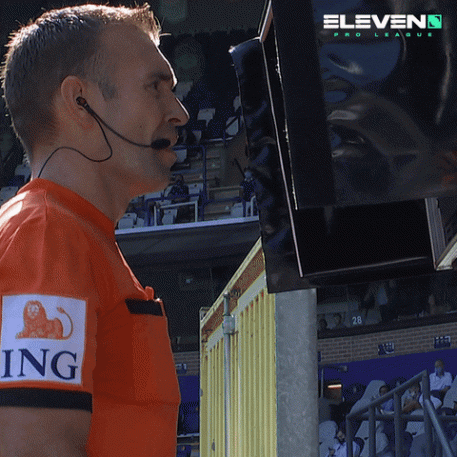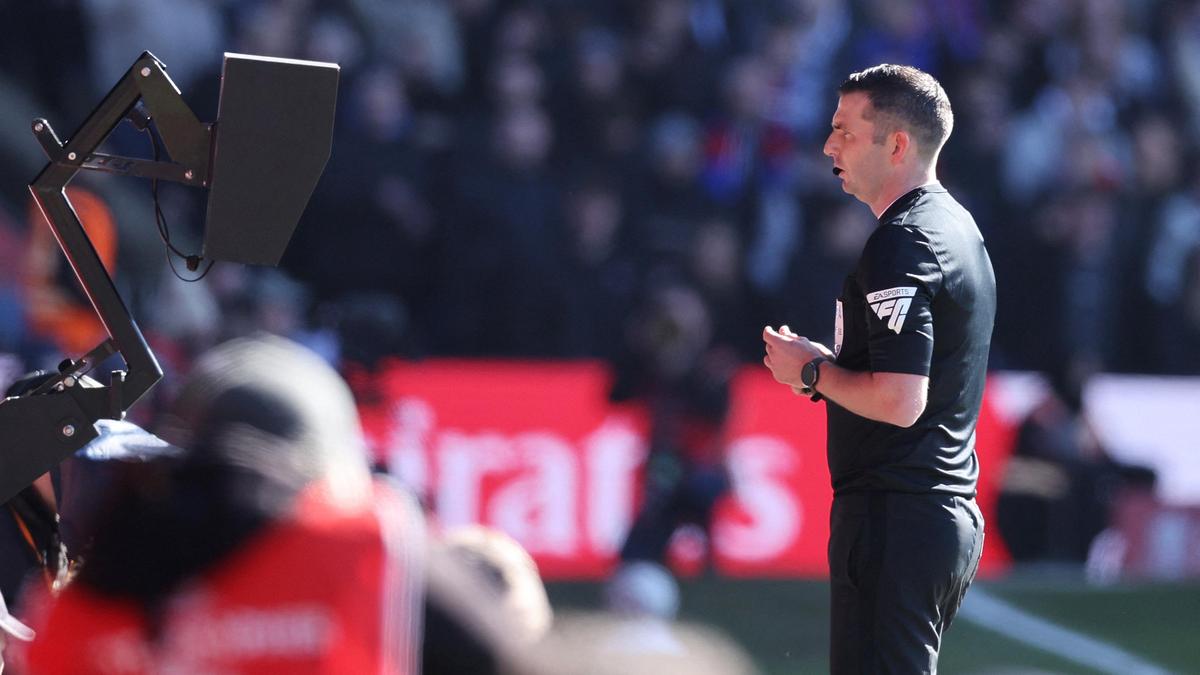
Referee Michael Oliver looks at the VAR monitor. Image for representation
| Photo Credit: Reuters
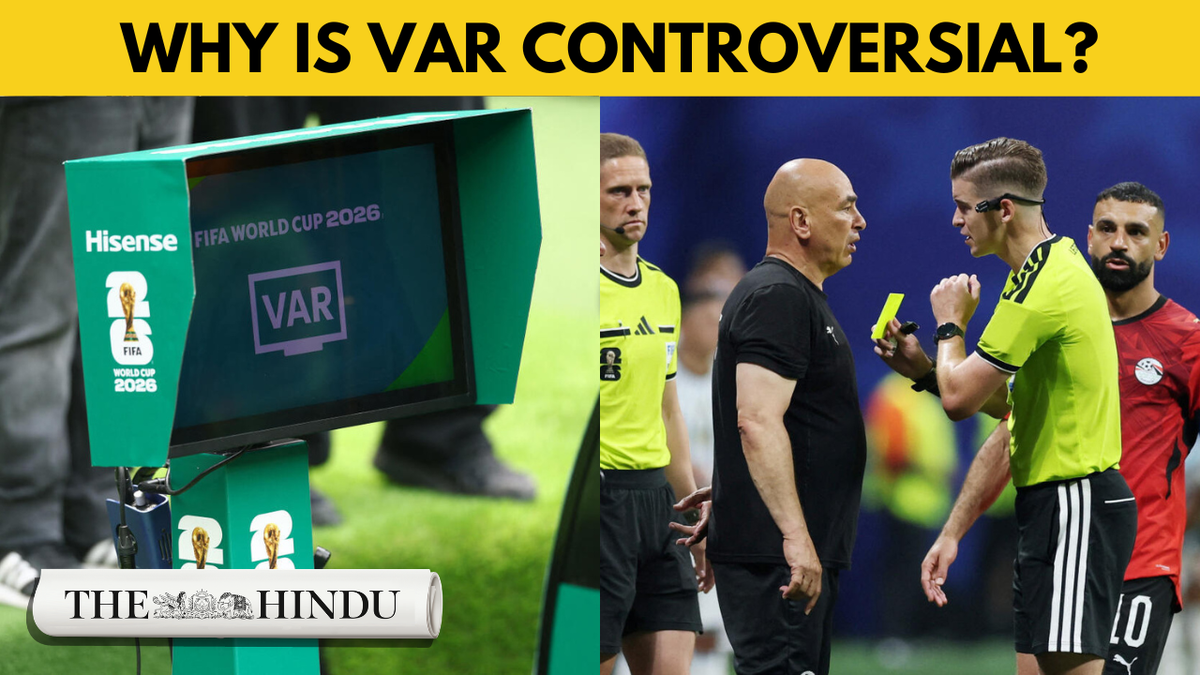
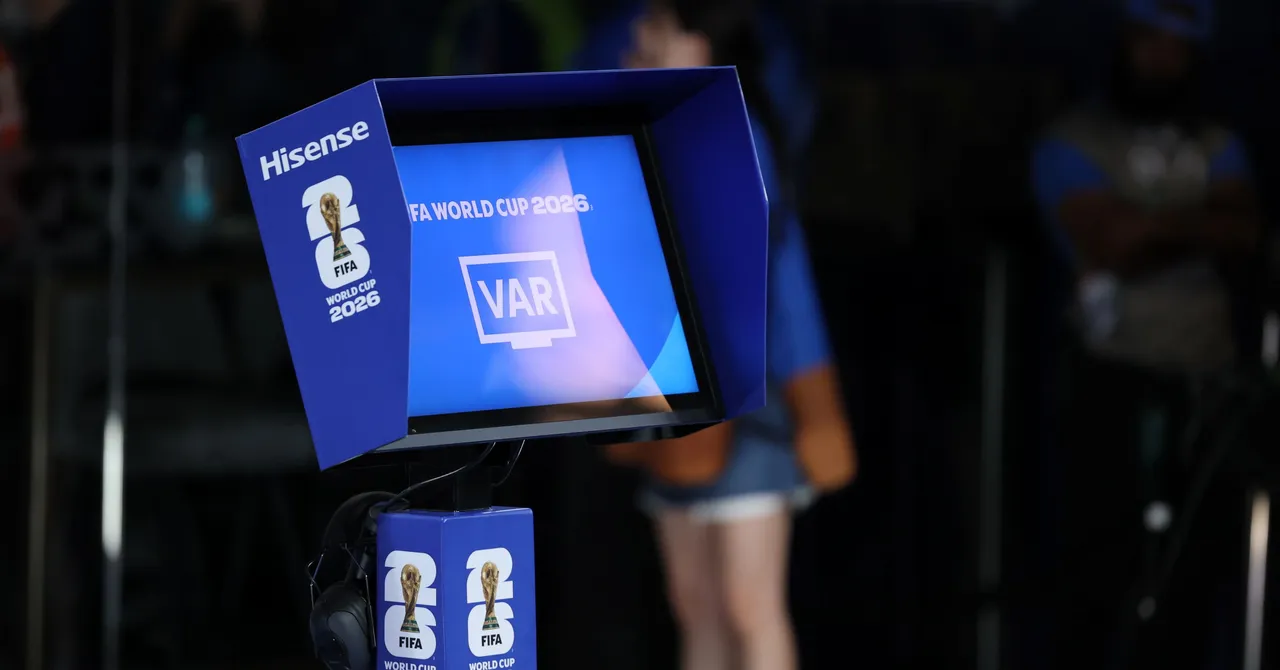
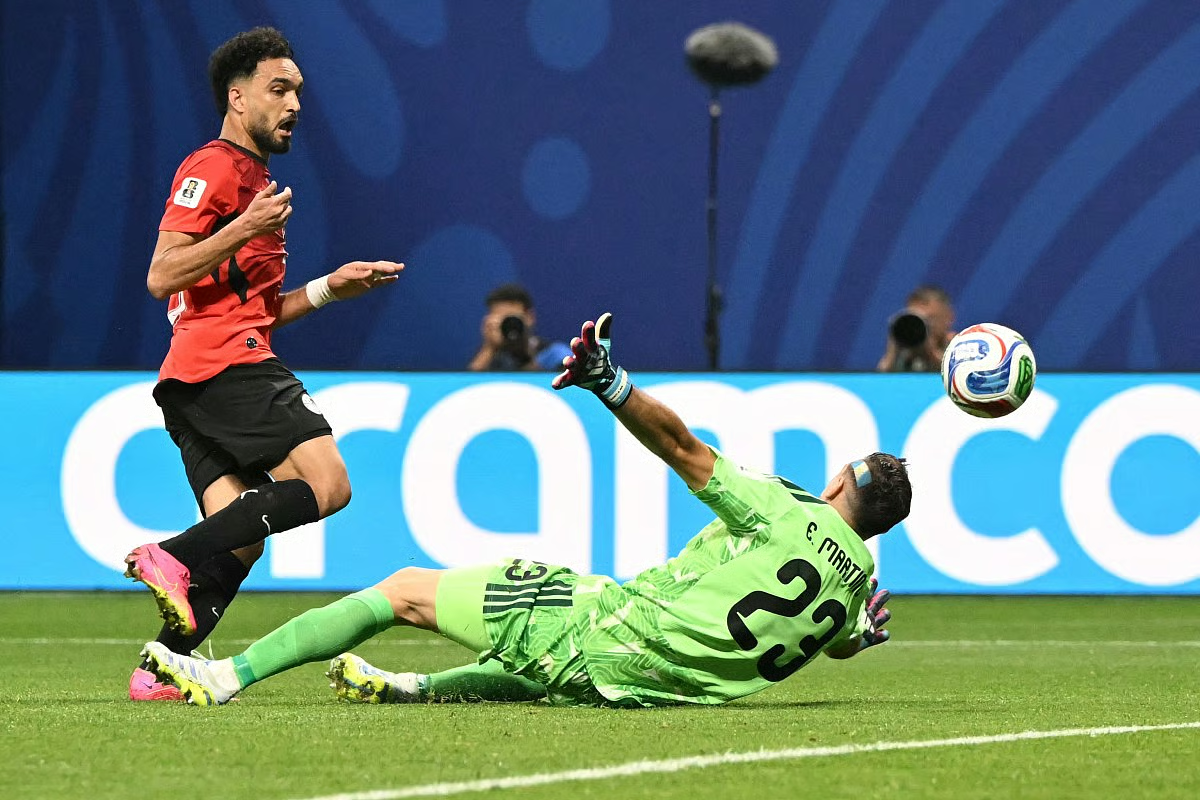
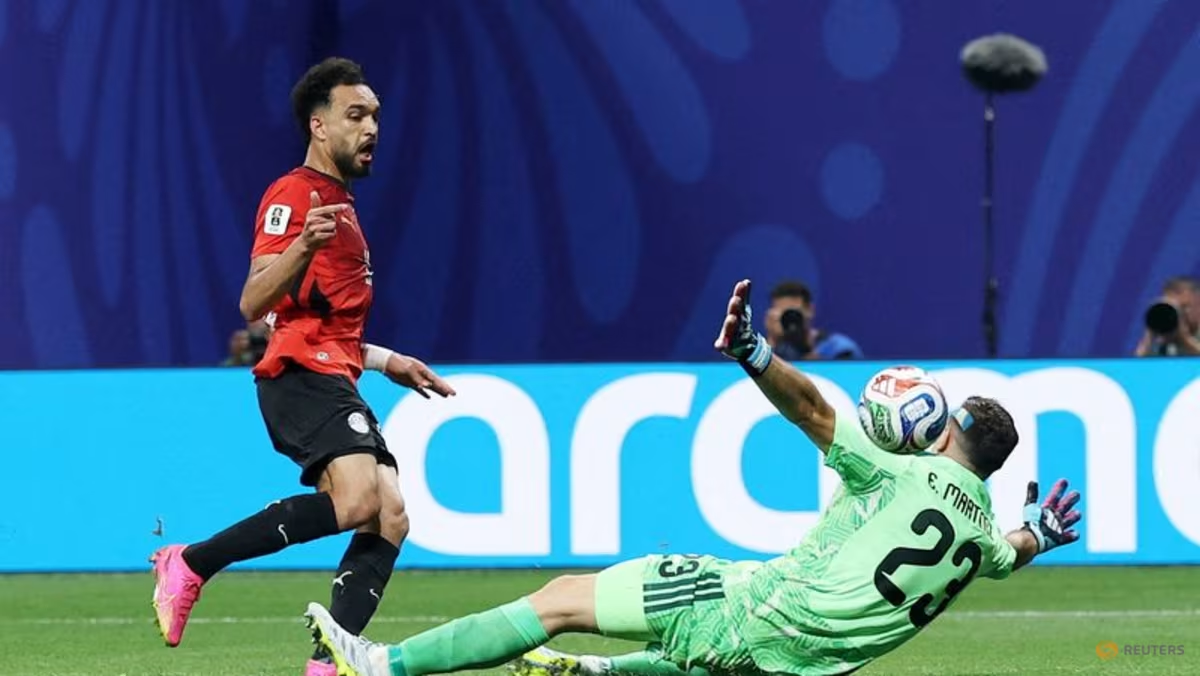
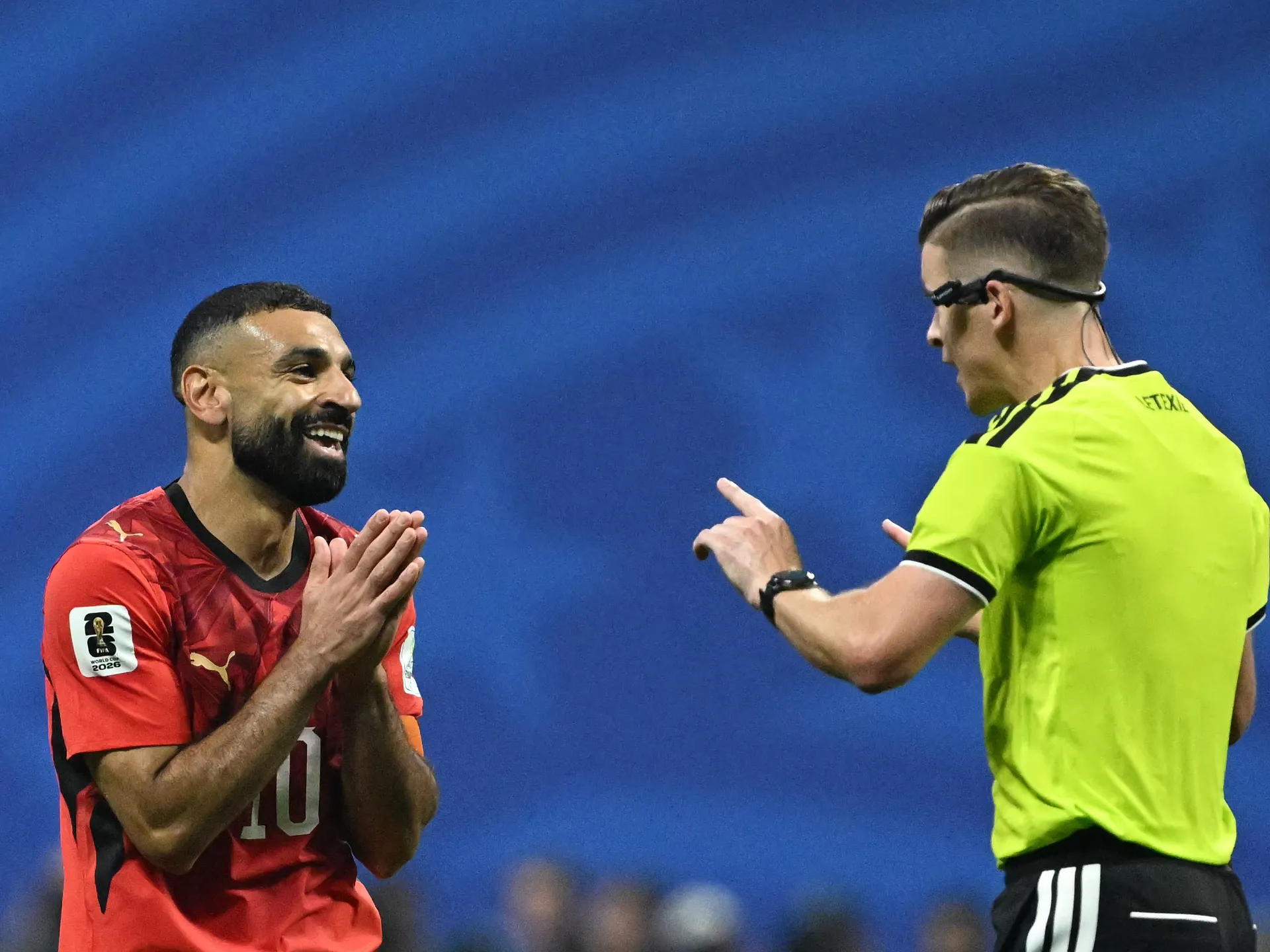
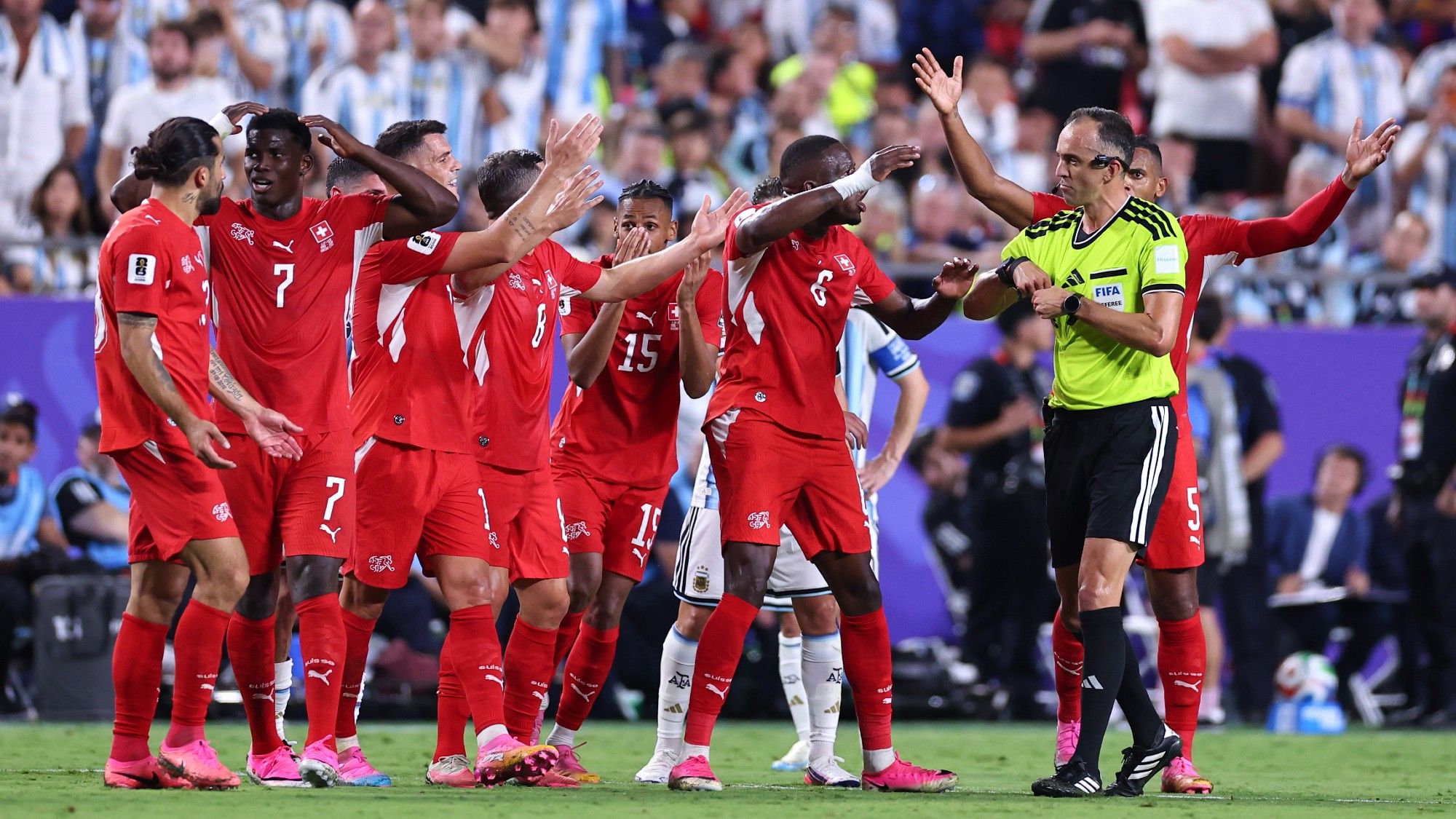
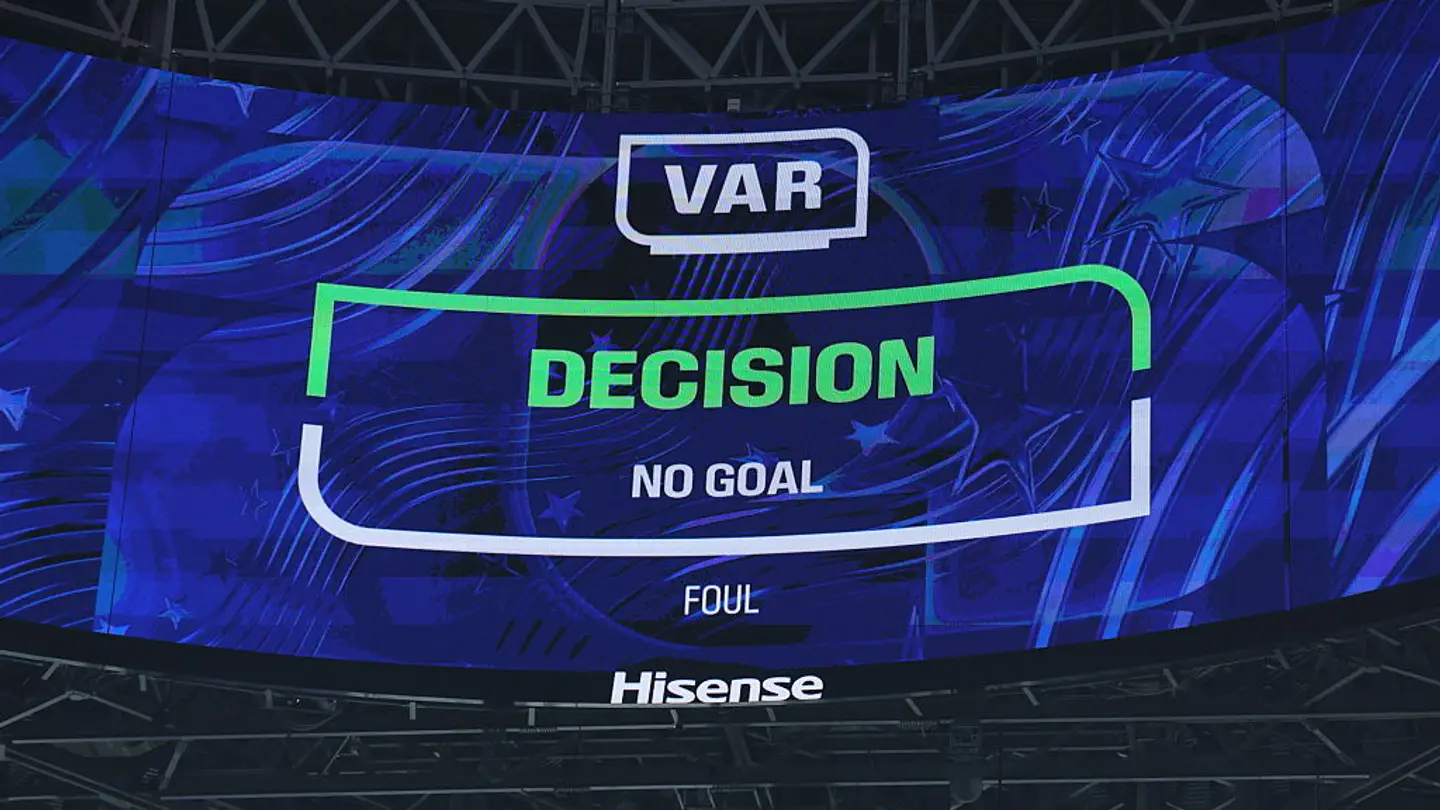
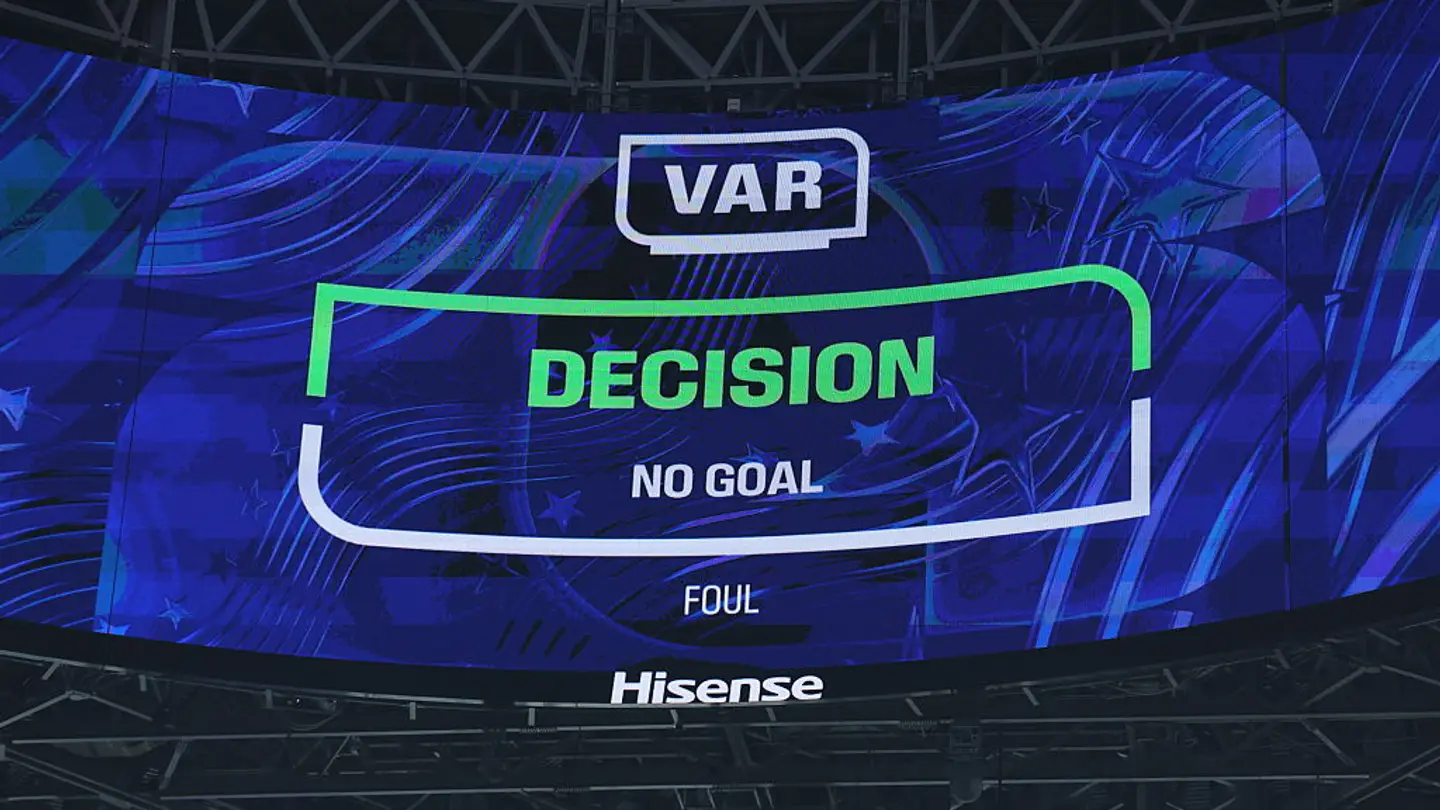
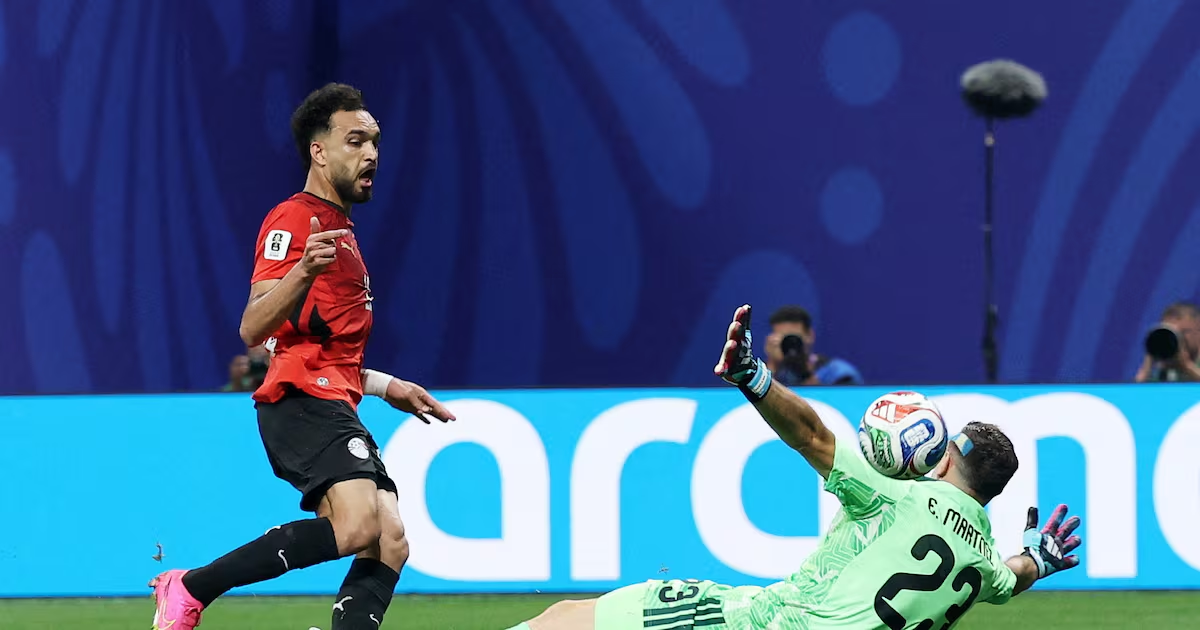
The story so far:On July 7, 2026, the Video Assistant Referee (VAR) came under the spotlight after causing disappointment for Egypt and delight for Argentina in the World Cup round-of-16 clash in Atlanta. Egypt felt hard done by after a beautifully crafted second-half goal was chalked off following VAR intervention for a foul in the build-up.The African team, which let slip a two-goal advantage and eventually went down 2-3, was incensed that the on-field official was not called upon to forensically examine potential Argentine fouls that were made seconds before the winner was scored.What is VAR and how does it work?The VAR refers to the system itself and the chief referee who inspects every phase of play, usually from a central hub. Proposed in the early 2010s and approved by lawmakers at the International Football Association Board in 2016, the VAR was welcomed into the football family to provide technological support to on-field referees and minimise mistakes. The main objective is to avoid “clear and obvious errors” during key match incidents.The current set-up includes numerous high-quality cameras stationed at different points in a venue and a pitch-side monitor, which is generally placed close to the dugouts. The head official at the VAR booth recommends that the on-field referee re-examine events that the latter could have handled better.The man or woman in the middle, however, can choose to ignore the advice or stick with the original decision even after an on-field review.When can the VAR intervene?In tournaments and leagues across the globe, the system is primarily used to analyse the following: goal/no goal, penalty/no penalty, direct red card or the reversal of it, and mistaken identity. Being used at the World Cup for the third successive edition (it was introduced in 2018), the VAR has been having additional responsibilities this time. It intervenes when a corner kick is wrongly awarded and helps in removing an incorrectly brandished second yellow card, which would otherwise result in a player being sent off.How effective has the system been in the ongoing World Cup?The VAR has made some contentious interventions so far, none more than the one for the disallowed goal in the Egypt-Argentina fixture. The Egyptian footballer Mostafa Zico was in dreamland after finding the back of the net following a breathtaking attacking move from the ‘Pharaohs’, but ecstasy turned into agony in a matter of minutes. Jerome Brisard, the VAR based at the tournament hub in Dallas, recommended that the on-field referee, Francois Letexier, review a possible foul by Egyptian player Marwan Attia on Argentine player Lisandro Martinez at the other end of the pitch. After an on-field review, Letexier deemed that Attia unfairly won the ball in the build-up to the goal and therefore ruled it out.What made the Egyptians furious?The Egyptian contingent argued that the foul was not committed in the phase of play preceding the goal and that the Attia-Lisandro duel took place well away from where the sequence ended. But FIFA chief refereeing officer Pierluigi Collina issued a clarification saying: “If a foul is identified in the build-up and is deemed to have had an impact on the goal, the VAR will recommend an on-field review. There is no defined limit regarding either the distance from goal or the amount of time between the incident and the goal.”The Mohamed Salah-led side also confronted the official when it felt that an “illegal” contact on the foot and a shirt pull, both in Argentina’s 18-yard box, were overlooked seconds before the winning goal. Letexier, however, waved off the protests and was not advised to recheck the incidents. Egypt head coach Hossam Hassan remarked that his team was “unfairly” treated by the man in-charge, while the national federation later filed a complaint with FIFA.After being under the microscope, the sport’s global governing body made a huge change to its VAR operations, appointing two in-house VAR officials for every match for the rest of the tournament (quarterfinals to final).What are the complaints?The lack of consistency in interpreting similar situations and deciding when to intervene has left many baffled; what is a penalty or red card in one referee’s eyes may not be the same in another’s view. There are claims that VAR is making football a “soft” sport by nitpicking fouls that are hardly spotted by on-field officials – Germany defender Jonathan Tah’s disallowed goal in the round-of-32 encounter against Paraguay is a case in point. Fans, and sometimes even players and staff, are left in the dark about what the VAR is communicating to the man or woman on the ground. Published - July 12, 2026 03:00 am IST