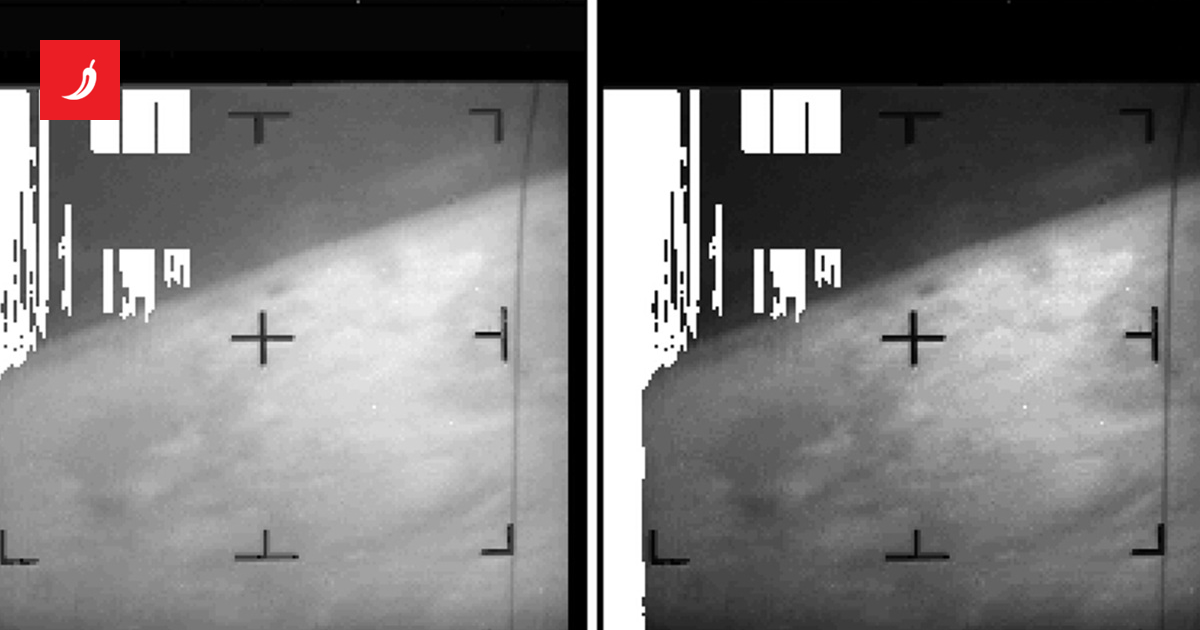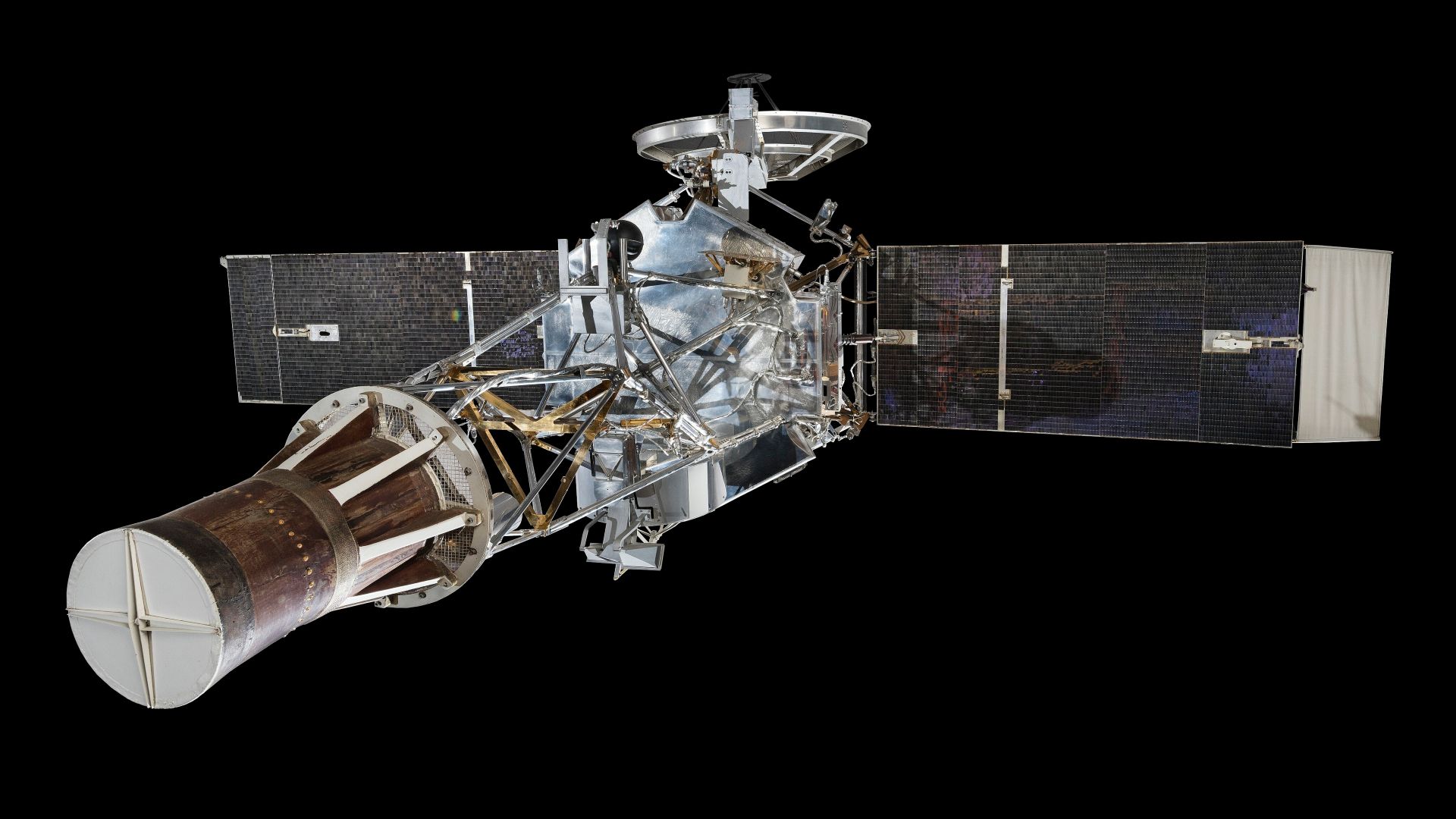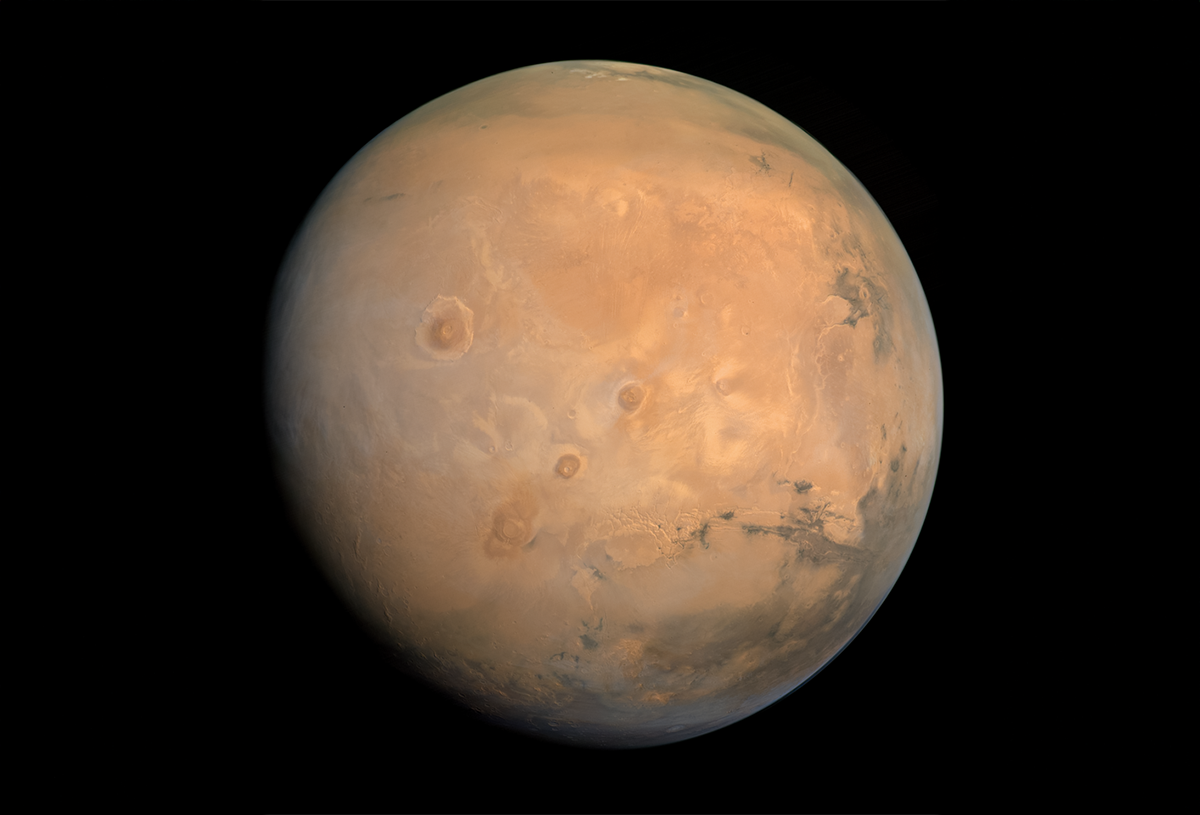
Sixty-one years ago this week, humanity caught our first glimpses of another planet from up close as Mariner 4 made its closest pass by Mars. During the missions, NASA engineers waited with bated breath. Mariner 3, the first mission to see the red planet, had been sidelined by equipment failures, and drifted powerlessly into space when its batteries died. As Mariner 4 made its final approach, unusual readings from its data recorder (a spare not originally intended to be used onboard) were making NASA engineers nervous.Featured VideoWhen the spacecraft finally started transmitting (which took up to six hours for a single photo), engineers at the Jet Propulsion Laboratory were anxious to find out if everything was working properly. So they printed out the raw numerical data from the onboard camera on 3-inch strips of ticker tape and assembled them on a wall. Using pastel crayons purchased from an art store, they started shading the numbers according to the brightness of each pixel, like a giant paint-by-number painting. Read more: “Mars Is a Second-Rate Backup Plan”The painting team worked in secret so as not to arouse the interest of the media before the official pictures could be processed, but eventually news crews found out and the hand-painted landscape became the first image of the Martian vista television viewers saw. (The final black-and-white images from Mariner 4 were strikingly close to their handiwork.) PAINT-BY-NUMBERS: The outer edge of Mars captured by Mariner 4, hand-painted by NASA engineers (left) and processed by computers (right). Credit: ASA/JPL/Dan Goods.Mariner 4 rewrote what we knew about Mars, and not everyone was happy. For decades, purported “canals” on the Martian surface had captured the imaginations of scientists and science-fiction writers alike. But instead of images of a long-lost civilization on the red planet, Mariner 4 beamed back photos of a dusty planet with a thin atmosphere pockmarked by craters. Mars was a dead planet after all.DEAD PLANET: Images of craters on the Martian surface, captured by Mariner 4. Credit: NASA/JPL-Caltech.But while Mariner 4 may have killed the dream of finding intelligent life on Mars, the idea that Mars may have once supported life is still very much alive. NASA’s Curiosity and Perseverance rovers are navigating the Martian terrain right now, digging up clues to Mars’ past as a habitable planet. The duo’s onboard suite of laboratory tools have already uncovered samples containing complex organic compounds, which could be residue of simple organisms that once lived there. Not only do our two robotic chemists routinely send back photos from the surface, we’ve also sent orbiting spacecraft that mapped every inch of the Martian surface. THERE’S STILL HOPE: The Cassini crater on Mars, captured by the Emirates Mars Mission’s Hope orbiter. Credit: UAESA/MBRSC/HopeMarsMission/EXI/AndreaLuck.We may not have found any ancient civilizations, but the red planet still has plenty of secrets to explore. Enjoying Nautilus? Subscribe to our free newsletter.Lead image: Kevin Gill / Wikimedia Commons
How Mariner 4 Rewrote What We Know About Mars
How Mariner 4 Rewrote What We Know About Mars: It killed the dreams of science-fiction fans, but kick-started decades of Martian exploration
485 words~2 min read