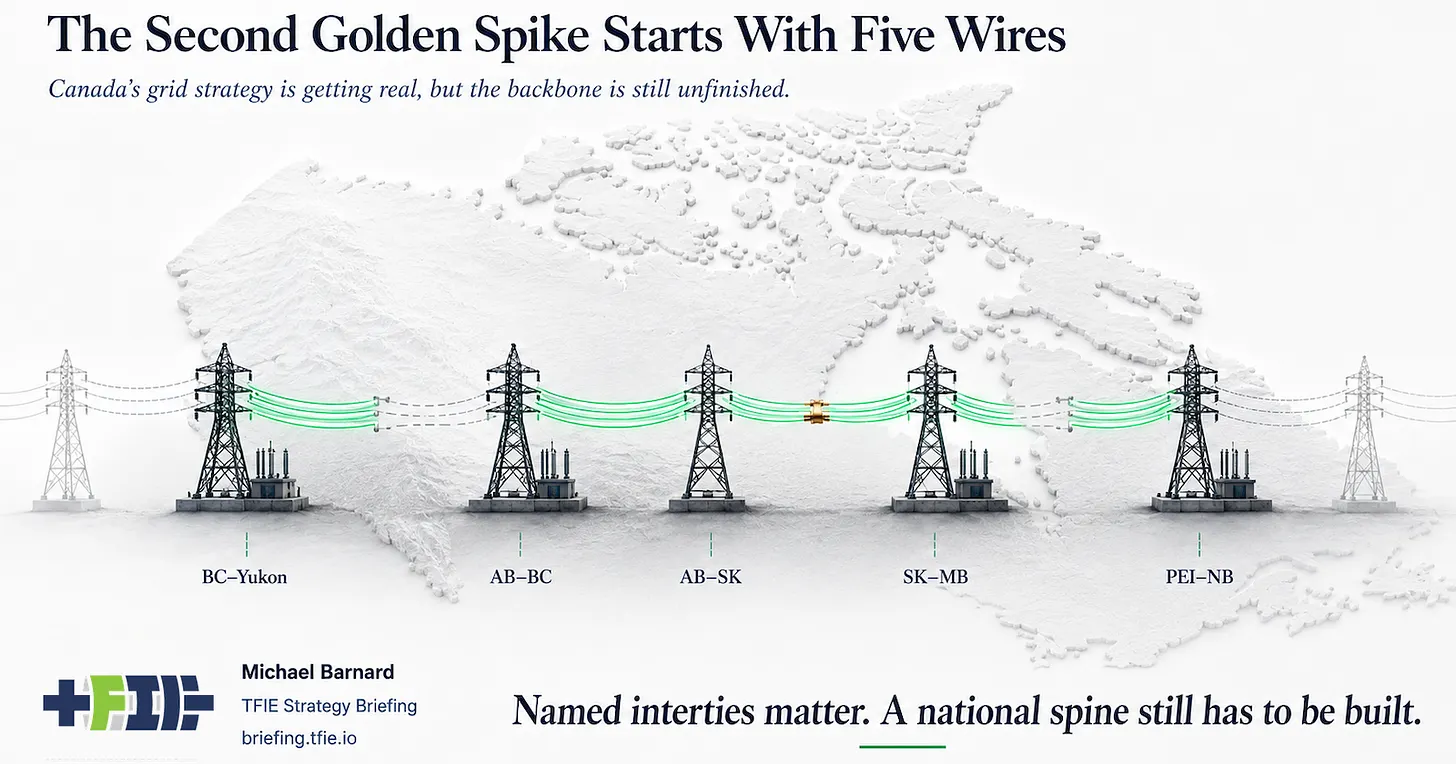
Five named interties are a start. Canada’s national electricity spine still has to be built.
Support CleanTechnica's work through a Substack subscription or on Stripe.
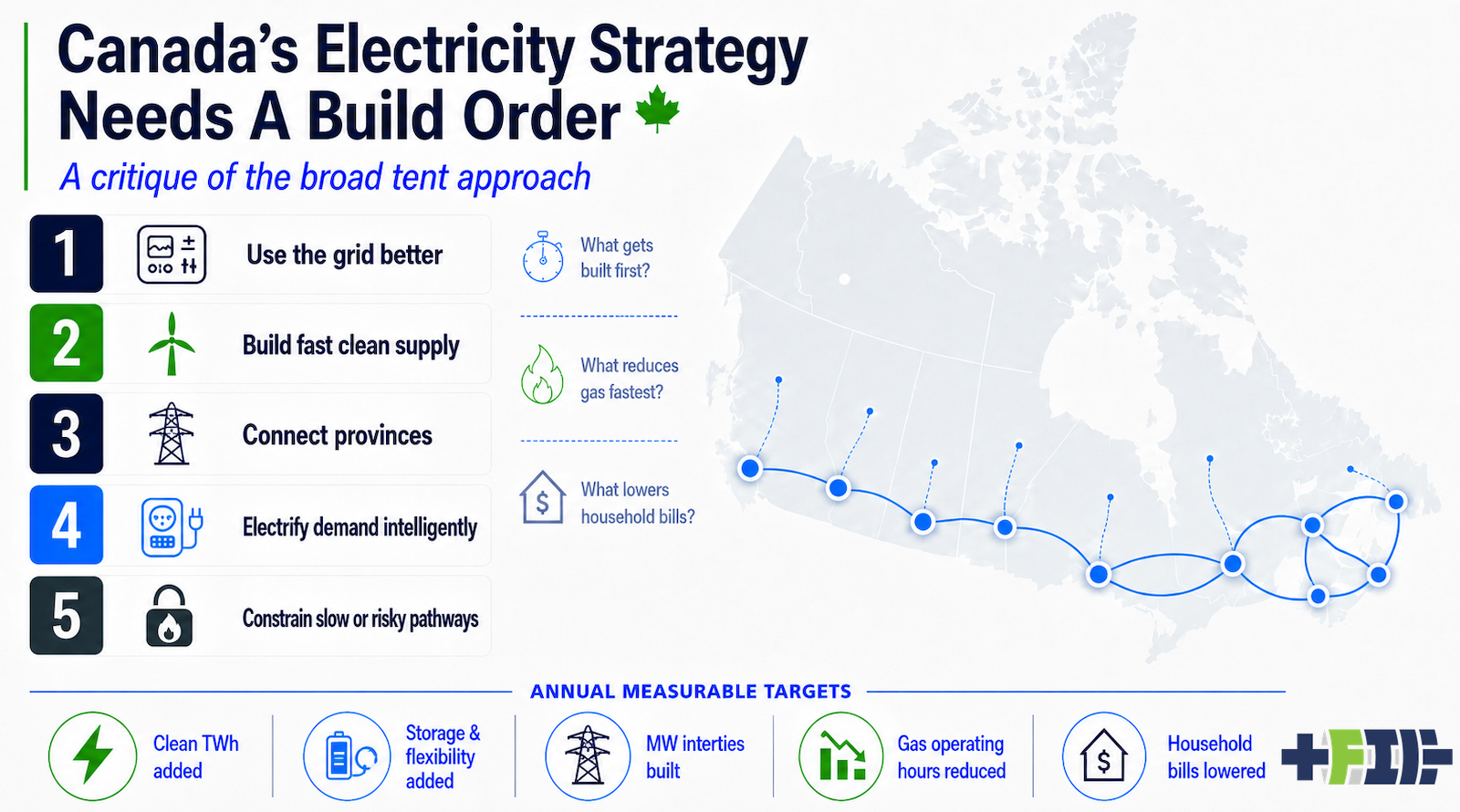
Canada’s electricity strategy is finally becoming specific enough to test. Ottawa is no longer speaking only about clean power, energy security, nation building and doubling grid capacity. The federal government has started naming provincial boundaries where new electricity infrastructure may cross: British Columbia–Yukon, Alberta–British Columbia, Alberta–Saskatchewan, Saskatchewan–Manitoba and Prince Edward Island–New Brunswick.
That is progress. Five named interties are more useful than another national strategy made entirely of aspirations. They still do not constitute a national grid.
The relevant denominator is not the number of lines mentioned in an announcement. It is how much power each project can transfer, how often electricity is expected to flow, which generation it displaces, which reliability constraint it resolves, who pays, who owns it, how Indigenous governments participate and when the asset is expected to enter service. Until those questions have answers, an intertie remains a policy intention rather than an operating electricity asset.