Support CleanTechnica's work through a Substack subscription or on Stripe.
Canada’s federal government has finally put electricity where it belongs: at the centre of the national economy. That is the most important thing about Mark Carney’s newly announced National Electricity Strategy. This is not just a climate file. It is an industrial strategy, an affordability strategy, a trade strategy, a sovereignty strategy, and a productivity strategy. Canada has spent decades treating electricity as a provincial utility matter and fossil fuels as the national energy story. That framing made sense in the 20th century, when oil and gas exports dominated the energy conversation and electricity was mostly something reliable that arrived quietly at the wall. It makes much less sense in the 21st century. The future economy runs on electrons. Carney’s strategy does not solve the problem, but it does name the right problem.
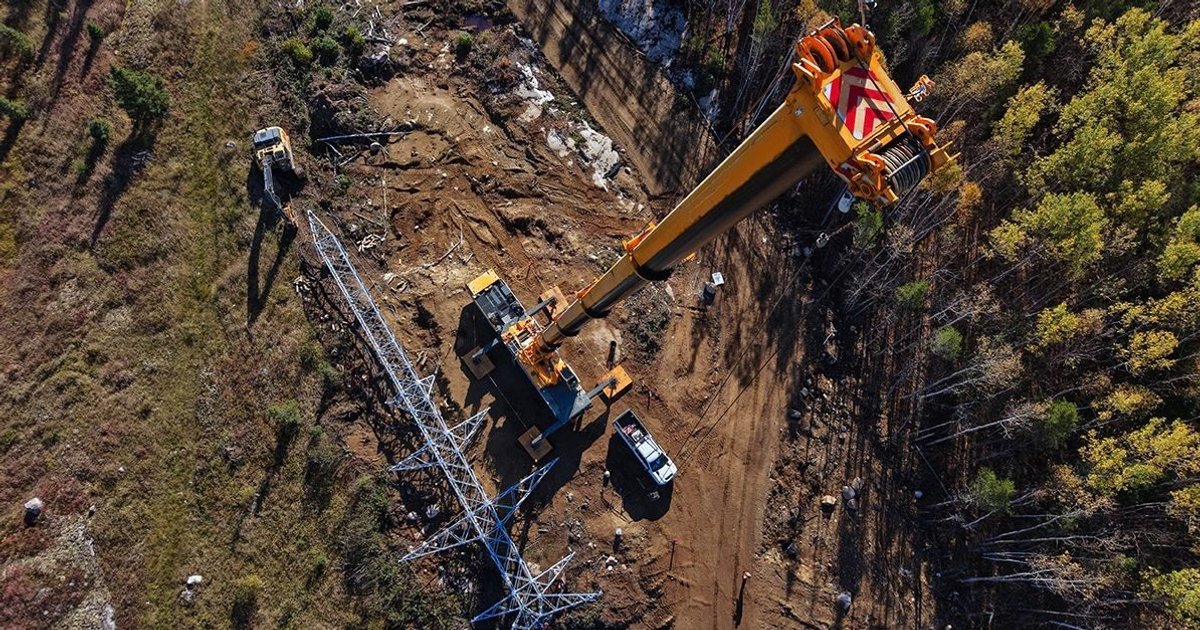
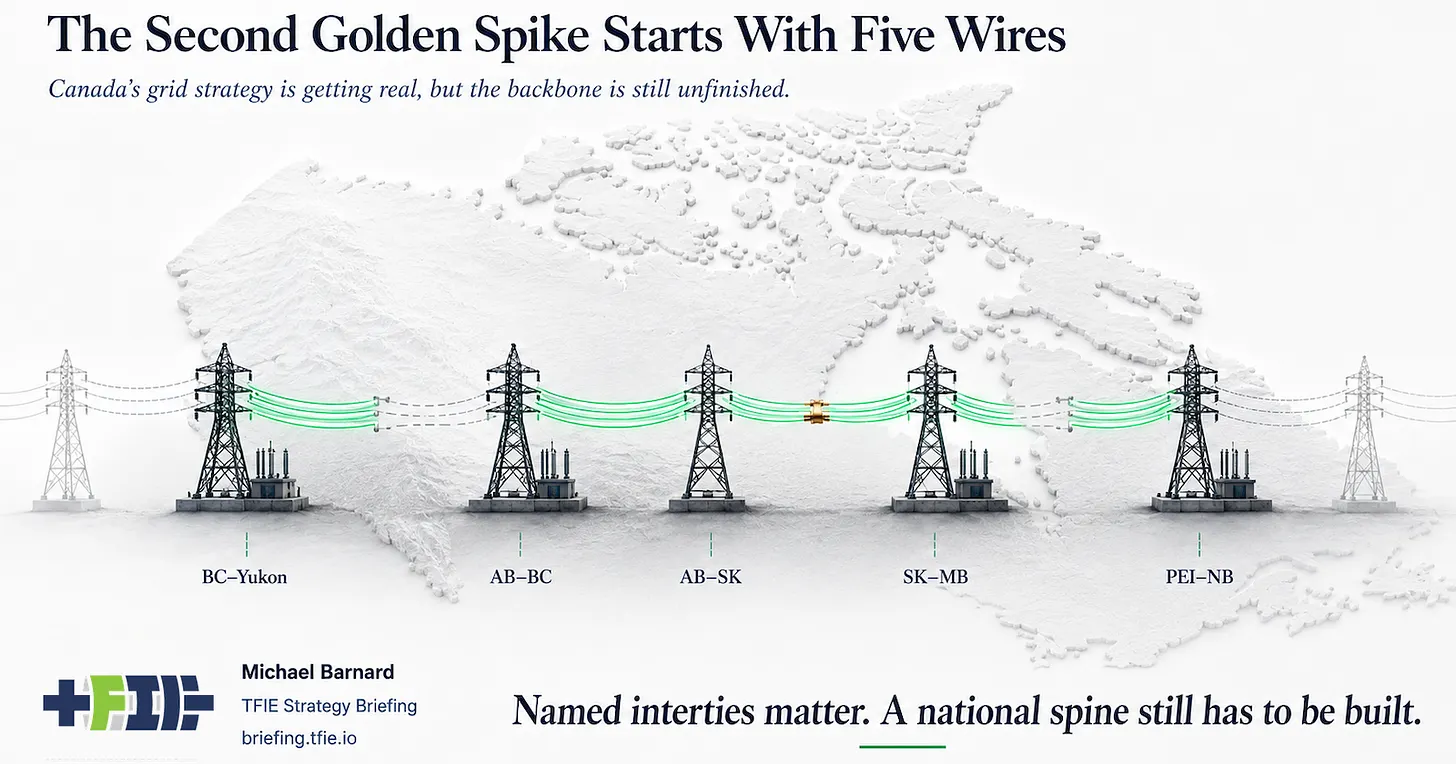
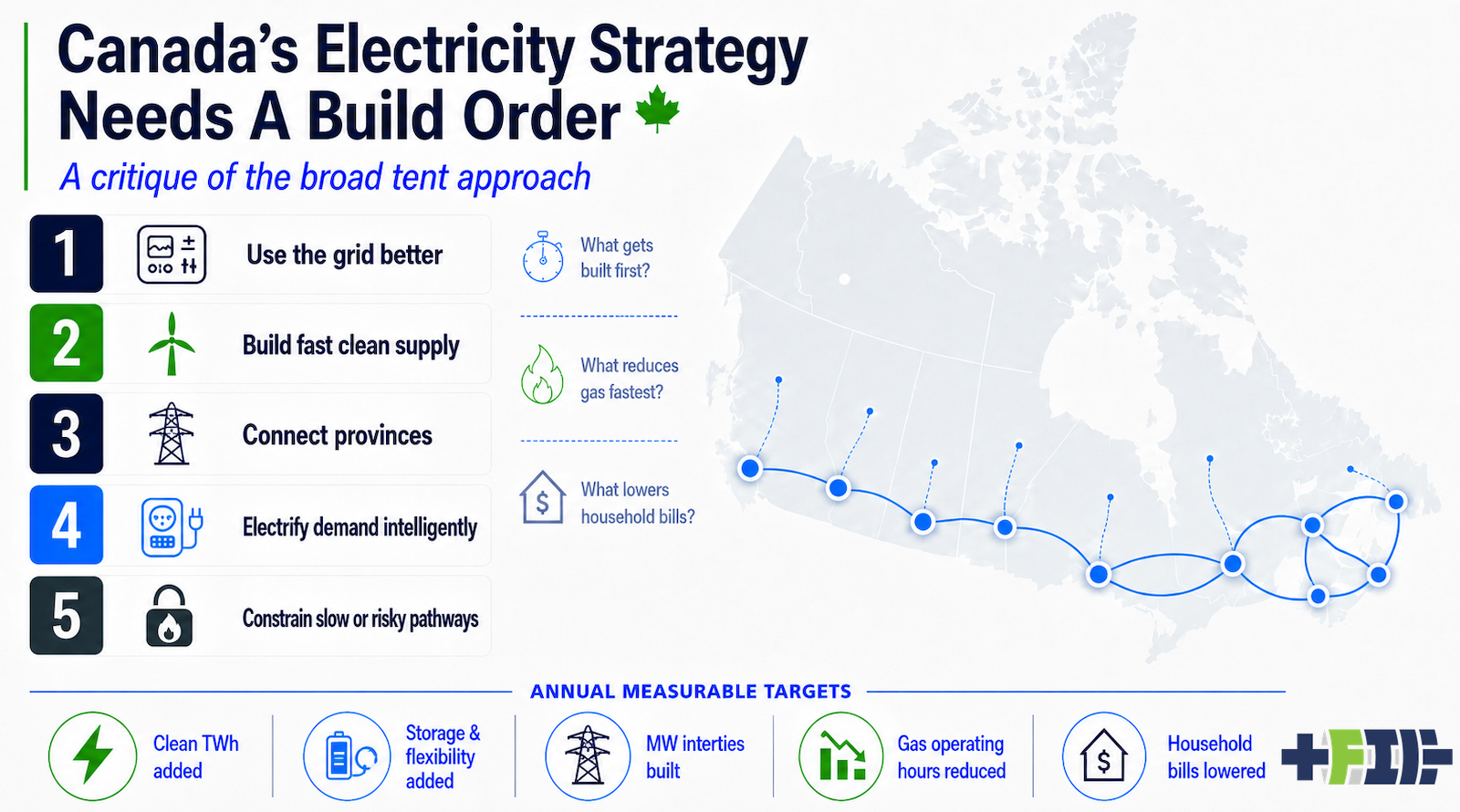
The federal framing is large. Canada has an electricity system that is already roughly 80% clean, mostly because of hydro, nuclear, and growing wind and solar. Demand is expected to double by 2050. The government’s goal is to double grid capacity by then, while keeping electricity clean, reliable, and affordable. The strategy is built around generation, transmission, distribution, storage, grid modernization, east-west-north interties, workforce development, and domestic manufacturing. The government also claims that the strategy could deliver up to $15 billion in total energy savings by 2050 and reduce total household energy costs for 7 in 10 households. Those are sensible claims directionally, because electrification usually replaces inefficient combustion with efficient electric machines. The issue is whether Canada can build the grid, shape demand, and retire fossil fuel use fast enough to make those savings real.