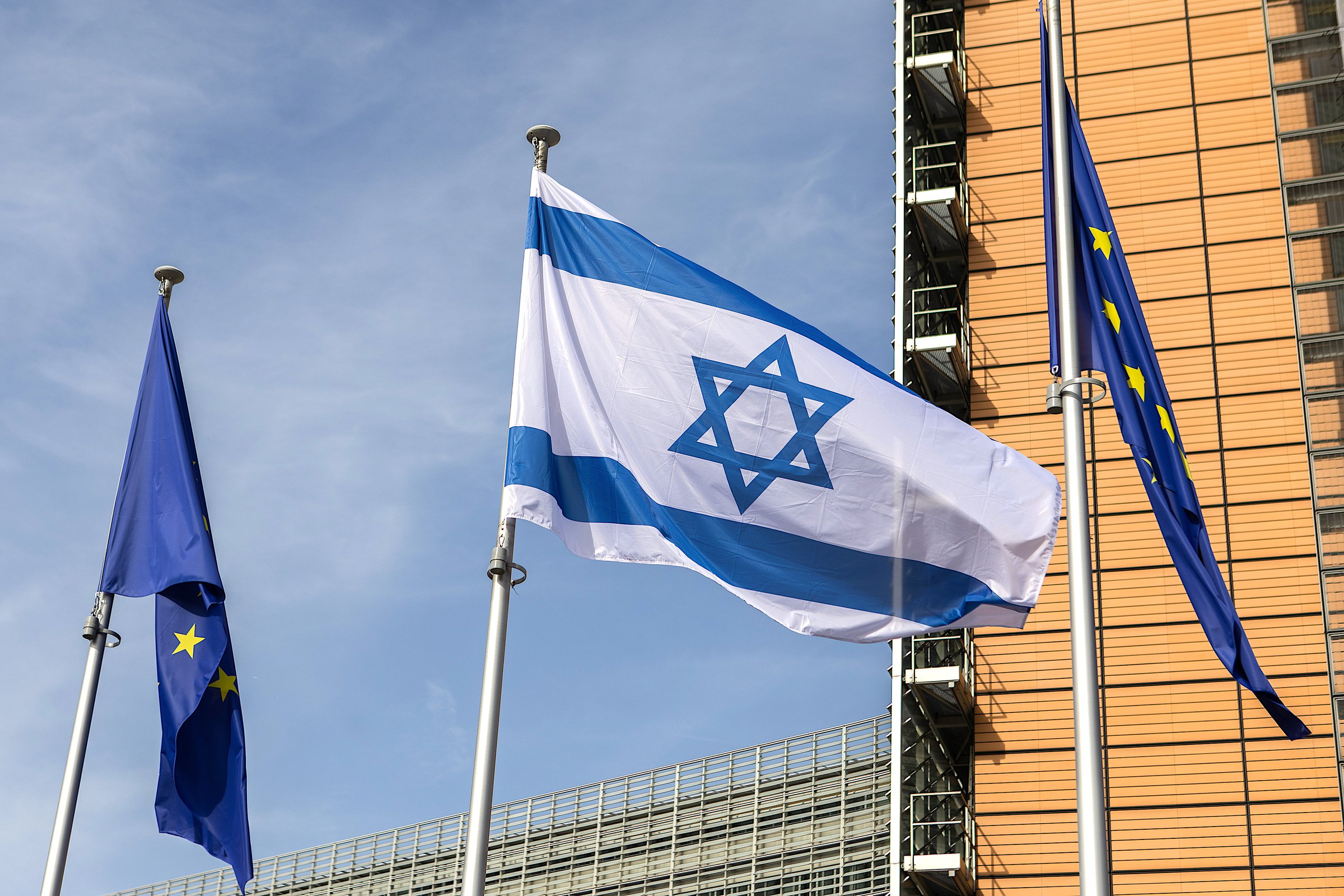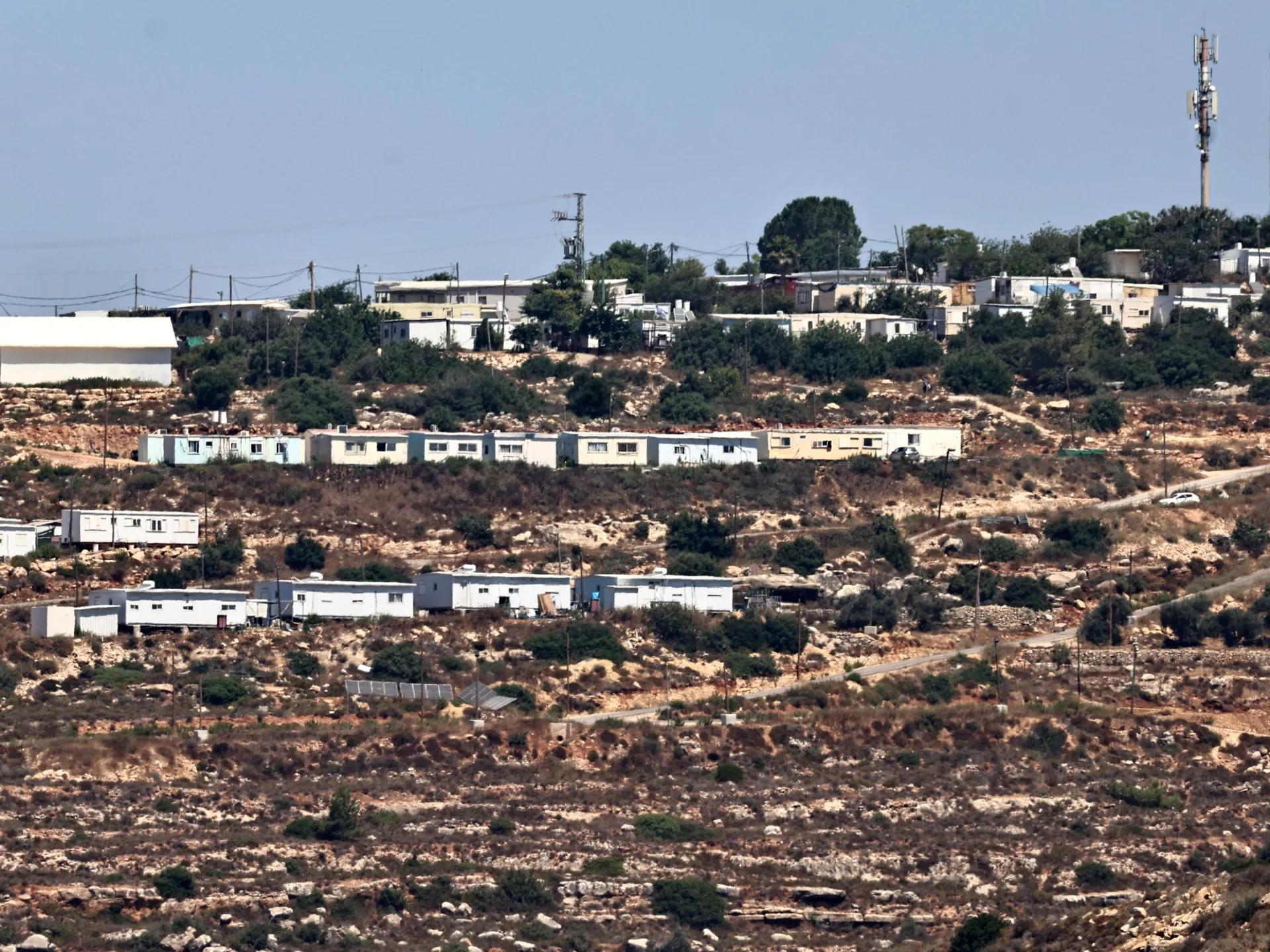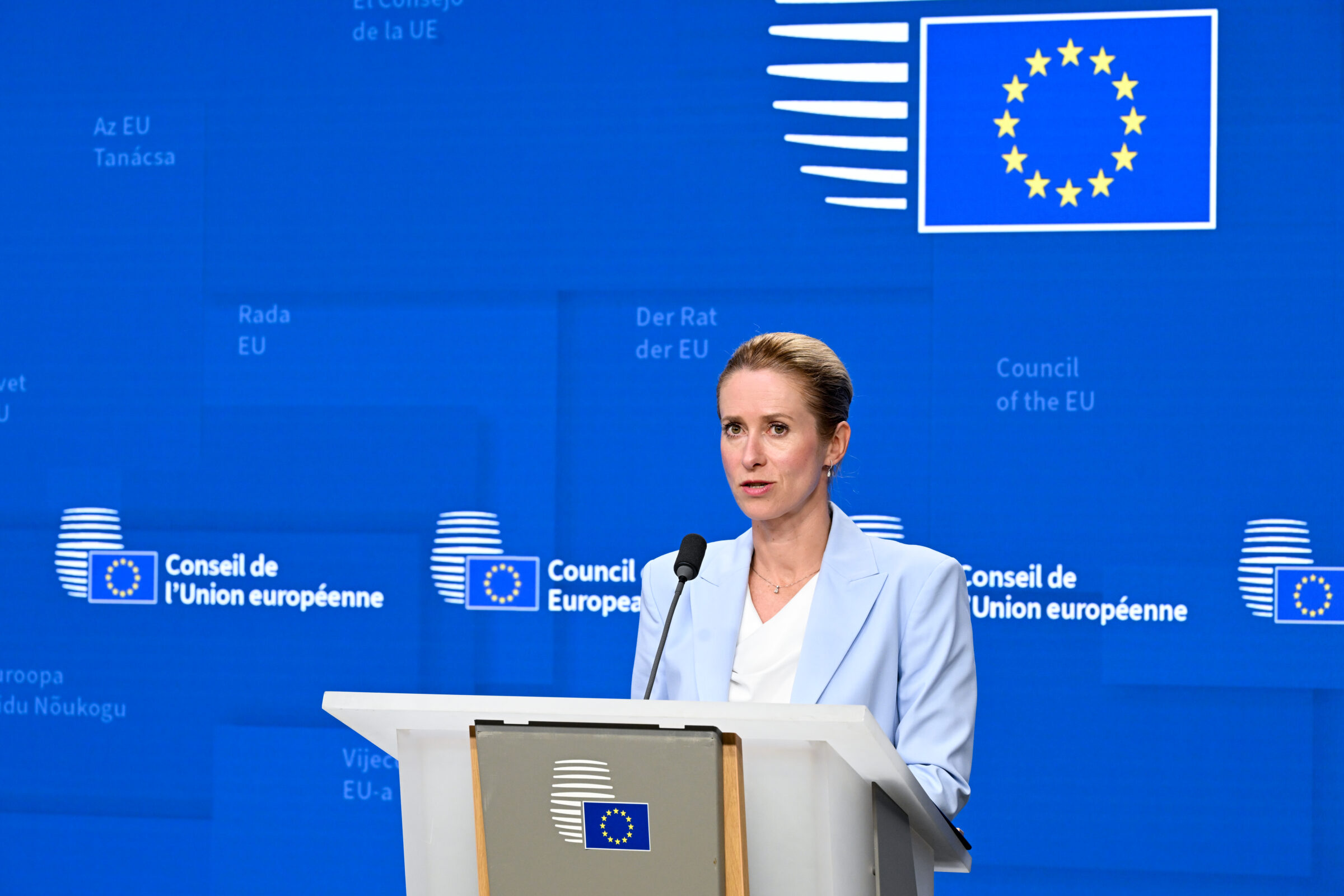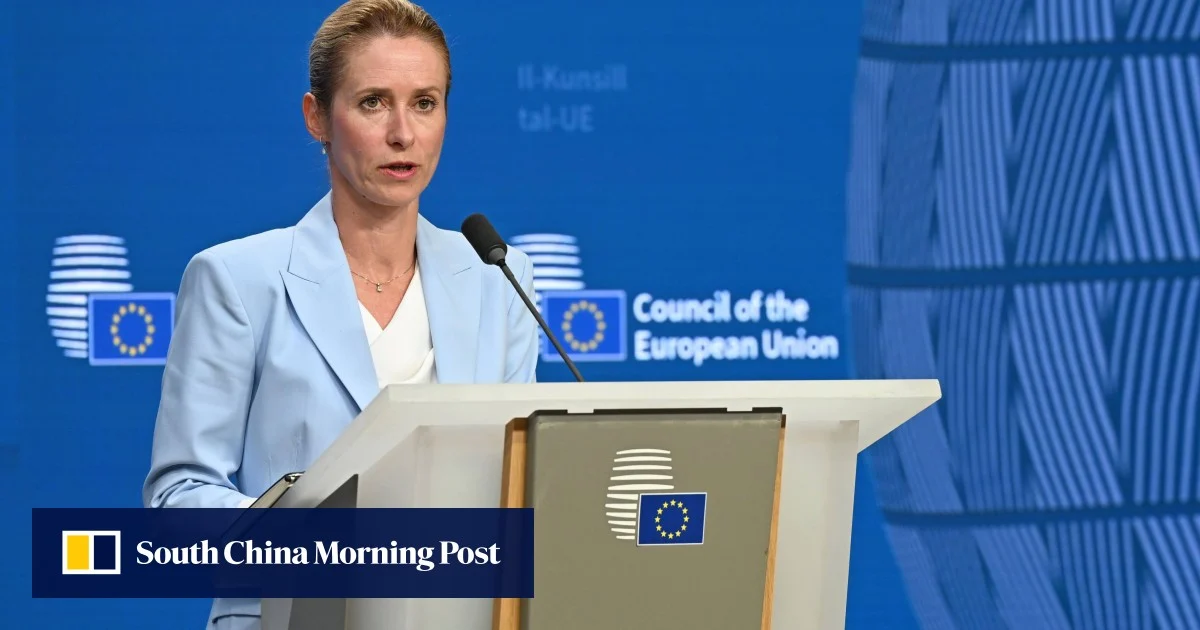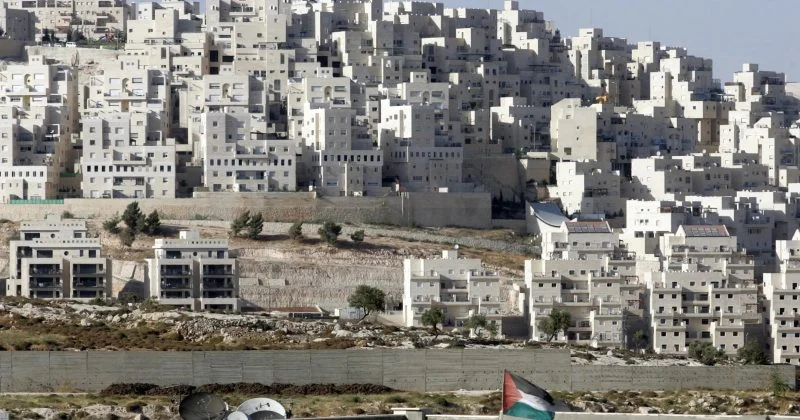
The European Union’s foreign policy chief, Kaja Kallas, announced that all 27 EU member states unanimously agree that Israeli settlements are illegal under international law. This statement aligns with the EU’s longstanding position, upheld by UN Security Council Resolution 2334 and supported by the International Court of Justice. In response to ongoing settlement expansions, the EU is considering measures such as import bans, stricter export licensing, and tariffs targeting products from these settlements. The potential for economic sanctions marks a shift from diplomatic condemnation to more tangible actions. However, the implementation of these measures remains uncertain as discussions continue over the required level of approval among EU members.
Key Takeaways
The EU’s unified stance on the illegality of Israeli settlements appears to solidify its legal position against these developments.
Proposed EU measures, including import bans and tariffs, suggest a more direct approach to influencing Israeli policy.
The EU’s stance may indicate a reduced likelihood of Israel-Indonesia normalization due to increased international tensions.