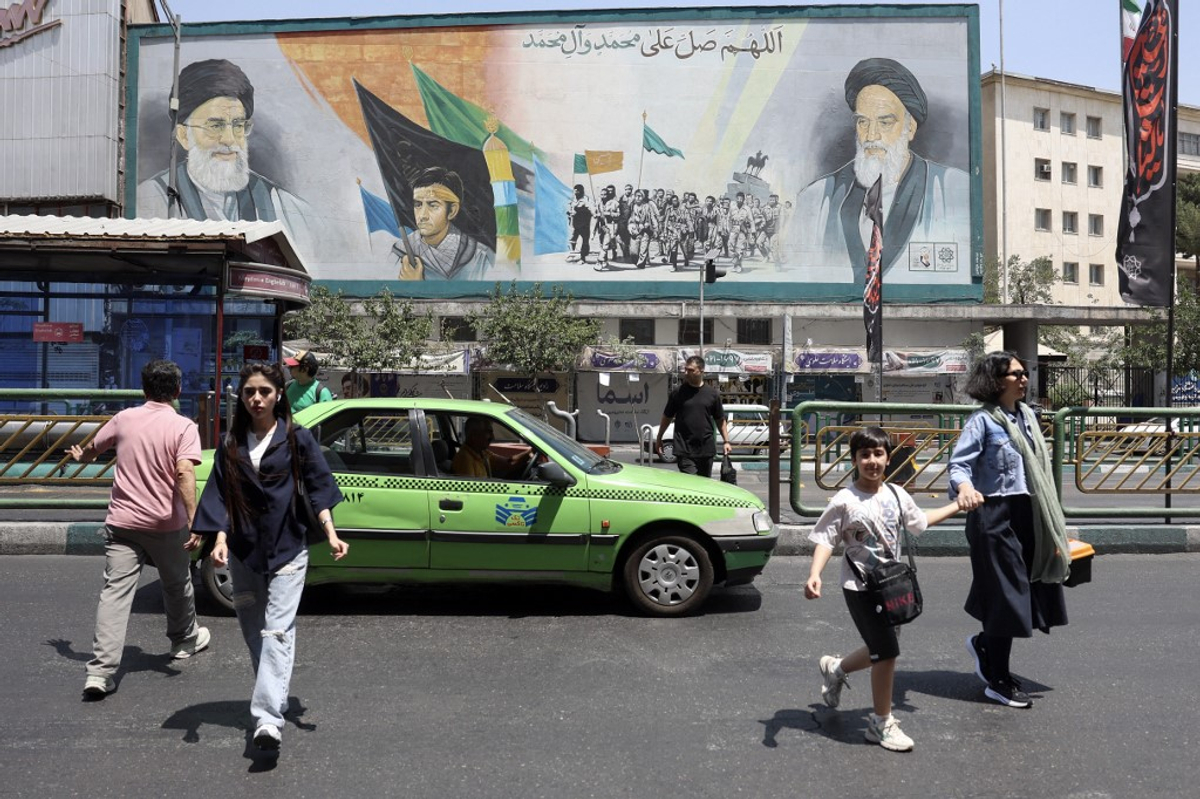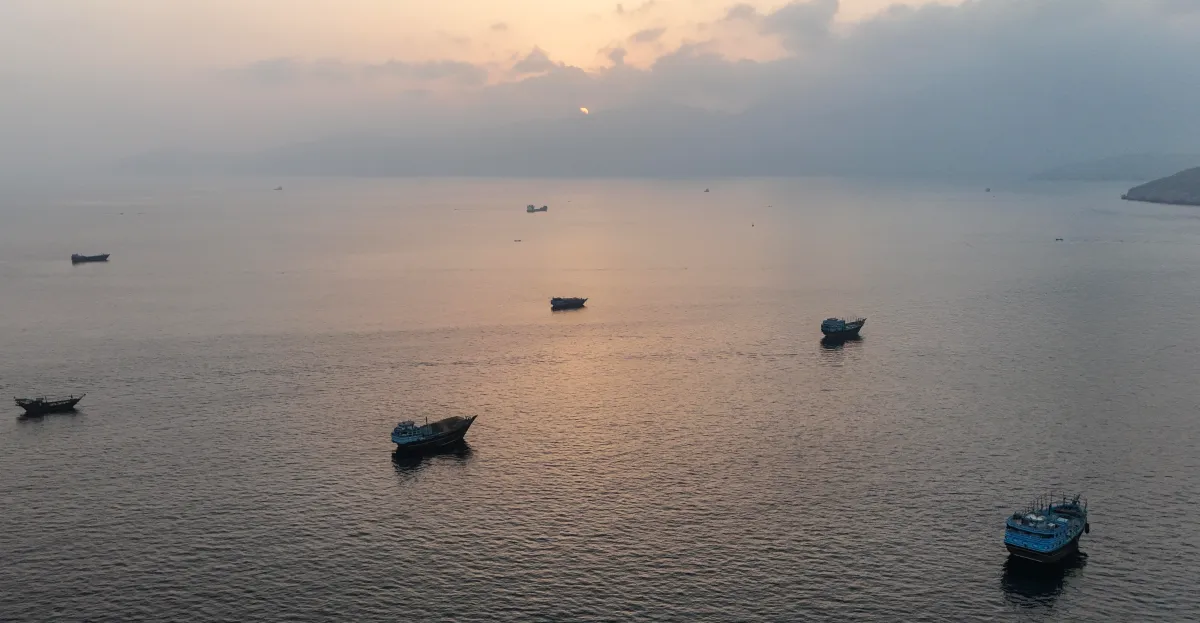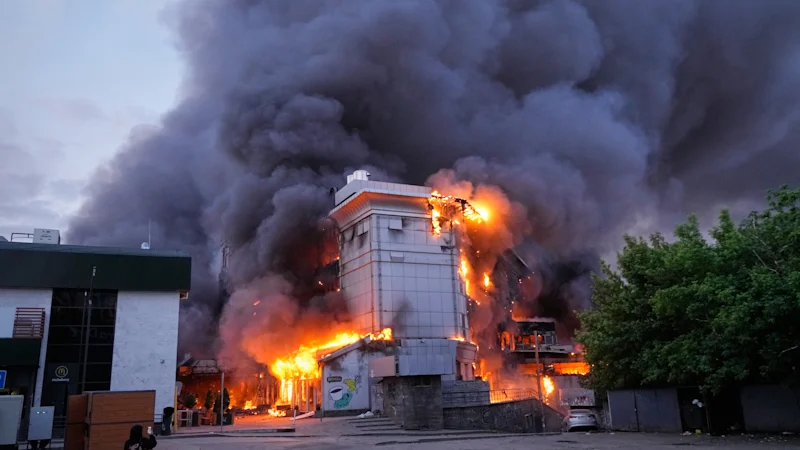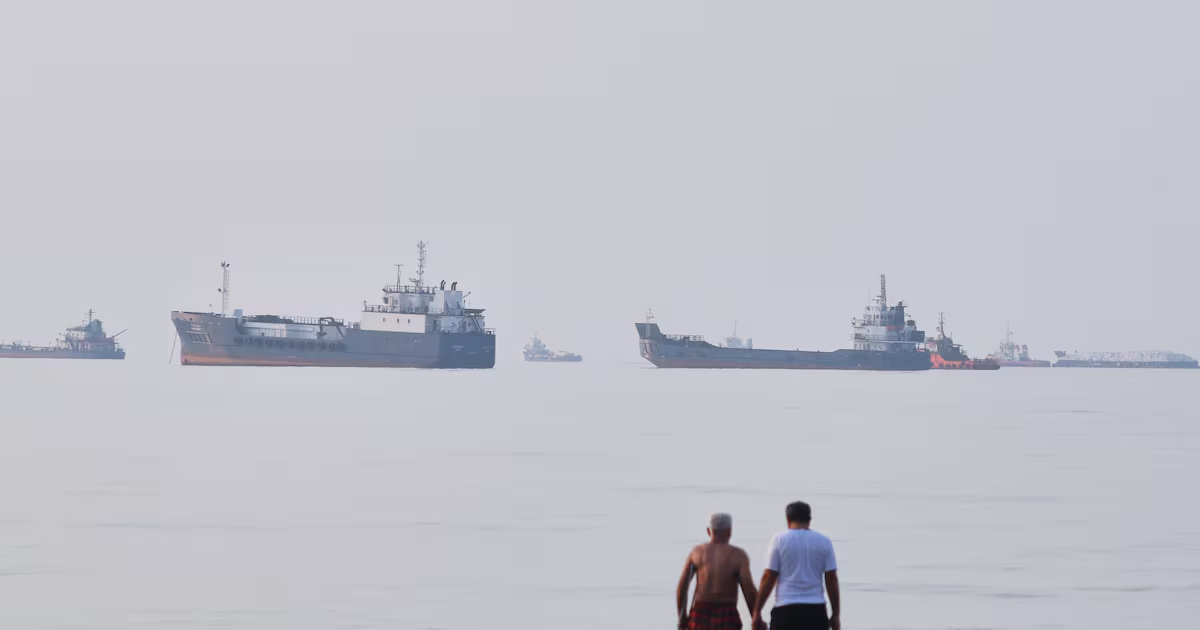
Just several weeks after the US announced a Memorandum of Understanding with the Islamic Republic of Iran, the war that began in late February appears to be entering a new phase of hostilities.Renewed US and Iranian strikes, heavy rhetoric from US President Donald Trump at the recent NATO summit in Ankara, attacks on American facilities across the Gulf, and a sharp decline in shipping through the Strait of Hormuz suggest that the agreement has not stabilized the region.JOIN US ON TELEGRAMFollow our coverage of the war on the @Kyivpost_official.For Ukraine, whose government considers Iran an enemy state because of Tehran’s military assistance to Russia and thus becomes an indirect participant in this conflict, the story offers several important lessons as a new wave of escalation appears to be unfolding.Lesson 1: Superpowers miscalculate tooThe Iran war began with significant early successes for the US-Israeli side.Over several days, the joint operation, during which Supreme Leader Ali Khamenei and other senior figures were reportedly killed, demonstrated overwhelming military superiority. While it remains unclear which side was responsible for specific parts of the operation, Iran’s regime appeared vulnerable.Key infrastructure, including on Kharg Island, was damaged, with Israeli politicians, including Likud’s Amir Weitmann, telling Kyiv Post that the war was exceeding expectations.But as the conflict unfolded, it exposed several uncomfortable realities.One was the apparent lack of preparation for second-order effects, including threats to the Strait of Hormuz and Iranian retaliation against Gulf states. As a result, Tehran quickly acquired leverage despite its military setbacks, not least through the resulting spike in oil prices and fears of a wider regional economic crisis.
What the Iran War Can Teach Ukraine About America, NATO, and the Middle East
The renewed escalation between the US, Israel and Iran offers Ukraine several lessons on military planning, alliance politics, Middle East diplomacy, and the limits of Russia’s global reach.
1,720 words~8 min read