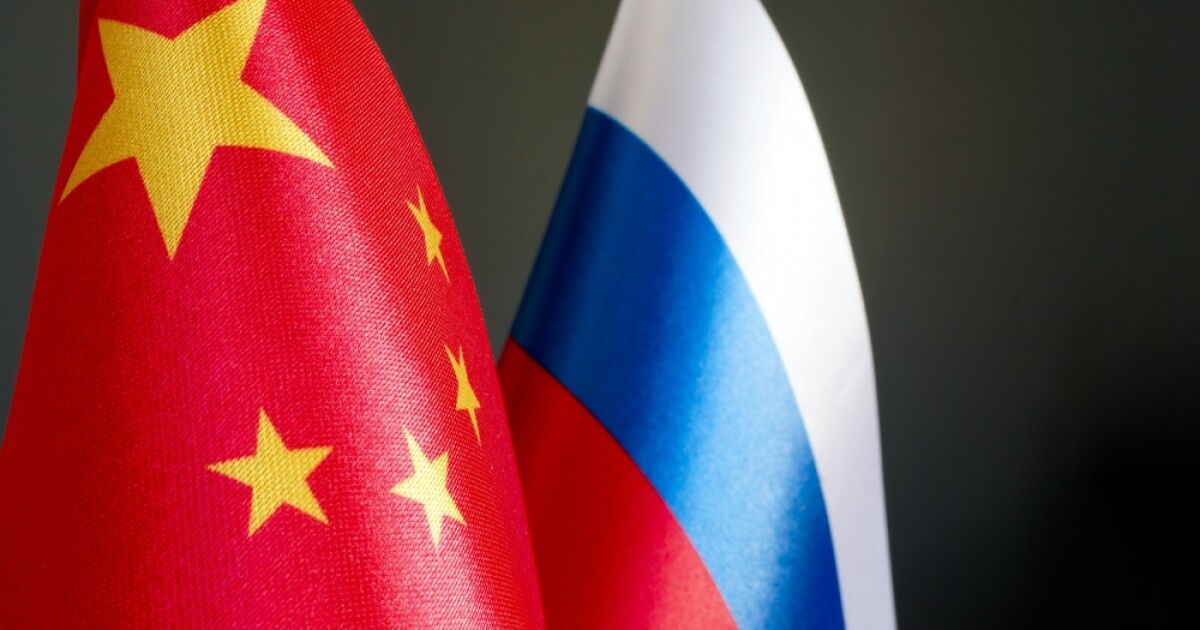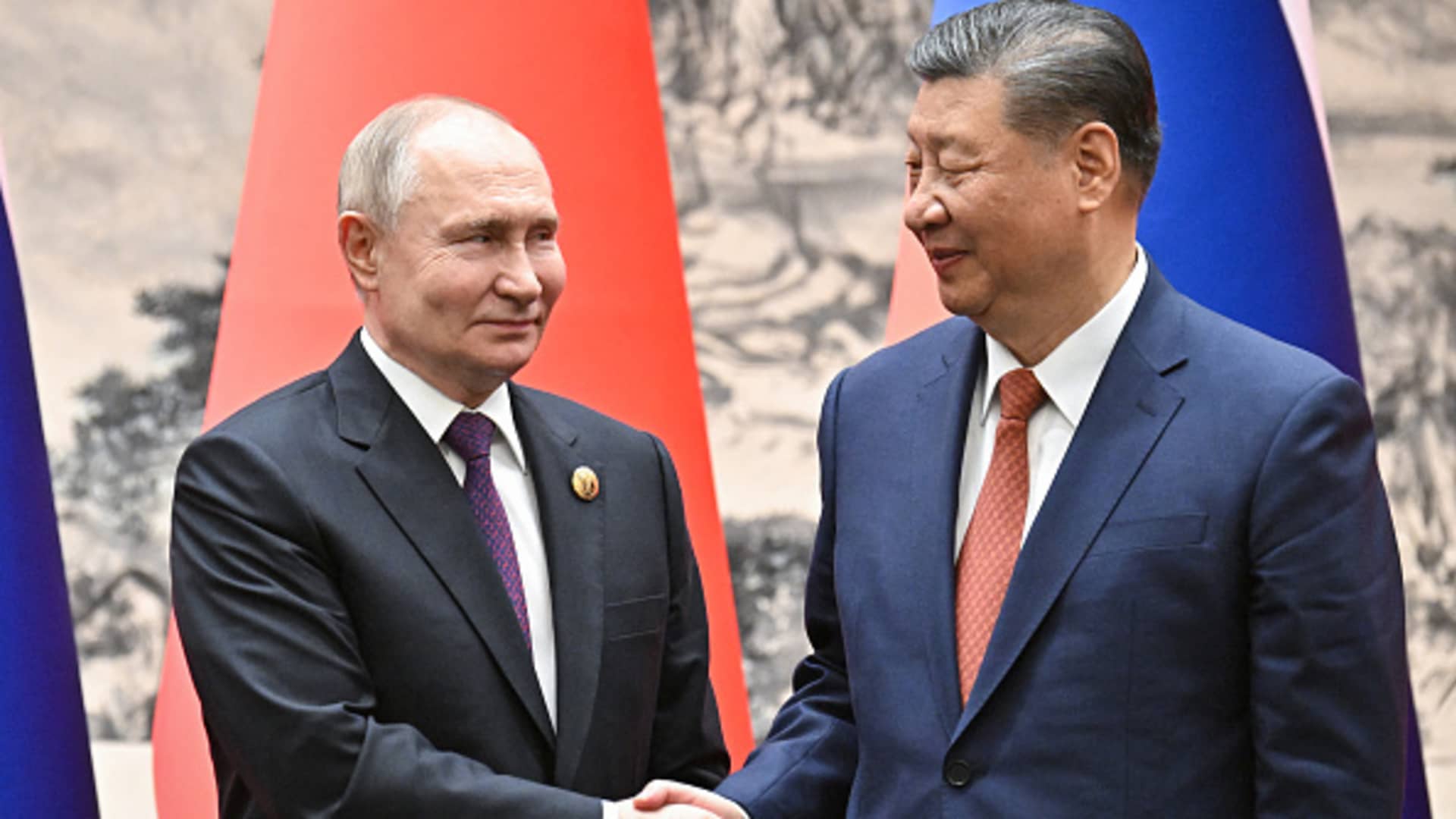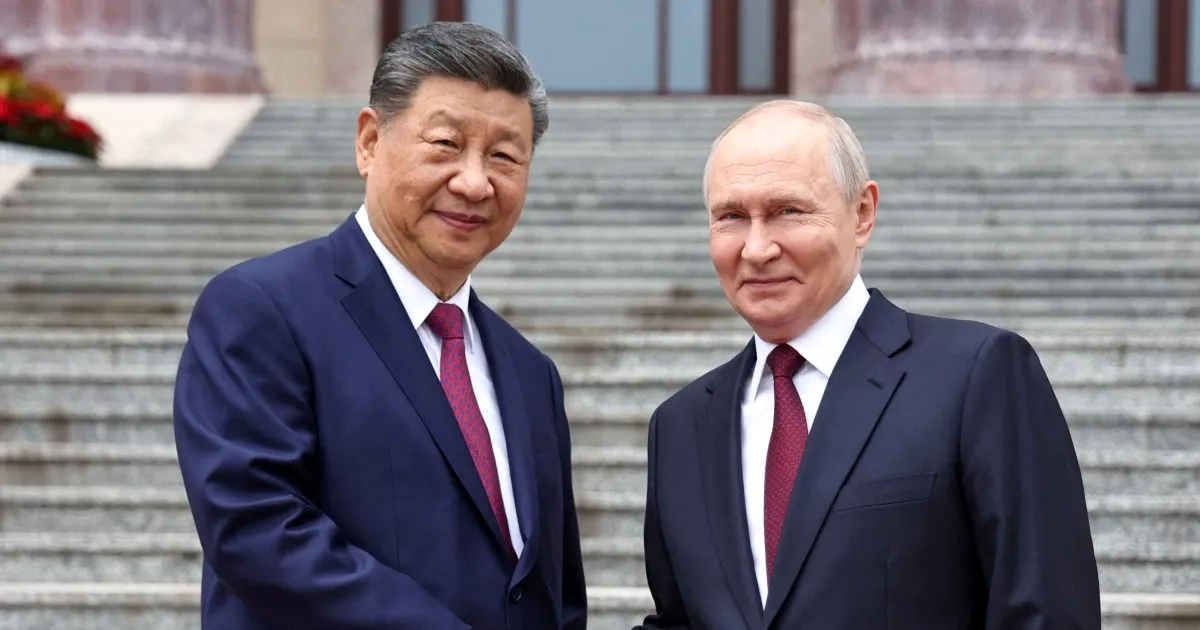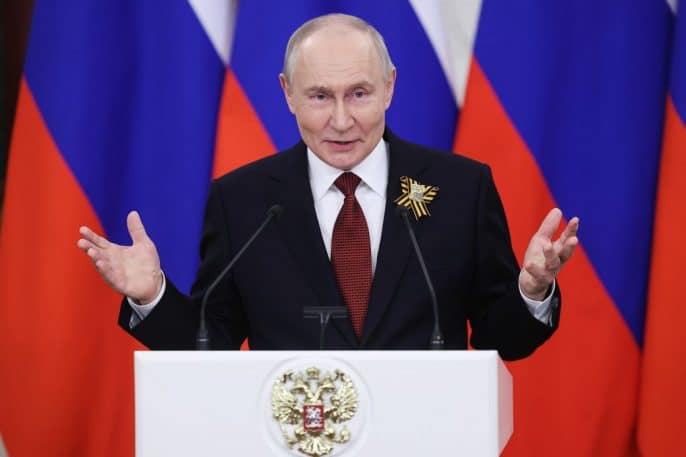
Vladimir Putin announced that Russia is nearing what he called a “serious” gas and oil deal with China, a statement that carries significant weight given the two countries have been negotiating the Power of Siberia 2 pipeline for years. The deal, if finalized on the terms being discussed, would represent one of the largest energy agreements of the decade and fundamentally alter how fossil fuels flow across the Eurasian continent.
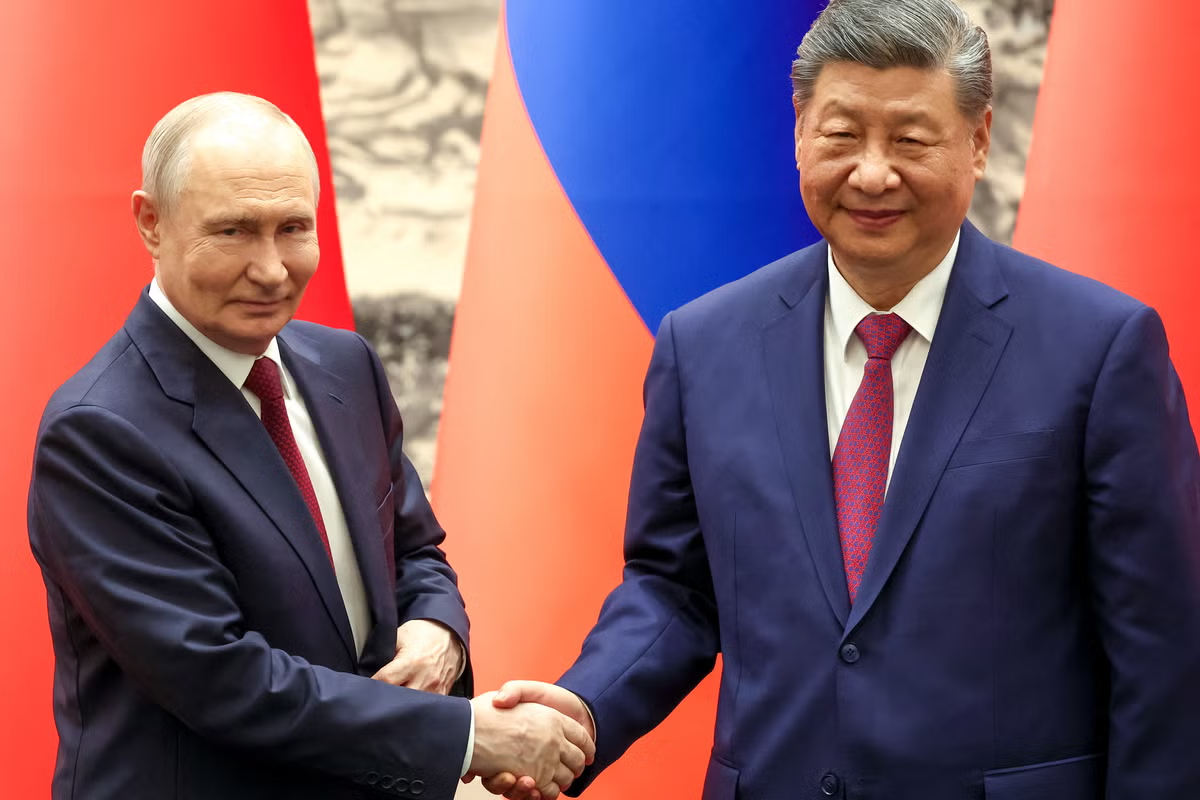
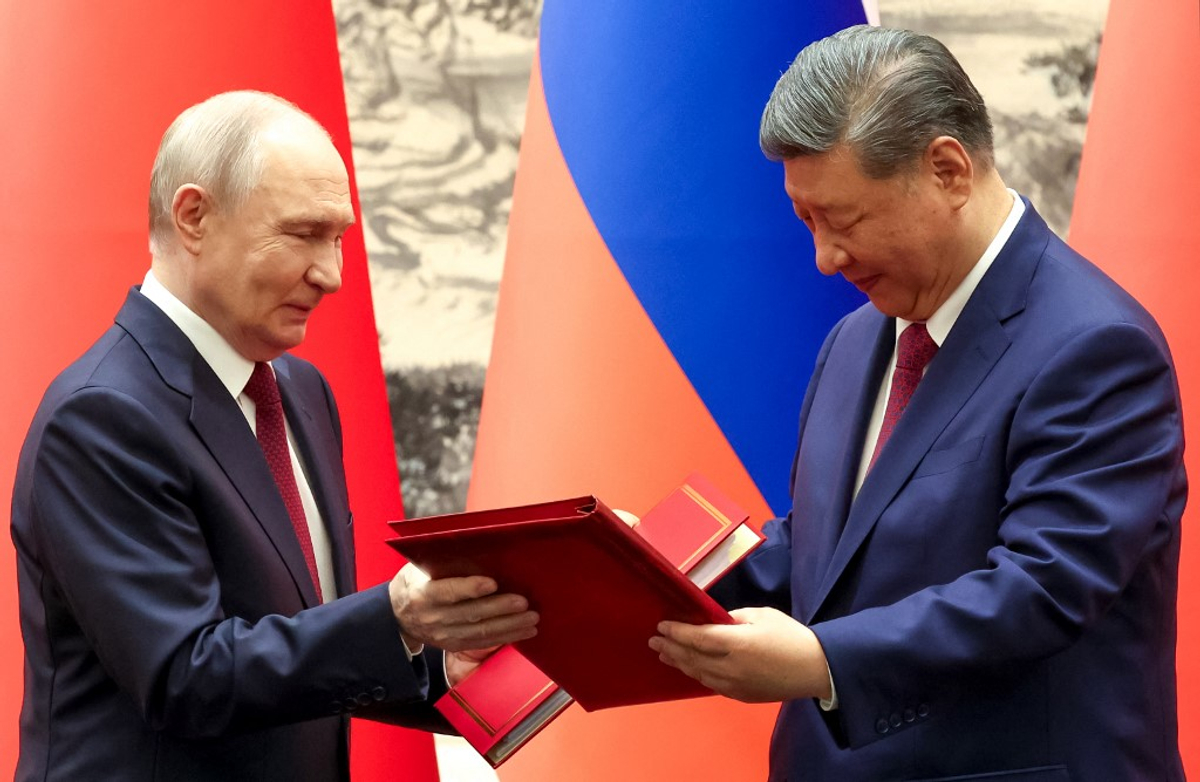
A legally binding agreement for the pipeline was reportedly signed on September 2, 2025, during a summit between Putin and Chinese President Xi Jinping. But here’s the thing: key details, including pricing and a confirmed timeline, are still pending confirmation from the Chinese side.
What the deal actually looks like
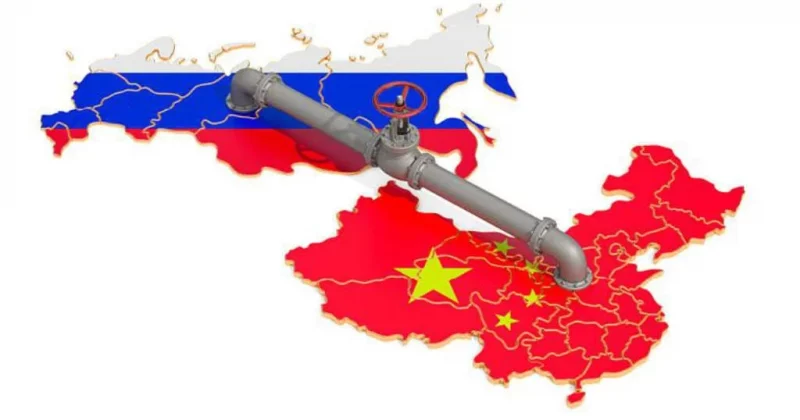
The Power of Siberia 2 pipeline would stretch roughly 2,600 kilometers from Russia’s Yamal Peninsula, cutting through Mongolia, and terminating in northern China. It’s designed to carry up to 50 billion cubic meters (bcm) of natural gas per year over a 30-year period, with initial deliveries targeted for 2030.
Post-2030, estimates suggest Russia could supply more than 100 bcm per year to China. That would account for over 20% of China’s projected gas demand in that year.