New JEDEC® SPHBM4 Standard Enables HBM4-Class Bandwidth on Organic Substrates
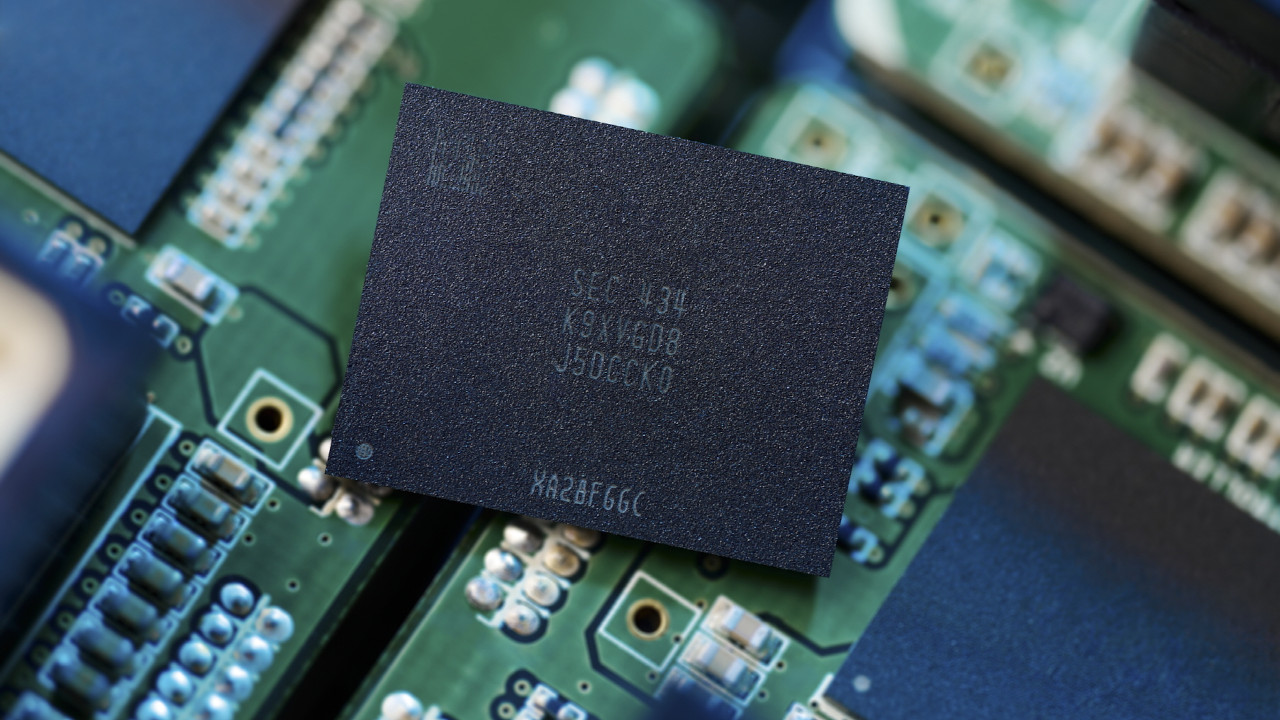
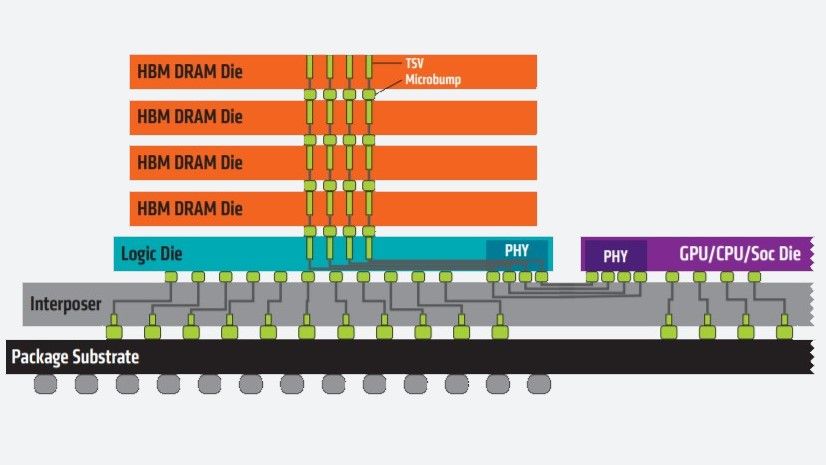
JEDEC Solid State Technology Association, the global leader in standards development for the microelectronics industry, today announced the publication of JESD330-4: Standard Package High Bandwidth Memory (SPHBM4). SPHBM4 uses the same DRAM dies as HBM4, commonly used in artificial intelligence accelerators, with a new interface base die that enables mounting on standard organic substrates rather than silicon substrates. JESD330-4 is available for download from the JEDEC website.
JESD330-4 SPHBM is architected to operate at the same aggregate data throughput as HBM4 using fewer pins by operating at a higher frequency. Where the HBM4 interface has 2048 data signals, when published, SPHBM4 will define 512 data signals with 4:1 serialization to achieve the same bandwidth. This change allows the relaxed bump pitch required for connection to organic substrates.
Since SPHBM4 uses the same memory core layers as HBM4, total memory capacity per stack capability is identical. However, an added benefit of organic substrate routing is a longer supported channel length from the SoC to the memory, potentially increasing the total number of SPHBM stacks and therefore total memory capacity.