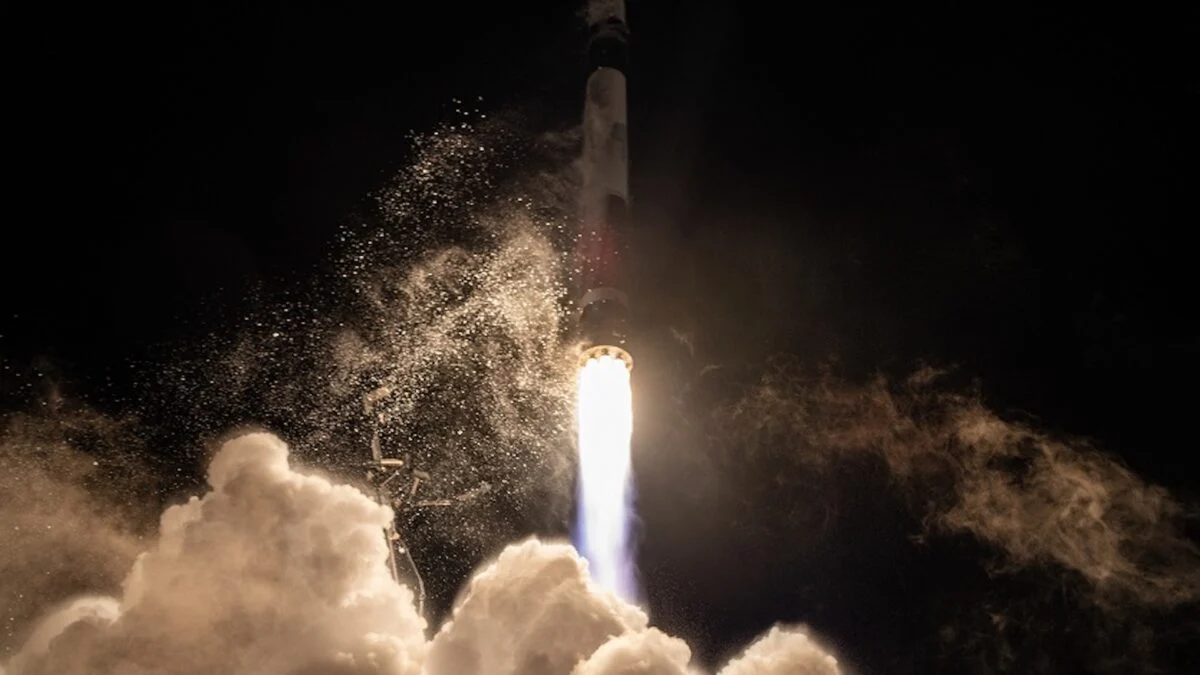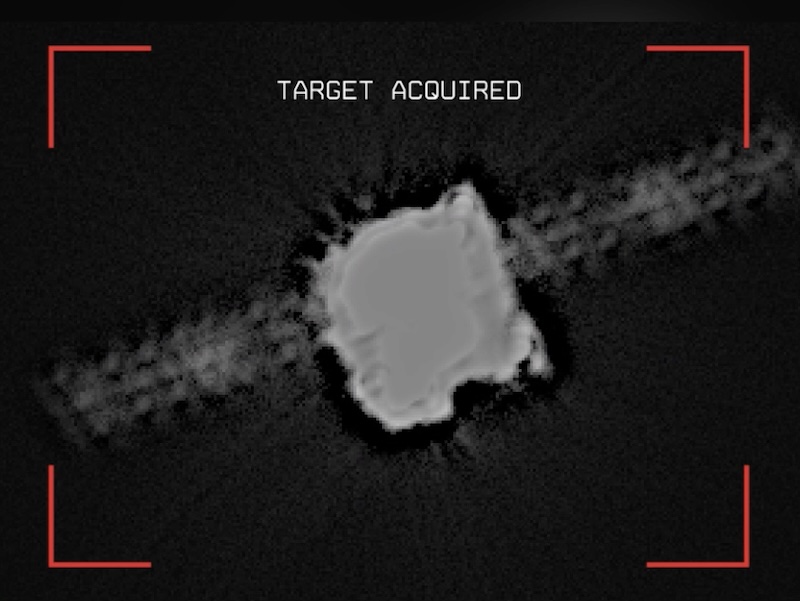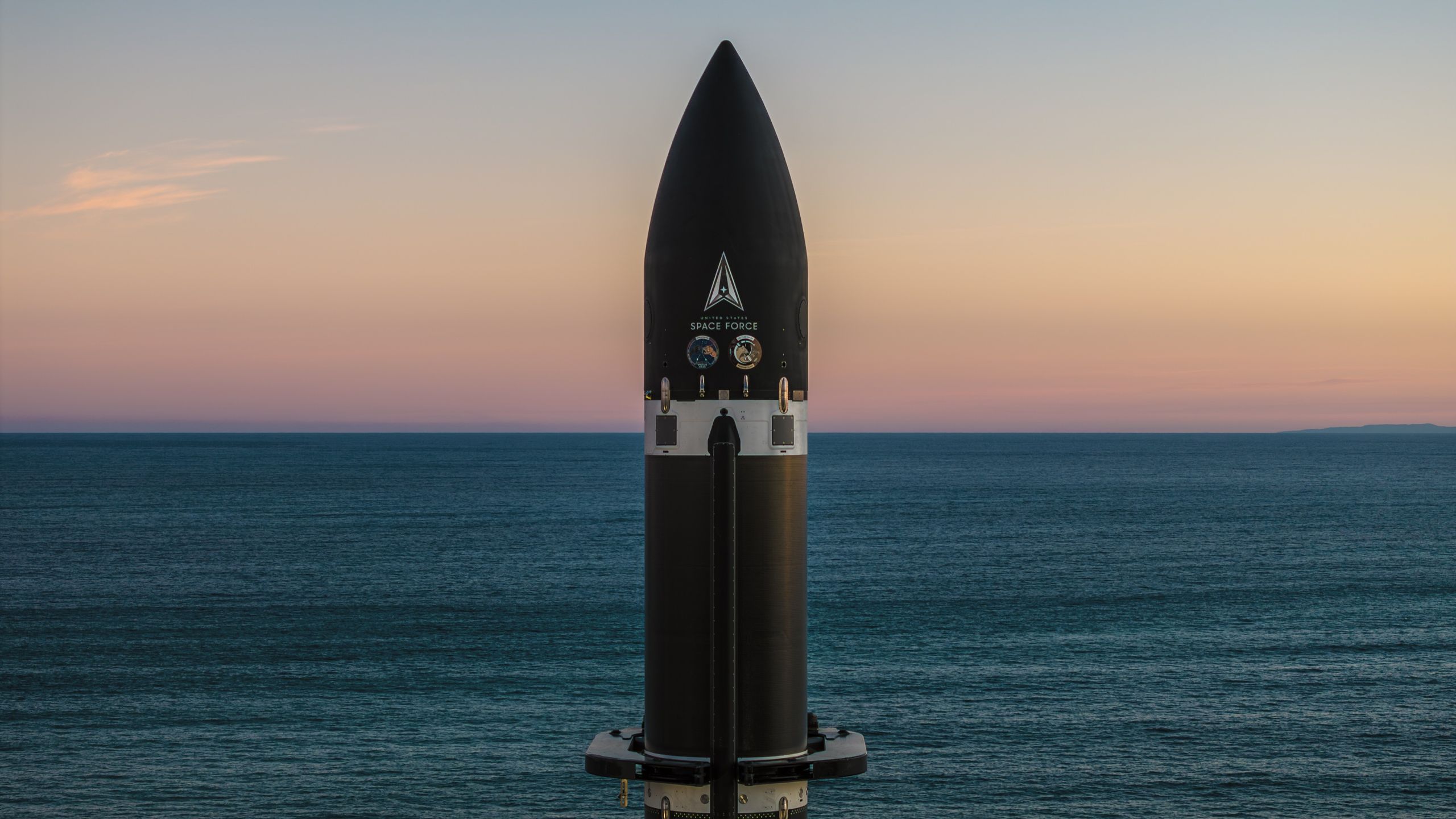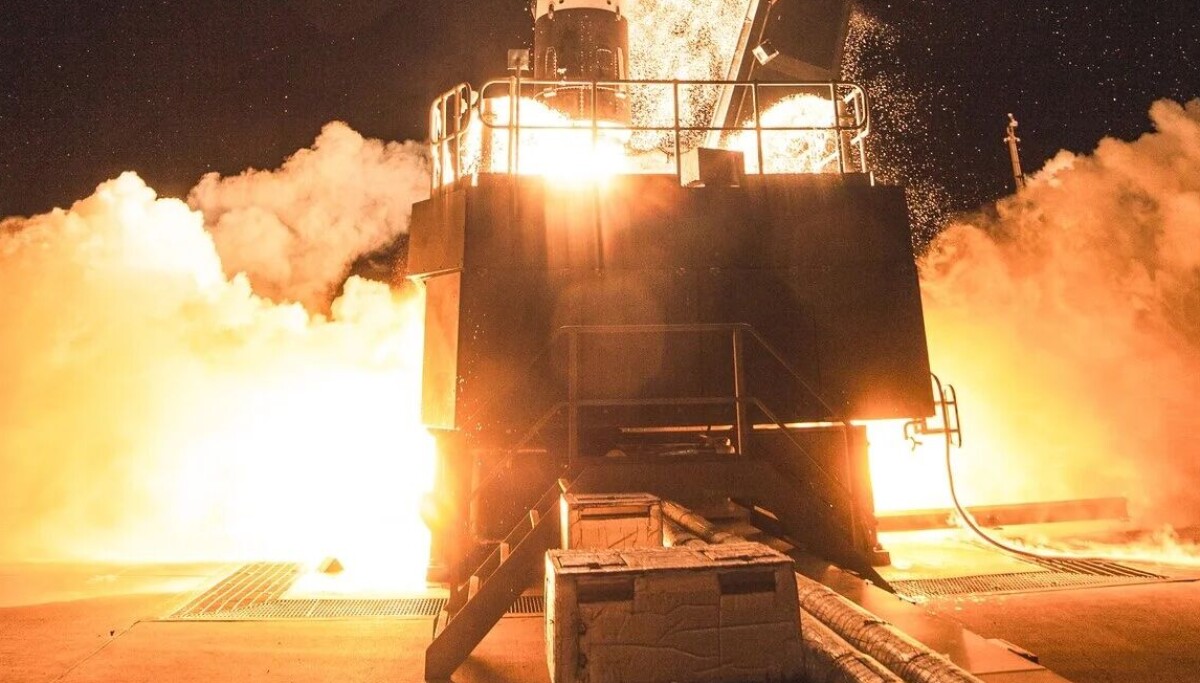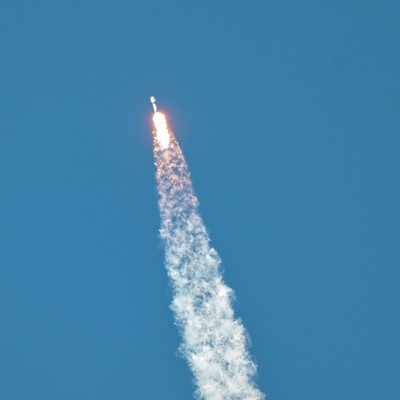
WASHINGTON — With the first, threshold-setting missions for the Space Force’s Victus Haze demonstration now complete, space firms Rocket Lab and True Anomaly will undertake several sets of maneuvers over the next six months in a celestial game of tag — trading roles as chaser and chased, according to executives from both companies.
The point of the game is to demonstrate rendezvous and proximity operations (RPO), which involve close maneuvers around a target satellite to either surveil it, as is the primary goal of Victus Haze; help it, for exampling by refueling; or, in the case of on-orbit combat, hurt it.
Victus Haze is the second of several Victus demos planned under the service’s Tactically Responsive Space (TacRS) program.
The first mission, named Victus Nox and launched in September 2023, was praised by senior Space Force officials as a game-changer for the service in future great power competition. Under that demonstration, Firefly Aerospace launched a maneuverable space vehicle developed by Boeing’s Millennium Space Systems.
Victus Haze goes a step further and is “interesting because [the two firms will] be taking turns for various roles throughout the mission [to] practice tactics and operational concepts for dealing with on-orbit threats,” Even Rogers, founder and CEO of True Anomaly, told Breaking Defense. “And so, we change, we switch roles, but we don’t have a designated role, it just depends on the mission we’re doing.”