A Falcon 9 rocket carrying the Starfall Demo mission successfully launches from Space Launch Complex 40 at Cape Canaveral Space Force Station, Florida, on June 23, 2026.
U.S. Space Force photo illustration / Gwendolyn Kurzen
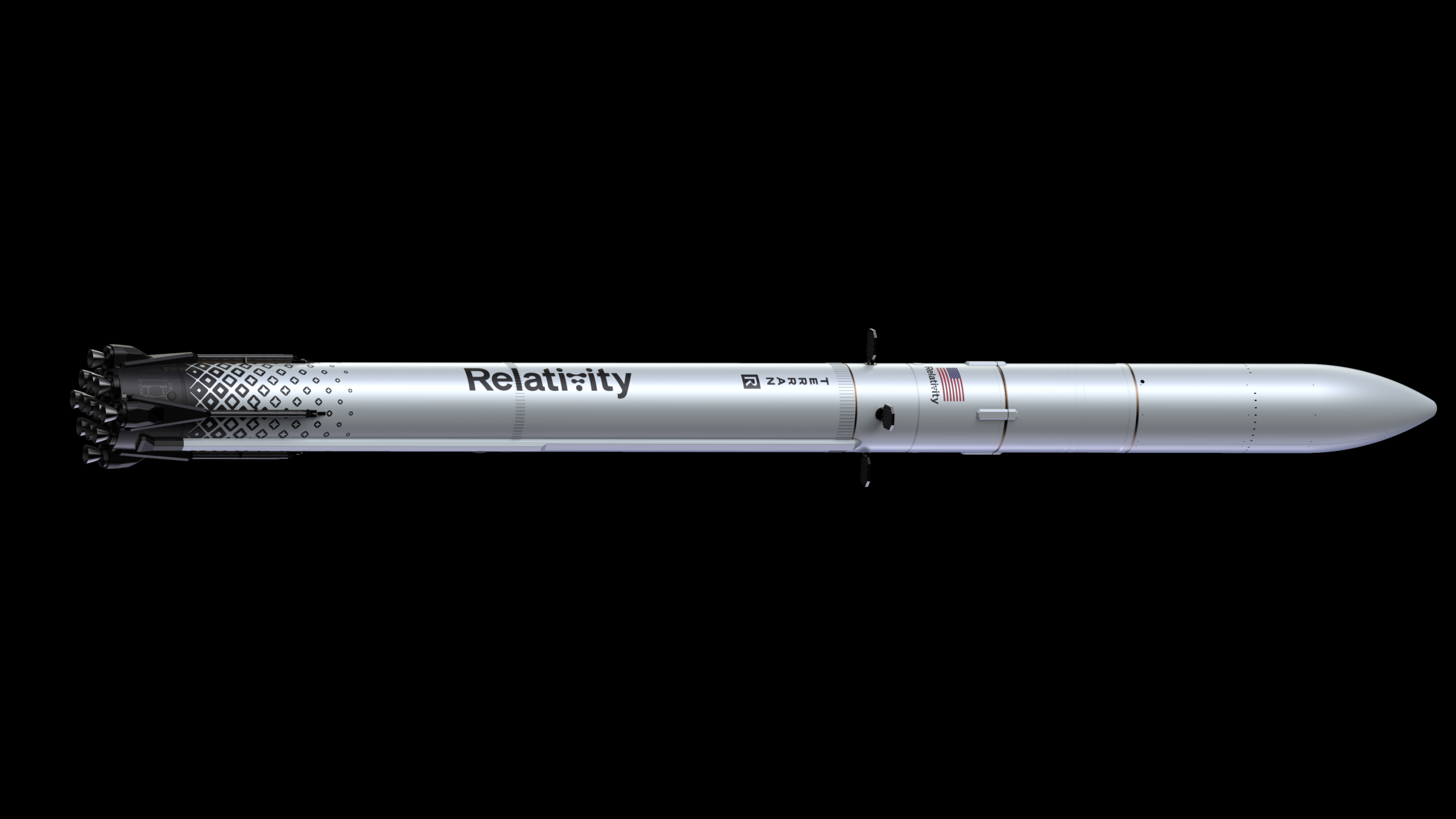
Space Force officials have tapped two startup companies to compete for future national security launch missions, expanding the service’s growing list of providers as the military’s demand for orbital capabilities skyrockets. California-based firms Impulse Space and Relativity Federal have both been added to the Space Force’s National Security Space Launch Phase 3 Lane 1 contract, reserved for its more accessible and lower-risk missions. Both companies will receive a $5 million firm-fixed-price task order, indefinite-delivery indefinite-quantity contract “to conduct an initial capabilities assessment and develop their approach to tailored mission assurance,” Space Systems Command officials said Wednesday in a news release. The two firms will be able to compete against Blue Origin, SpaceX, United Launch Alliance, Rocket Lab, and Stoke Space for future launch contracts.“These new awardees, together with the other providers already on the Lane 1 contract, are building the next generation of launch vehicles. This is critical at a time when our launch cadence is rapidly increasing and our customers are relying on us to deliver everything they need to provide for the security of our nation and allies,” Space Force Col. Eric Zarybnisky, the acting space access portfolio acquisition executive, said in the news release. The additions of Relativity Federal and Impulse Space come amid a growing demand for national security launch capabilities. Space Force officials expect upwards of 100 such missions over the next five years, according to the latest budget request. Over the next decade, service leaders speculate that demand could swell to upwards of 3,000 launches from its two launch sites by 2036, according to an April service document. The Lane 1 contract method, aimed at expanding the number of qualified providers, “focuses on rapid contract award, streamlined integration phases and reduced timelines from award to launch,” according to the news release.