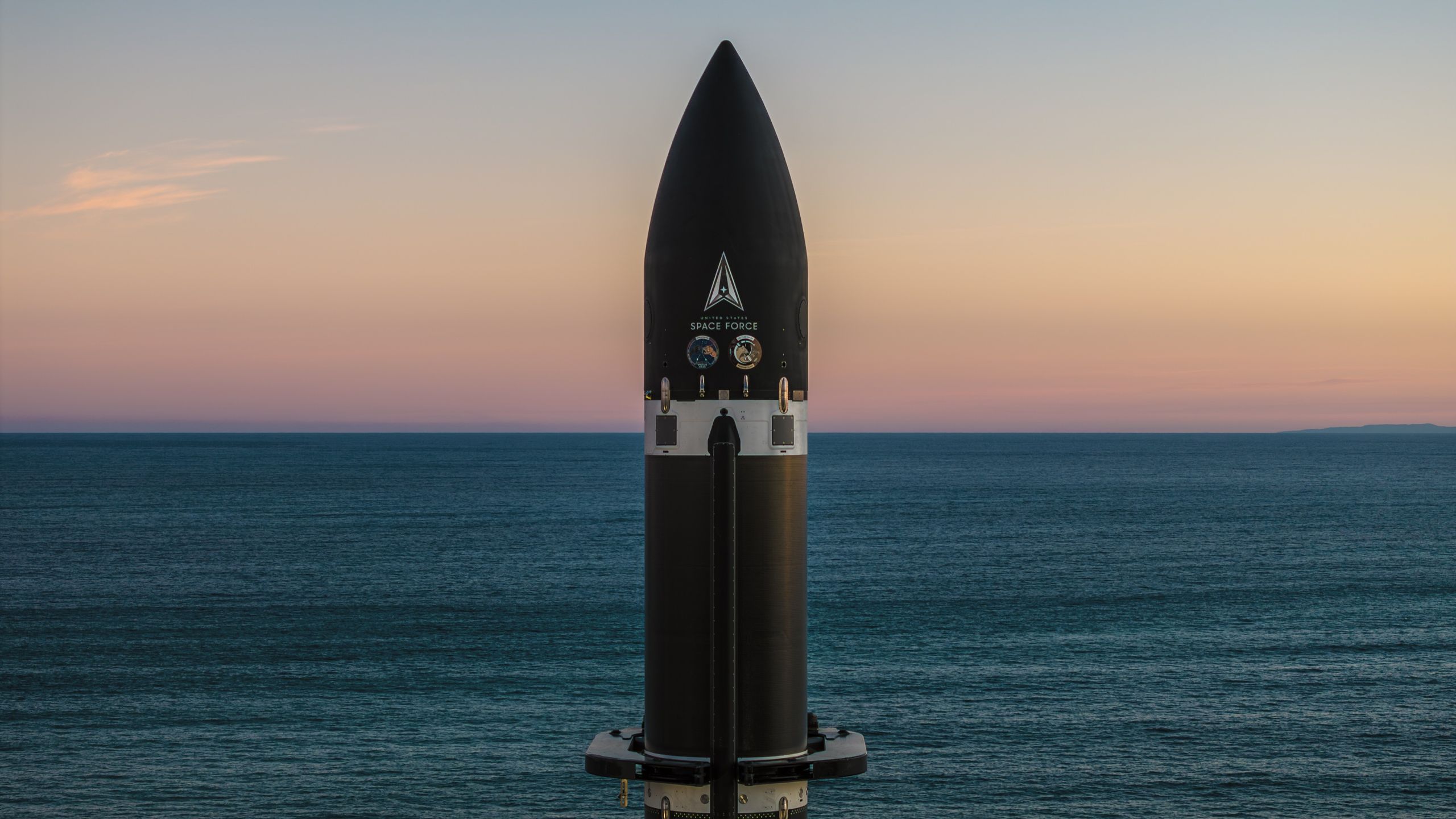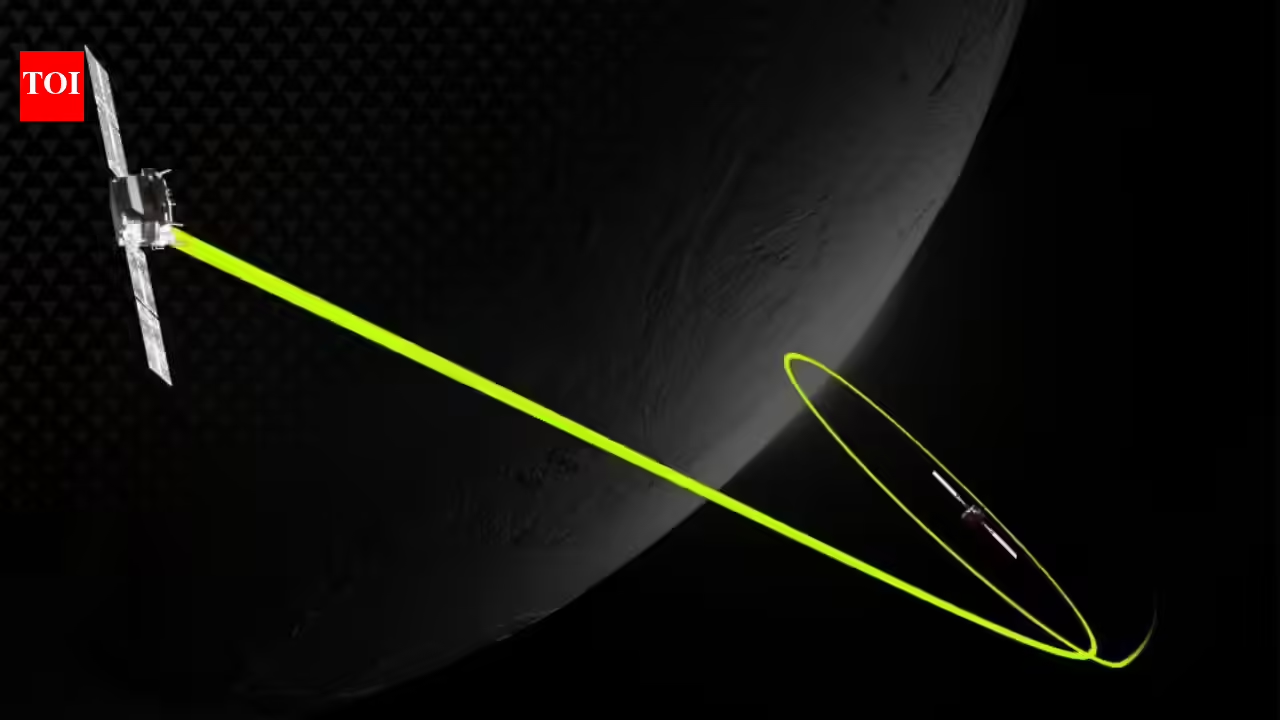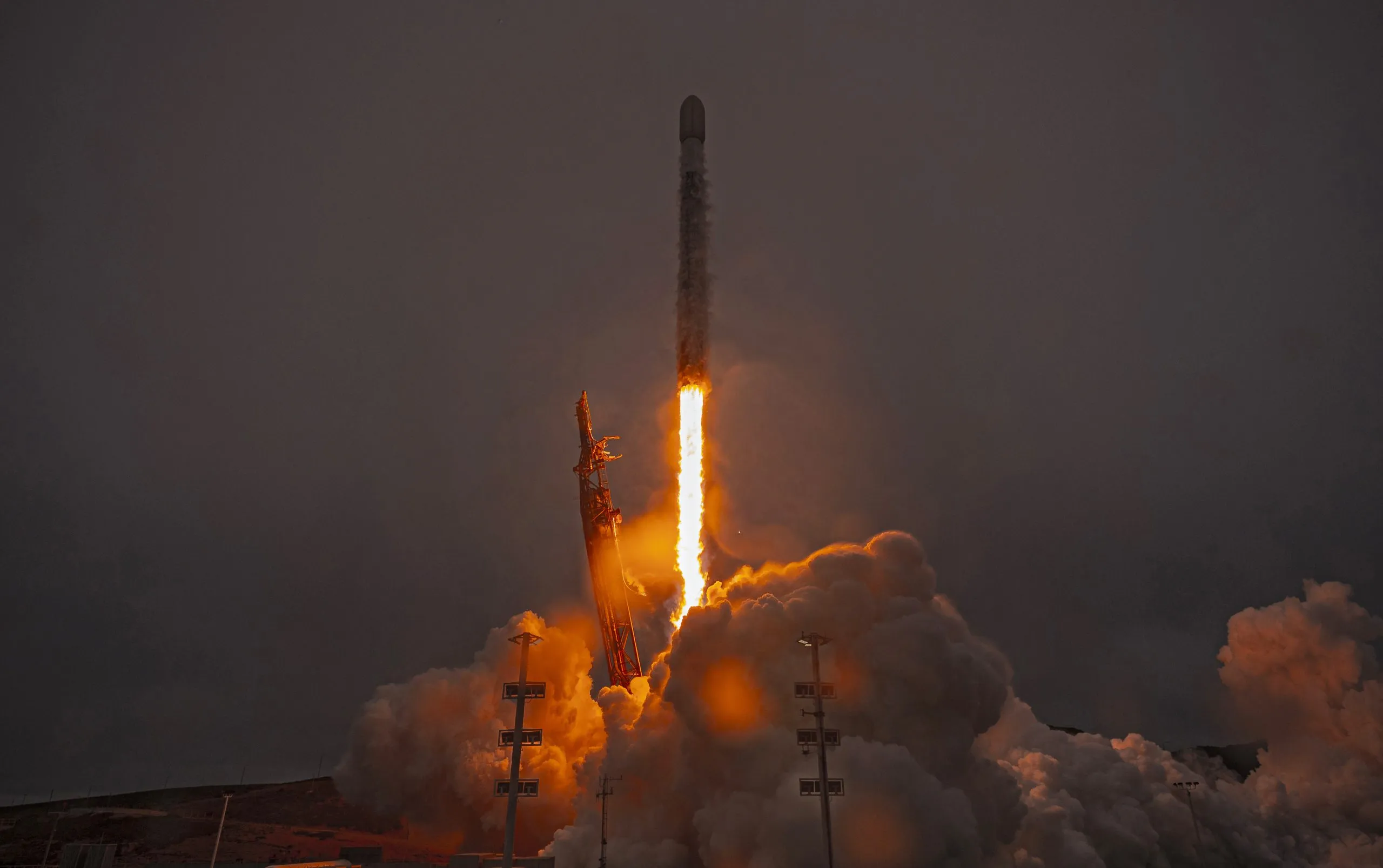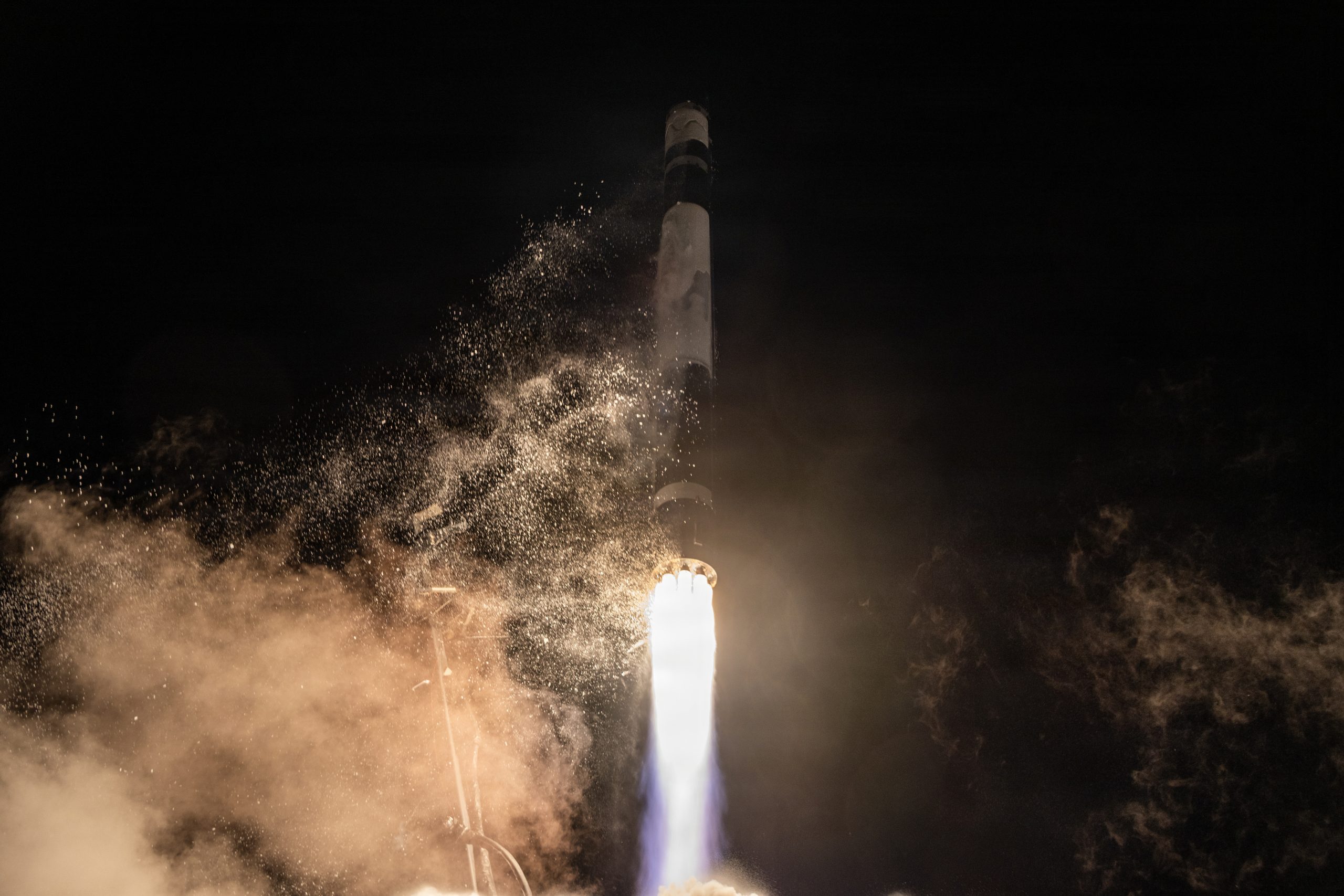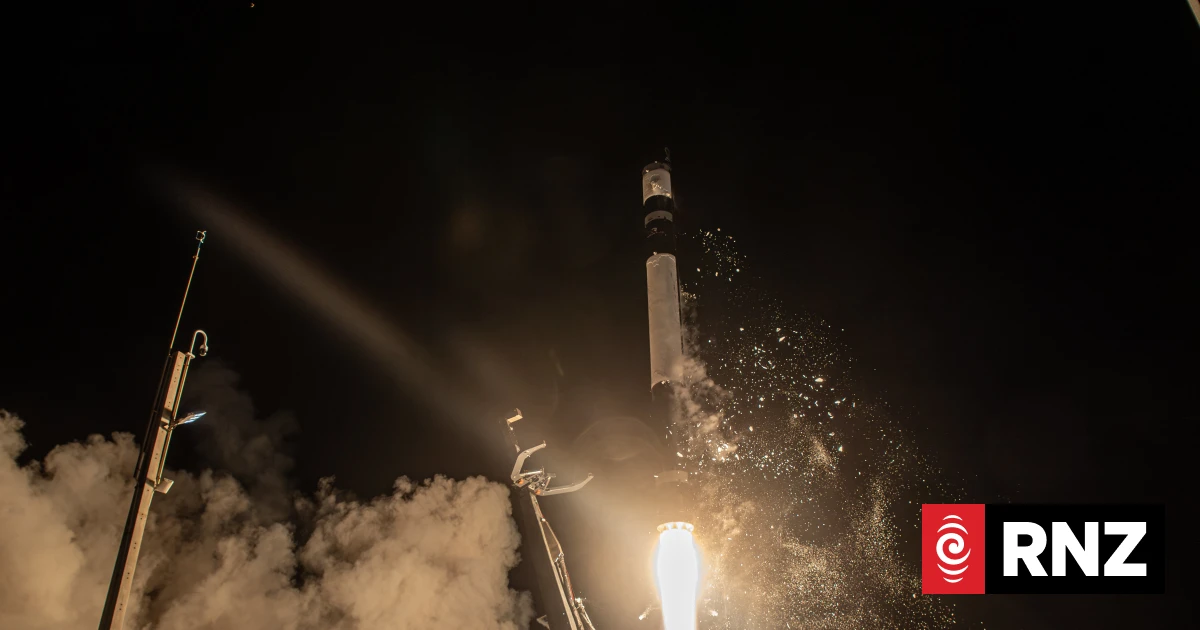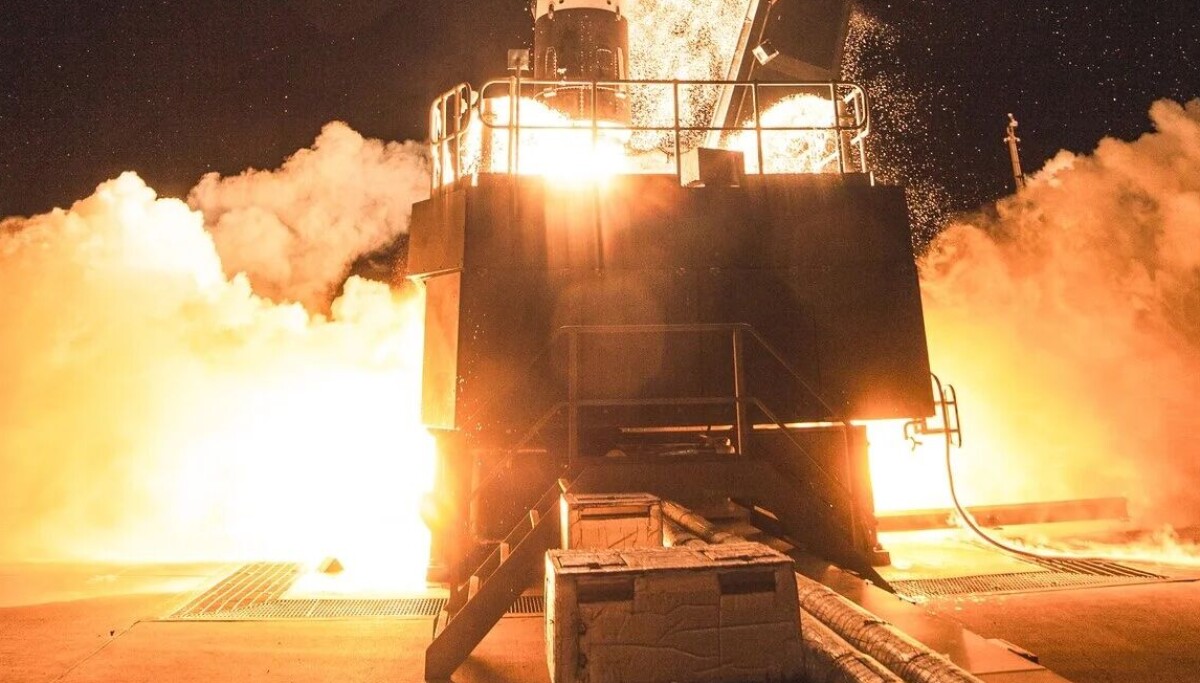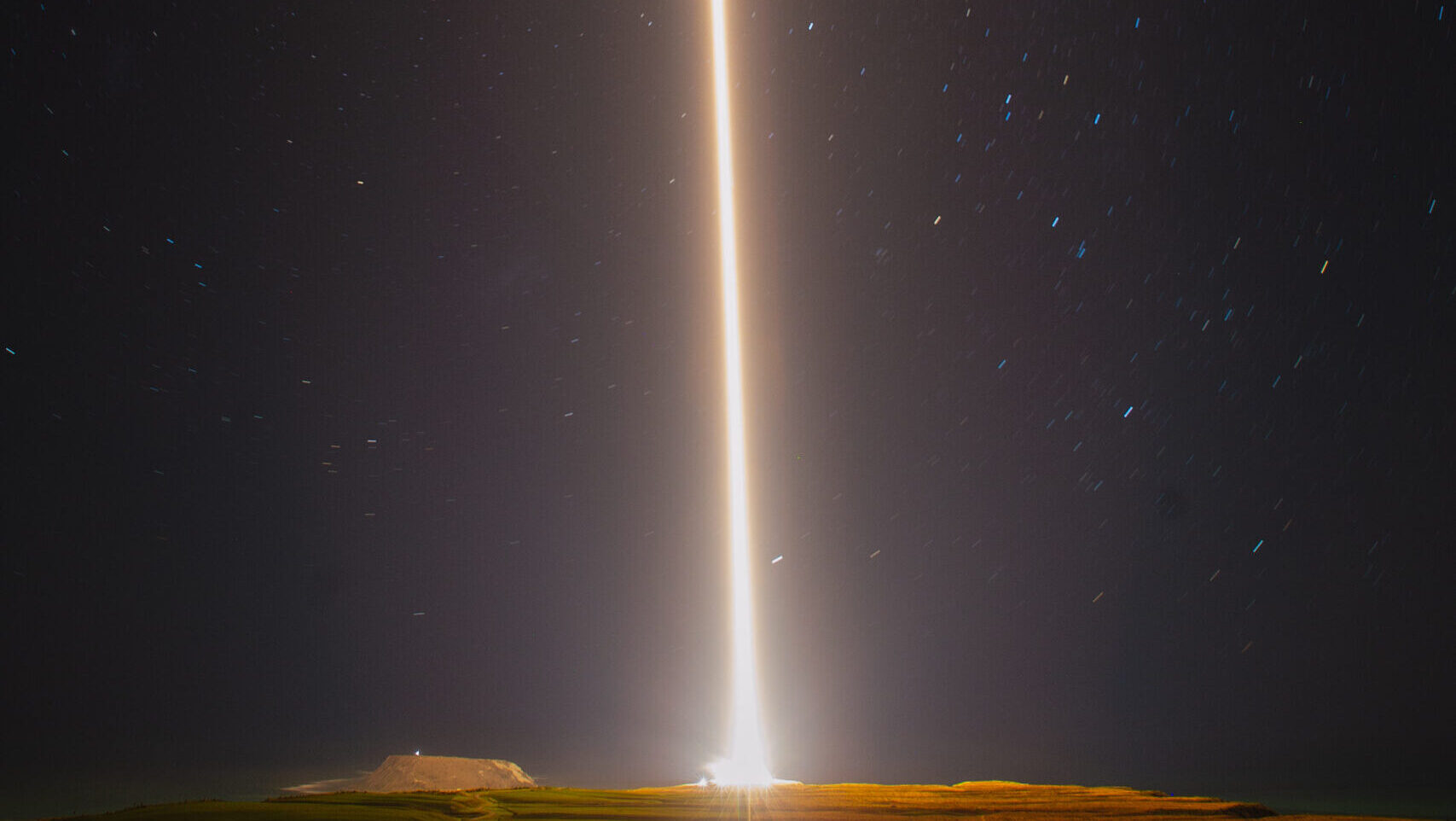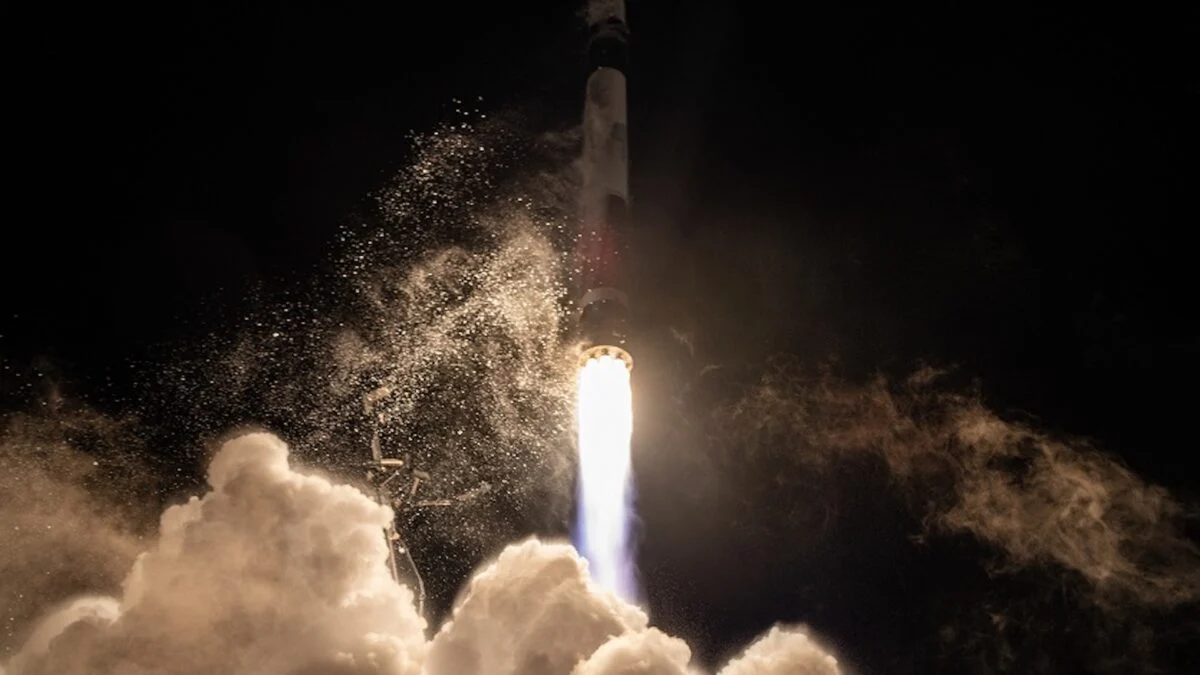
The U.S. Space Force launched two satellites to orbit and engaged them in a game of cat and mouse to prepare for possible hostile scenarios in space. The Victus Haze mission lifted off on board Rocket Lab’s Electron rocket on June 19, delivering the company’s Puma satellite to Earth orbit in record time. Another satellite, True Anomaly’s JACKAL-0004 vehicle, was already in space awaiting the launch of its counterpart. Once they met, the satellites performed a series of evasive maneuvers to simulate the interception of potential adversary spacecraft. The orbital simulation is part of the Space Force’s efforts to respond to urgent threats in orbit, relying on commercial partners to rapidly launch satellites for a space hunt. Launch on demand The Space Force’s Tactically Responsive Space (TacRS) program is designed to ensure its ability to “respond to irresponsible behavior on orbit under operationally realistic conditions,” Bryon McClain, acting Space Force portfolio acquisition executive (PAE) for Space Combat Power, said in a statement.
For its most recent demonstration, the Space Force gave Rocket Lab a 24-hour notice to launch its Puma satellite. In response, the company launched the mission in just 16 hours and 42 minutes, setting a new spaceflight readiness record. Rocket Lab activated and readied the satellite for its first orbital maneuver in 37 hours and 36 minutes, beating a 72-hour deadline to fully commission the spacecraft.