Militaries routinely send satellites to fly by rival vehicles and suss out their capabilities, but scaling up this kind of reconnaissance is increasingly seen by the US military as a challenge best handled by the private sector.
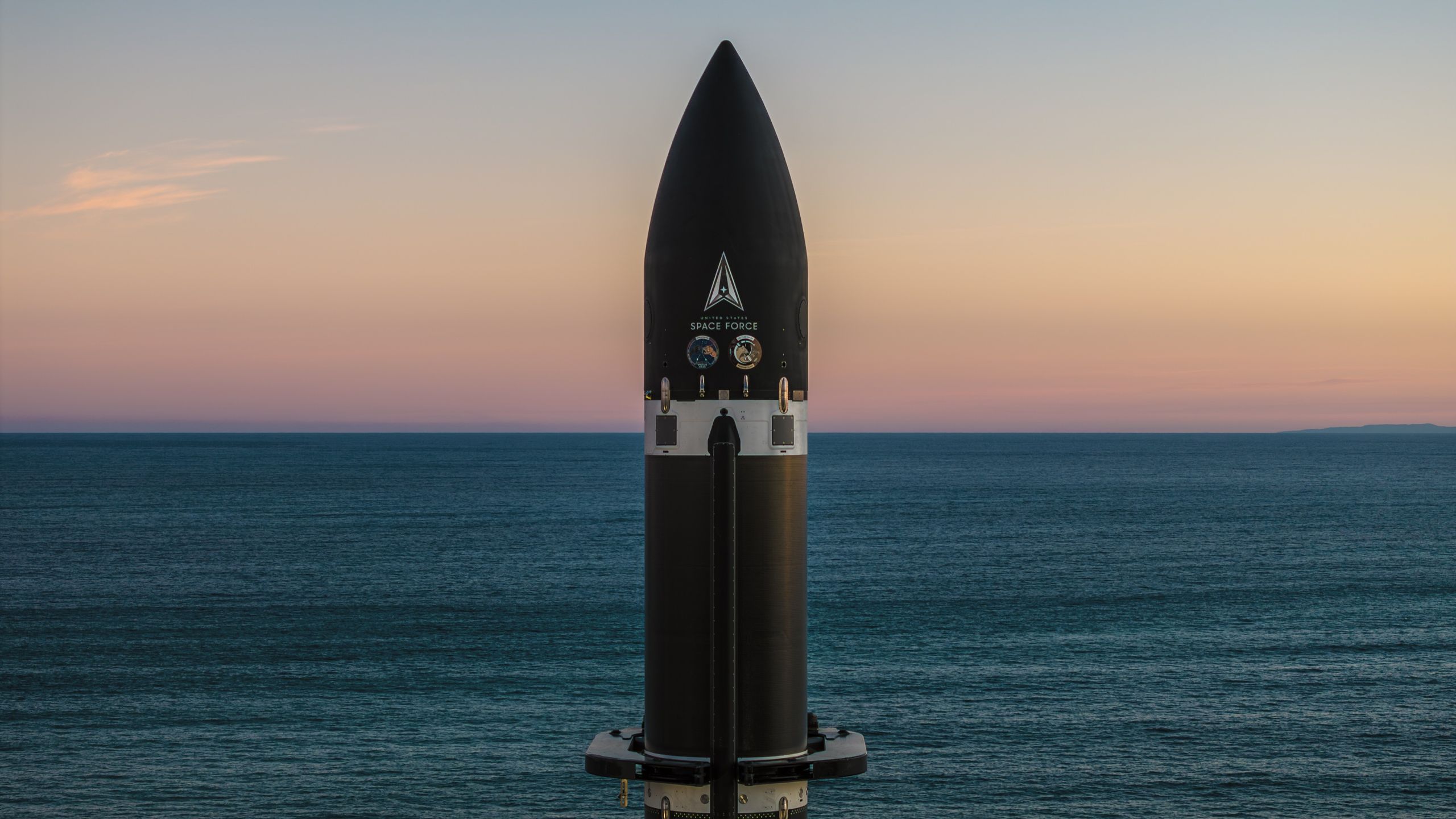
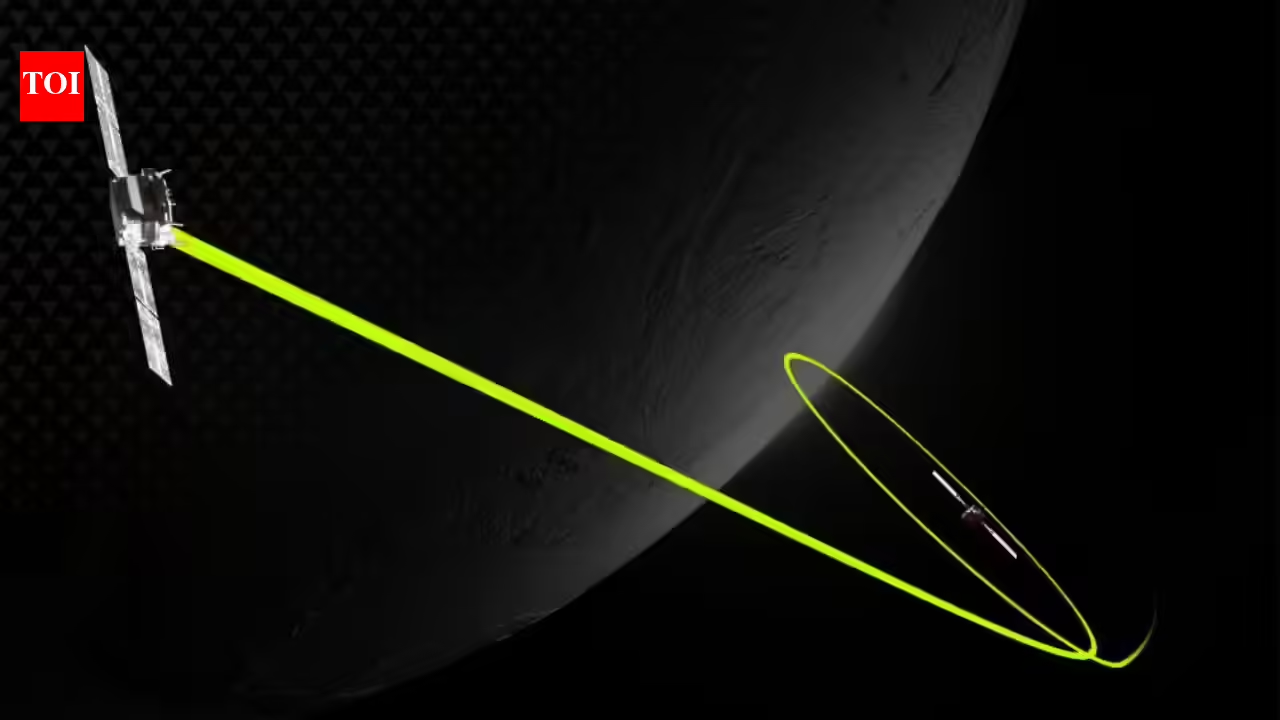
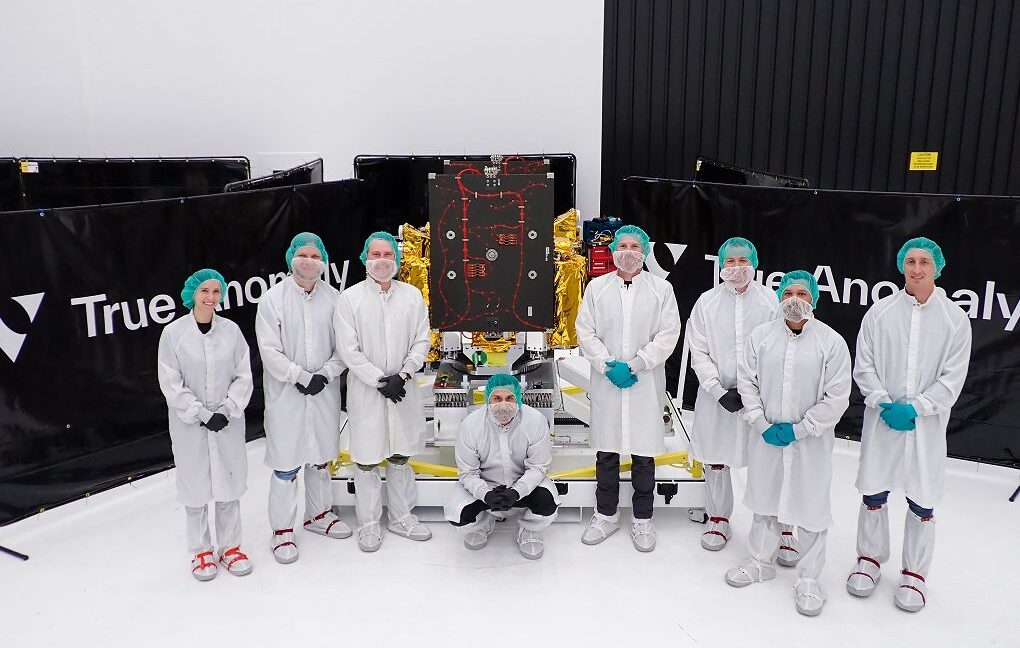
That’s why two space startups, True Anomaly and Rocket Lab, completed a rendezvous mission for the US Space Force last week so complex, it was like something out of Top Gun. Their two rival satellites met up in orbit, close enough for one to capture imagery of the other.
The exercise, dubbed Victus Haze, demonstrated the close inspection of a space vehicle soon after it arrived in orbit, a necessity in a world where the US, Russia and China are deploying novel space weapons.
“China and Russia launch capabilities to space on a regular basis and part of the Space Force’s job is to understand what those capabilities are,” True Anomaly CEO Even Rogers, a veteran of the US military’s space efforts, told TechCrunch. “Right now we have gaps in our collection capability.”
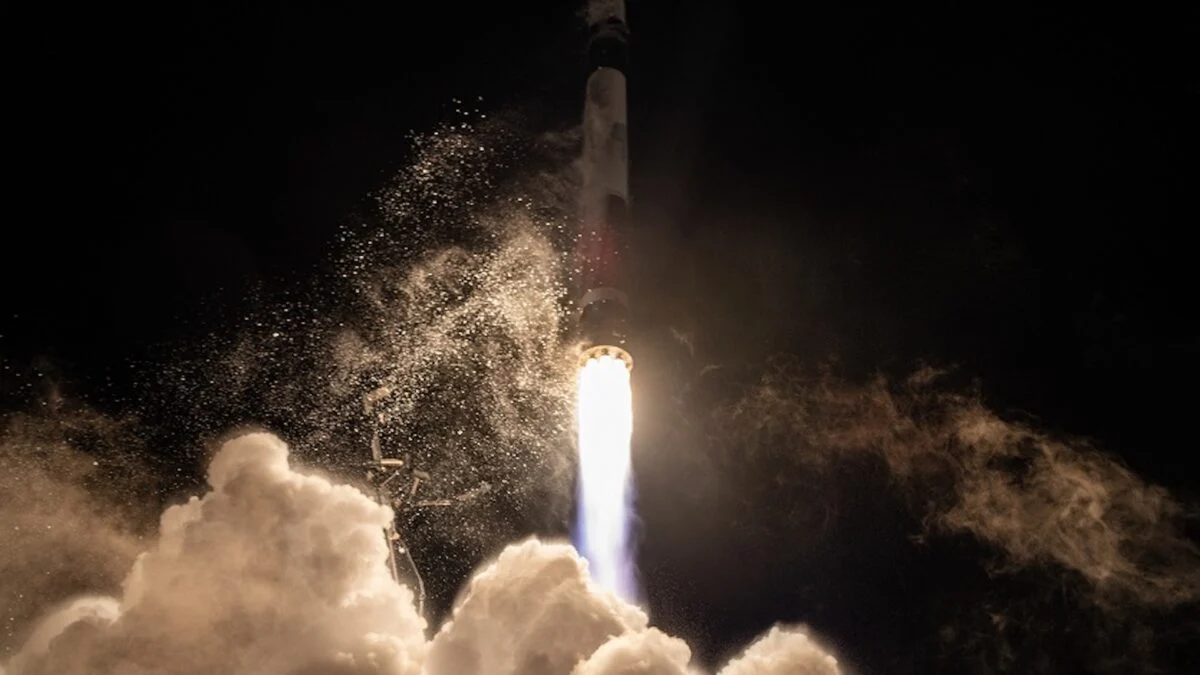
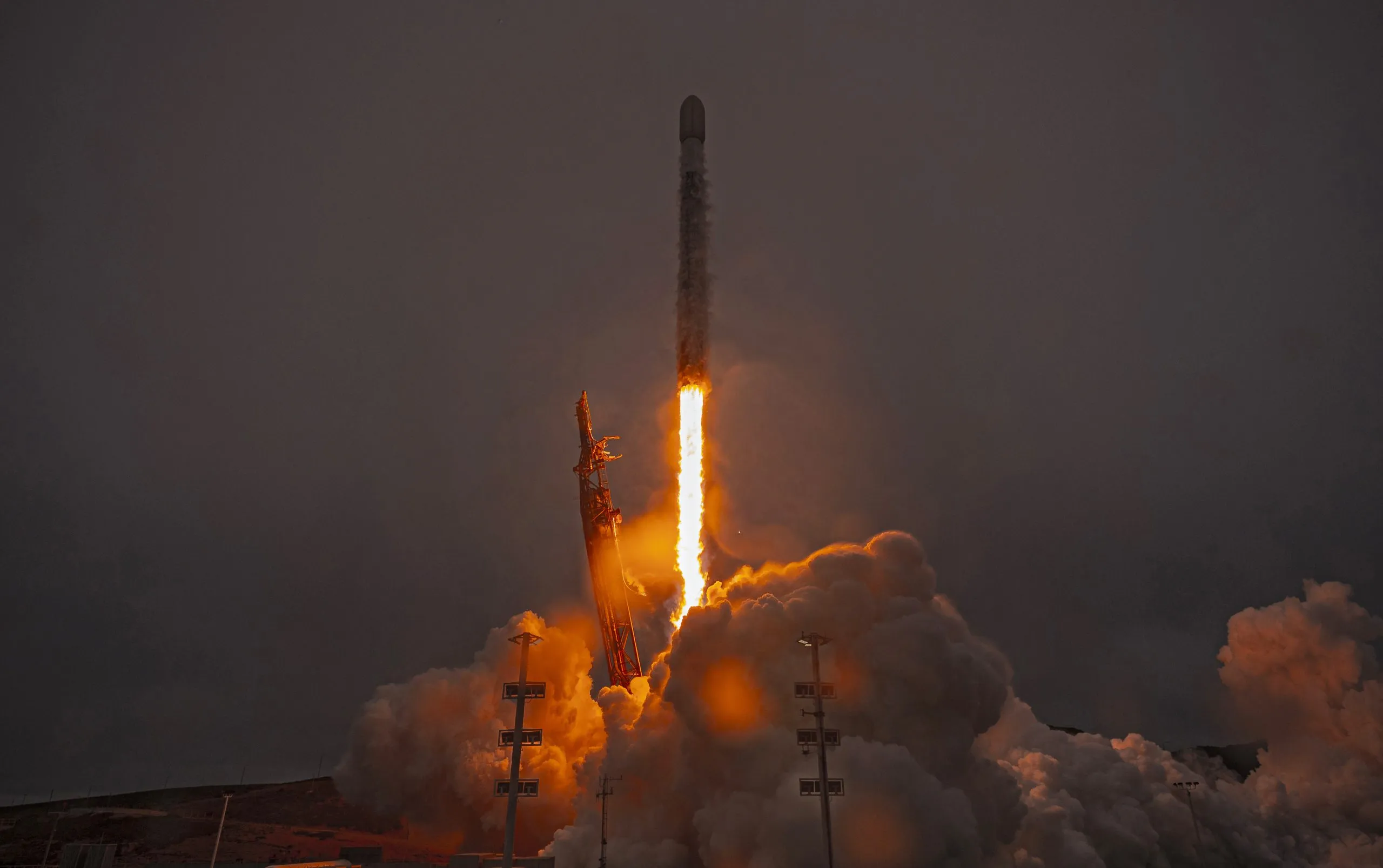
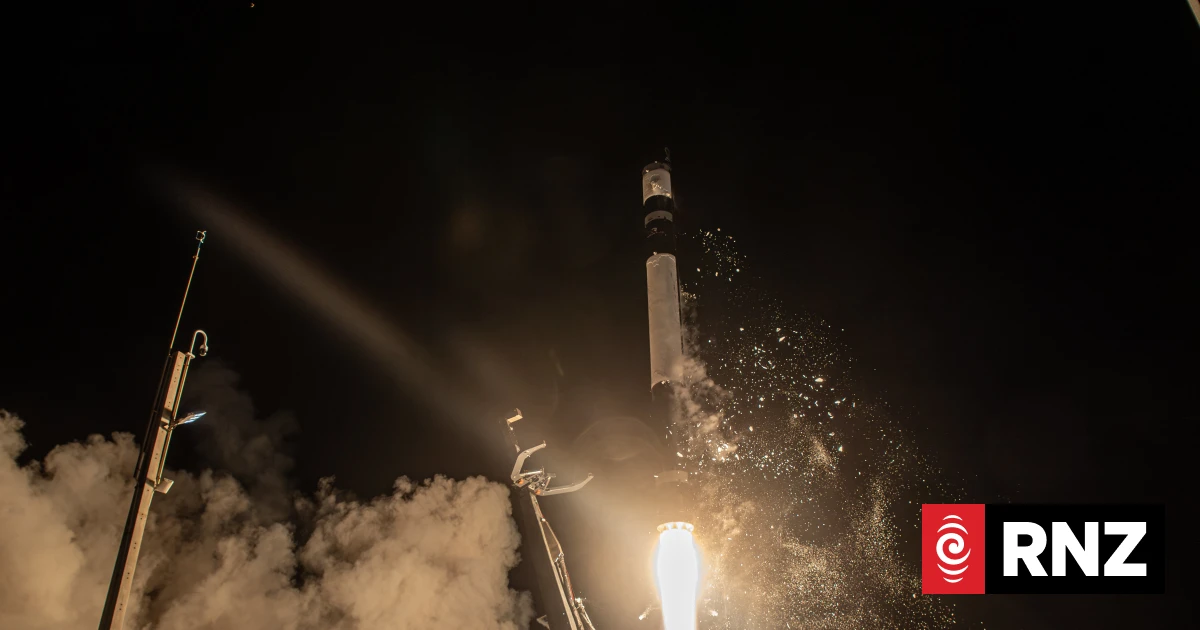
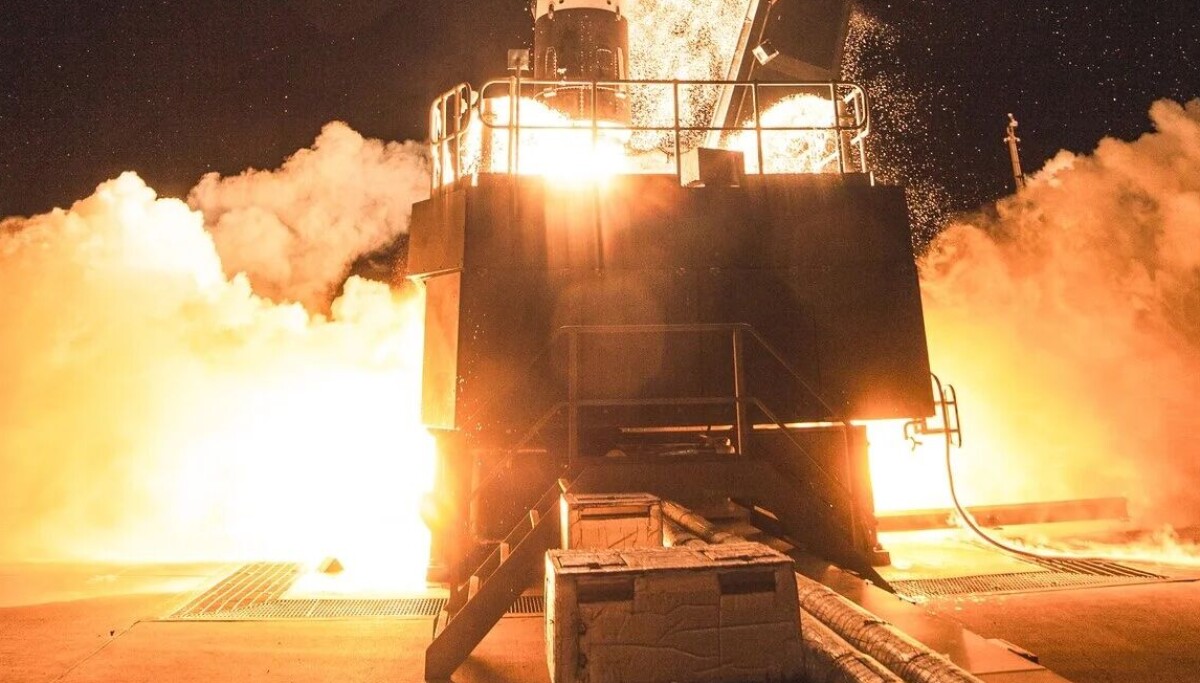
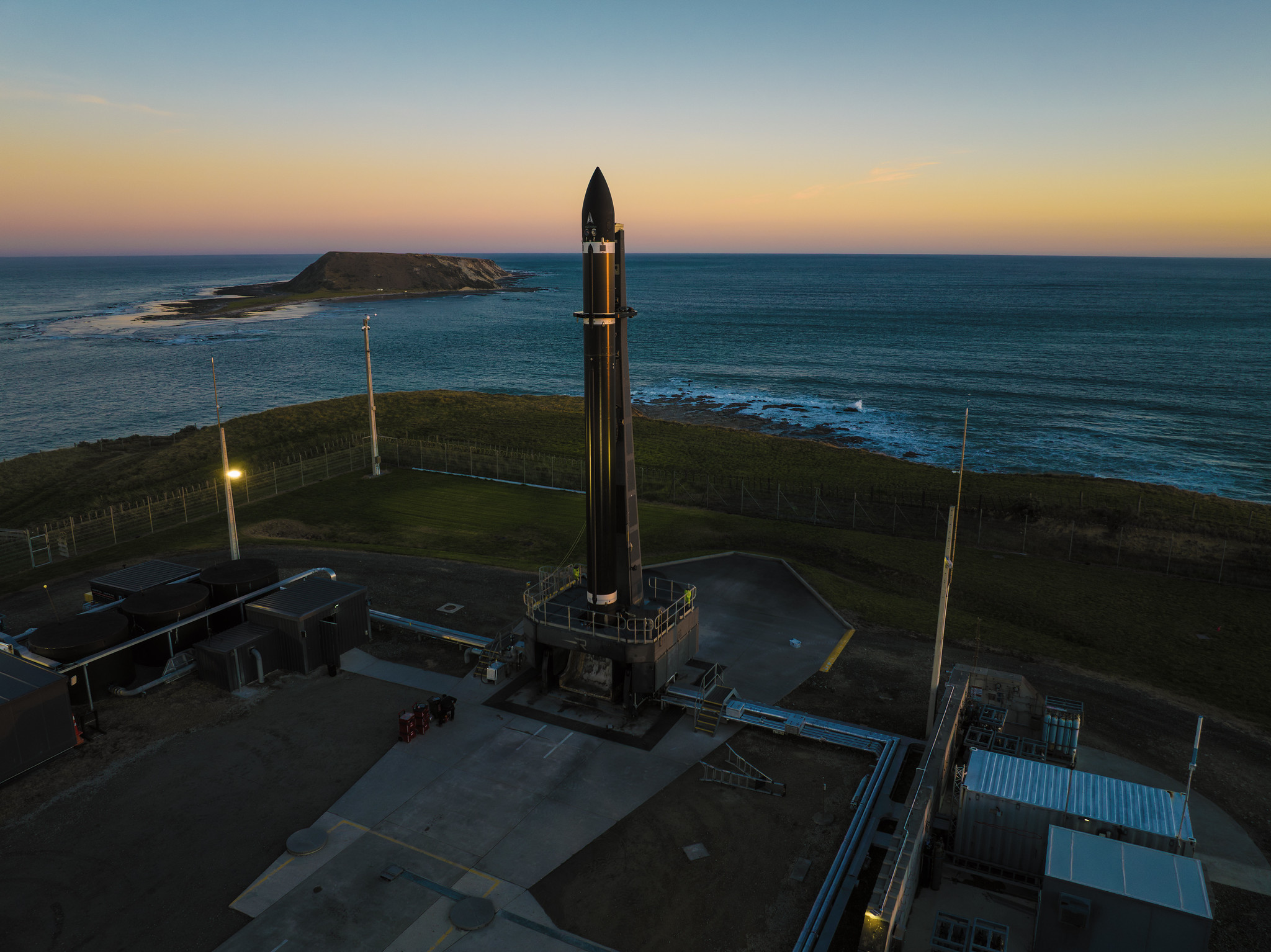
The June mission saw Rocket Lab, a rocket-building rival to SpaceX that recently announced its acquisition of Iridium, launch a spacecraft called Puma just 16 hours and 42 minutes after receiving notice, which is notable because most rocket launches are buttoned up months in advance.