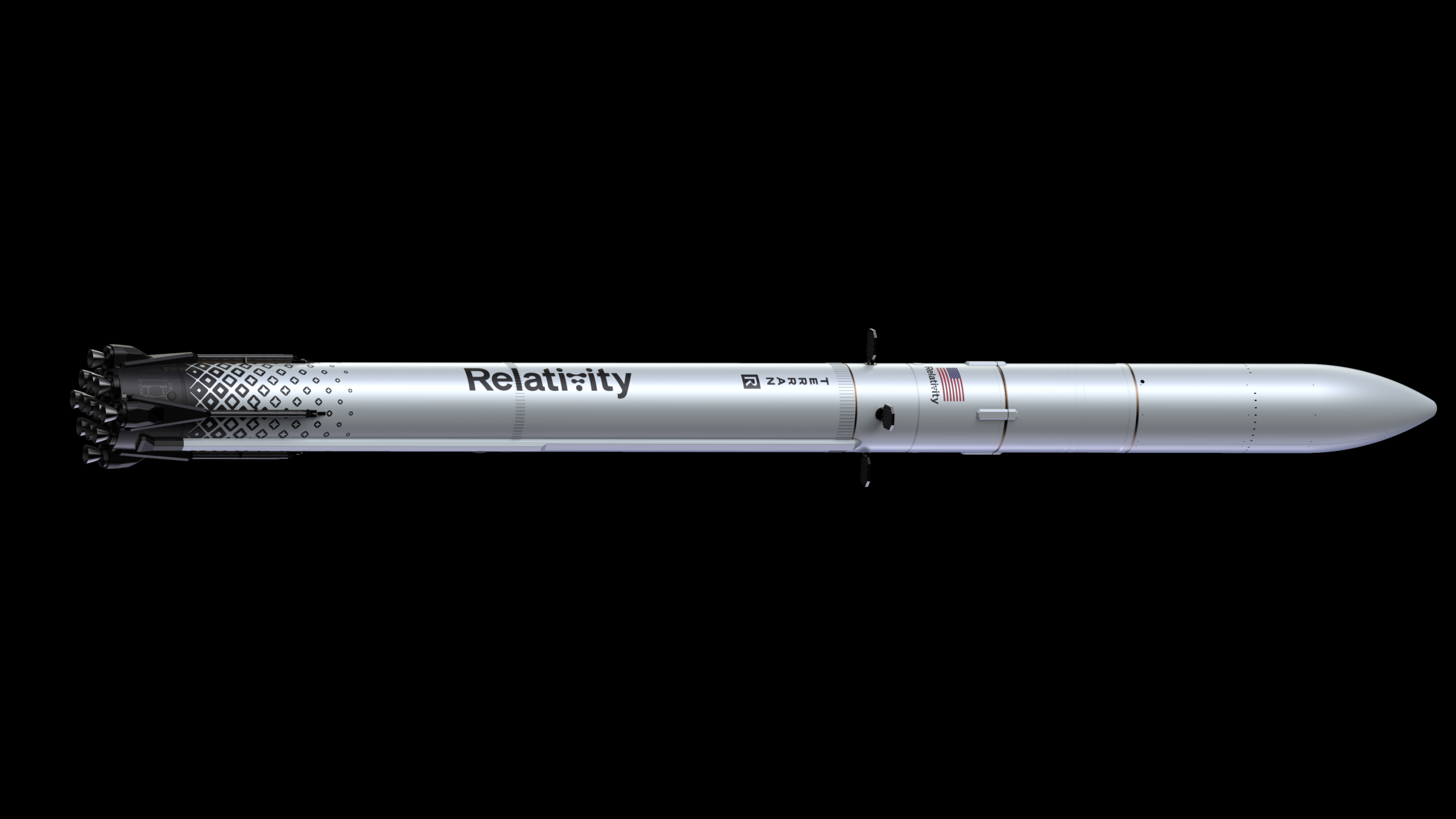
Relativity Space's two-stage, reusable Terran R rocket is expected to launch in late 2026. (Artist's rendering: Relativity Space)
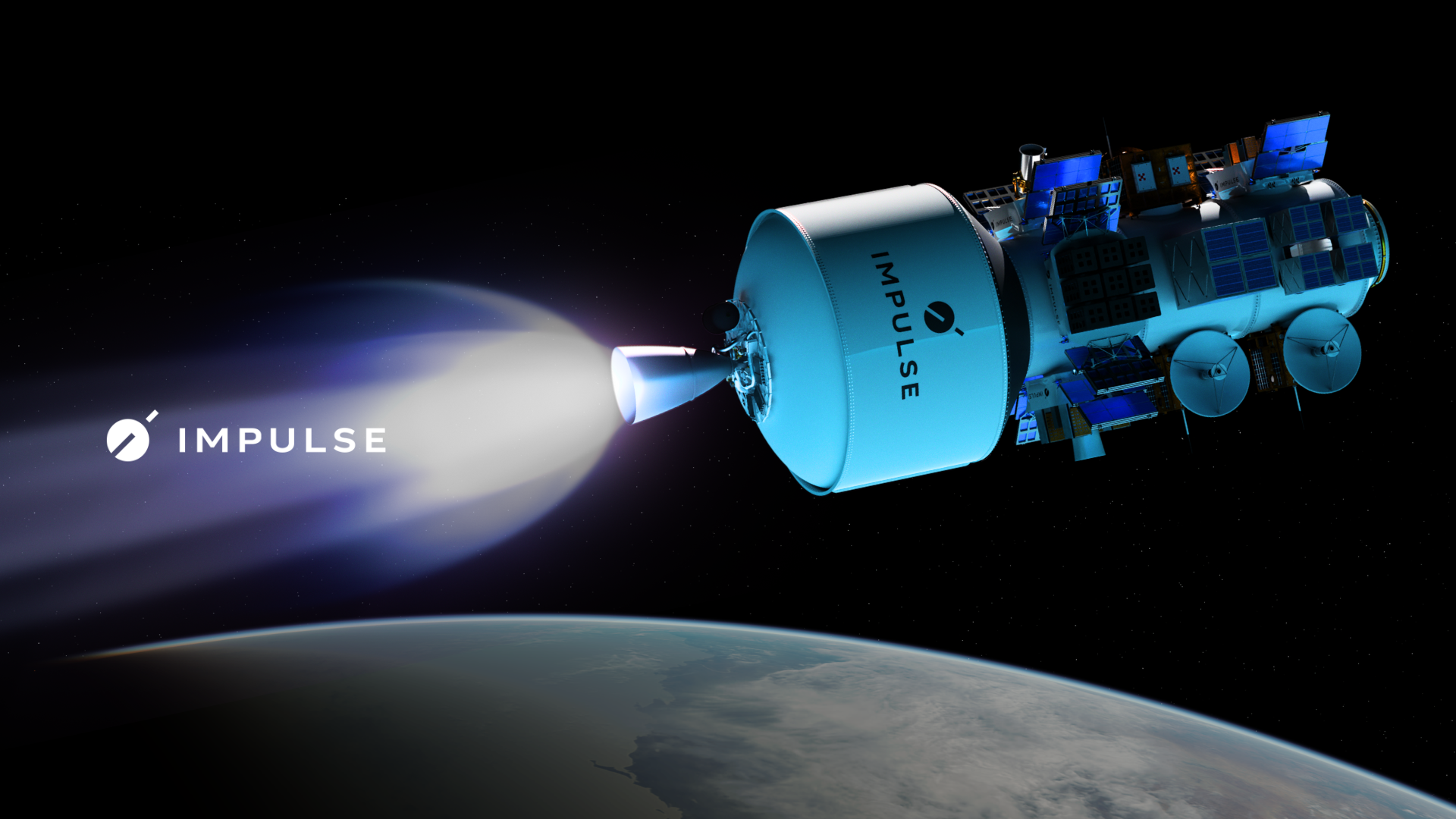
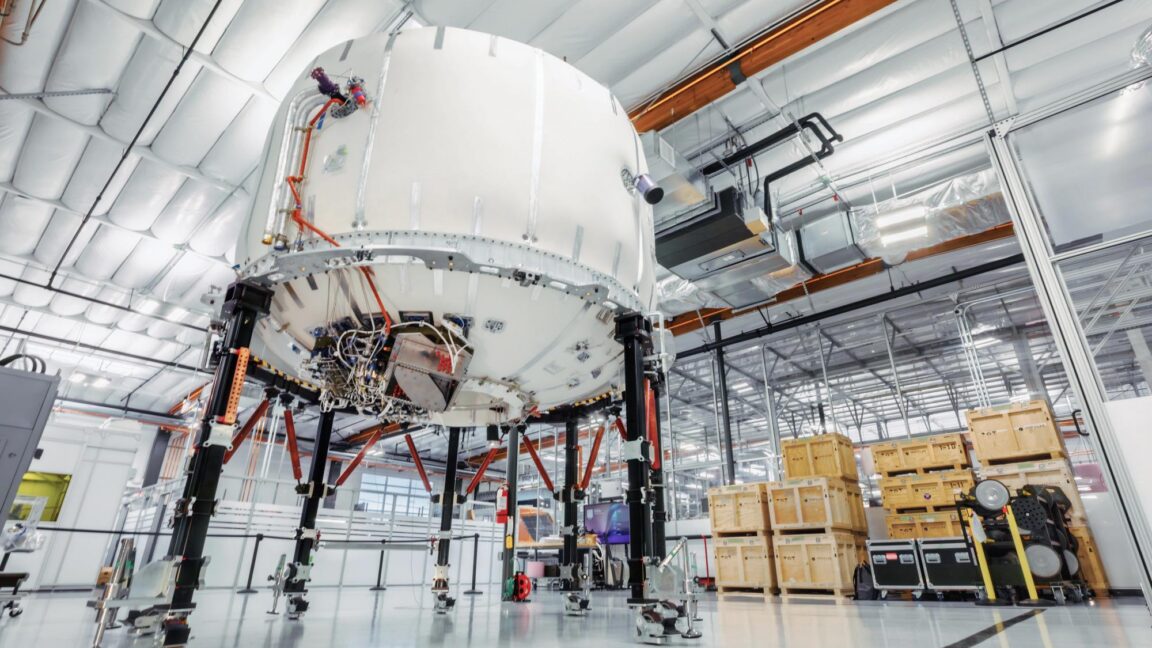
WASHINGTON ― The Space Force has approved California-based startups Impulse Space and Relativity Federal to join the pool of competitors for launching less critical, less complex national security payloads, Space Systems Command (SSC) announced today.
The two additions to SSC’s National Security Space Launch Phase 3 Lane 1 program bring the total number of qualified launch providers to seven ― joining Rocket Lab and Stoke Space, which were tapped last March, as well as Blue Origin, SpaceX and United Launch Alliance (ULA), which were added to the pool of competitors in June 2024 [PDF].
Lane 1 involves launches to easier-to-reach orbits, payloads with less mass, and missions that are not absolute must-gos, such as the Space Development Agency’s data transport and missile tracking satellites, and those used by the Space Force Test Program.
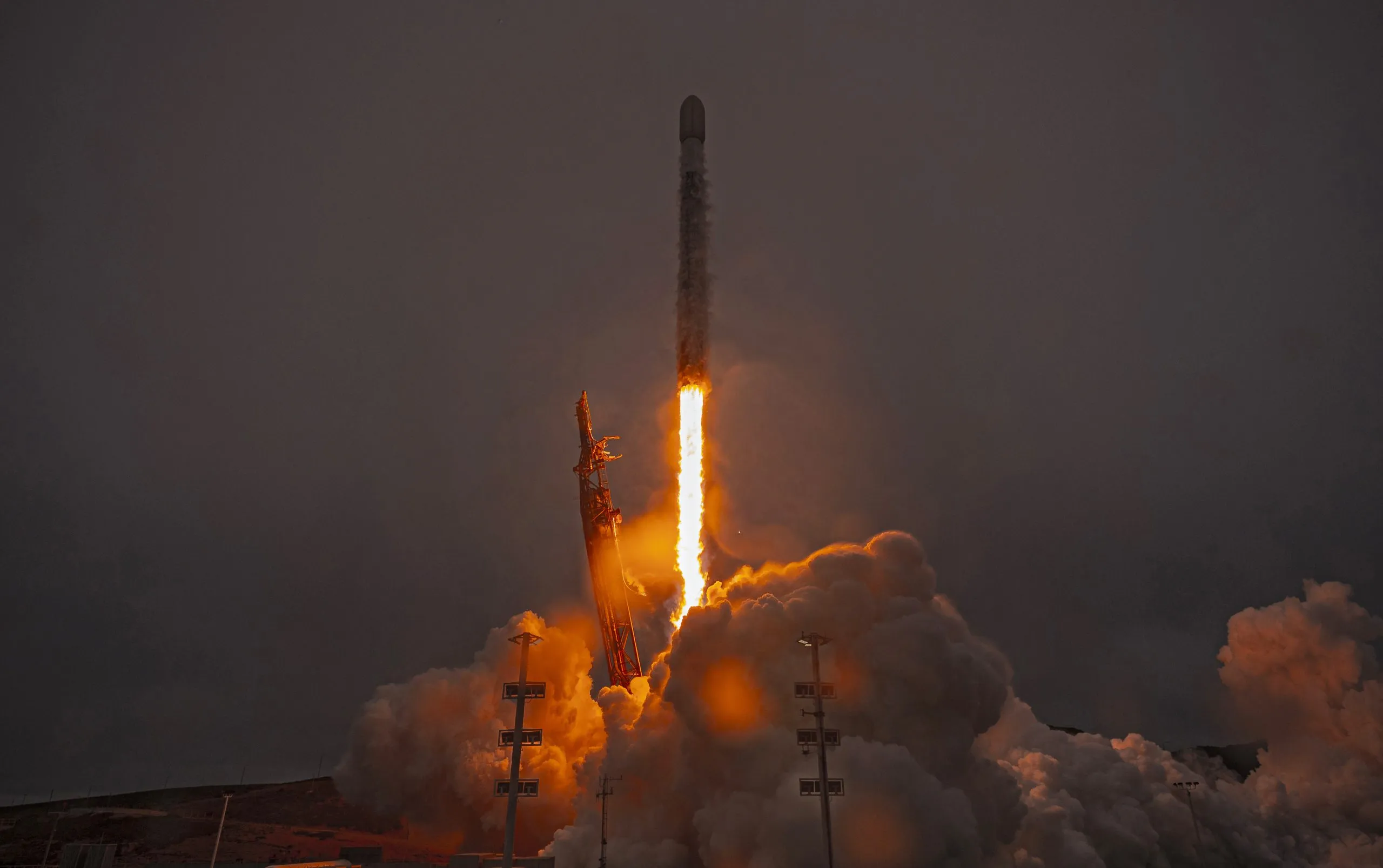
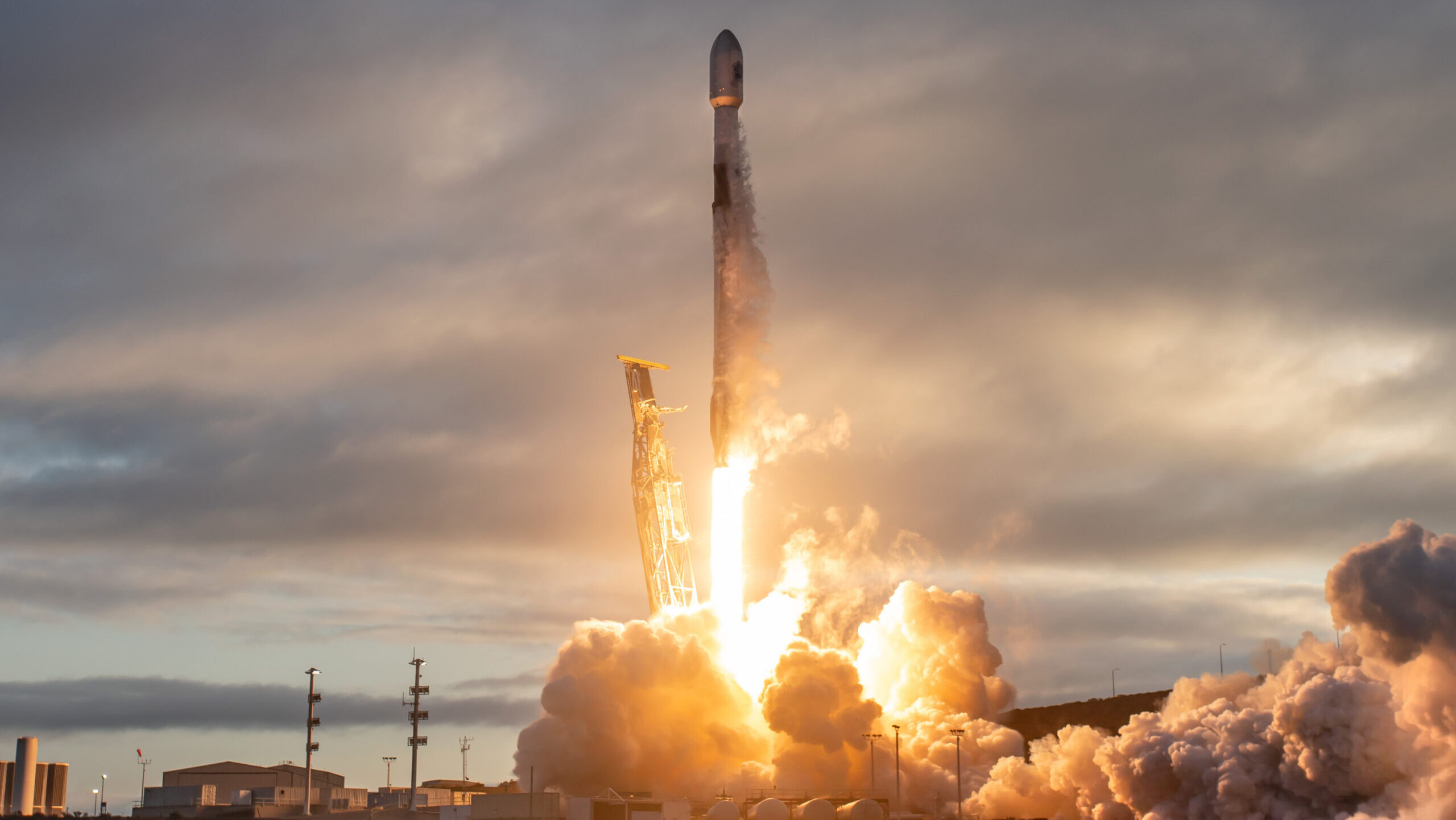
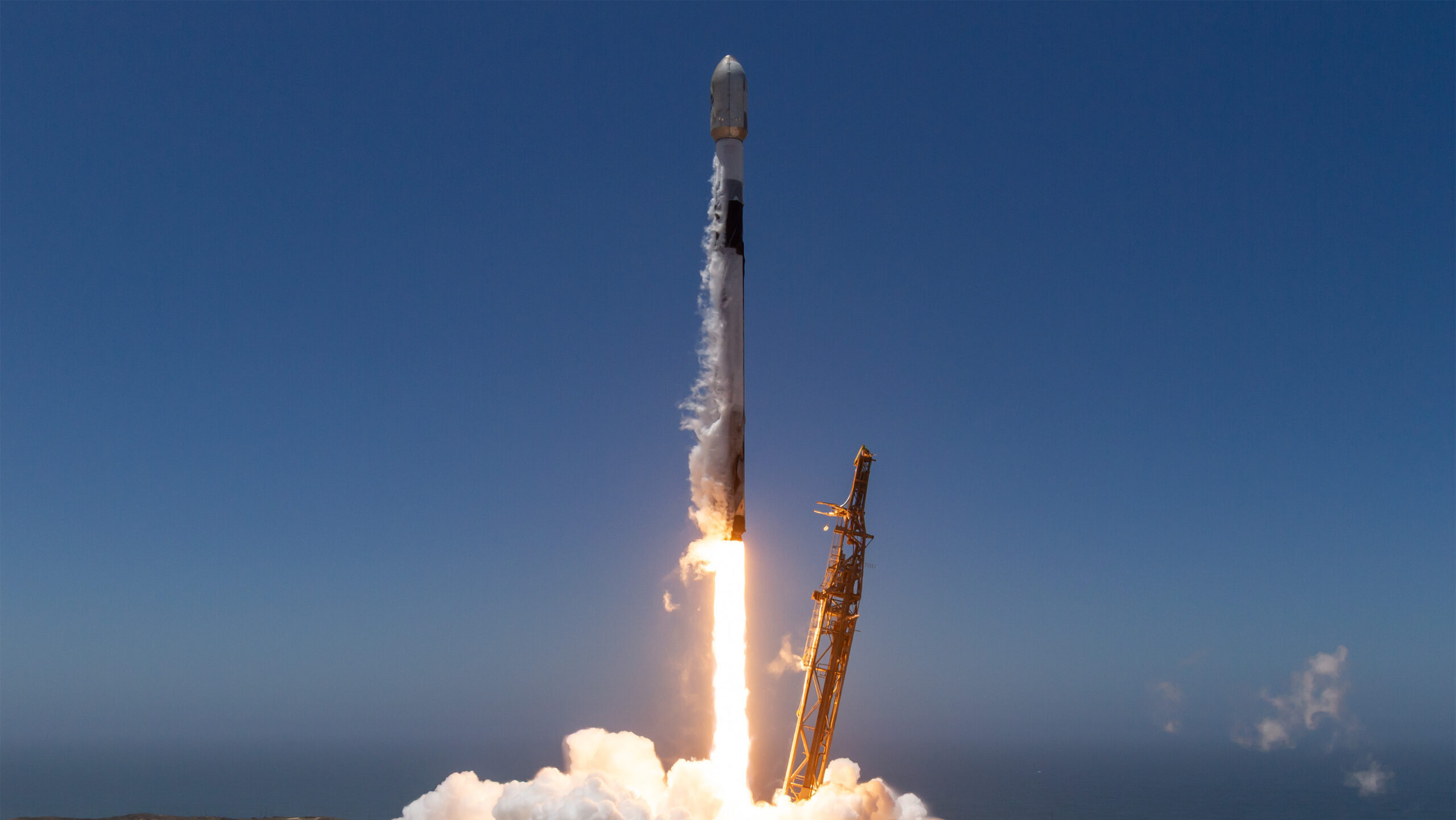
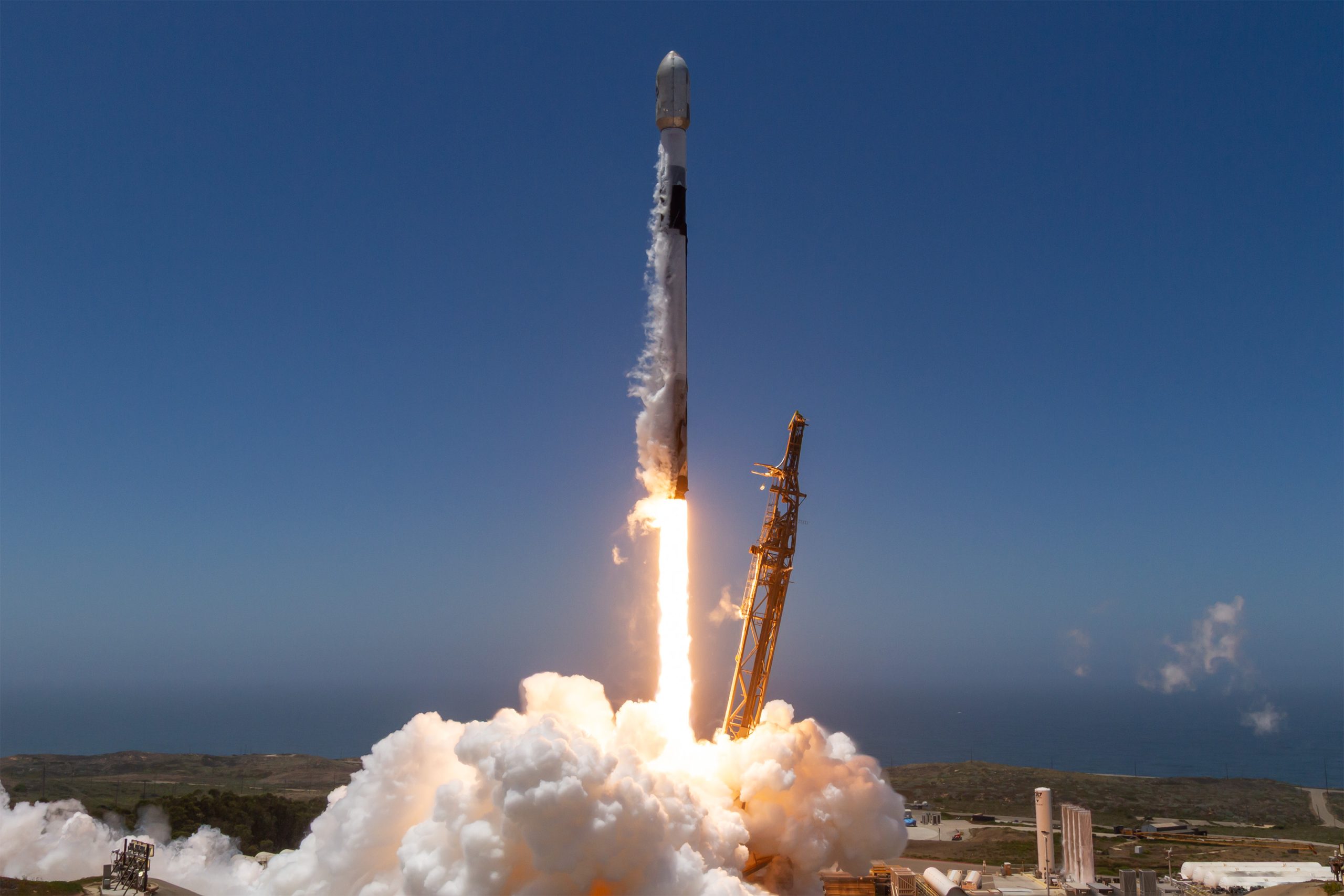
The expansion of the Lane 1 program comes at a time when the US launch market is being roiled by SpaceX’s move to cut off orders of commercial rideshares on its workhorse Falcon 9 rocket starting in late 2028, according to a report by Space News. Falcon 9 went up 165 times in 2025, accounting for about 85 percent of all US launches — both government and commercial — and is approved to fly both NSSL Phase 3 Lane 1 missions and NSSL Phase 3 Lane 2 missions that carry must-succeed, high-value national security spacecraft.