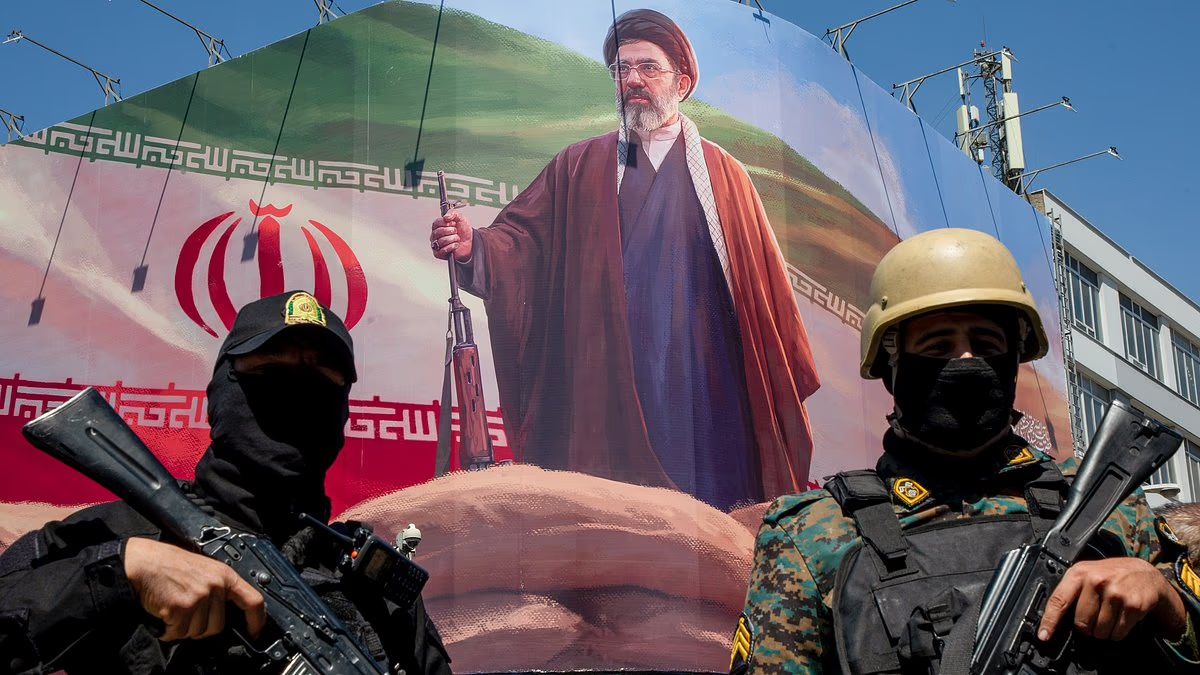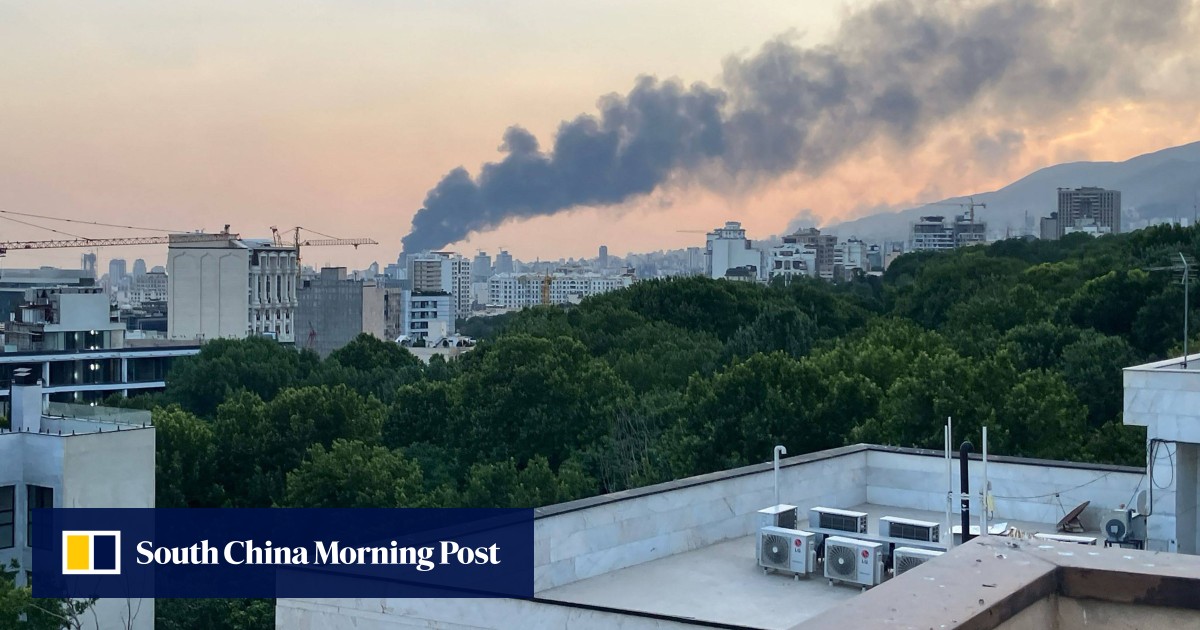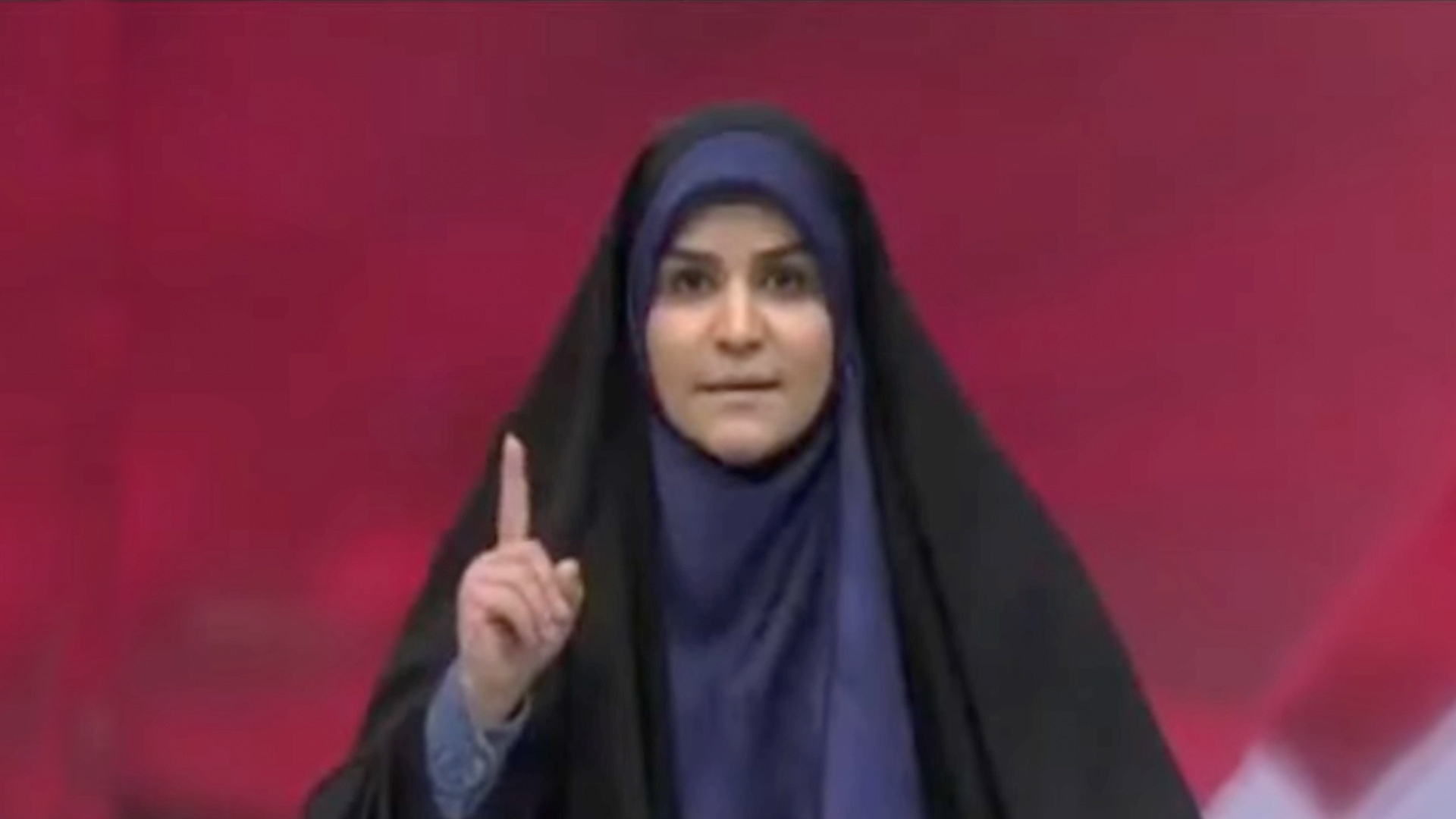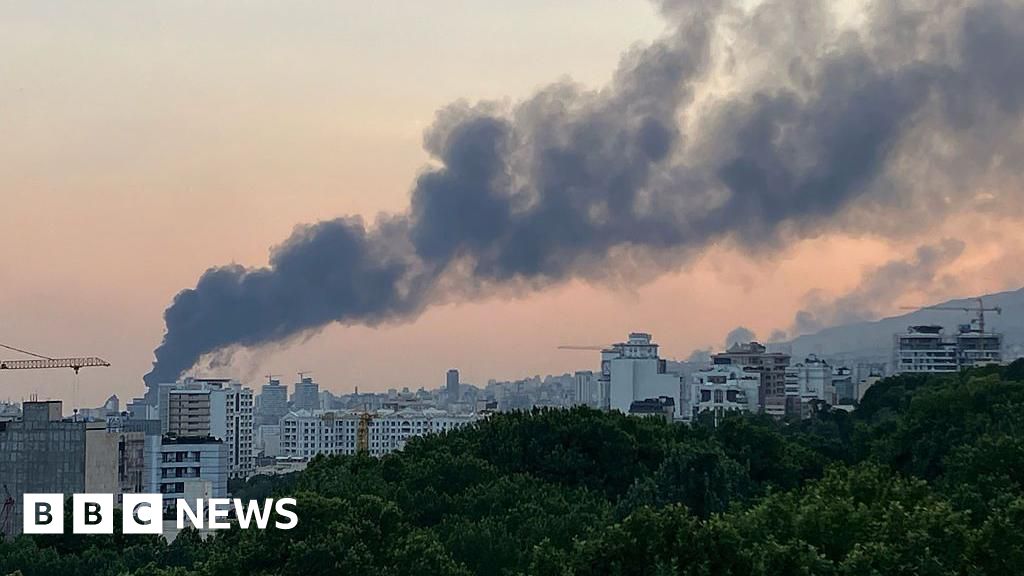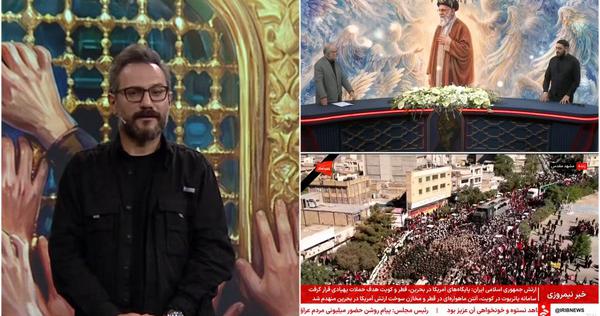
For over four months, the Islamic Republic of Iran Broadcasting (IRIB) has faced the greatest journalistic test in its history. This test began with the coverage of warfare and military strikes and progressed to the killing of the Supreme Leader, the deaths and reshuffling of senior commanders, the selection process for the third Supreme Leader, and reporting on the human and economic toll of the conflict. However, the state broadcaster's performance during this period has been defined above all by contradictions, haste, and conflicting narratives.
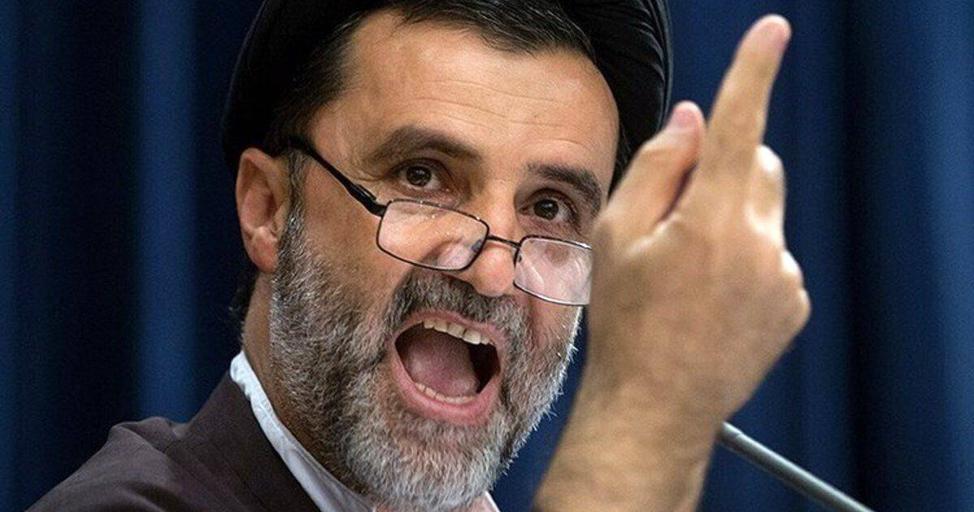
Throughout these past four months, the IRIB repeatedly denied news of high-profile deaths only to confirm those exact reports hours or days later. This pattern applied to the fate of Ali Khamenei, several senior military commanders, and various political figures. Alongside these reversals, reports were broadcast and later corrected or retracted, while other on-air narratives quickly became objects of ridicule on social media.
Concurrently, while the state broadcaster downplayed or delayed reporting on the significant human and social casualties of the war, it relied on millions-strong figures and epic imagery to project massive public support for the regime - numbers for which no clear calculation baseline was ever provided. The product of these four months is a media apparatus that is viewed less as a credible news source and more as a political-military propaganda tool for a regime heavily fractured by the 12-Day War, the December massacres, and the 40-Day War.