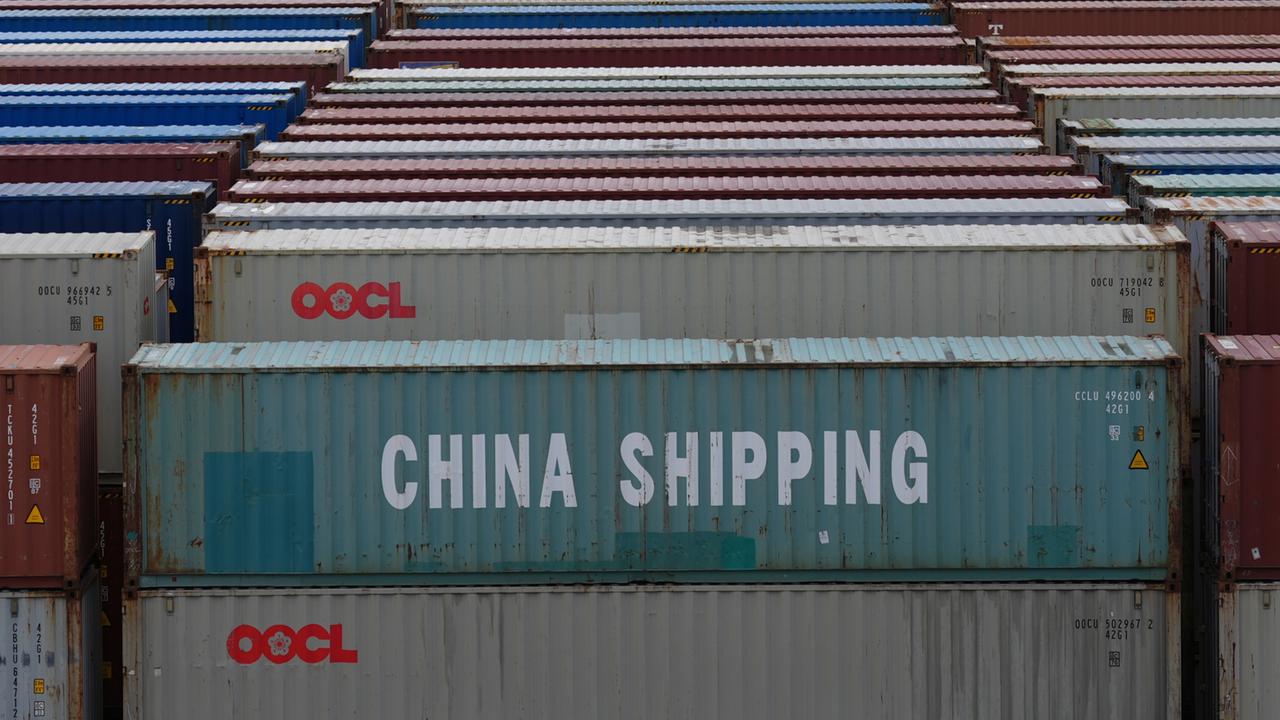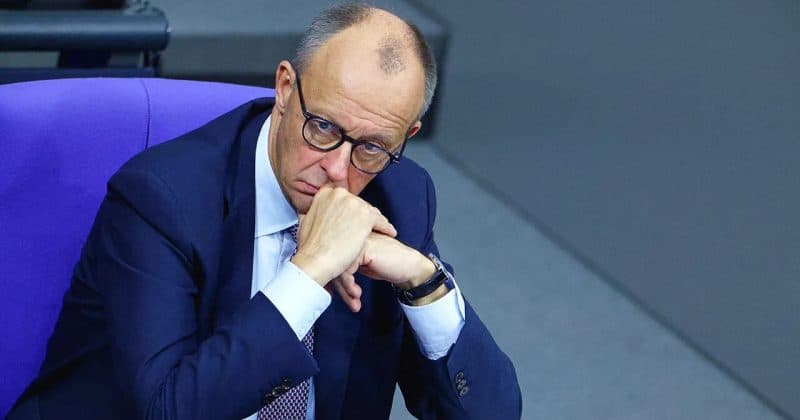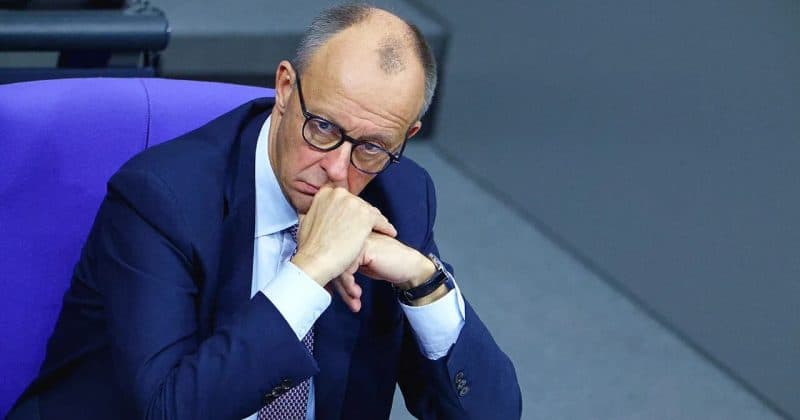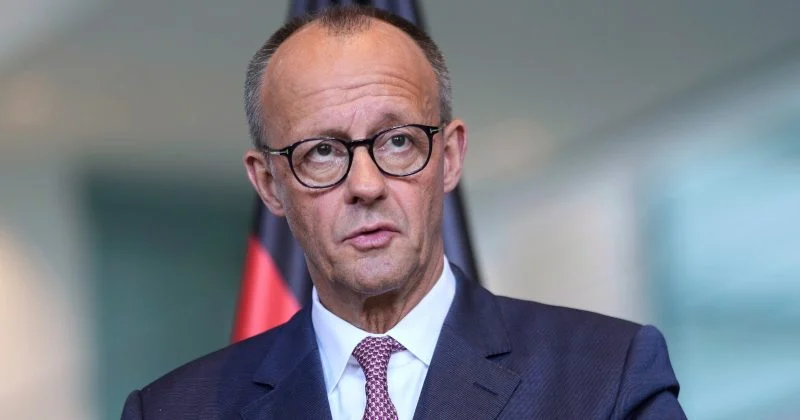
German Chancellor Friedrich Merz has called for international dialogue with China to address concerns over the alleged manipulation of the yuan. Merz suggests that China’s currency practices provide an unfair trade advantage by keeping the yuan undervalued by as much as 30%. This figure contrasts with the IMF’s estimate of around 16%. The chancellor’s remarks highlight a shift in Germany’s economic policy towards China, as the country has become Germany’s top trading partner. The call for dialogue evokes memories of the 1985 Plaza Accord, which sought to address currency imbalances among major economies.
Key Takeaways
Merz’s call for dialogue with China suggests an increased focus on addressing currency manipulation, which may impact trade relations.
The German Chancellor’s remarks appear consistent with concerns over China’s economic practices, potentially influencing EU policies.
The market’s reaction reflects uncertainty regarding China’s future economic policies and their potential impact on global GDP growth.