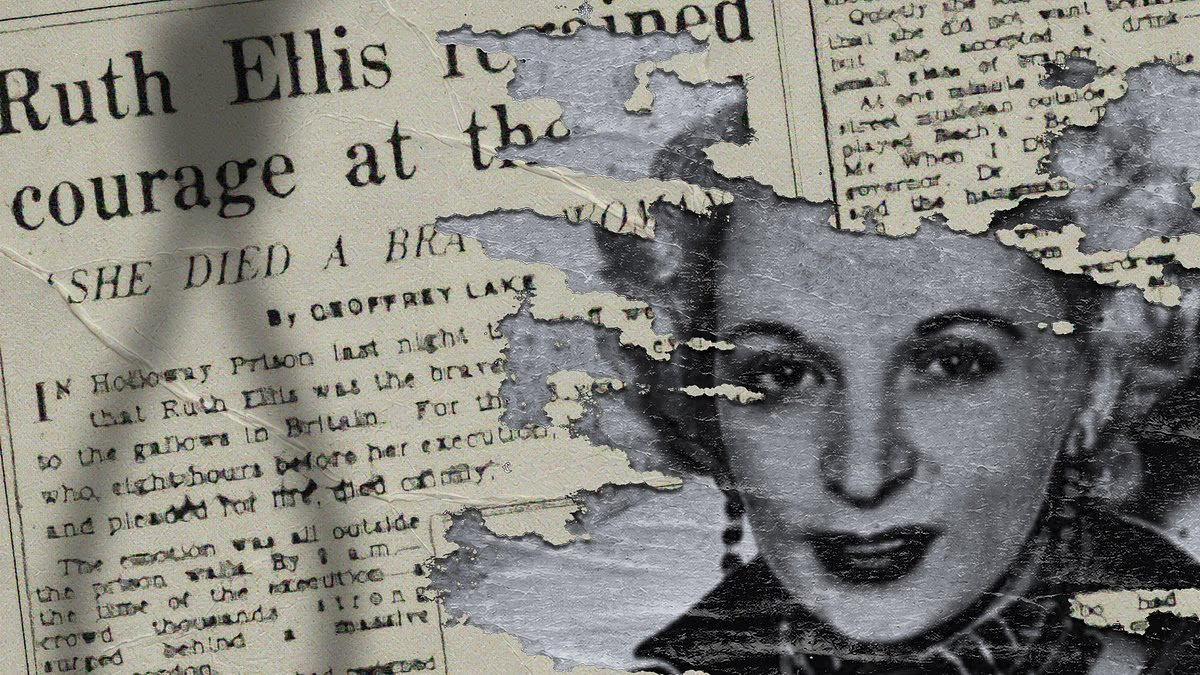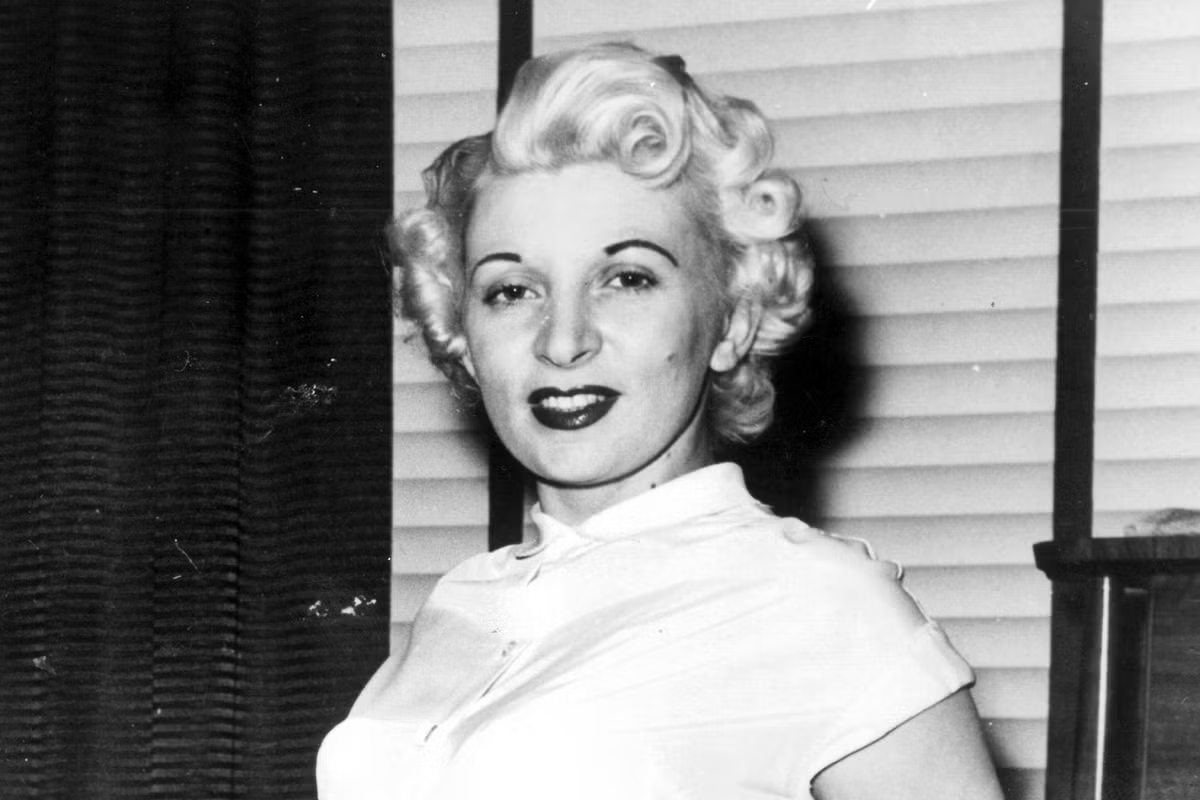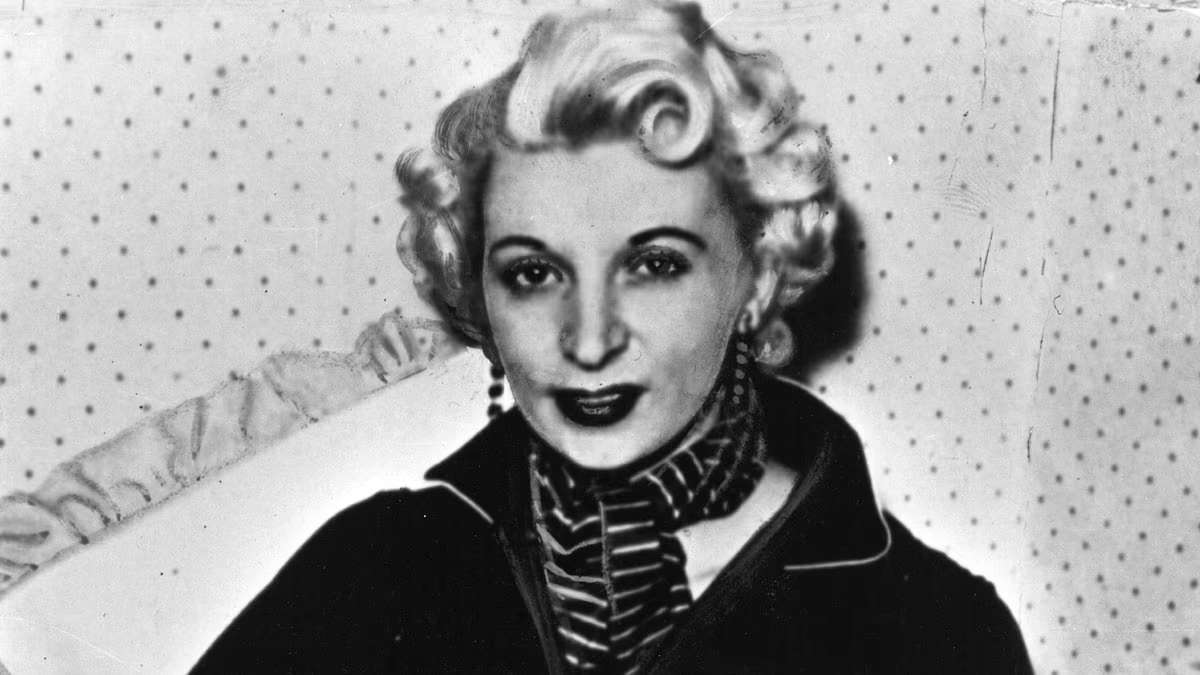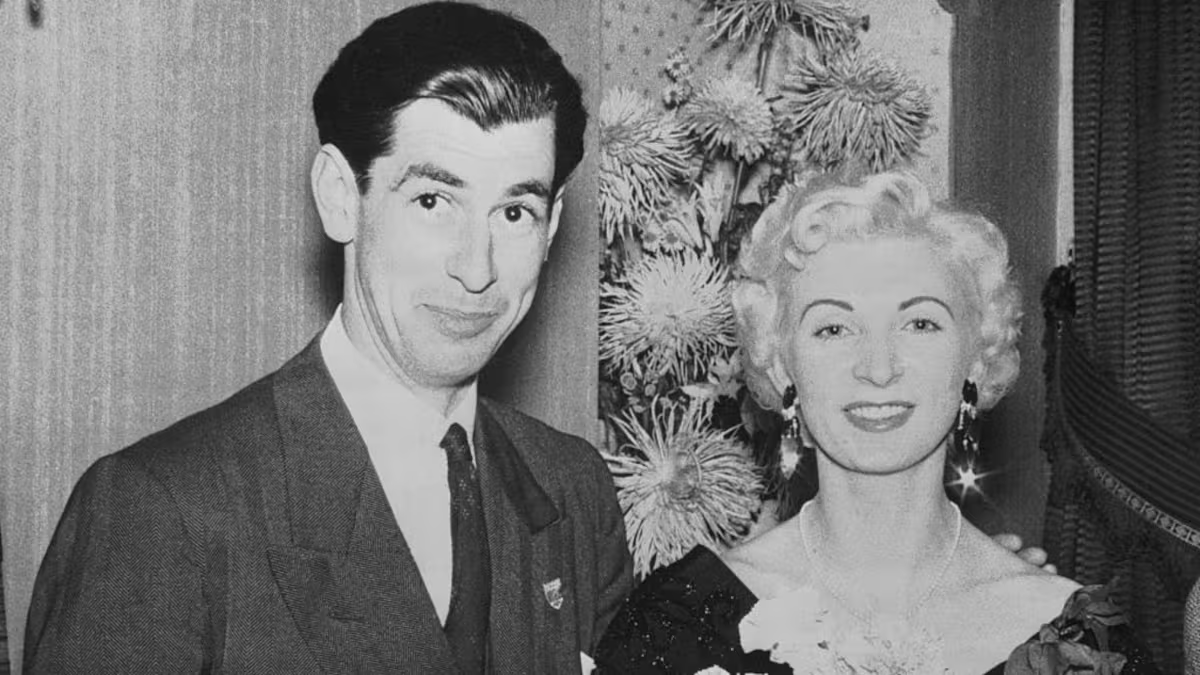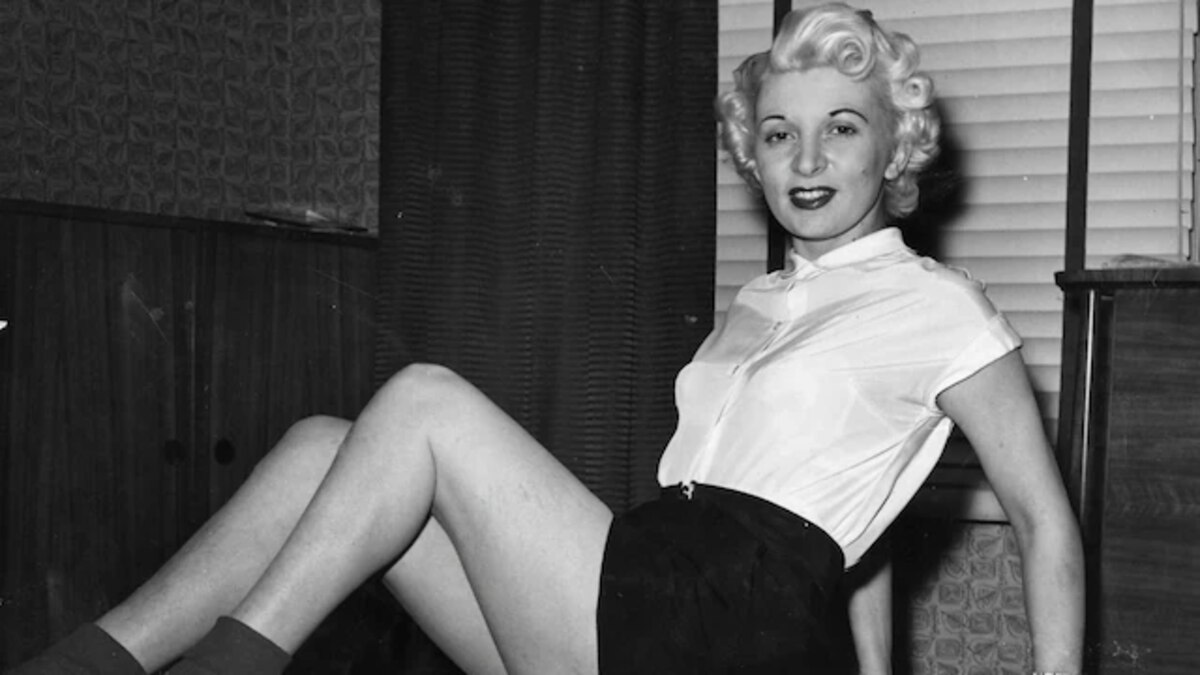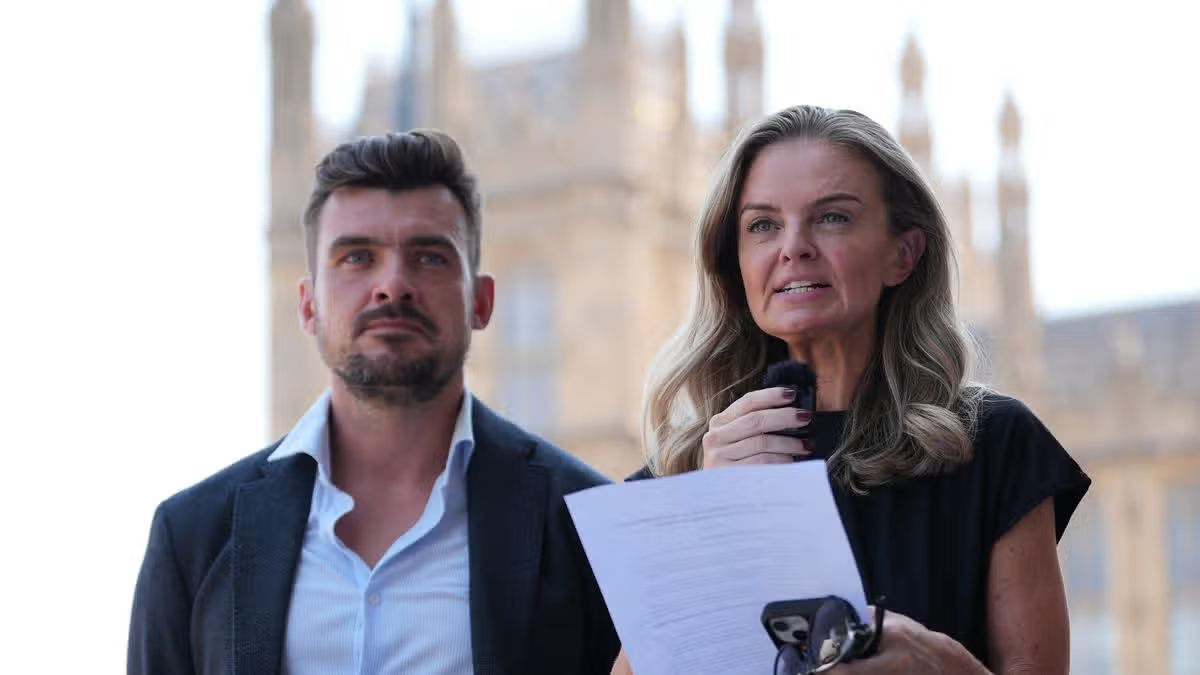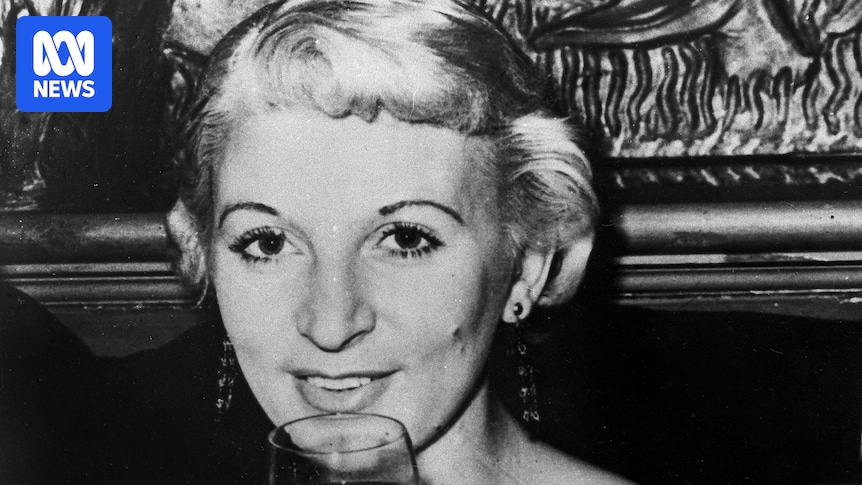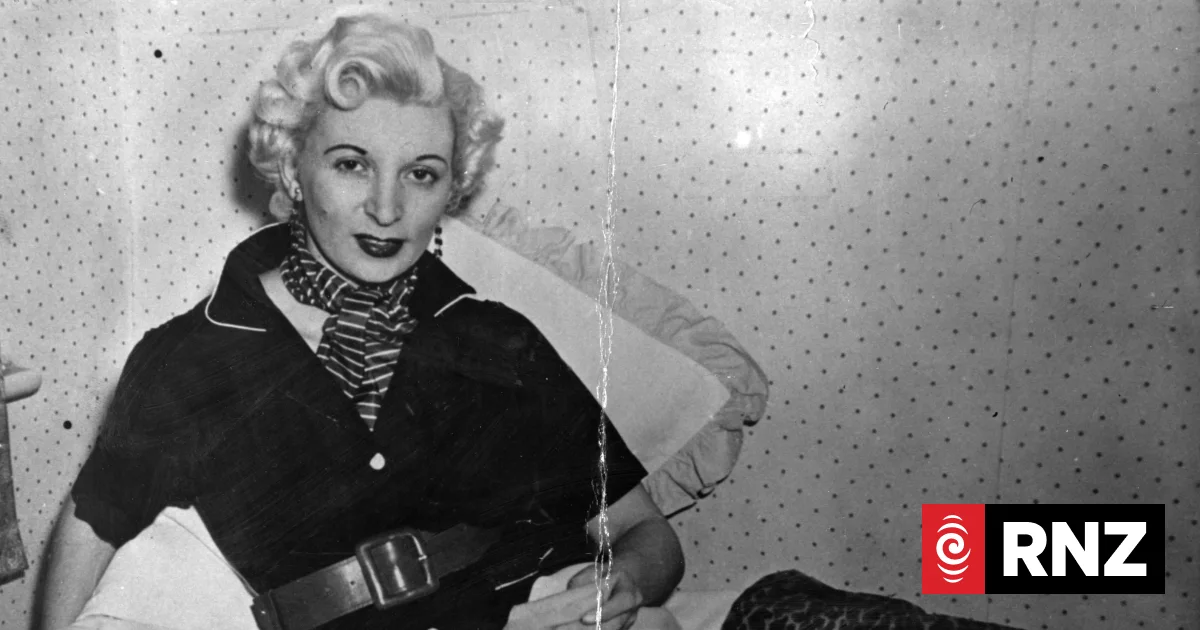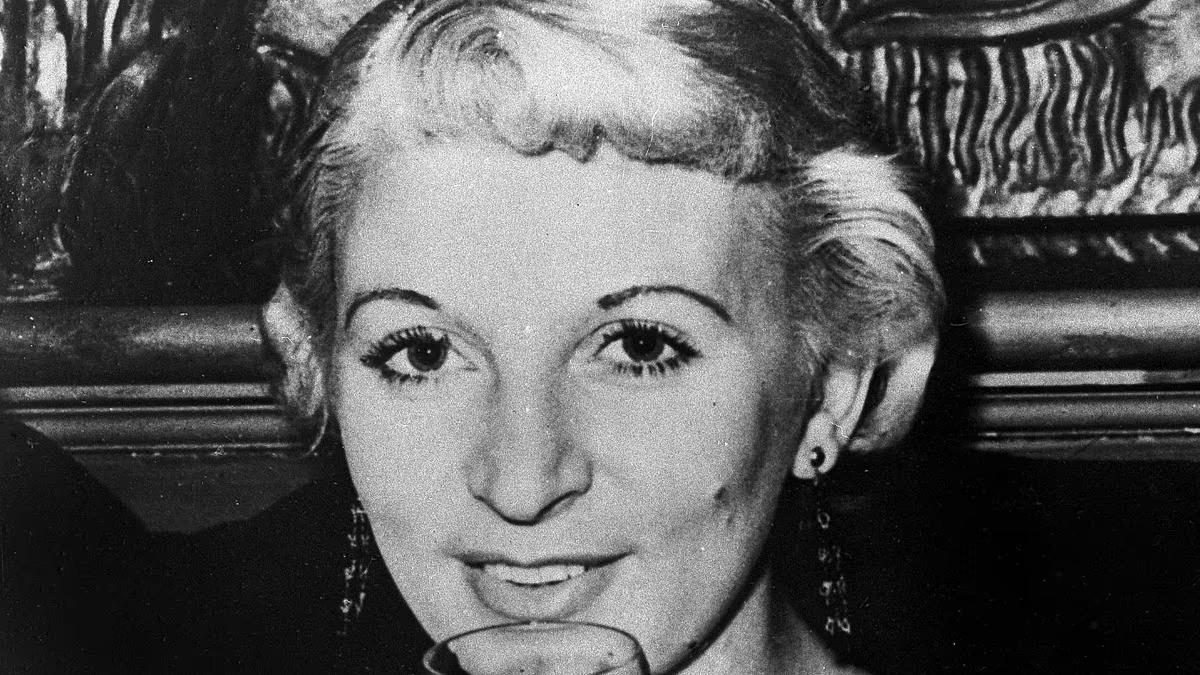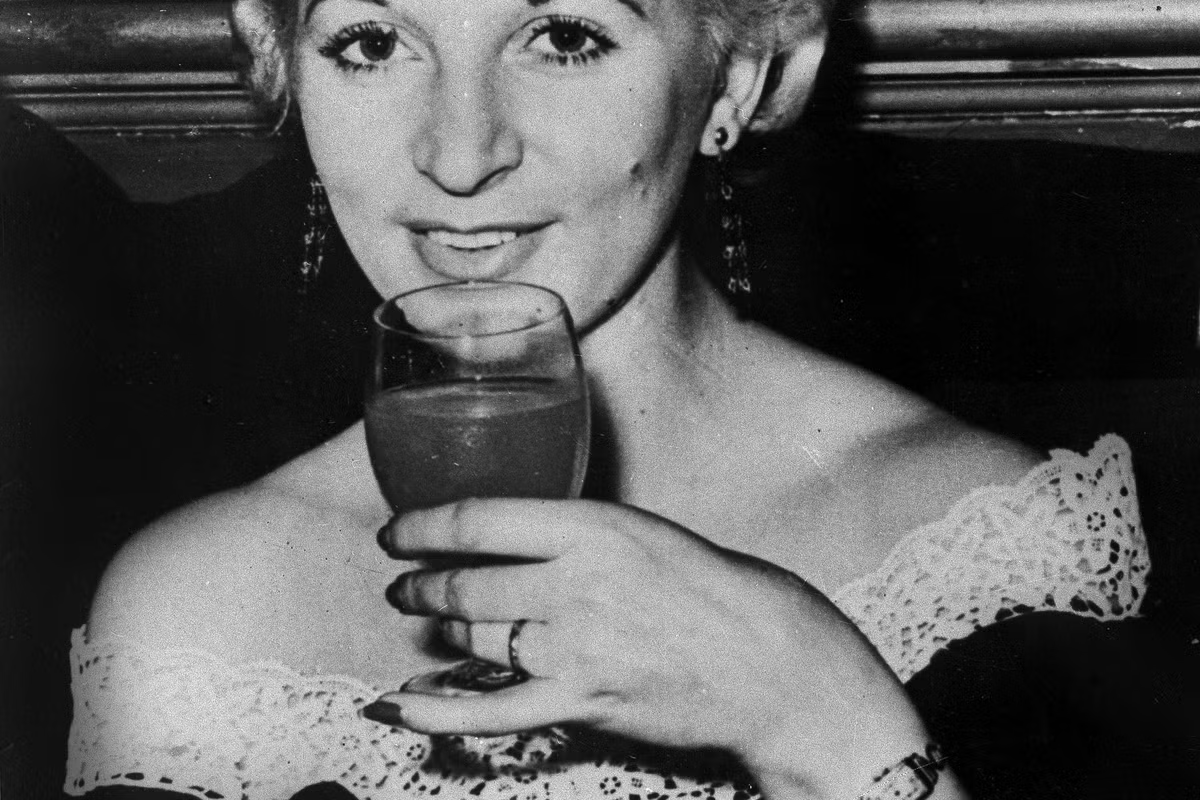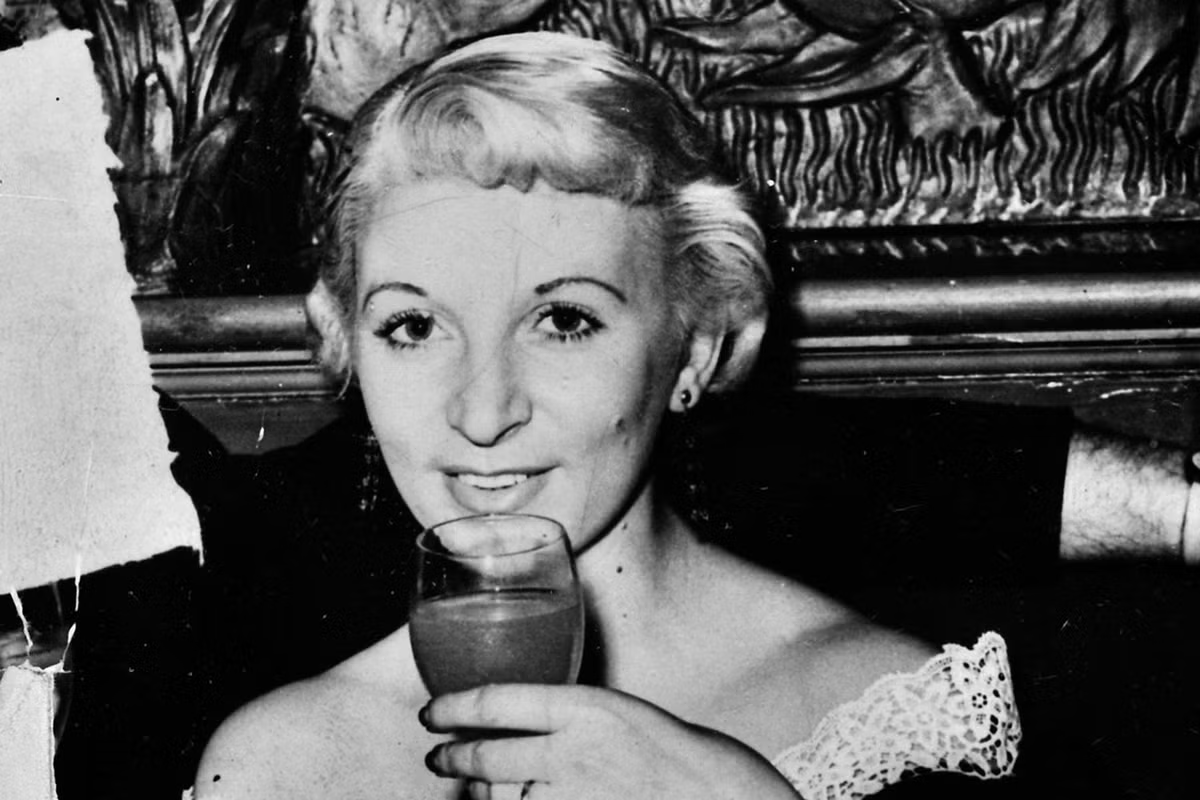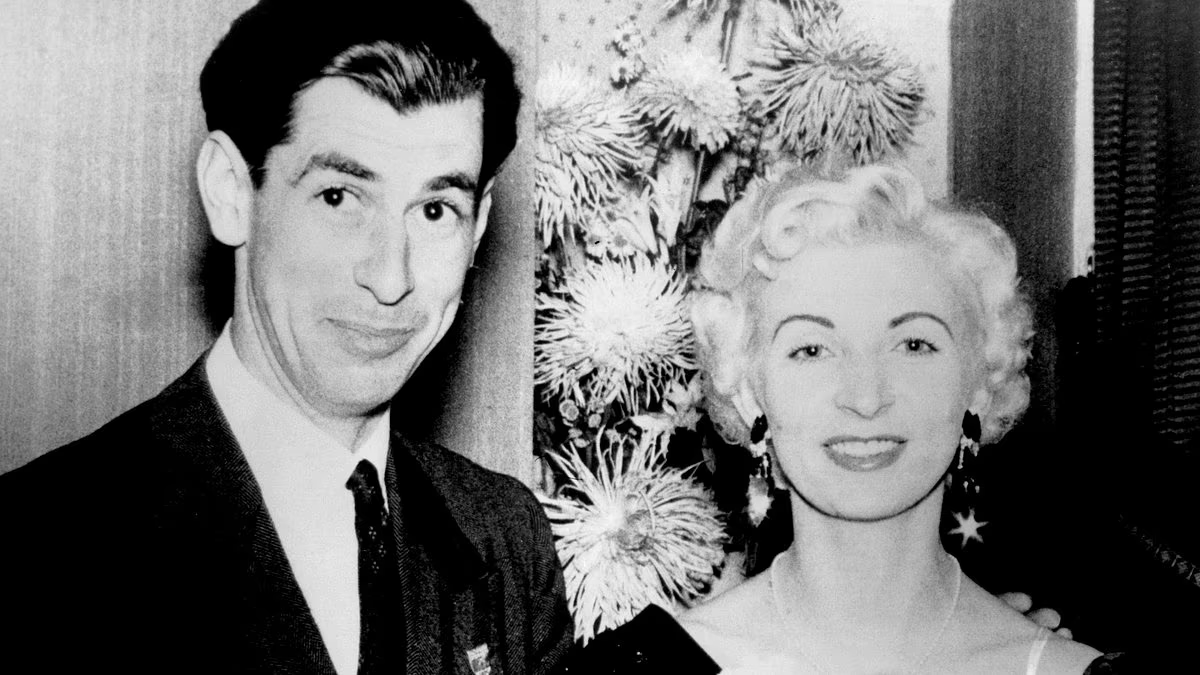
On a special episode of the Daily Mail's Trial+ podcast, veteran crime reporter Caroline Cheetham sits down with Laura Enston to discuss the campaign for justice for her executed grandmother, Ruth Ellis.On Easter Sunday 1955, Ellis, a 28-year-old nightclub manager, shot dead her lover David Blakely outside The Magdala pub in Hampstead, north London.Following a trial at the Old Bailey that lasted just two days, Ellis was convicted of murder and sentenced to death by hanging. More than 50,000 people signed a petition asking for her to be spared the gallows, yet three weeks later she was hanged at Holloway Prison.The jury that convicted her in little over 14 minutes had been directed by the judge to disregard evidence of sustained physical abuse Ellis had suffered at the hands of Blakely, a public school-educated racing driver, including an assault that caused her to miscarry his child. Veteran crime reporter Caroline Cheetham sits down with Laura Enston (pictured) to discuss the campaign for justice for her executed grandmother, Ruth Ellis On Easter Sunday 1955, Ellis, a 28-year-old nightclub manager, shot dead her lover David Blakely outside The Magdala pub in Hampstead, north LondonLast week, following a campaign by four of her grandchildren, Ellis was granted a posthumous conditional pardon by King Charles on the advice of Deputy Prime Minister and Justice Secretary David Lammy.While the pardon does not overturn Ellis's conviction for Blakely's murder, it replaces her death sentence with one of life imprisonment, recognising what Mr Lammy called a 'profound injustice'.'The case has been a blot on the conscience of Britain for such a long time,' Enston, Ellis's granddaughter, said.'I have had so many women contact me over the last few months, women who have been impacted by domestic violence. They've experienced misogyny and discrimination. Their suffering has been minimised. But their stories will never get retold, which is why they've been so passionate about helping to change Ruth's narrative.'Coming out of the House of Commons after the announcement, there were women, complete strangers, crying, saying how happy they were we got this result.'I have had messages from all around the world since the announcement. People are just delighted we have reached this milestone.'Enston told the podcast that having spent decades distancing herself from her grandmother's dark legacy, her interest in the case was reignited by Carol Ann Lee's acclaimed biography of Ellis, since republished as A Cruel Love, which researched Ellis's life and abusive relationship with Blakely.The book, which inspired a four-part ITV drama of the same name, lays out issues with the trial and how Ellis may have been driven to violence.Enston said: 'I had not appreciated the extent of the abuse she had suffered at the hands of almost every significant man in her life.'Carol spent months in the National Archives and it was all there to see: extensive medical records showing the domestic abuse she had suffered.'Her book also exposed the flaws in the trial. Nothing was properly investigated. The speed of everything too, with the trial lasting just over a day.' While the pardon does not overturn Ellis's conviction for Blakely's murder, it replaces her death sentence with one of life imprisonment, recognising what Lammy called a 'profound injustice'An important element of the case which only emerged after Ellis's execution was the role allegedly played in the killing by a man called Desmond Cussen.Cussen was supposedly besotted by Ellis, having offered to marry her on multiple occasions despite her ongoing relationship with Blakely. The family believe he was with her on the day of the murder, and gave Ellis more than just encouragement to carry it out.'Ruth had spent the Easter weekend getting extremely drunk,' Enston explained.'Based on a statement made by Andy, Ruth's son, after the execution, Desmond Cussen had given Ruth a gun and taken her to a forest to teach her how to shoot.'He then drops her off at the scene with the gun, knowing that she's intoxicated, and drives off and leaves her.'Cussen had a cousin on Ellis's prosecution team. He was called as a witness for the prosecution, not the defence. He was on and off the stand as quickly as possible, and clearly that was a directive from above.'Cussen always denied any involvement, was never charged, and later emigrated to Australia, where he died in 1991.To hear Enston explain how Ellis's execution affected the lives of generations of her family members, subscribe to The Crime Desk today. Subscribers gain access to Trial Plus, ad-free listening and a host of other benefits.
My grandmother was the last woman sentenced to hang in Britaiin
On Easter Sunday 1955, Ruth Ellis, a 28-year-old nightclub manager, shot dead her lover David Blakely outside The Magdala pub in Hampstead, north London.
752 words~3 min read