To find out how Rory Tingle revealed a bombshell update on the Putney Pusher case sign up to The Crime Desk newsletter HERE What kind of cases do you want to read more about? Let us know at: crimedesk@dailymail.co.uk See more Daily Mail on Google - save us as a Preferred SourceBy DAVID WILCOCK, DEPUTY POLITICAL EDITOR Published: 12:48 BST, 8 July 2026 | Updated: 14:12 BST, 8 July 2026
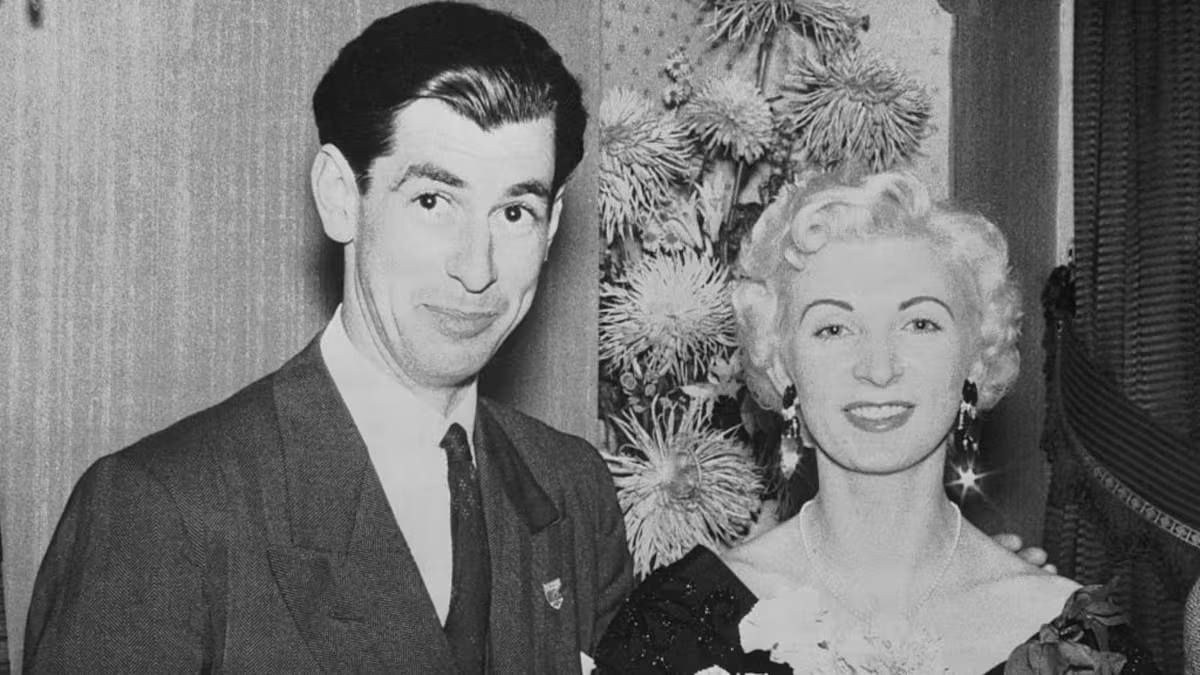
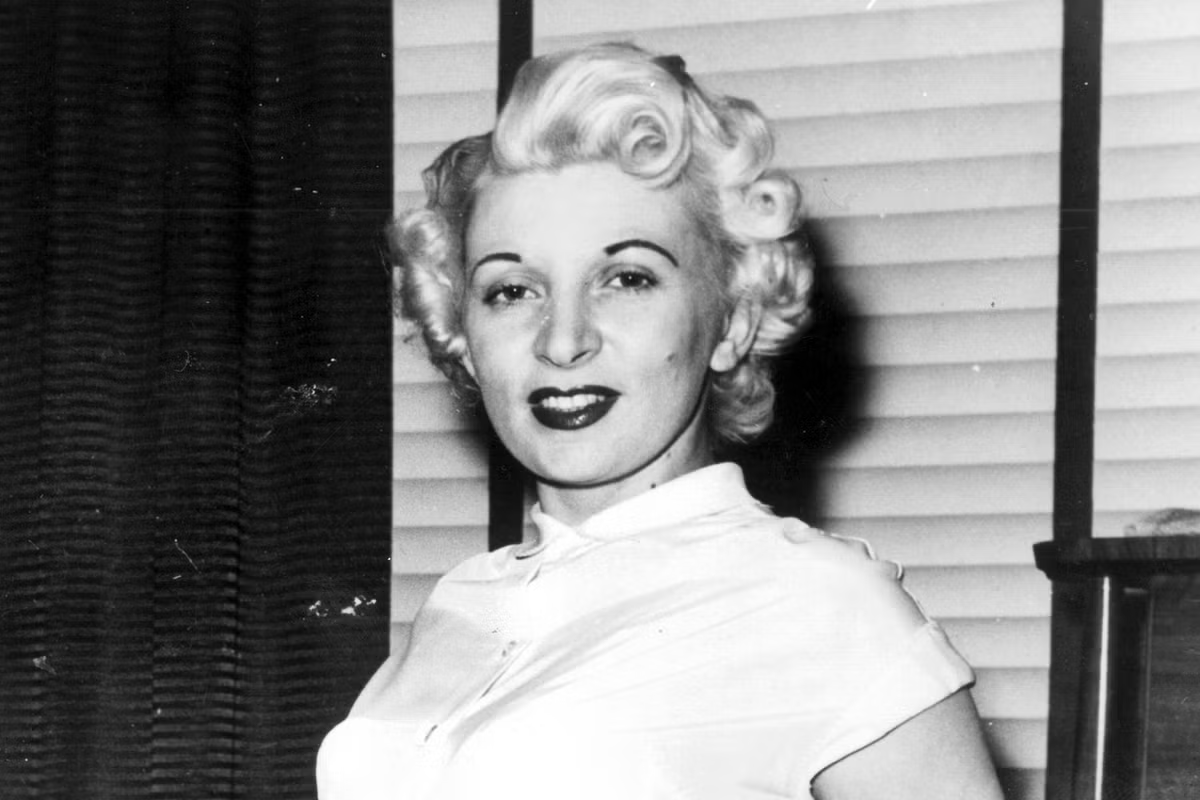
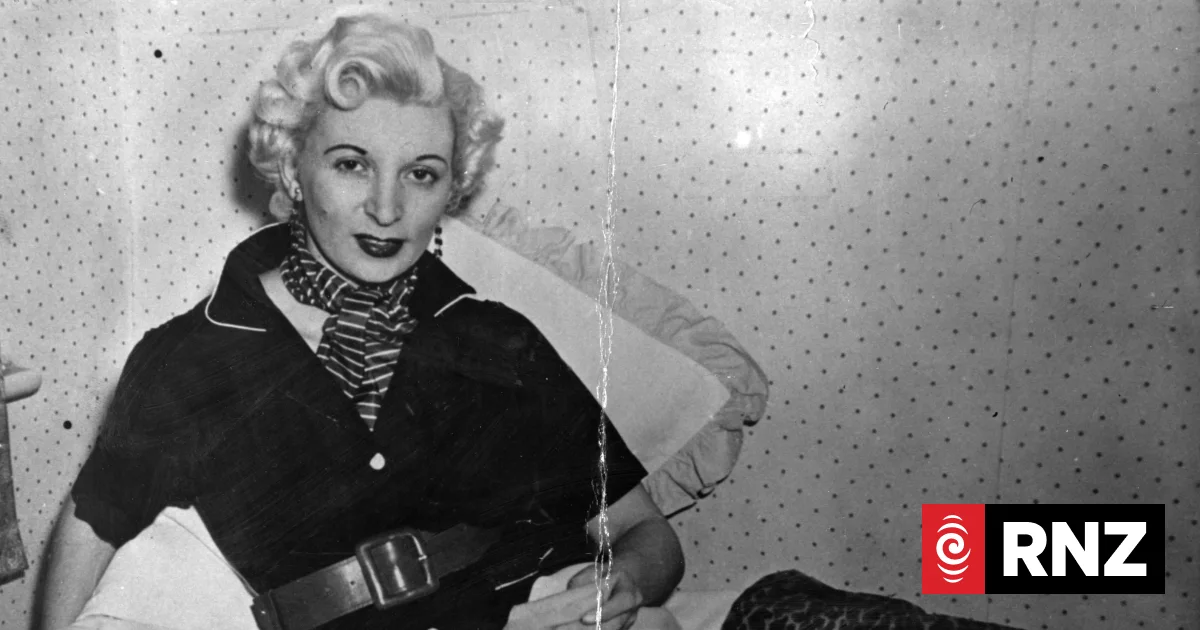
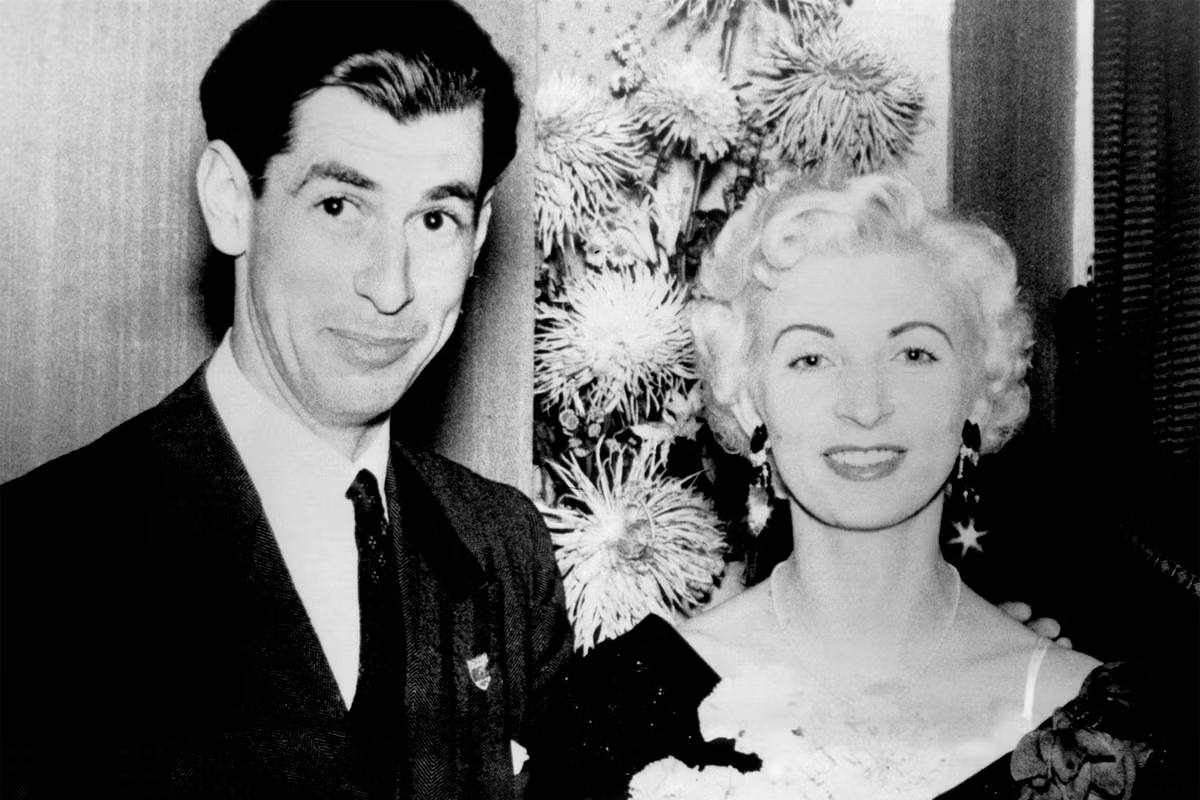
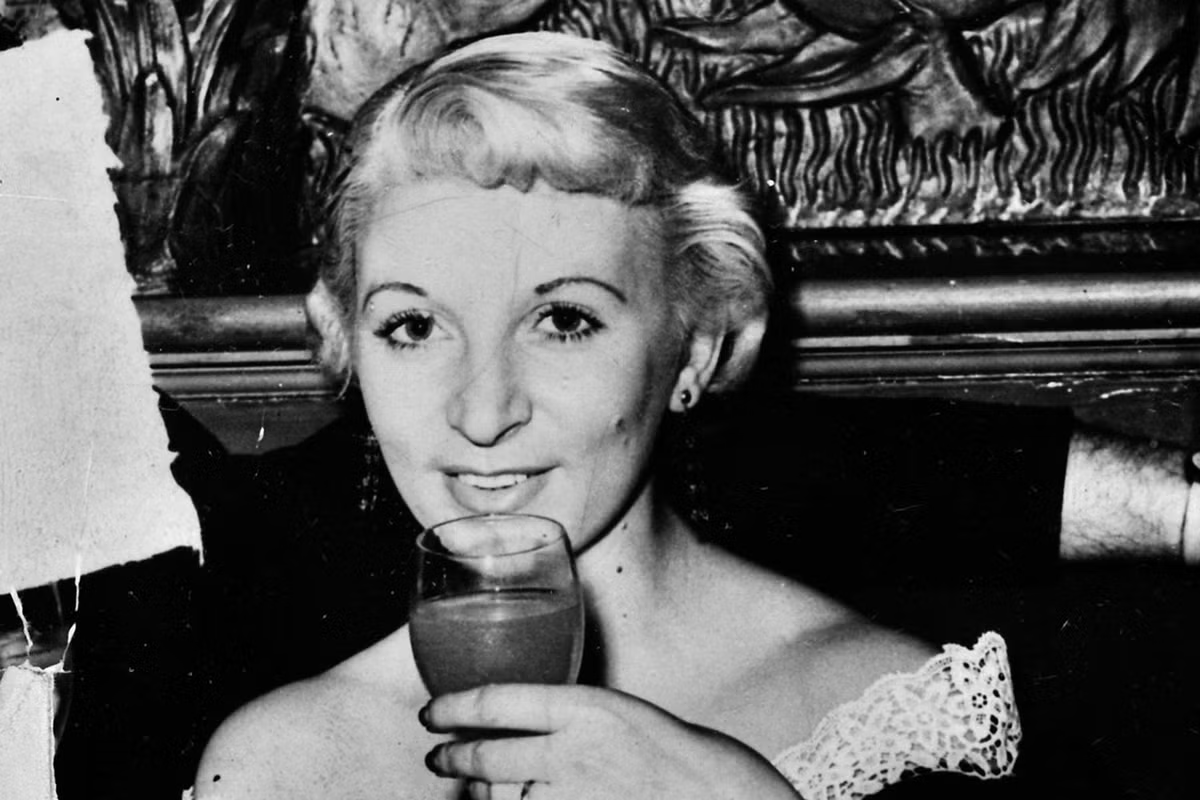
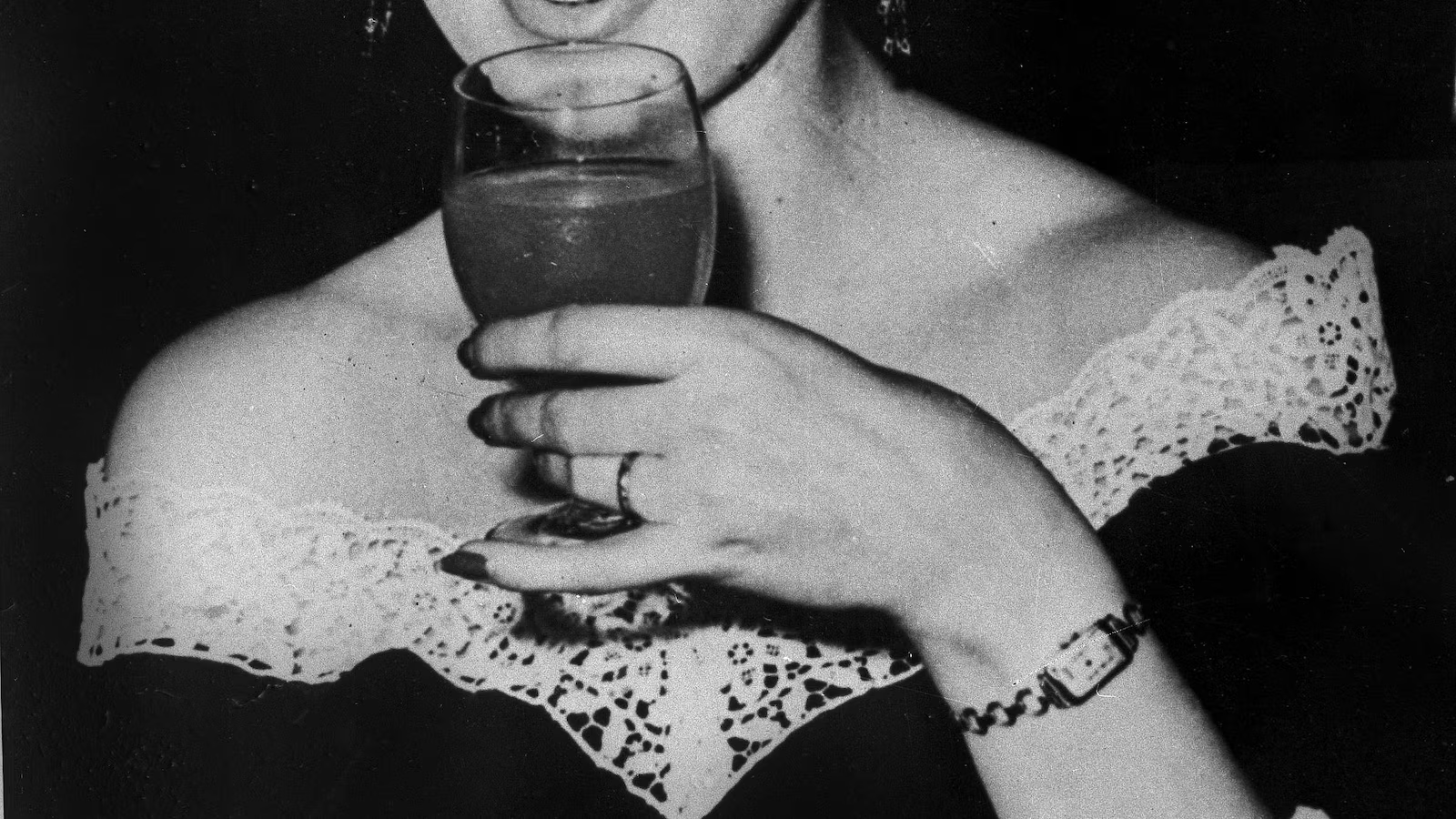
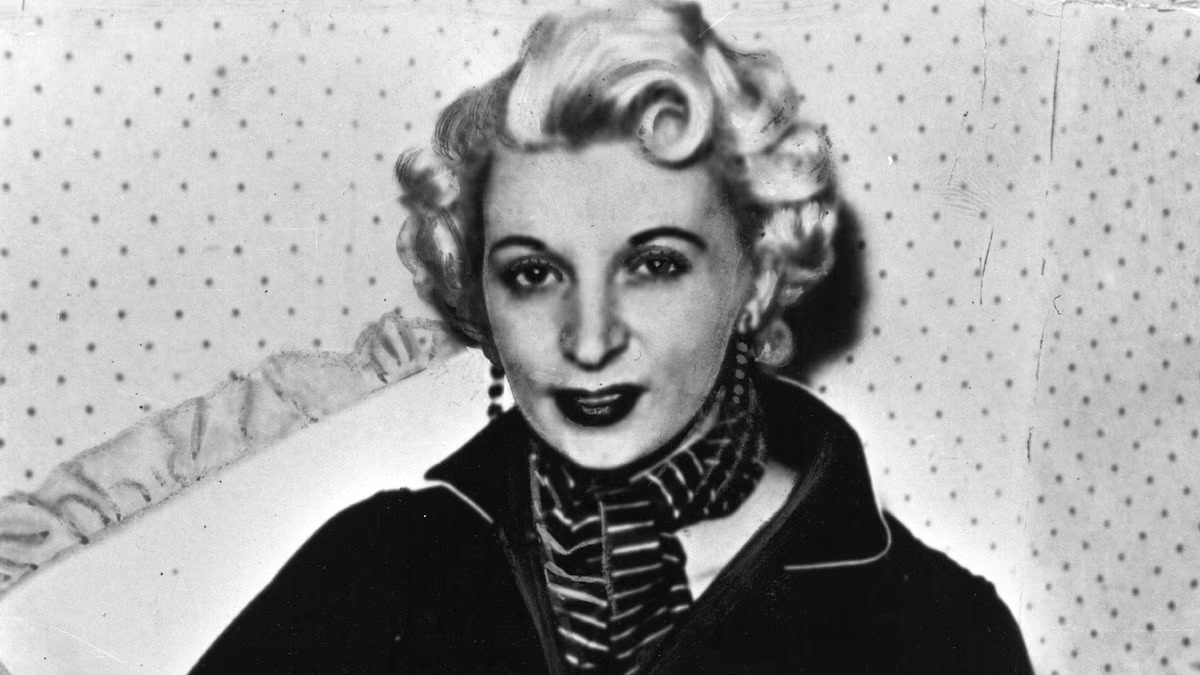
Ruth Ellis, the last woman to be executed in the United Kingdom, is to receive a posthumous pardon more than 70 years after she was hanged.David Lammy told MPs today that the King had granted a conditional pardon in an 'exceptional case' on the advice of the Government. Ellis, a nightclub hostess, was executed on 13 July 1955 after being convicted of murdering her lover, David Blakely. But her grandchildren have long been campaigning for a pardon on the basis that she was the victim of domestic abuse.Ellis shot Blakely dead outside The Magdala pub in Hampstead, London, following a tumultuous relationship involving infidelity on both sides, an aborted pregnancy, and violence including a punch in the stomach during an argument that led to a miscarriage.The British public was already questioning whether capital punishment had a place in 20th-century society, and Ellis's case was politicised in the discussion of the death penalty as a method of punishment in modern Britain.The trial judge told the jury to disregard the fact that the 26-year-old mother of two had been 'badly treated by her lover' as a defence.Under cross-examination, Ellis admitted that she intended to kill Blakely, and the jury took just 20 minutes to convict her of murder – a charge that carried a mandatory death sentence. Ellis, a nightclub hostess, was executed on 13 July 1955 after being convicted of murdering her lover, David Blakely David Lammy told MPs today that the King had granted a conditional pardon on the advice of the GovernmentLaura Enston, Ms Ellis's granddaughter, said: 'This pardon does not undo what happened 71 years ago. 'It does not restore the lives that were broken - the children left behind, the years lost. 'But it says, formally and finally, that Ruth should not have been executed; that the justice system failed her. That acknowledgement matters profoundly to our family.'Ruth was a victim of sustained and brutal abuse. Her children - our mother and uncle - never recovered. My uncle took his own life; my mother's trauma left her unable to be the parent we needed. The shadow of Ruth's execution has fallen across two generations. We have carried shame that was never ours to bear.'The grandchildren applied to justice secretary Mr Lammy last year seeking a conditional pardon.Unlike court appeals, pardons can consider broader factors, such as social developments, that may render a conviction or its resulting punishment inappropriate or unfair. The Ministry of Justice said that the move reflected 'evidence of domestic abuse and coercive and controlling behaviour that may have been understood differently today','Her responsibility was profoundly shaped by domestic abuse, trauma and circumstances that were never properly recognised at her trial,' a spokesman added.'Under modern law, it is possible that Ruth Ellis could have argued the partial defences of loss of control or diminished responsibility applied to her, defences that might have reduced her conviction from murder to manslaughter, and which could have been considered by a jury had the case been heard today.'Today Mr Lammy told the Commons: 'I have the honour to say that His Majesty the King has accepted our advice to grant Ruth Ellis a conditional pardon, the last woman to be hanged in the United Kingdom.'While the pardon does not claim she was innocent of killing David Blakely, it replaces the death penalty with a sentence of life imprisonment to recognise a profound injustice in this exceptional case.'