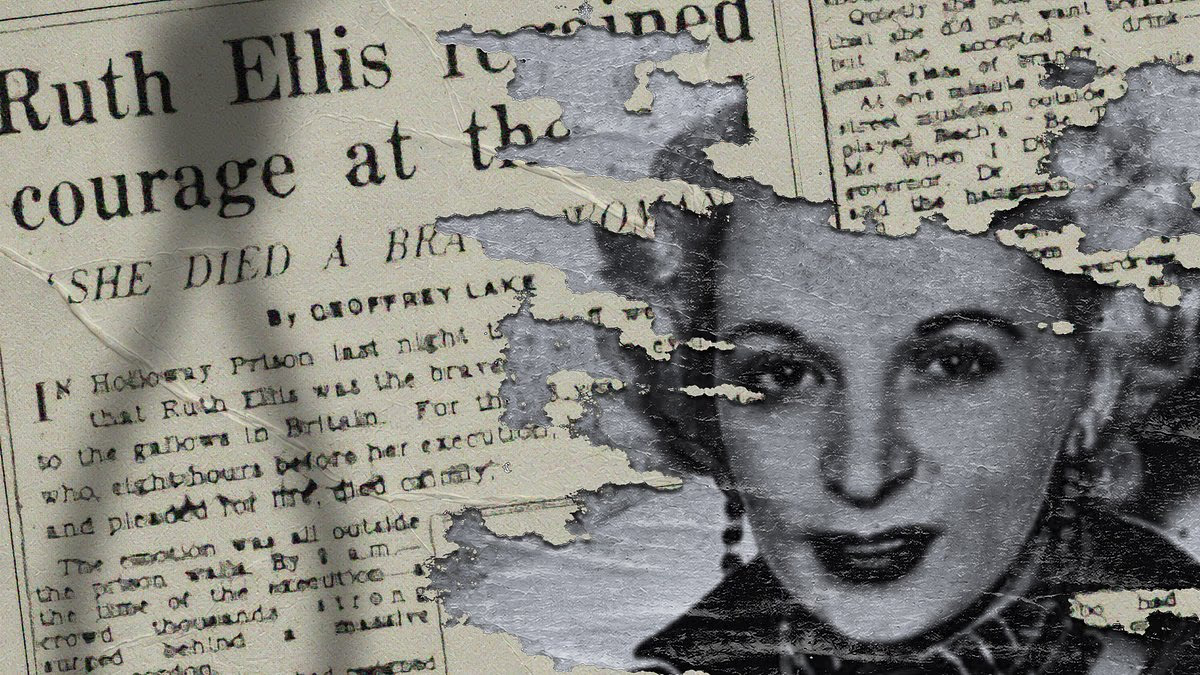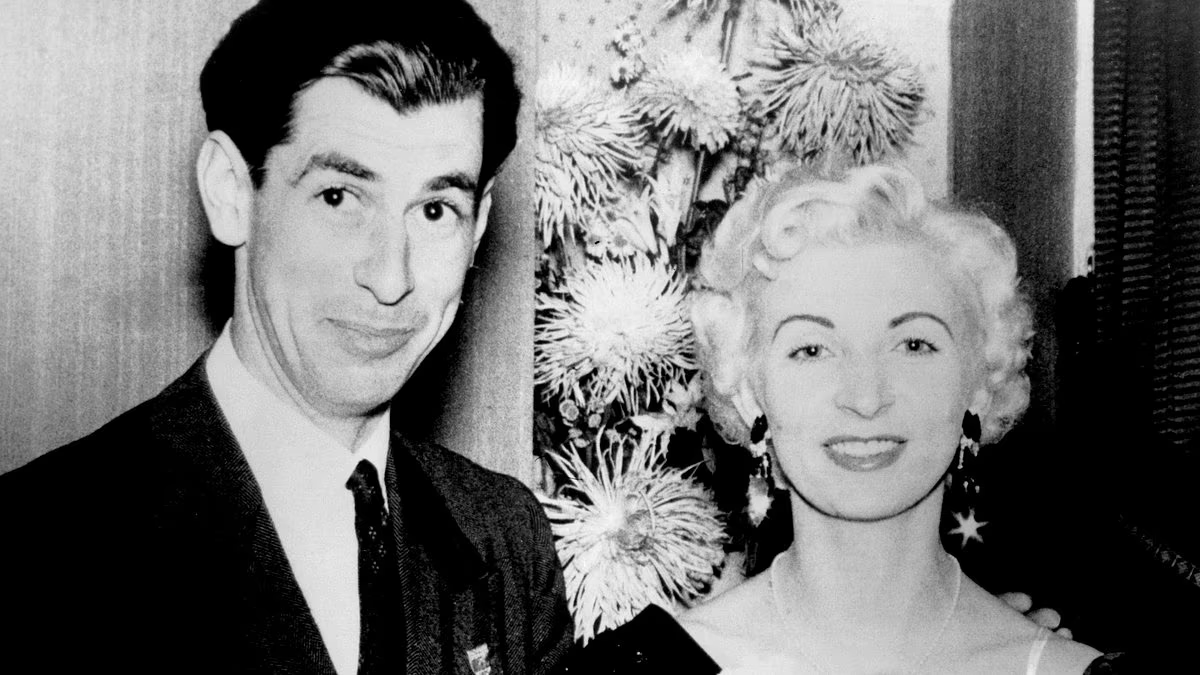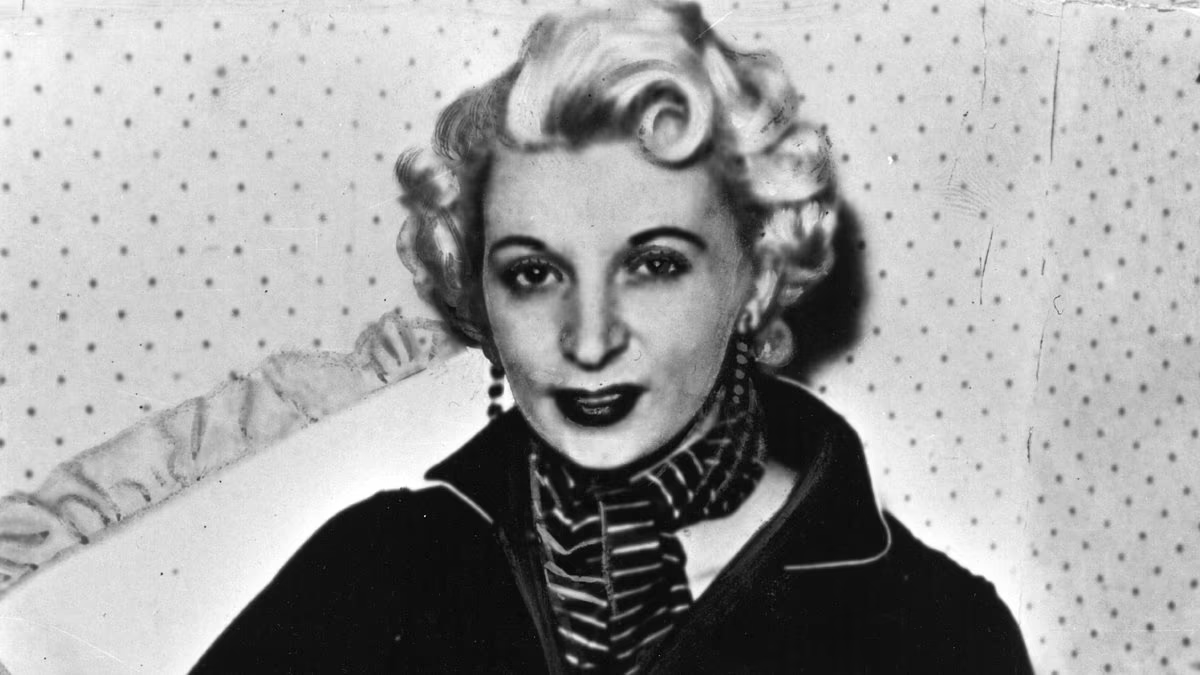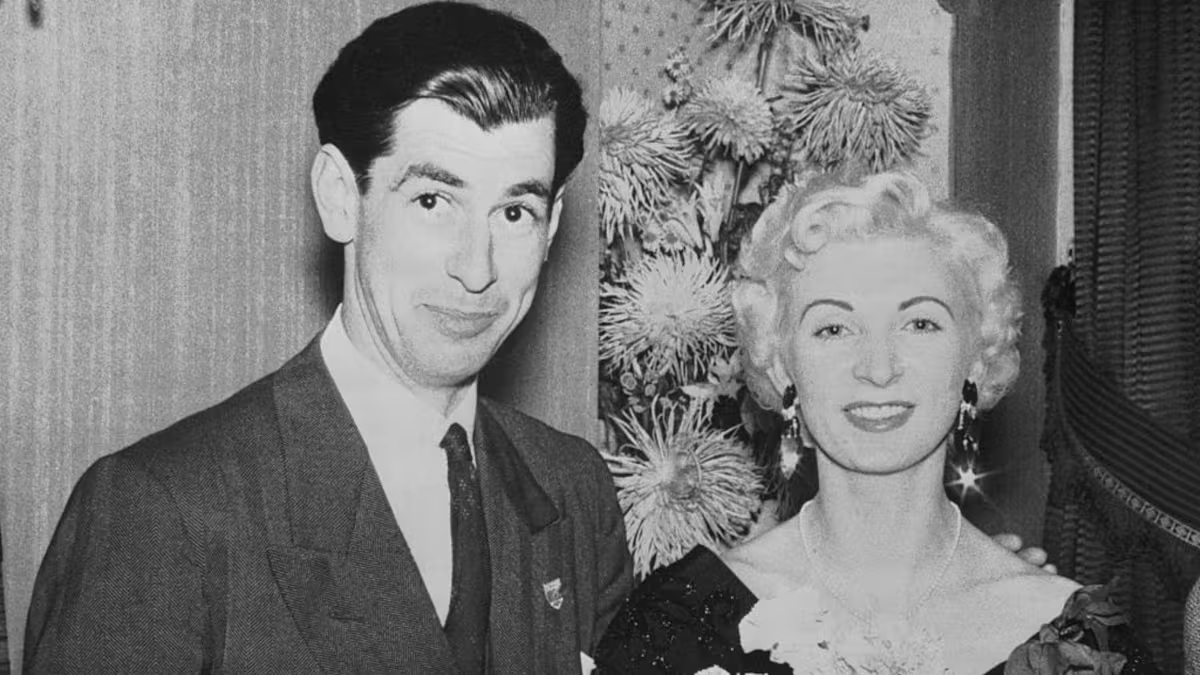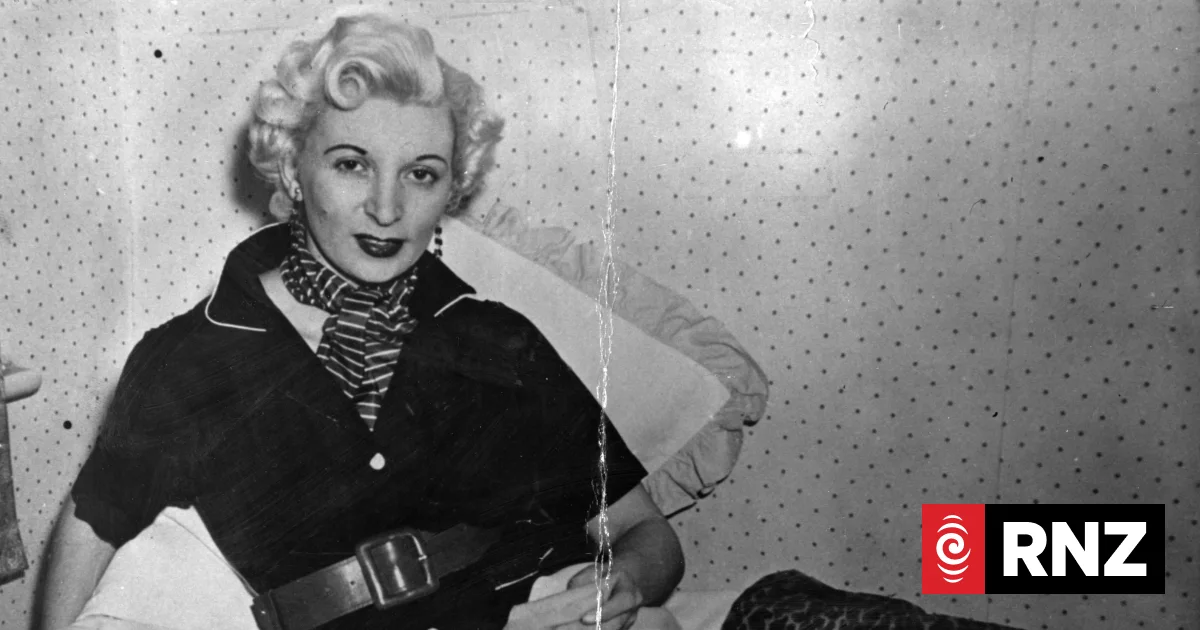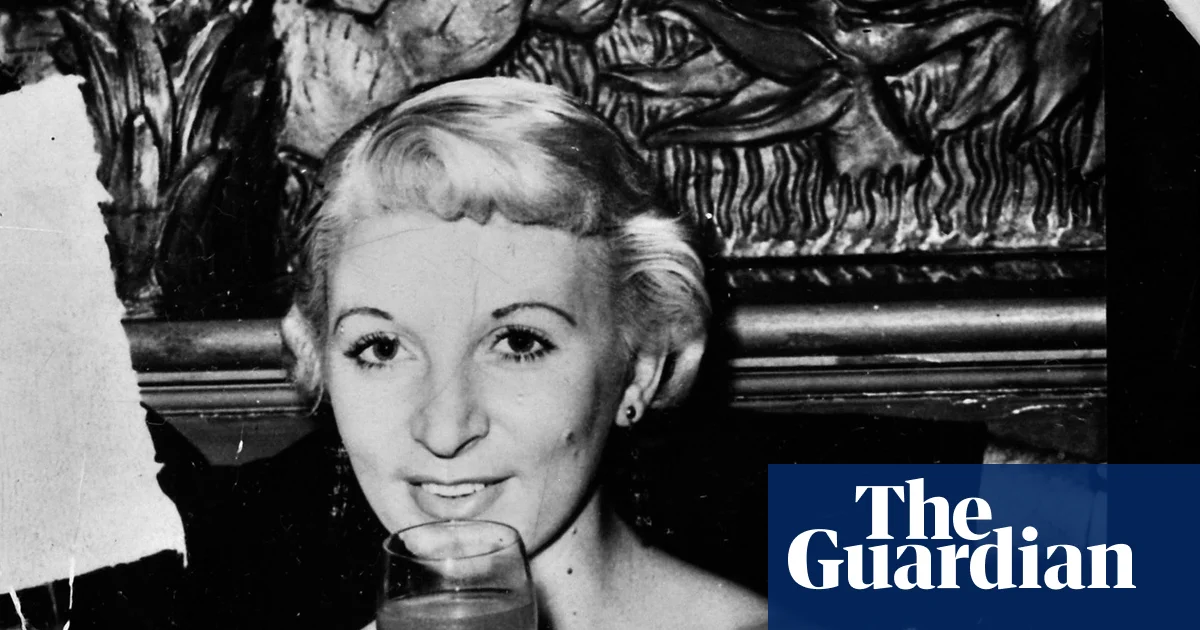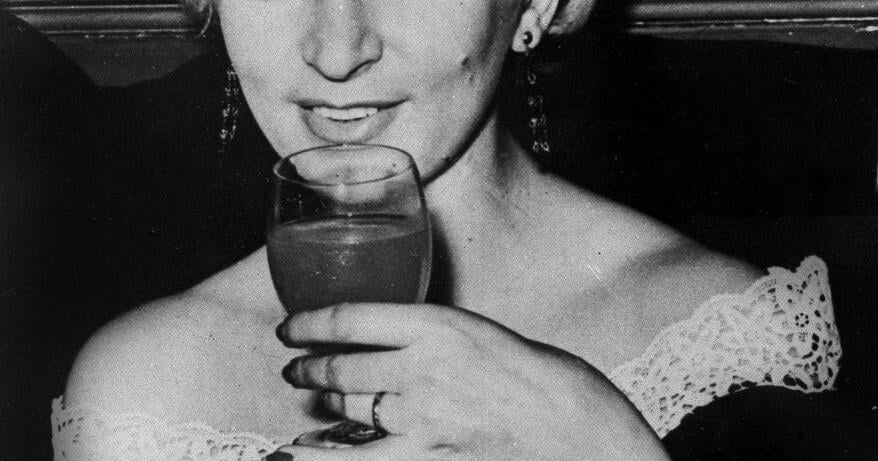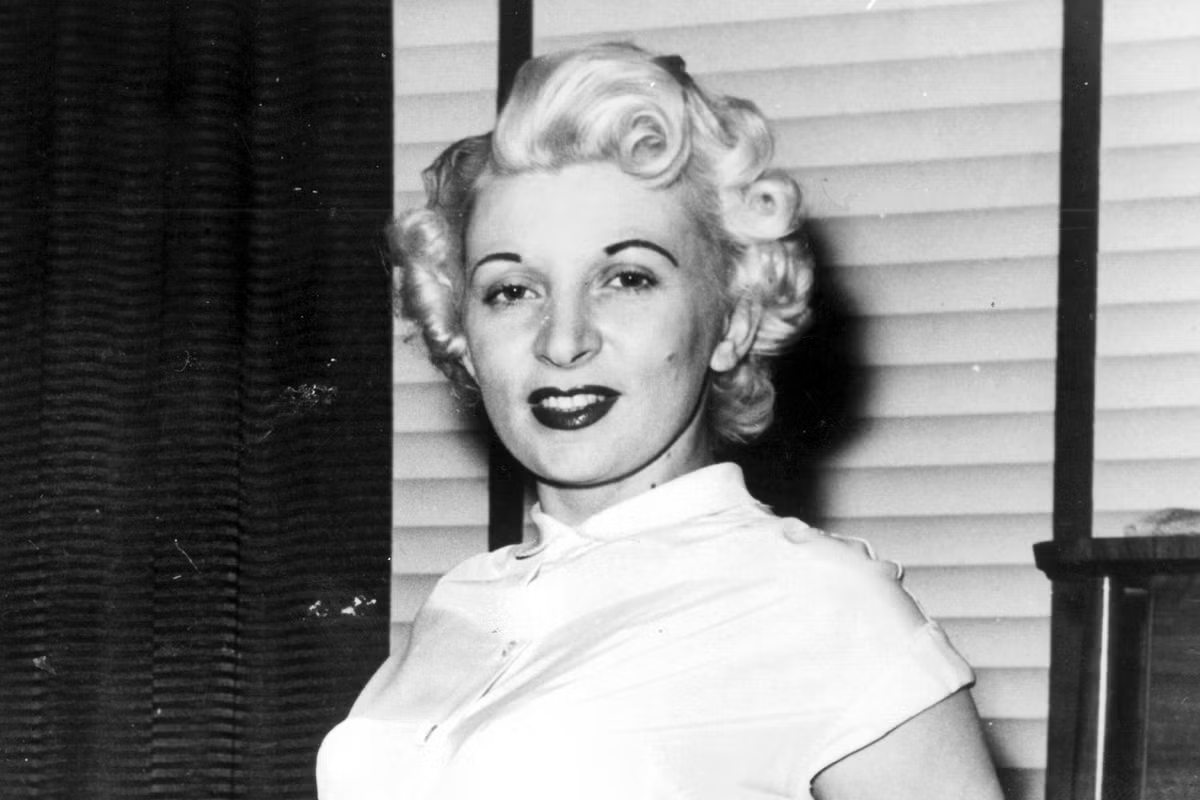
On 10 April 1955, Ruth Ellis shot her lover, David Blakely, dead outside a north London pub. She was arrested at the scene and tried for murder at the Old Bailey. Her highly publicised trial was short, and the jury took just over 20 minutes to reach a guilty verdict. She was executed on 12 July of the same year, and was the last woman to be hanged in England. At the time, Ruth was portrayed by the press as a cold-blooded killer. While researching A Fatal Love, my novel based on her life, I set out to find the woman behind the tabloid sensationalism. To my surprise, I discovered a trailblazer: a single mother of two who ran a thriving business and became London’s youngest nightclub manager. During the 1950s, men who had seen active service in the Second World War struggled to reintegrate into civilian life. Many were living with what would now be termed PTSD, though the condition had not yet been identified. For them, the clubs were a refuge where they could relive the glory days of the war. Ruth and the other hostesses listened to their stories, laughed at their jokes and helped rebuild their shattered sense of self. Ellis alongside David Blakely – she would be hanged for his murder (PA)Ruth had everything it took to be a first-class hostess: Marilyn Monroe-style glamour, intelligence, warmth, and an underlying disenchantment with life. She was a modern woman living at a time when women were being pushed back into the home, as the freedoms they had gained during the war were curtailed. They were expected to settle into the roles of ideal wives and mothers. Ruth refused to conform. Born in north Wales in 1928, she came from a working-class family. Her father, Arthur Hornby, was a cinema musician during the silent film era. Her mother, Elisabertha Goethals, was a Belgian refugee who was working in domestic service when they met. The arrival of the talkies meant that cinema musicians were no longer needed. As Arthur’s financial situation deteriorated, he grew increasingly violent towards his wife and children. Ruth’s sister, Muriel Jakubait, later said that their father had raped her and had also sexually abused Ruth. Ruth grew up in an unstable situation, with a violent parent who’s behaviour coloured her life after childhood (PA)These allegations have never been independently established, but there is little doubt that Ruth was a complex and traumatised woman, ambitious to rise above her parents’ station in life, and drawn to abusive men. In 1953, she met racing driver David Blakely. Charming and handsome, he was also unreliable, unfaithful and unable to hold down steady work. Ruth spent everything she had trying to keep him close. He abused her physically, emotionally and financially until she barely knew who she was or what would become of her. There were constant fights, and a messy love triangle involving Desmond Cussen, a former RAF pilot infatuated with Ruth. She lost her job as a hostess because of David. He once punched her in the stomach so hard that she miscarried their baby. Shortly afterwards, he left her.This pardon does not undo what happened 71 years ago. It does not restore the lives that were broken – the children left behind, the years lost. But it says, formally and finally, that Ruth should not have been executed; that the justice system failed herLaura Enston, Ruth Ellis’s granddaughterMy own reading, based on my research, is that Ruth killed him not because he abandoned her, but because she knew he would come back – and she could see no other way to escape the cycle of abuse. On 10 April, she spent the day drinking heavily. Desmond Cussen gave her a loaded .38 calibre Smith & Wesson gun and drove her to the Magdala Pub, where she shot Blakely.The Magdala pub, where Ellis fatally shot her lover in 1955 (AFP/Getty)Her trial was deeply flawed. Her defence, led by Melford Stevenson, only cross-examined two of the prosecution witnesses. Crucially, Stevenson chose not to reveal the extent of David’s violence and infidelity. I suspect this was because David belonged to a class of men whose reputations were protected by an unspoken code in 1950s Britain. The trial focused on Ruth’s transgressions, not on her suffering – and in the eyes of the court, there were many. She was mother to two children by different men, married to neither. She was a working-class woman who defied the accepted boundaries of sex, class and respectability – she broke every rule. She embodied the sum of post-war fears about class and female independence, and her execution served as a warning to other women not to stray from their traditional roles.More than 70 years later, our understanding of domestic abuse, coercive control and criminal responsibility has changed dramatically. Speaking in the House of Commons this week, deputy prime minister and justice secretary, David Lammy, announced that, on his advice, King Charles had granted Ruth a conditional pardon. Lammy also paid tribute to her grandchildren, Laura Enston and Stephen Beard, who submitted the appeal for a pardon last year. Laura Enston said in a statement: “This pardon does not undo what happened 71 years ago. It does not restore the lives that were broken – the children left behind, the years lost. But it says, formally and finally, that Ruth should not have been executed; that the justice system failed her. That acknowledgement matters profoundly to our family.”(Bloomsbury) The pardon reflects a recognition that, had Ruth’s case been heard today, a jury might have considered defences such as loss of control or diminished responsibility – either of which could have reduced a charge of murder to manslaughter. In 1955, neither defence existed in English law. Laura added: “We hope Ruth’s story serves as a lasting reminder that the justice system must reckon with the abuse that drives women to the edge – and must never be afraid to acknowledge when it has got things wrong.”Ruth spent her life longing to be someone. In death, her story had an impact she could never have imagined. Her case became a catalyst in the campaign against capital punishment. Two years after her execution, diminished responsibility entered English law. Capital punishment was abolished in 1965, the same year Holloway’s death row, where Ruth spent her final days, was demolished. History is only now beginning to see Ruth Ellis not as a cold-blooded murderess, but as a woman who suffered horrific abuse, and whose life and death went on to reshape British attitudes towards justice, abuse and mercy.Louisa Treger’s novel ‘A Fatal Love’, based on Ruth Ellis’ story, will be published by Bloomsbury on 27 August
Ruth Ellis: The untold story of the last woman to be hanged in Britain
She was a working-class woman who broke the rules of 1950s society – and paid for it with her life. But as Ruth Ellis is pardoned, 71 years after her conviction, Louisa Treger, whose latest novel is based on her story, explains why it’s only now that we are finding out the truth of what her life was like and what her death really meant
1,117 words~5 min read