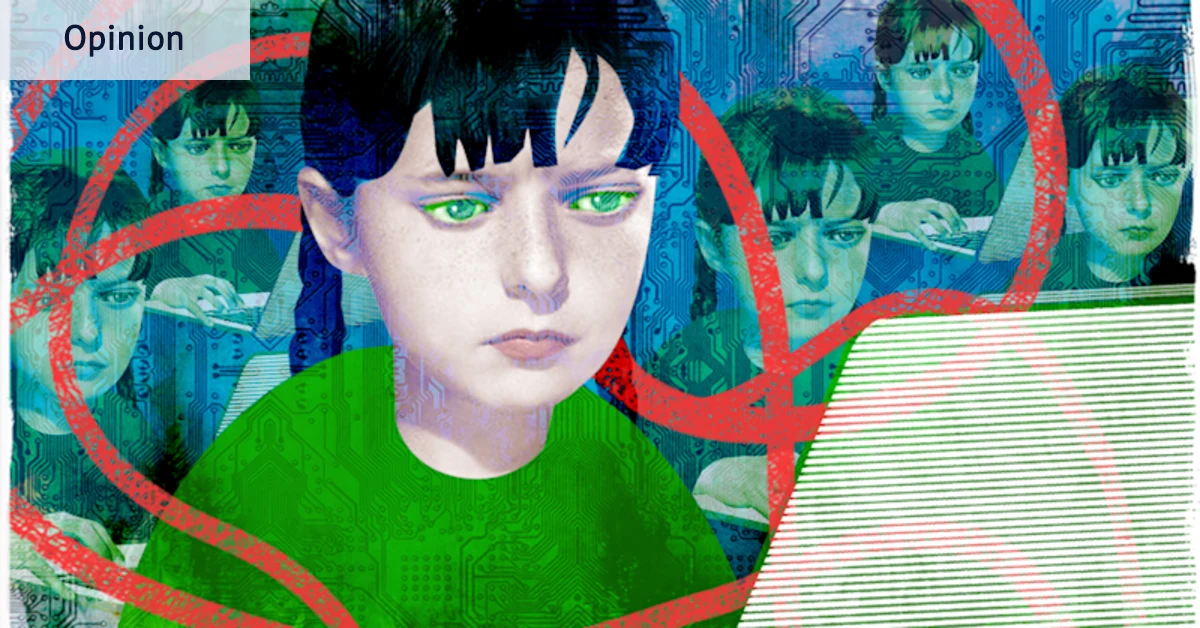
Research published this year has given a name to something employers have been circling for a while. Deskilling is what happens when an expert stops practising and gets worse. Never-skilling is what happens when a novice never gets good in the first place, and it is the more awkward problem, because the people it affects are the ones companies are already hiring fewer of.
The sharpest evidence comes from a randomised controlled trial run by Anthropic researchers Judy Hanwen Shen and Alex Tamkin, published in January.
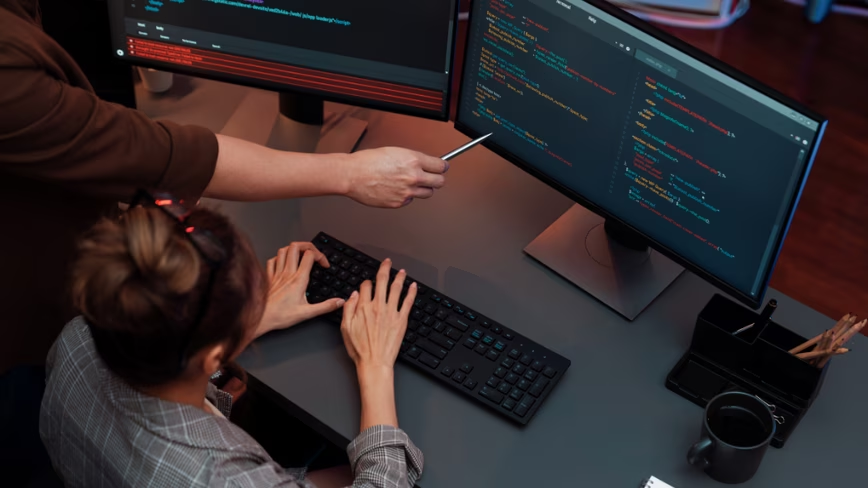
They recruited 52 mostly junior software engineers, gave half of them an AI assistant, asked all of them to learn Trio, a Python library none of them knew, and then quizzed everyone on the concepts they had used minutes before.
The AI group averaged 50%. The hand-coding group averaged 67%. Anthropic describes the gap as the equivalent of nearly two letter grades, and it was statistically significant, with a p-value of 0.01.
The 💜 of EU techThe latest rumblings from the EU tech scene, a story from our wise ol' founder Boris, and some questionable AI art. It's free, every week, in your inbox. Sign up now!The speed benefit, which is the entire reason anyone reaches for the assistant, did not really materialise. The AI group finished about two minutes faster, a difference that failed to reach significance, partly because several participants spent up to 11 minutes composing queries, roughly a third of their allotted time.