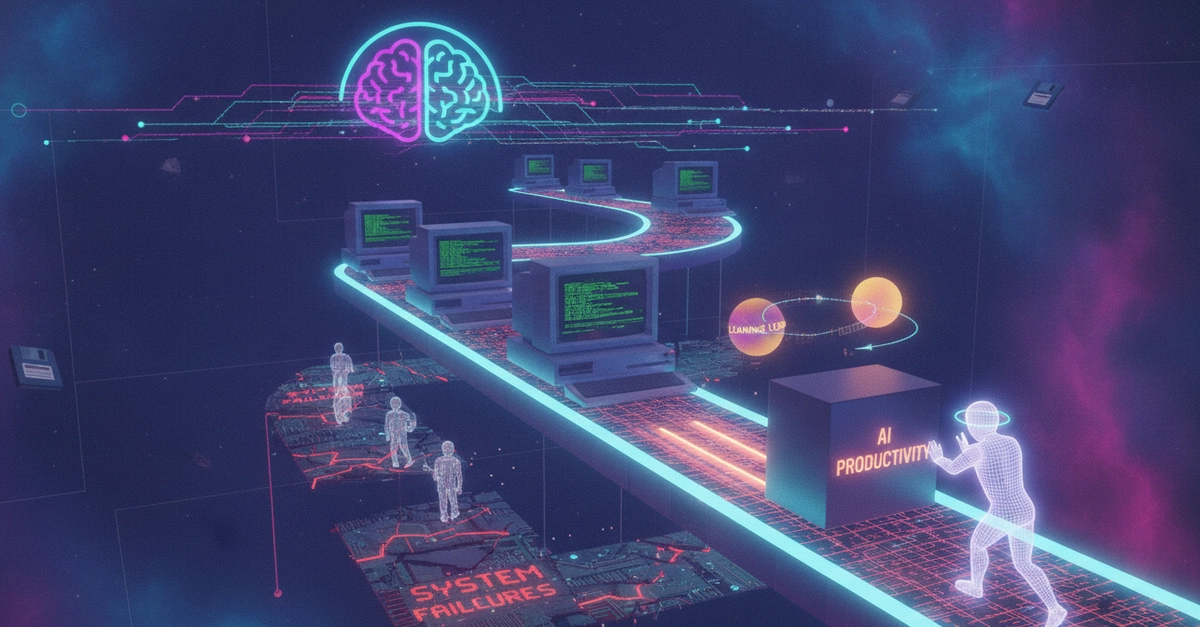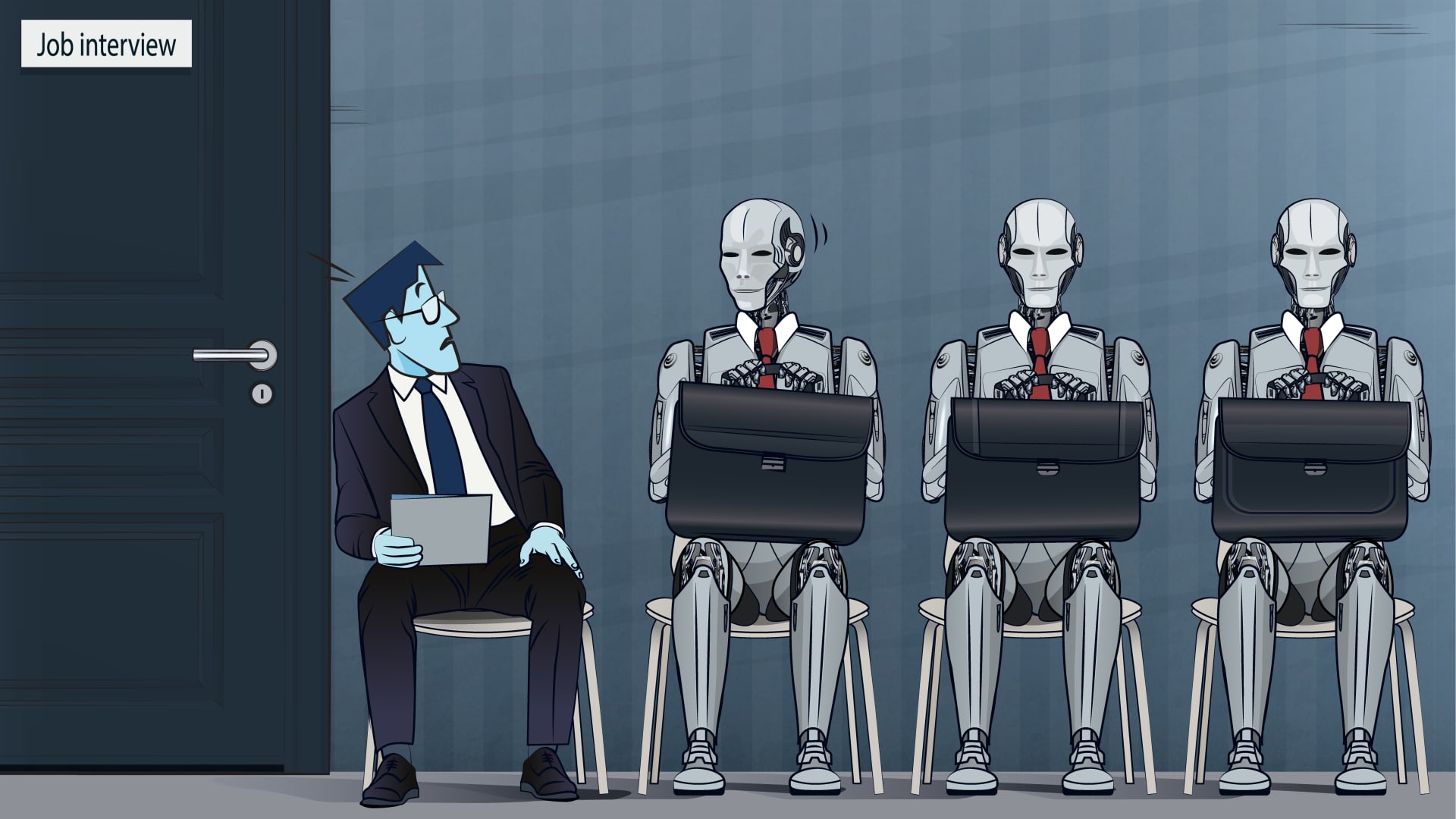
By Charles Pensig, Founding Partner, Stratus Data.gettyAs AI can now code better than the average junior developer, many companies are cutting junior hiring and investing more in their AI tools and the senior engineers who can make the most of them. The result is that even "top software engineering students can’t get a job because of AI." The New York Times reported that some tech graduates are working at Chipotle to make ends meet. I founded a company that helps senior leaders adopt AI, but if we prioritize immediate efficiency today, we run the risk of building organizations that are fragile tomorrow. The logic for cutting junior staff is compelling. Experienced engineers, already fluent in systems thinking and business context, can use AI tools to accelerate output, reduce manual work and make better decisions faster. Instead of expanding teams, organizations can do more with less, leaning into expertise rather than headcount. A report from Korn Ferry found that 37% of organizations plan to replace early-career roles with AI.But if companies increasingly rely on a small group of highly experienced engineers augmented by AI, they will unintentionally hollow out the pipeline of future talent. This doesn’t only apply to engineering. The same logic is playing out across every function where AI can replicate entry-level output—marketing, finance, legal, consulting and customer support. Traditionally, engineering organizations have operated with a layered structure. Junior engineers handle foundational work, learn by doing and gradually take on more responsibility. Over time, they develop into senior engineers themselves, carrying forward institutional knowledge, technical judgment and leadership capability.When that layer disappears, so does the apprenticeship model that sustains it. This creates a structural risk: Organizations become overly dependent on a shrinking pool of experienced talent without a mechanism to replenish it. In effect, they are betting that AI will be capable of filling that gap entirely—that it can not only assist with execution but also replicate the judgment, intuition and contextual understanding that senior engineers have built over decades.While AI continues to advance rapidly, it is still fundamentally dependent on human guidance, especially in complex, high-stakes environments. It can generate code, suggest optimizations and even identify patterns. But it does not inherently understand tradeoffs in the same way a seasoned engineer does. It doesn’t carry institutional memory, it doesn’t mentor and it doesn’t take accountability.Without a pipeline of developing talent, organizations risk losing more than just capacity. They risk losing continuity.So, what’s the alternative? I suggest following the path of IBM, which is ramping up hiring of Gen-Z. It is still using AI, but it has rewritten roles to account for AI fluency. For example, software engineers will spend less time on routine coding and more on interacting with customers.AI doesn’t replace the need for junior talent; instead, it can be used to reshape how they are trained. With AI, junior engineers can ramp faster. Senior engineers, in turn, can spend less time on repetitive tasks and more time mentoring and transferring knowledge. Ultimately, the biggest goal should be to sustain performance over time.If you eliminate the entry point into your engineering organization, you are making a long-term wager: that AI will eventually be able to do everything your senior engineers do today. That may happen, but if it doesn’t, the future cost will be far higher than what you save today. Forbes Technology Council is an invitation-only community for world-class CIOs, CTOs and technology executives. Do I qualify?
The Hidden Cost Of Replacing Junior Engineers With AI
If we prioritize immediate efficiency today, we run the risk of building organizations that are fragile tomorrow.
571 words~3 min read