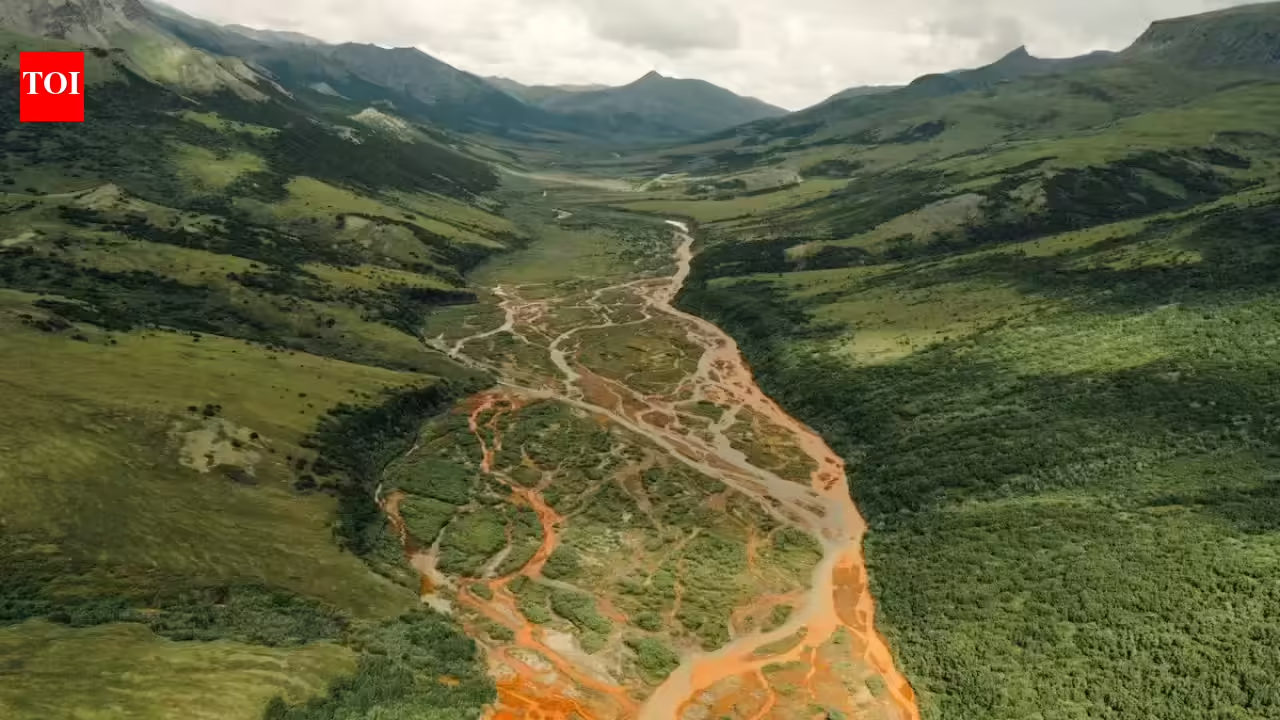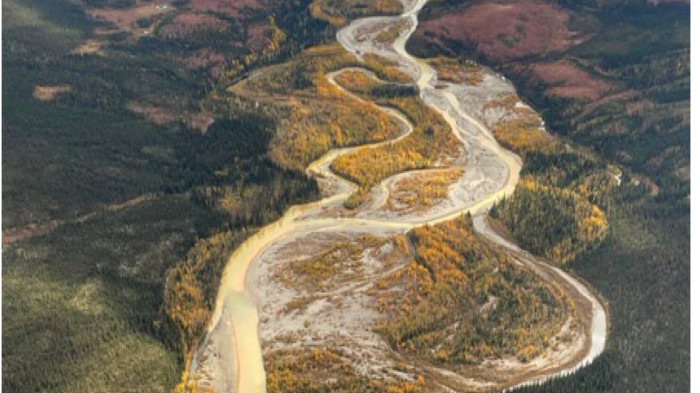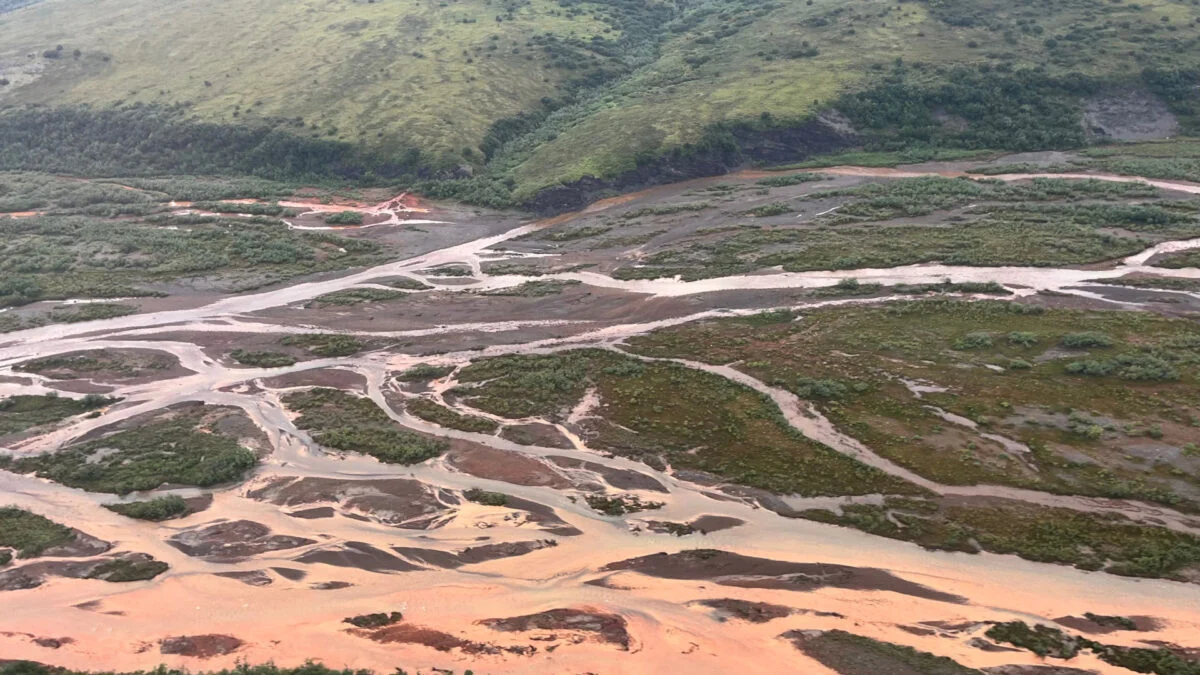
5 min readImage of the Day for July 13, 2026Orange streams are now being spotted in hundreds of watersheds in permafrost areas throughout Alaska’s Brooks Range.NASA Earth ObservatoryJul 13, 2026 Article
View more Images of the Day:
From declines in annual sea ice extent to the greening of the tundra, environmental change has been unfolding incrementally in the Arctic over decades. Some shifts, however, have come on more abruptly.
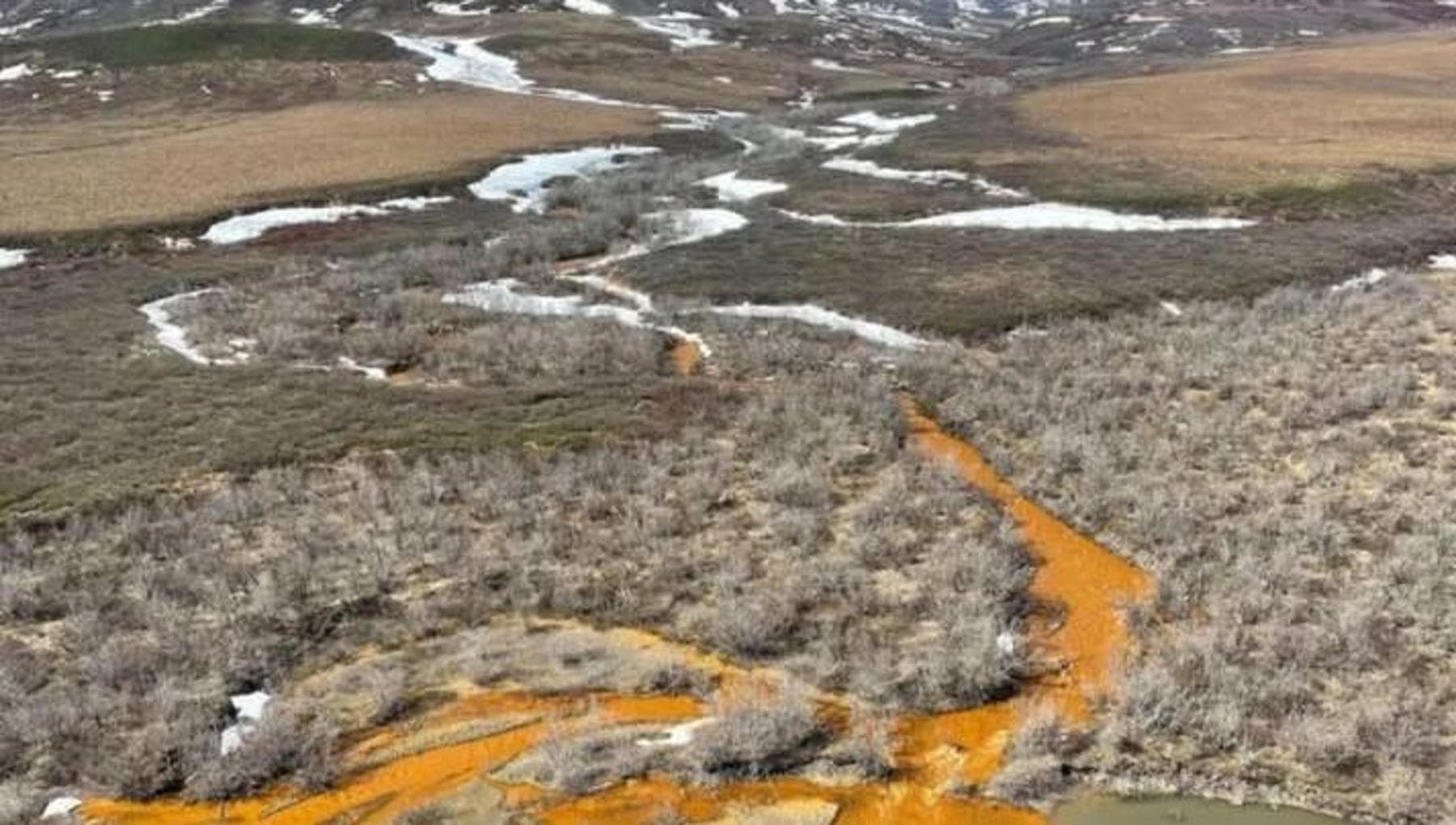
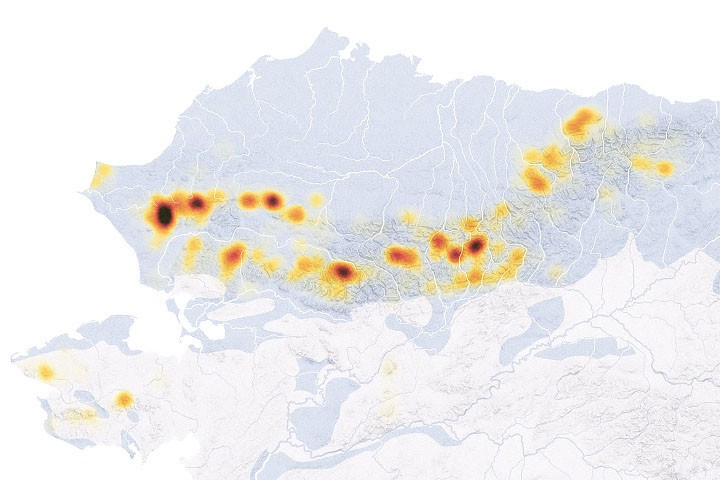
Satellite, aerial, and ground-based surveys spanning more than 600 miles (1,000 kilometers) across Alaska’s Brooks Range have observed stream water changing from clear to orange in more than 200 watersheds. What’s more, scientists are finding that the switch has largely taken place within the past 10 to 12 years, coinciding with a pronounced increase in air and ground temperatures.
Thawing permafrost soils, accelerated by warming air and ground temperatures, are the most likely cause of the “rusty” rivers, scientists say. They surmise that water is now encountering thawed ground and bedrock where it previously had not. Chemical weathering of minerals leaches iron, sulfuric acid, and trace metals into streams, akin to the process behind acid mine drainage, which similarly pollutes and discolors water near abandoned mines. Microbes may also contribute to the color change by producing a soluble form of iron as they digest plant and animal matter in thawing soils, which then becomes oxygenated, or “rusts,” in flowing streams.