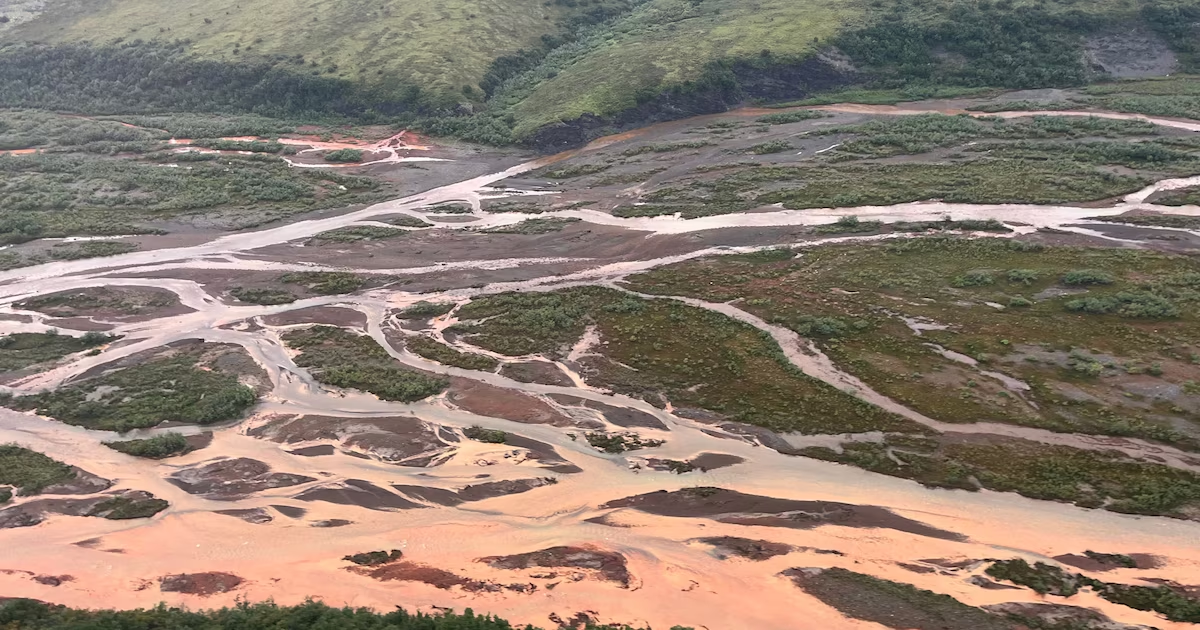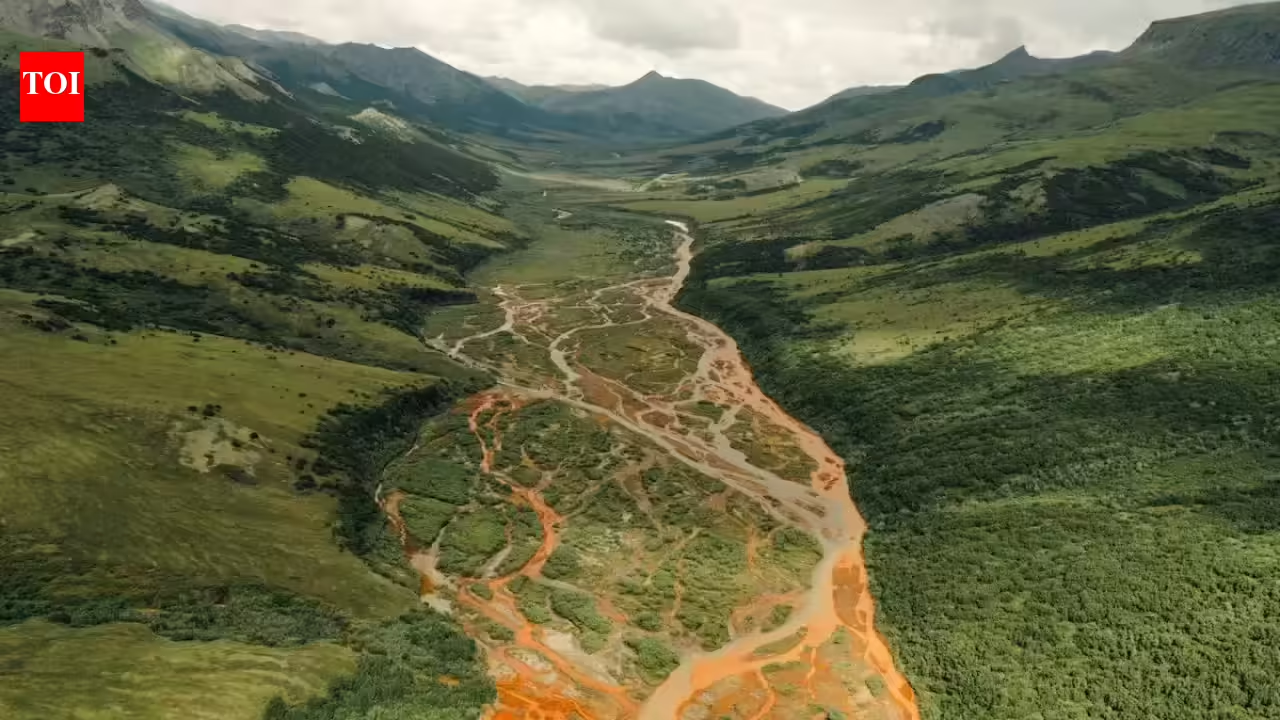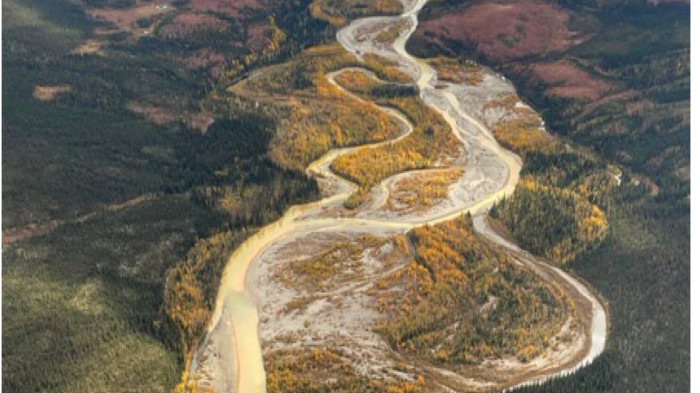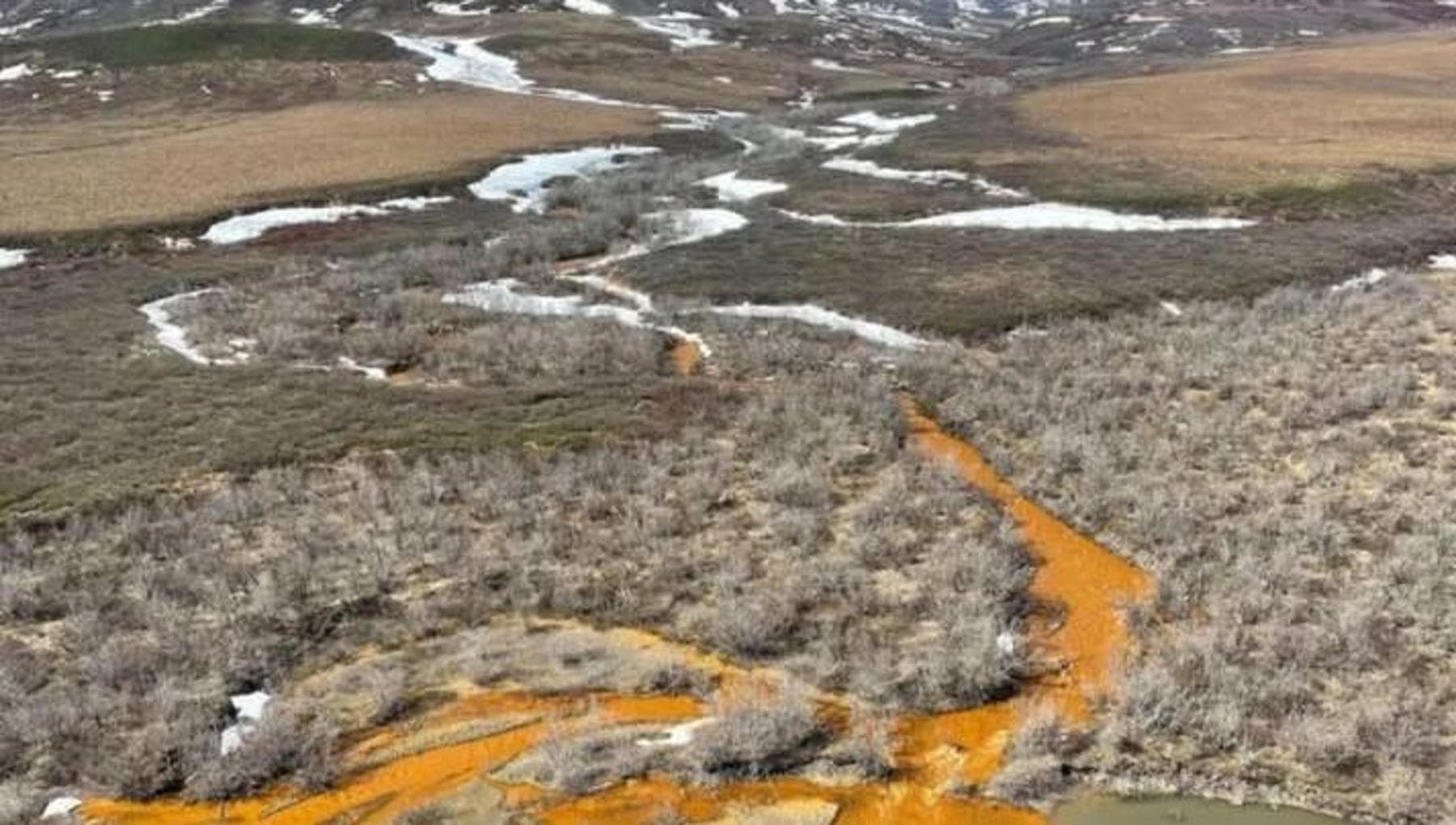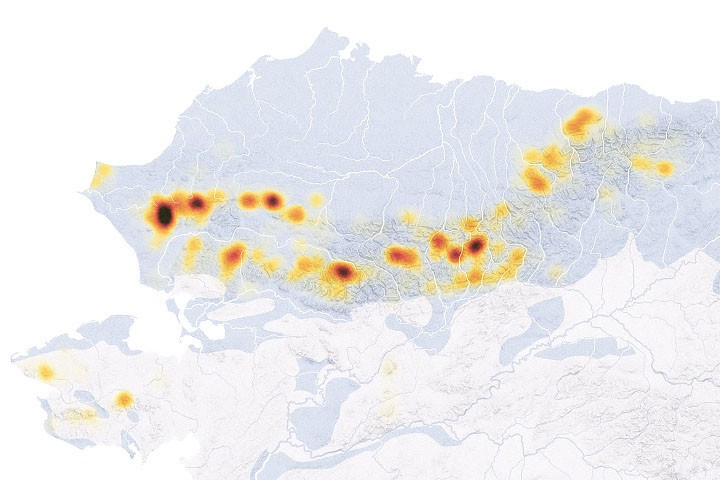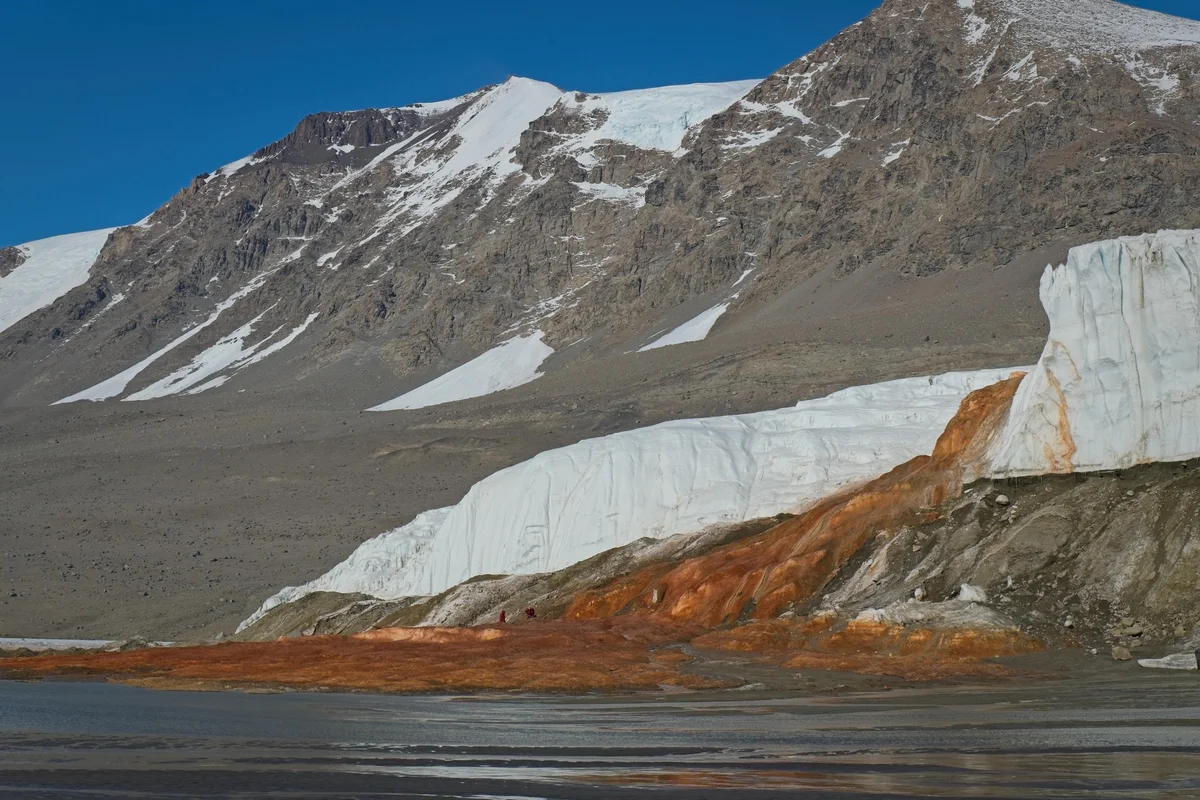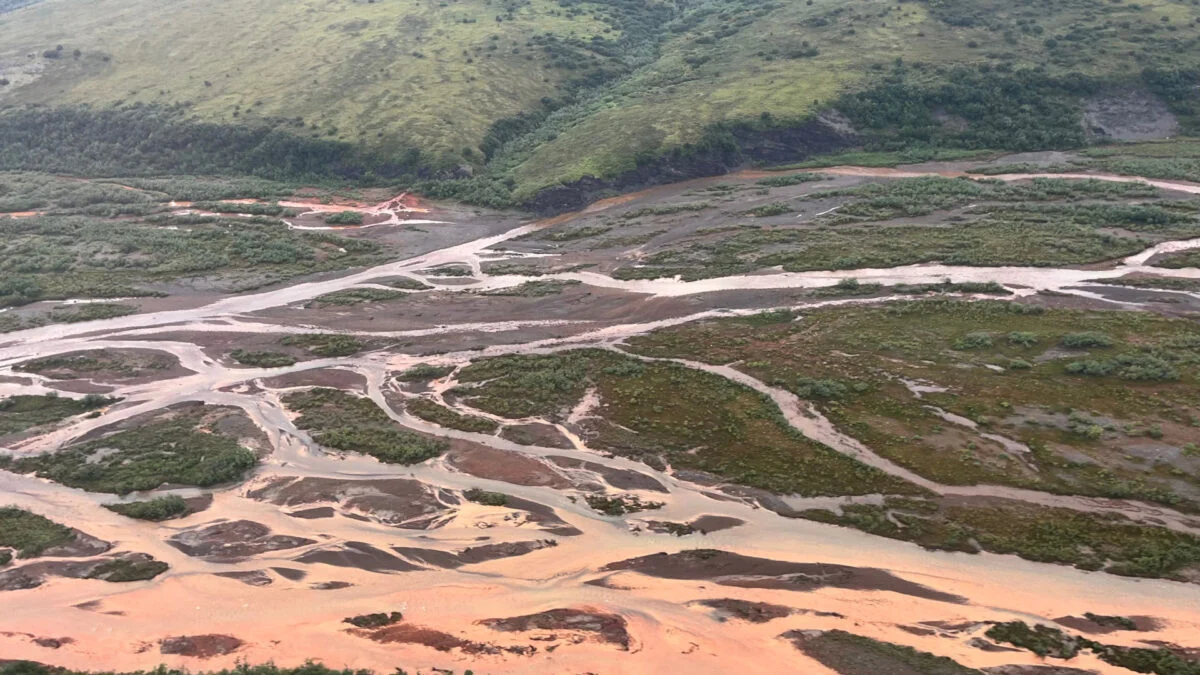
Early this year, researchers confirmed why one part of Antarctica bleeds red. In similar yet arguably more concerning news about Earth’s poles, Arctic rivers are turning orange—and scientists now know the real reason behind this shift. In a study published last year, the same team initially documented the orange slush—toxic iron particles fatal to wildlife—at Alaska’s Brooks Range. In a follow-up investigation, published recently in Communications Earth & Environment, the researchers confirmed that, as suspected, the contamination comes from thawing permafrost. What’s more, the team outlined two distinct ways in which thawing soil “rusts” rivers and how to predict its spread. “It’s already happening in Russia and will keep happening anywhere you have the right geology and warming temperatures,” Tim Lyons, the study’s corresponding author and a biochemist at the University of California Riverside, said in a statement. “It started as a canary in a coal mine in the Brooks Range, but now those canaries are chirping all over.” When soil meets water According to the paper, the leading explanation for discoloration of rivers involves the degradation of permafrost. Ultimately, this creates new pathways within soil layers for water to interact with compounds—like iron—that would otherwise have remained deep in the soil.
Arctic Rivers Are Bleeding Orange. Scientists Just Found the Toxic Origin
Not even the most remote, natural hotspots appear exempt from rising temperatures.
565 words~3 min read