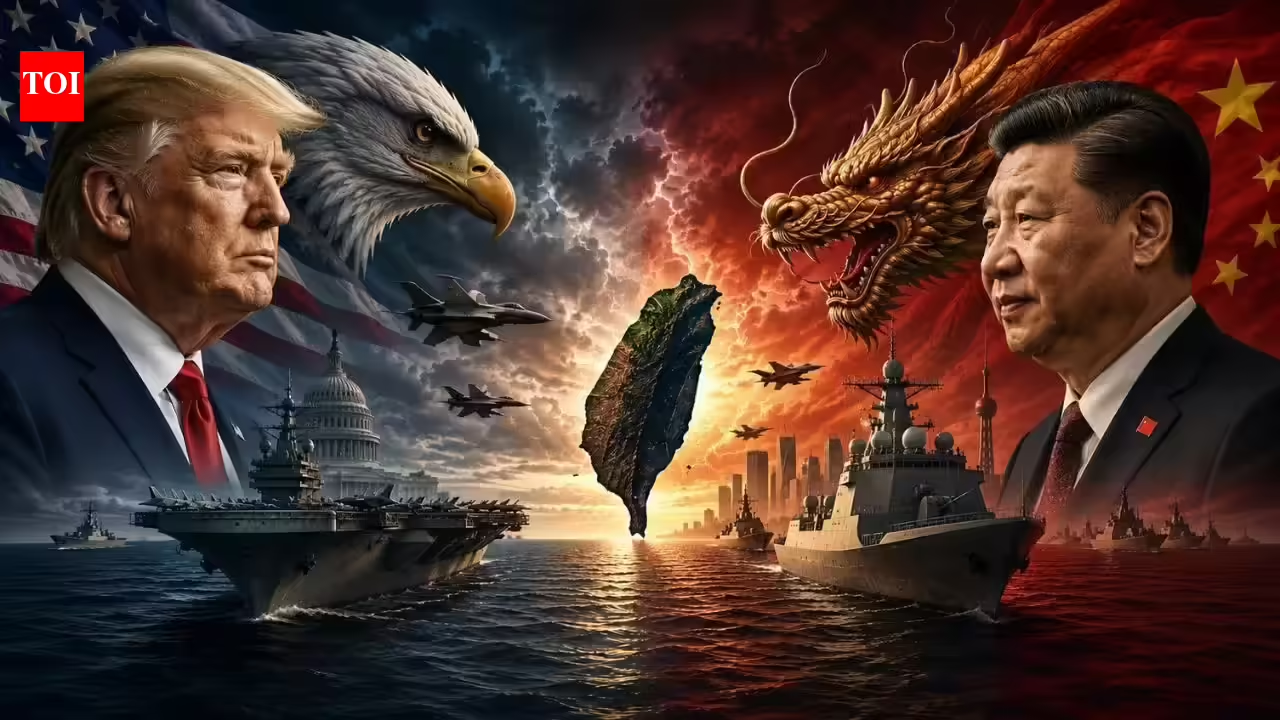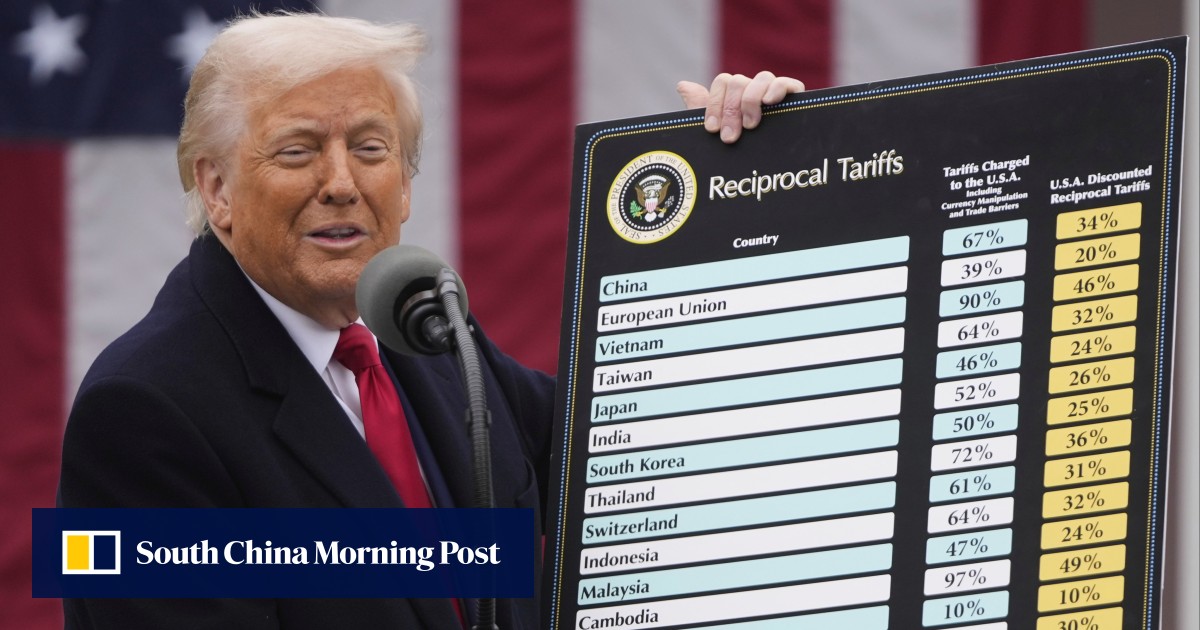
Although the process of extricating the U.S. from various open-ended, cold war legacy security commitments shrouded in ambiguity is chaotic — more enraged bull in China shop theatrics than dispassionate Bismarckian realpolitik chess — President Donald Trump is rediscovering the vital national interests of the United States, and fundamentally restructuring U.S. grand strategy to refocus on the defense of the Homeland and safeguarding a streamlined American sphere of influence. The U.S. war on Iran launched at the end of February reflects an opportunistic, impulsive approach of rolling the dice on limited war to disengage from the Persian Gulf while bequeathing the likely messy aftermath to regional actors. Also, at the June NATO summit in Ankara, Trump showcased a jawboning, brow-beating approach to paving the way for an eventual dissolution of a military alliance that no longer has a common European existential threat. It’s time now for Trump to adopt a more disciplined, calculated, and transparent approach to untangle and reset the problematic U.S.-Japan security partnership.
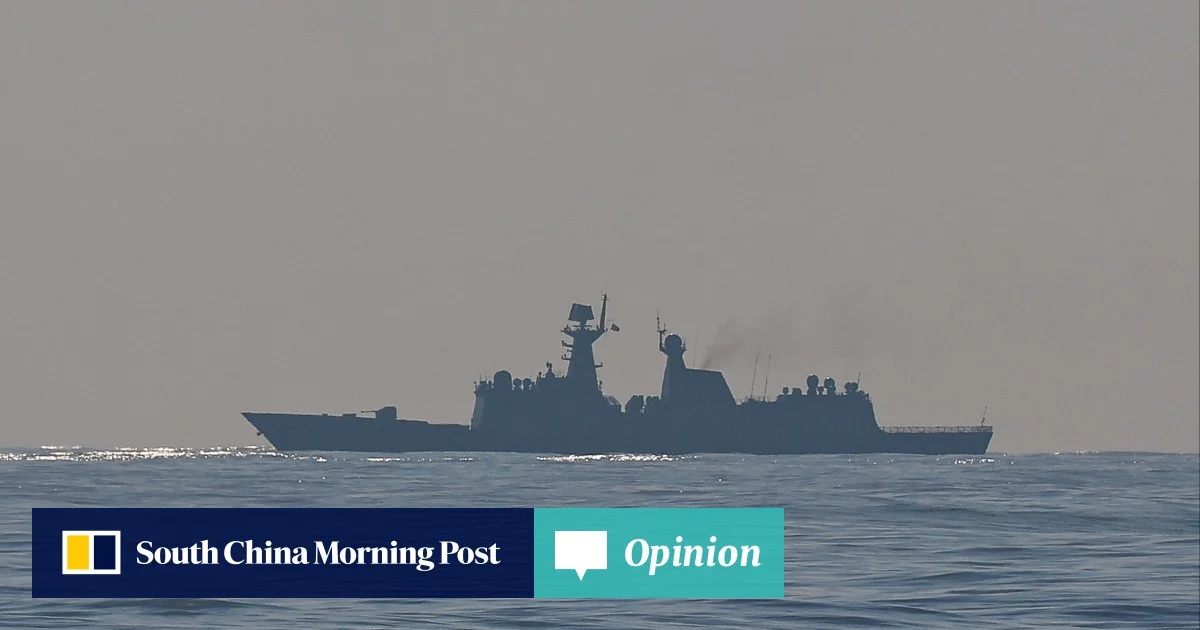
Japan has three sets of unresolved territorial disputes with China (and Taiwan), Russia, and South Korea (and North Korea), respectively. From Japan’s perspective, its long-standing territorial claims may reflect vital national interests. Certainly, Washington has not objected to Tokyo’s territorial aspirations. If any of the parties (including Japan) resort to military force, the U.S. risks being entrapped in a war in support of Japan even though no U.S. vital national interests are at stake. For the past 25 years, Japan and China have been engaged in an increasingly acrimonious dispute over 8 uninhabited rocks in the East China Sea (equidistant between Taiwan and Okinawa) collectively called the Senkaku/Diaoyu Islands, which have been under Japanese administration since 1971 (when the U.S. ceded control over occupied Okinawa to Japan). Taiwan (as the erstwhile Republic of China) has claimed sovereignty over these so-called islands as an integral part of the Republic of China. The People’s Republic of China claims Taiwan as a Chinese province and considers the Diaoyu Islands to be an integral part of China. The U.S. has both a “One China” policy (since the 1972 Shanghai Communiqué) and a security understanding with Taiwan (since the 1979 Taiwan Relations Act). Furthermore, pursuant to Article V of the 1960 U.S.-Japan Treaty of Mutual Cooperation and Security, the U.S. has an affirmative obligation to defend Japan in the event of an armed attack within the area under the administrative control of Japan. Current and former Presidents Barack Obama (2014), Trump (2017), and Joe Biden (2021) have affirmed that the Senkaku Islands are under Japanese administration. Manifestly, such an affirmation provides, albeit inadvertently, a “made in USA” fuse waiting to be lit. As a matter of urgency, Trump, in his second administration, must explicitly exclude any areas under Japanese administration that are subject to competing sovereignty claims from the ambit of the U.S.-Japan mutual security pact. There should be no ambiguity that the U.S. will not go to war over uninhabited foreign rocks. Japan and Russia have yet to sign a peace treaty formally ending the Second World War because of the dispute over the Kuril Islands in the Sea of Okhotsk (occupied by Russia since 1945). Trump should make it clear that the U.S. does not support any part of such an irredentist Japanese claim as these are territories that the country lost as a direct consequence of WWII. The loss is part of the price of defeat. The control of the Kurils (whatever their strategic importance to Japan or Russia) is not a vital national interest of the United States.HOW JAPAN SUSTAINS RUSSIA’S MISSILE PRODUCTIONJapan’s sovereignty claims with respect to Takeshima/Dokdo Islands in the Sea of Japan remains a major obstacle to closer cooperation with South Korea and a modus vivendi with North Korea. Both Koreas also assert sovereignty over these sparsely inhabited islands, which are under the administrative control of South Korea. Obviously, from the perspective of Washington, a territorial dispute involving two U.S. allies undermines the strategic rationale of a security partnership. Indeed, the only potential beneficiary is North Korea. Trump should remove these disputed islands from the ambit of any security arrangements with Japan.George Washington, in his Farewell Address, prudently warned against entangling alliances. Trump has a unique opportunity to disentangle America from foreign alliances that no longer serve the country’s vital national interests.Samir Tata is the founder and president of International Political Risk Analytics, an advisory firm based in Reston, Virginia, and author of the book Reflections on Grand Strategy: The Great Powers in the Twenty-first Century.