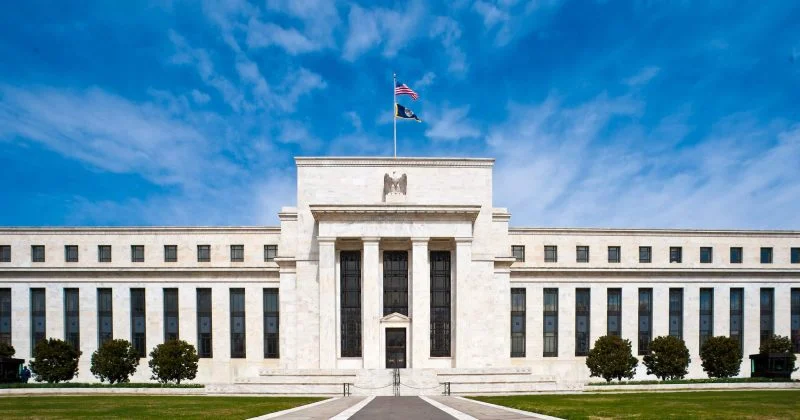
The wave of inflation in the past few months is not expected to grow into an inflation tsunami of the kind that rocked the United States as it emerged from the pandemic.Inflation crested at nearly 9% in June 2022 under then-President Joe Biden — the worst in generations — but has generally fallen since, and dipped to near the Federal Reserve’s 2% target at the start of this year. Since the war in Iran, it has shot back up to 4.2%, leading some to wonder if the worst is yet to come, or even if the U.S. could suffer a second round of even worse inflation, as happened in the late 1970s.
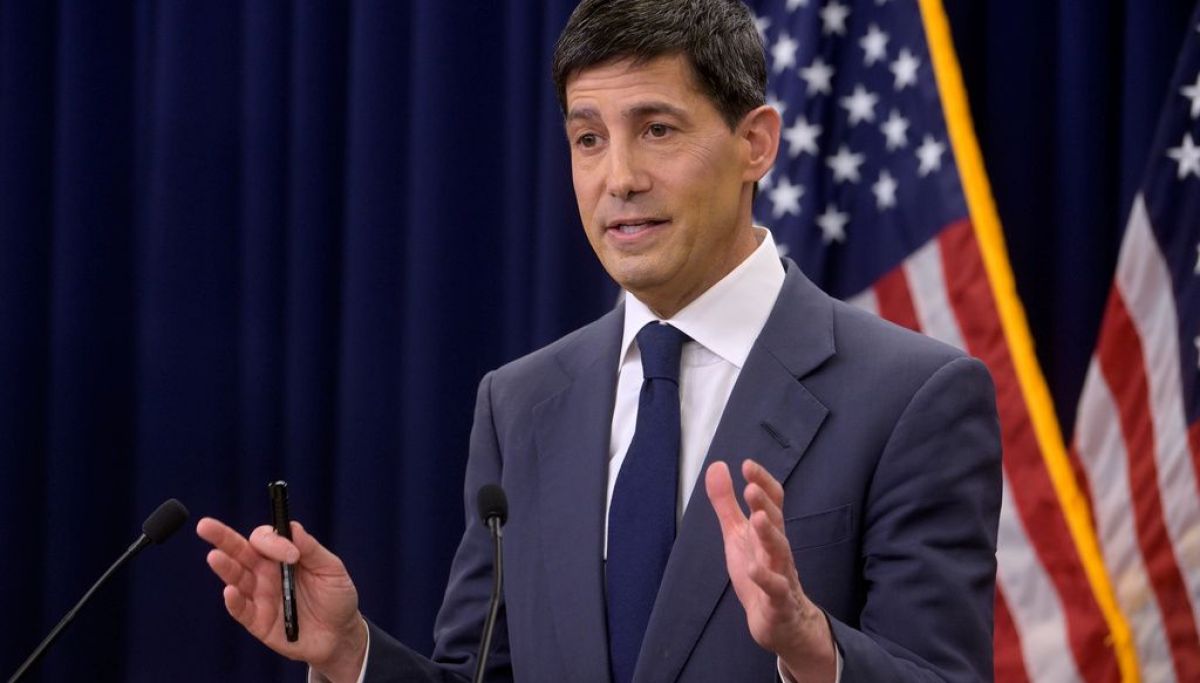
But experts say the fundamentals underlying the 2021 and 2022 bout of inflation are markedly different from what is driving the most recent uptick.“The reason we’re not going to get 9% inflation is because monetary policy is under control,” Ryan Young, senior economist at the Competitive Enterprise Institute, told the Washington Examiner. “The COVID inflation came from $5 trillion of balance sheet growth, so that was monetary.”
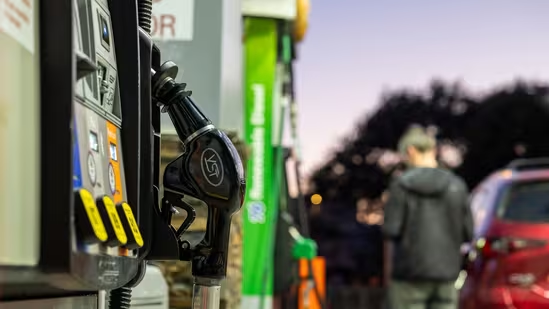
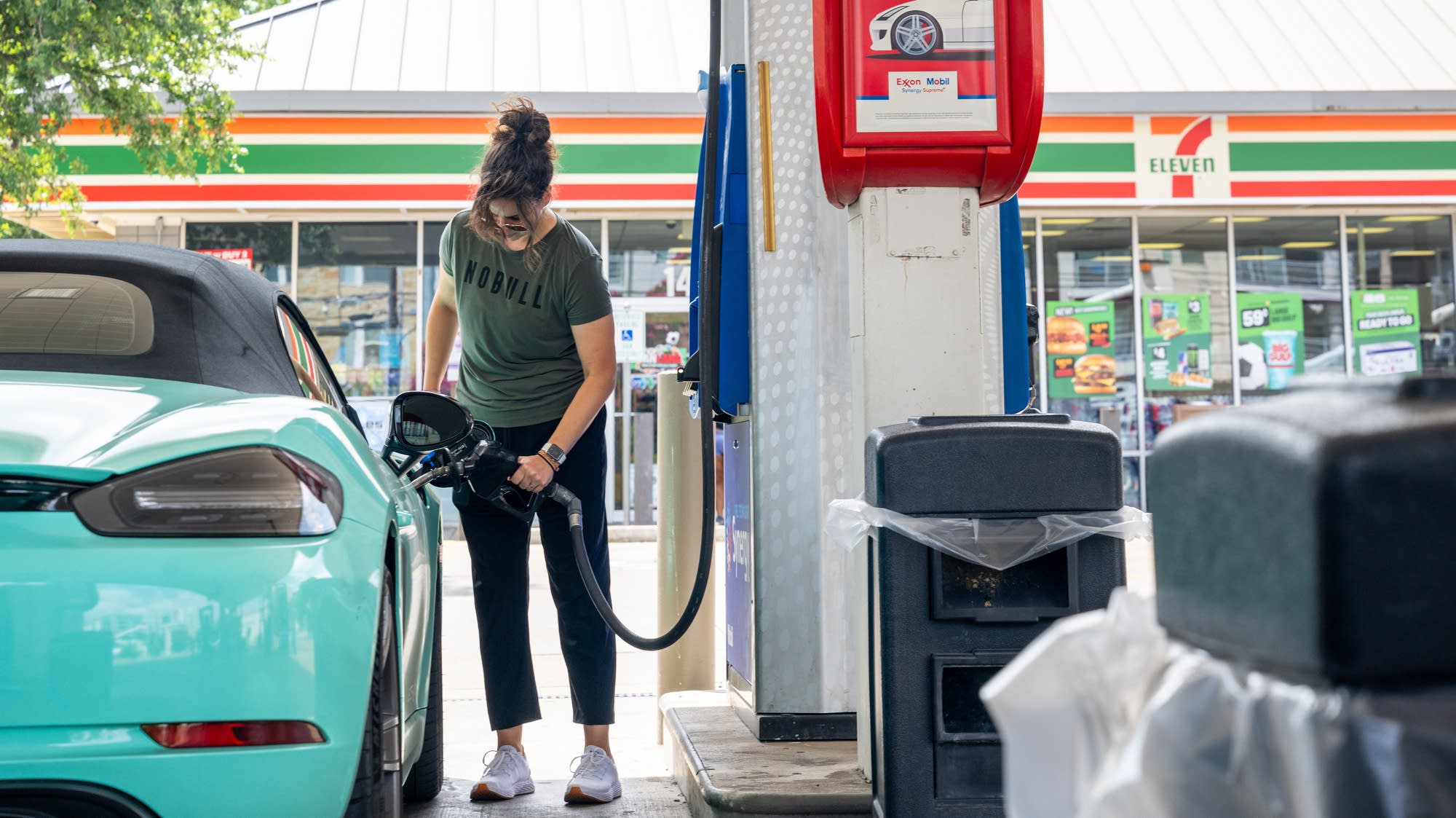
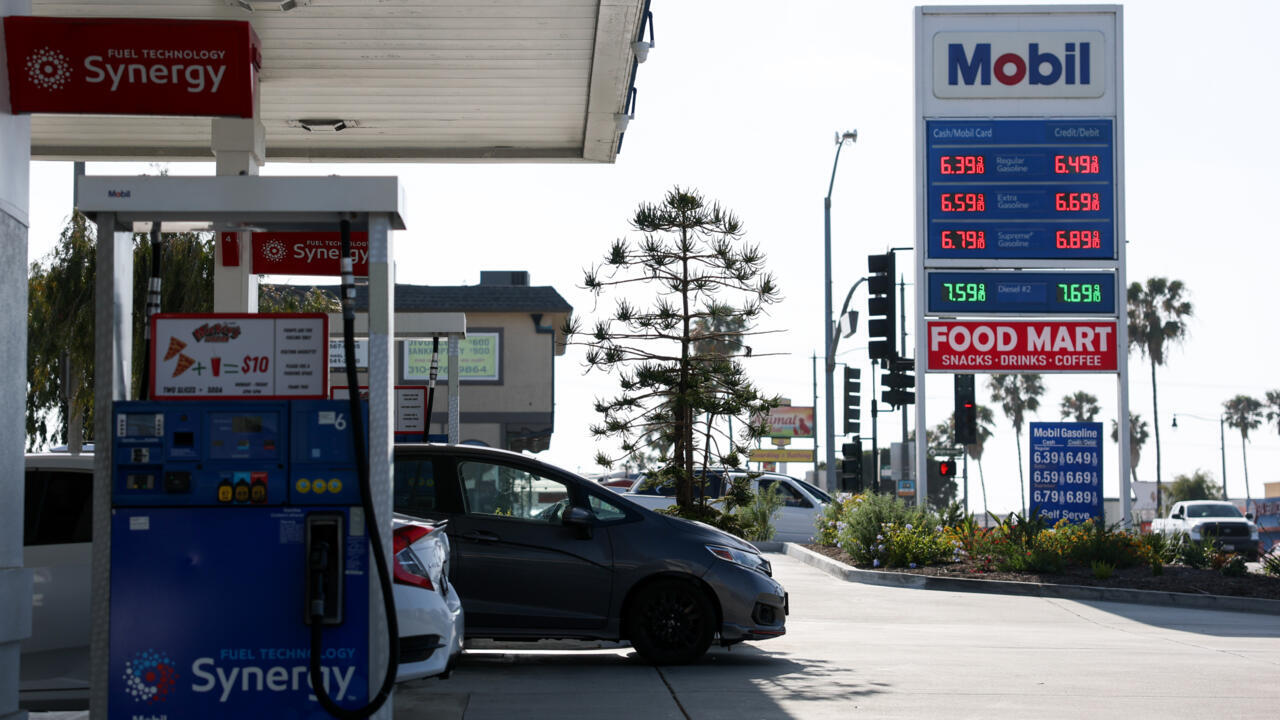
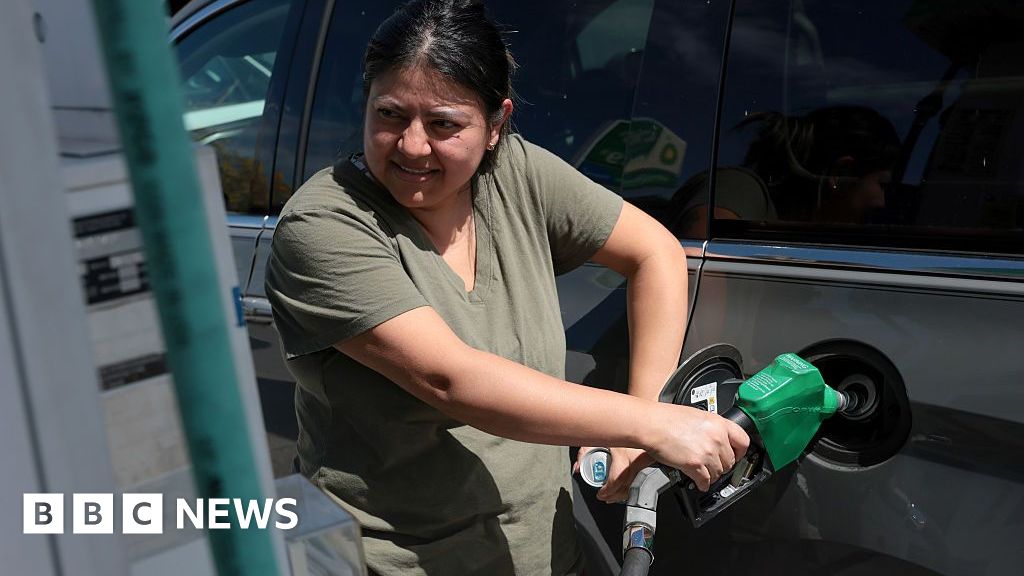
When inflation began spiking in early 2021, the economy was emerging from the pandemic, and the government was pumping stimulus money into the economy while the Fed held interest rates near zero for an extended period.Right now, the Fed’s interest rate target range is 3.50% to 3.75%, and many investors expect the Fed to raise rates again this year.What is driving this year’s multimonth surge from 2.4% inflation in January to 4.2% as of last month is almost entirely energy price increases from the war with Iran.