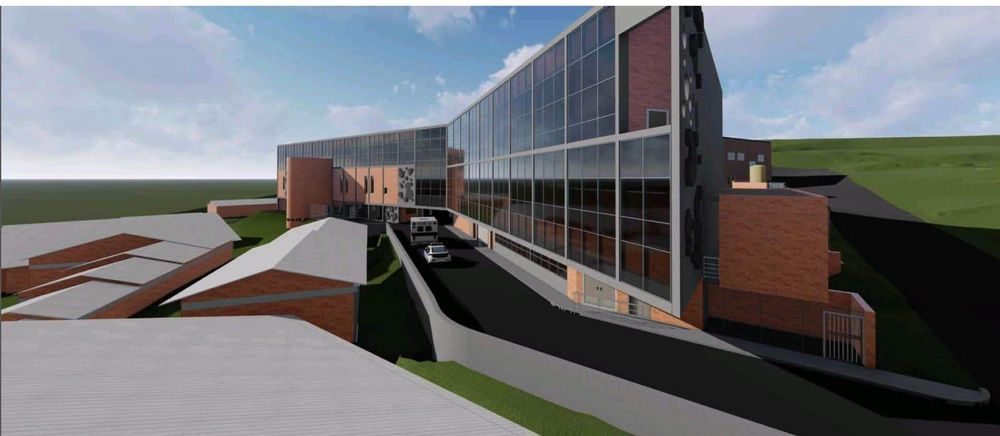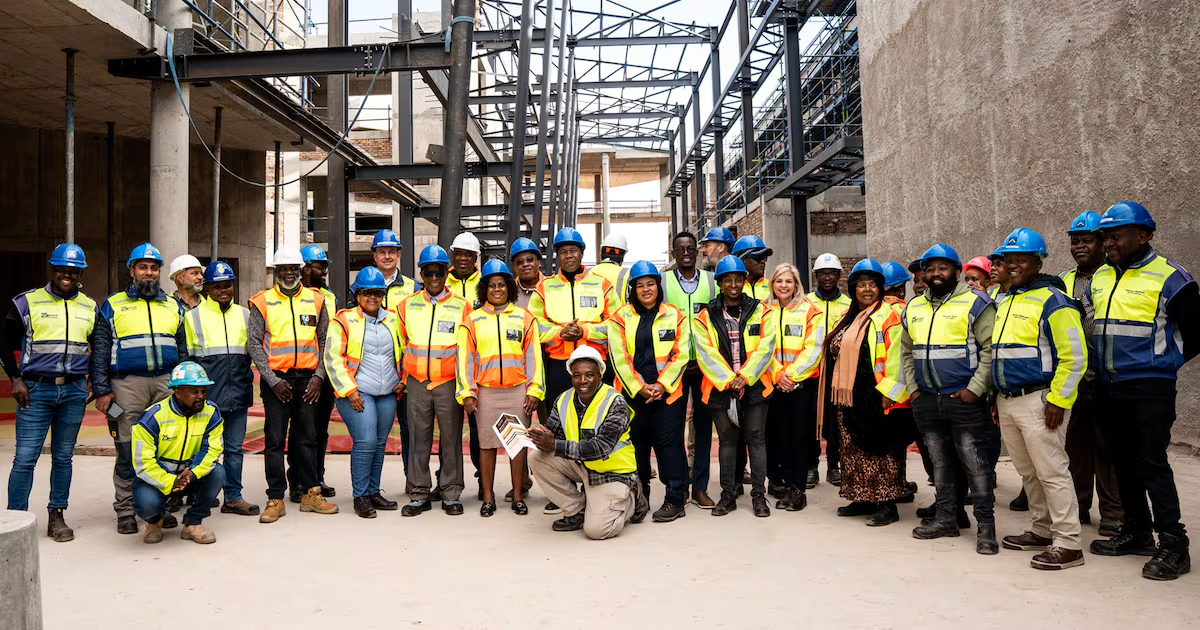
Limpopo Central Academic Hospital is set to reshape healthcare in the province, expanding access to specialist services while helping develop the next generation of medical professionals.Currently under construction in Polokwane and with a R5bn budget, the world-class facility will provide 488 beds, 17 operating theatres, specialised oncology services, and advanced maternal and child healthcare units. Watch the video below:Once complete, it will significantly increase access to quality healthcare for communities across Limpopo while reducing the need for patients to travel long distances for specialised treatment.The hospital’s impact, however, extends well beyond the services it will provide.As an academic hospital, it will play a central role in training doctors, nurses and specialists, strengthening the province’s healthcare workforce while supporting the long-term sustainability of its health system. By combining patient care with education and research, the facility will help prepare future healthcare professionals to meet the growing demands of South Africa’s public health sector.Construction is progressing steadily, with completion planned for July 2028. The project reflects a collaborative effort between the Development Bank of Southern Africa, the Limpopo Provincial Government and other key stakeholders, united by a shared commitment to improving healthcare infrastructure and expanding access to quality medical services.Beyond its contribution to healthcare, the development is expected to generate lasting economic and social value.By combining patient care with education and research, the facility will help prepare future healthcare professionals to meet the growing demands of South Africa’s public health sector— Development Bank of Southern AfricaDuring construction, it will create employment opportunities, support local businesses and contribute to skills development, while positioning Polokwane as a centre for healthcare and academic excellence.Limpopo Central Academic Hospital represents more than a major infrastructure investment. It’s a long-term investment in people, strengthening healthcare systems, expanding opportunities for future medical professionals and improving the quality of life for communities across the province for generations to come.This article was sponsored by Development Bank of Southern Africa.
R5bn healthcare investment set to reshape Limpopo’s future
SPONSORED | Backed by the Development Bank of Southern Africa, the project combines advanced facilities with education and local economic growth
318 words~1 min read