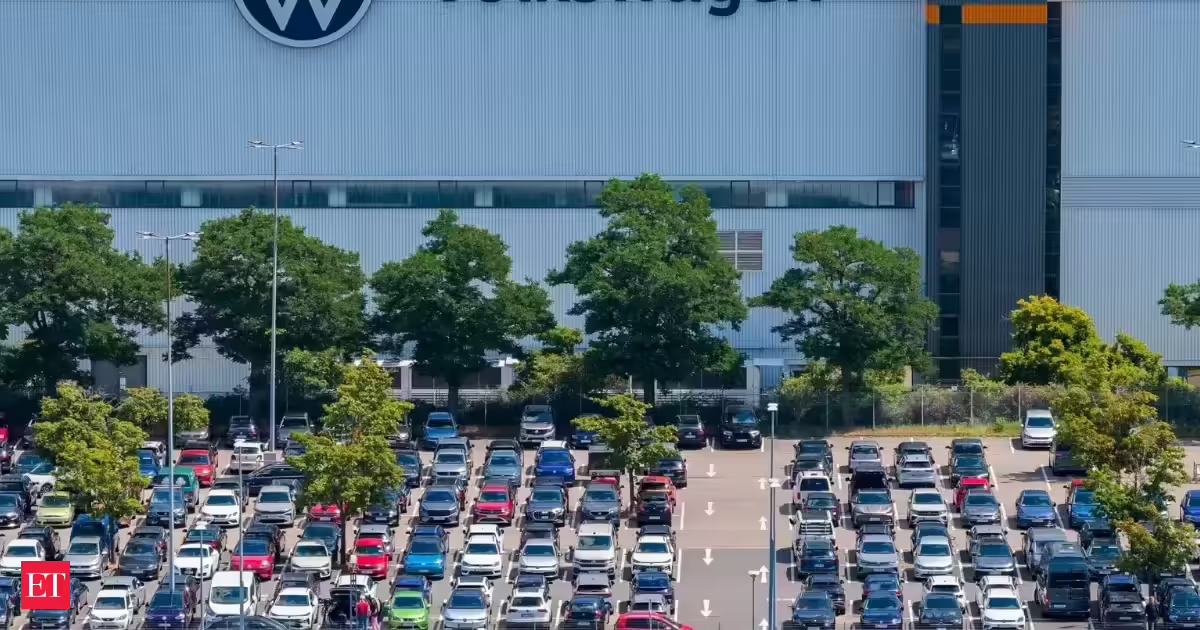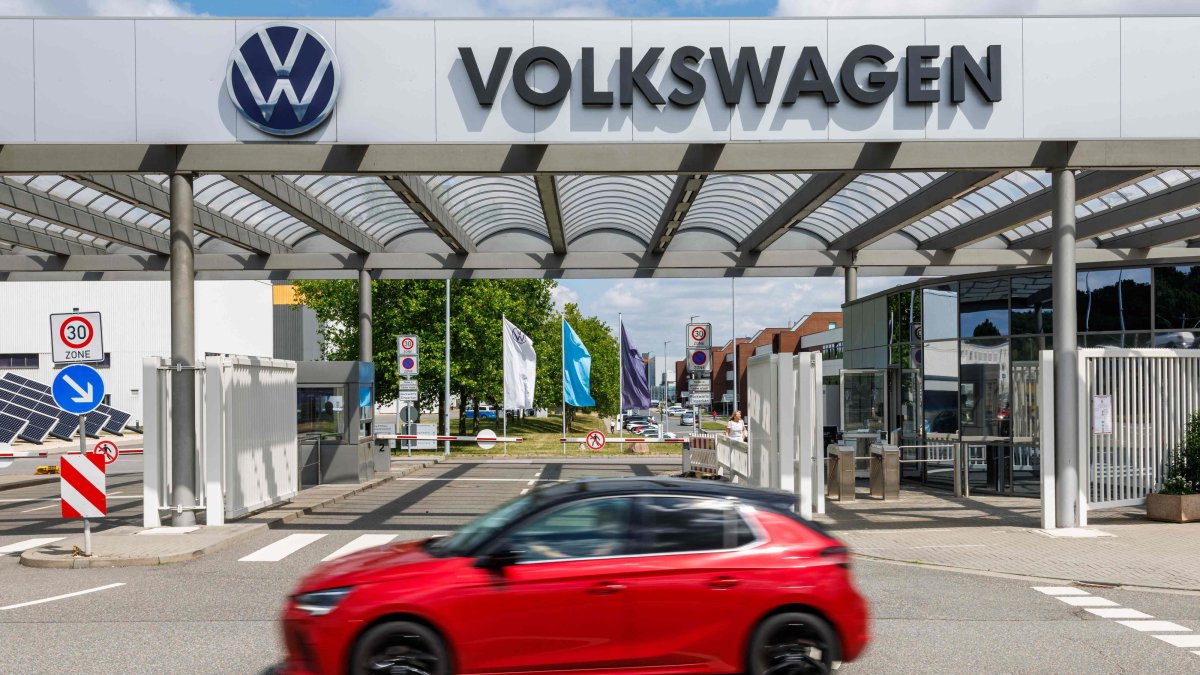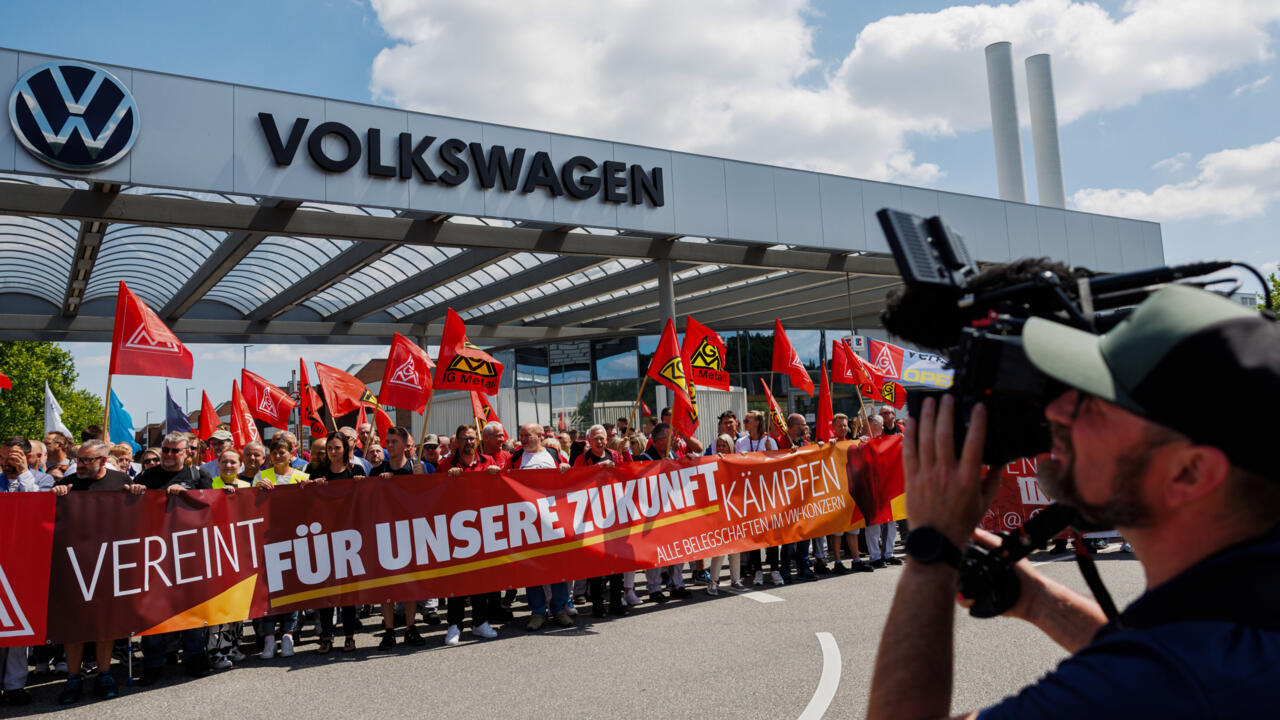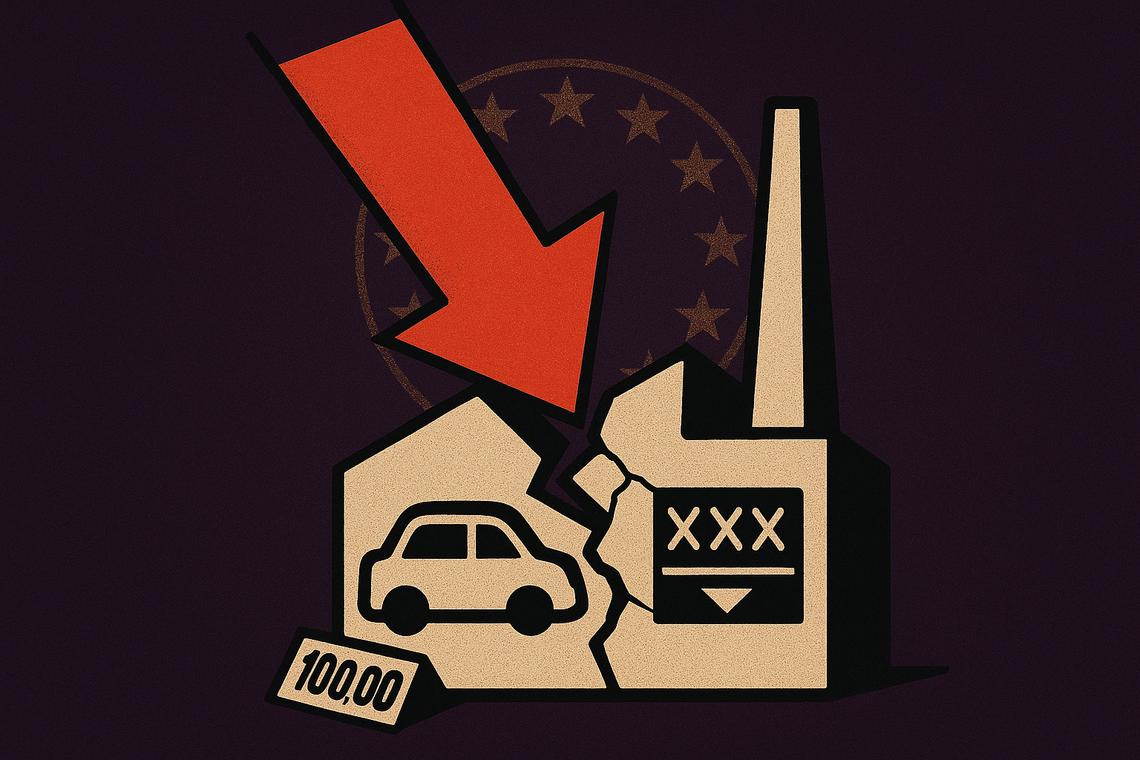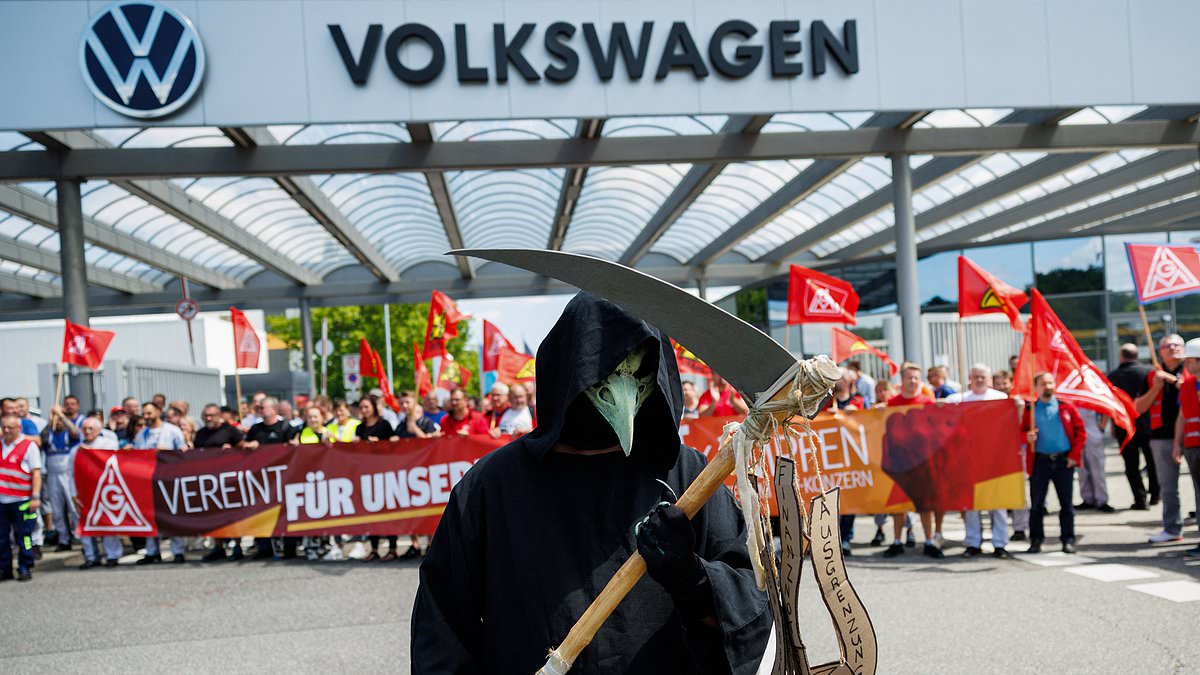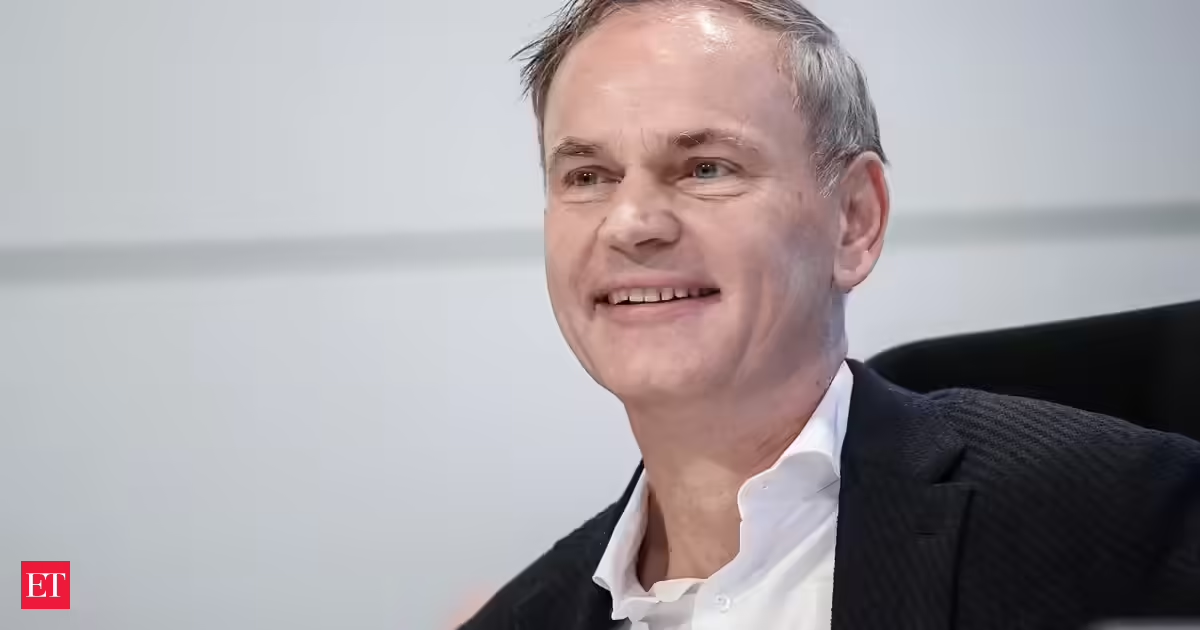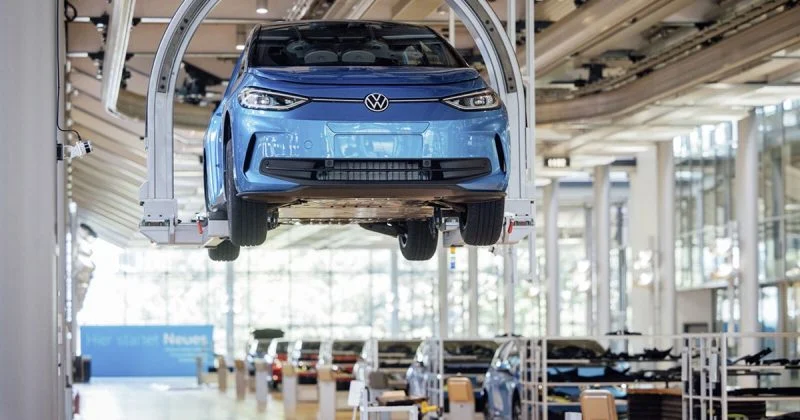
Volkswagen Group CEO Oliver Blume has reportedly threatened to increase job cuts from an initially planned 50,000 to potentially 100,000. This move comes amidst a significant profitability crisis for the automaker, as highlighted in a recent Q1 2026 financial report showing a 28% drop in net profit. The company is also facing a 2.5% revenue decline due to weakening demand in key markets like China and the U.S. The potential job cuts could include the closure of four German plants, as the automaker attempts to address overcapacity and rising competition from Chinese electric vehicle manufacturers.
This announcement could have broader economic implications, particularly in relation to monetary policy. With the threat of substantial job losses and plant closures, the situation at Volkswagen might be seen as a reflection of economic weakness within the industrial sector. This could influence the Federal Reserve’s decision-making process regarding interest rate cuts, as economic indicators play a crucial role in such decisions.
Current prediction markets reflect a stable expectation of no Federal Reserve rate cuts in 2026, with a 78% likelihood of maintaining current rates. However, significant developments in the global economy, such as the Volkswagen job cuts, could shift these probabilities.