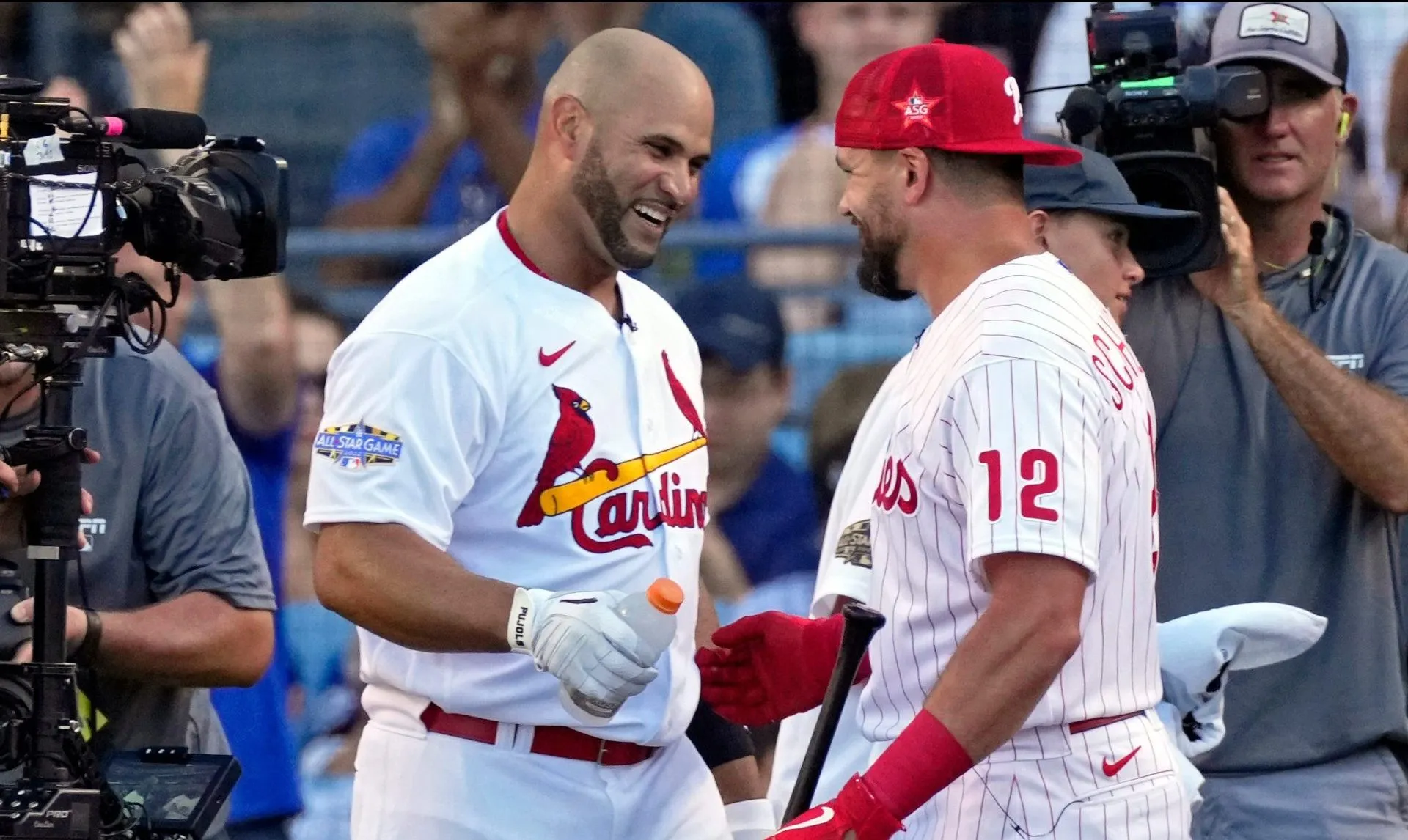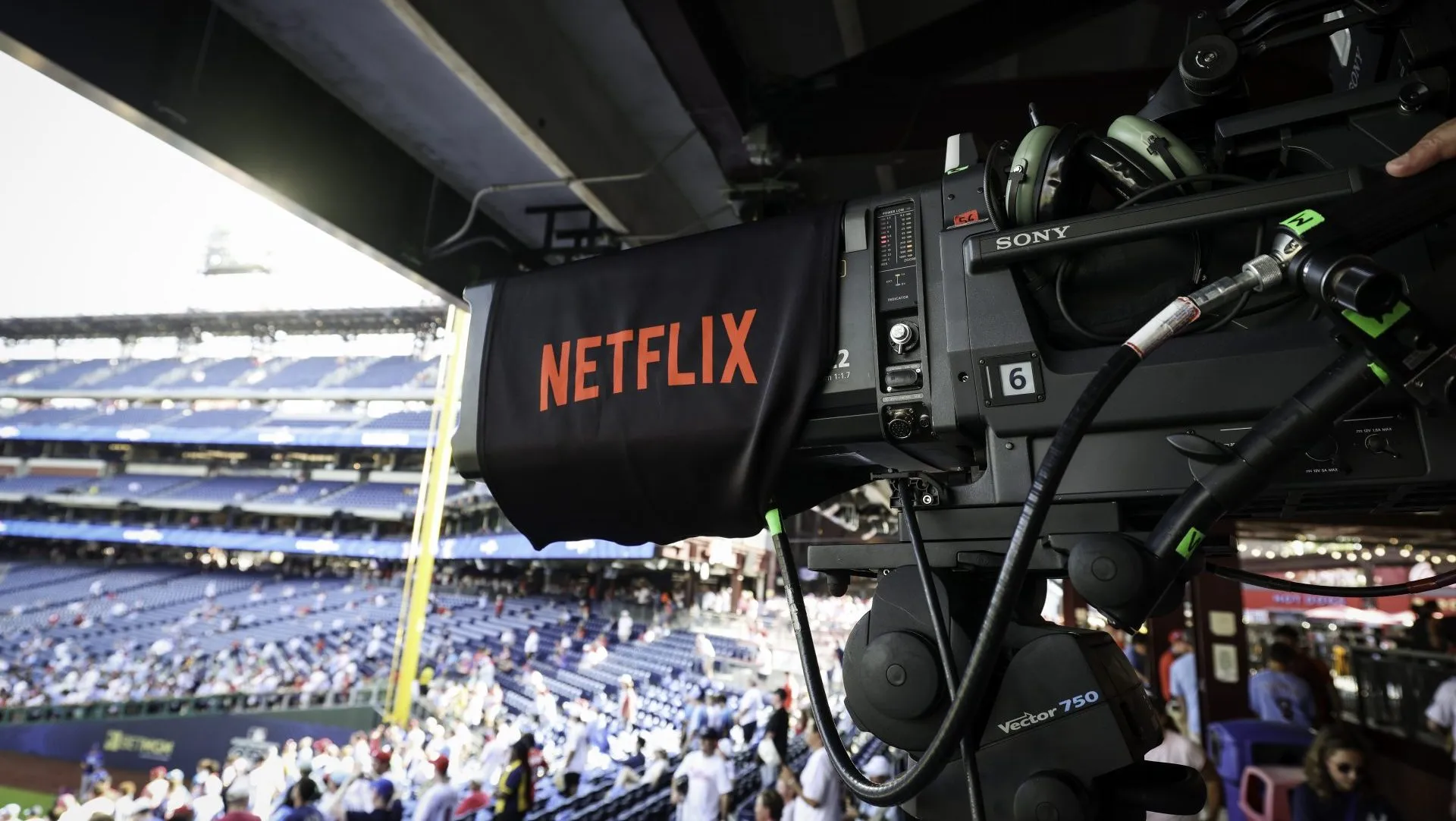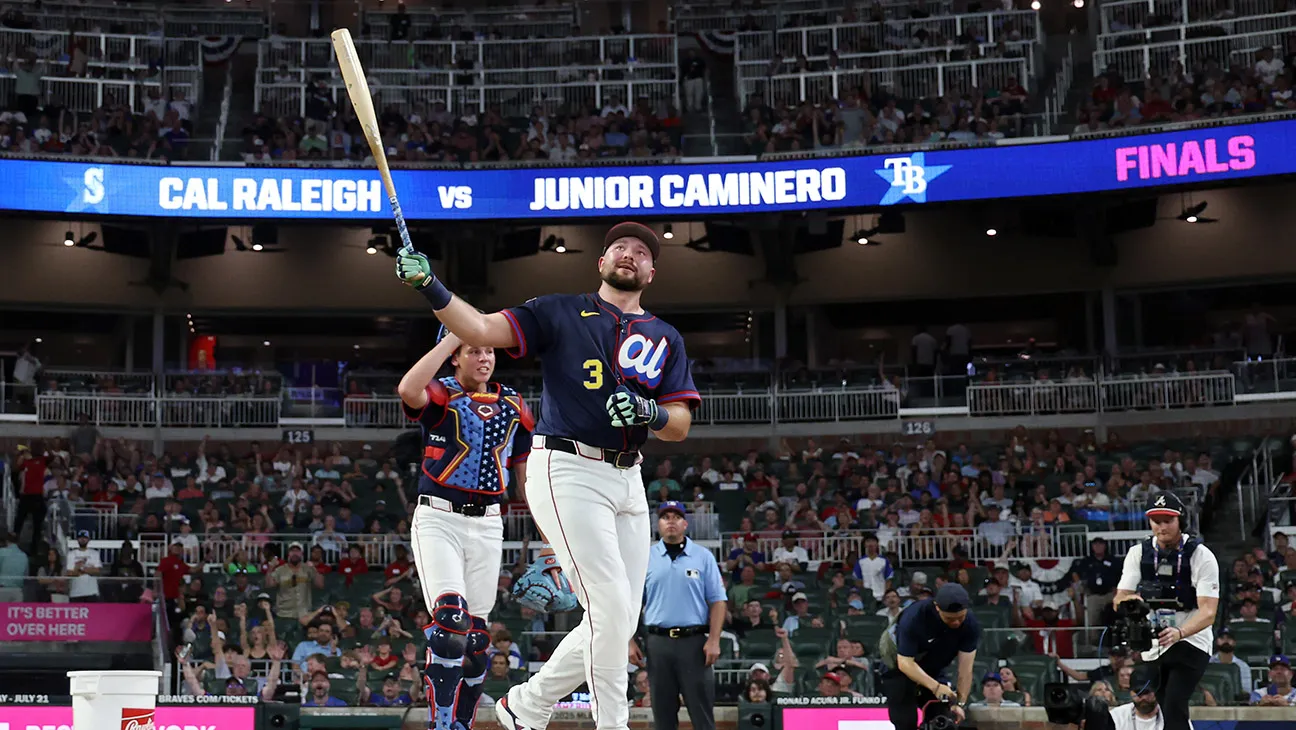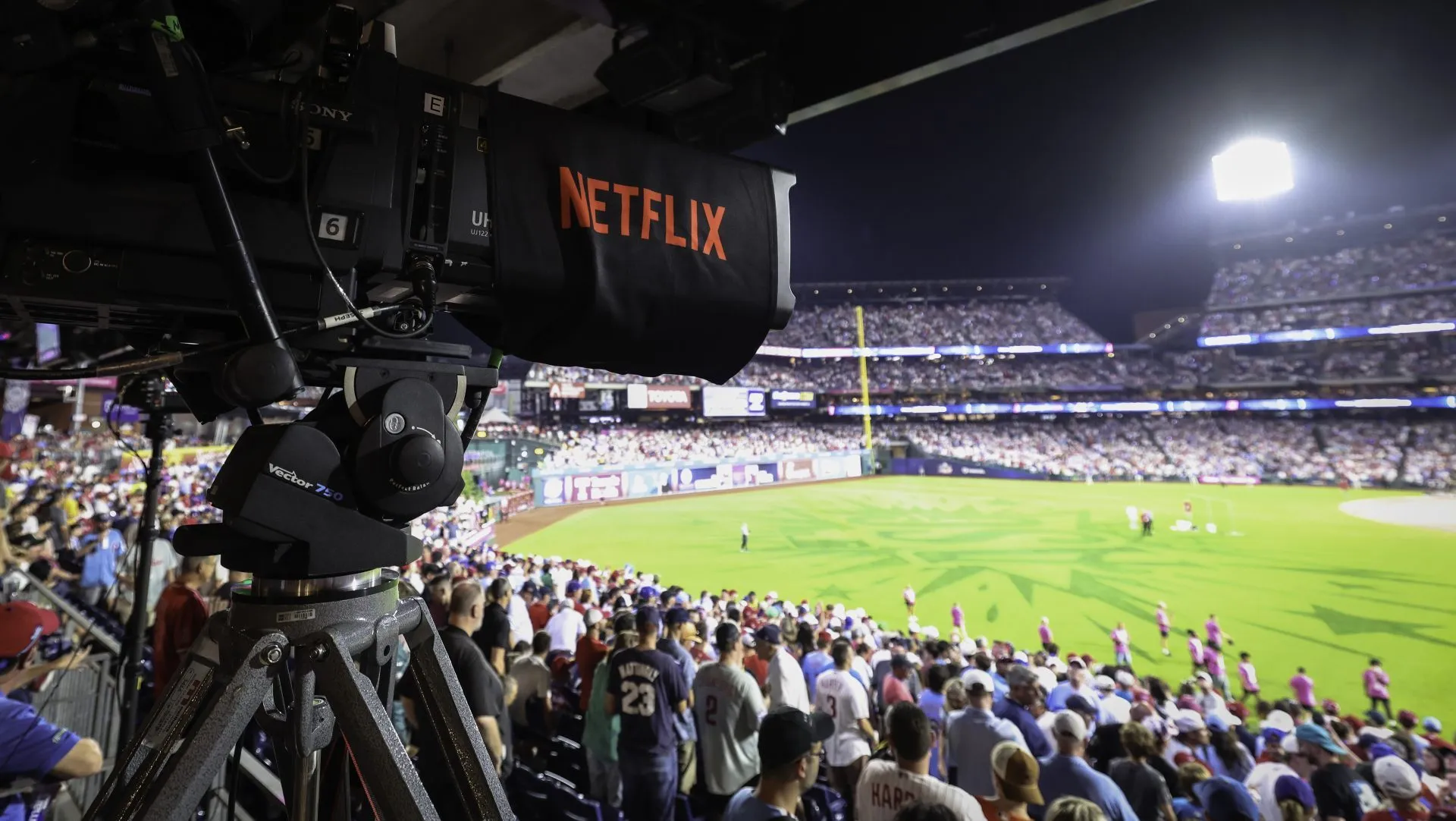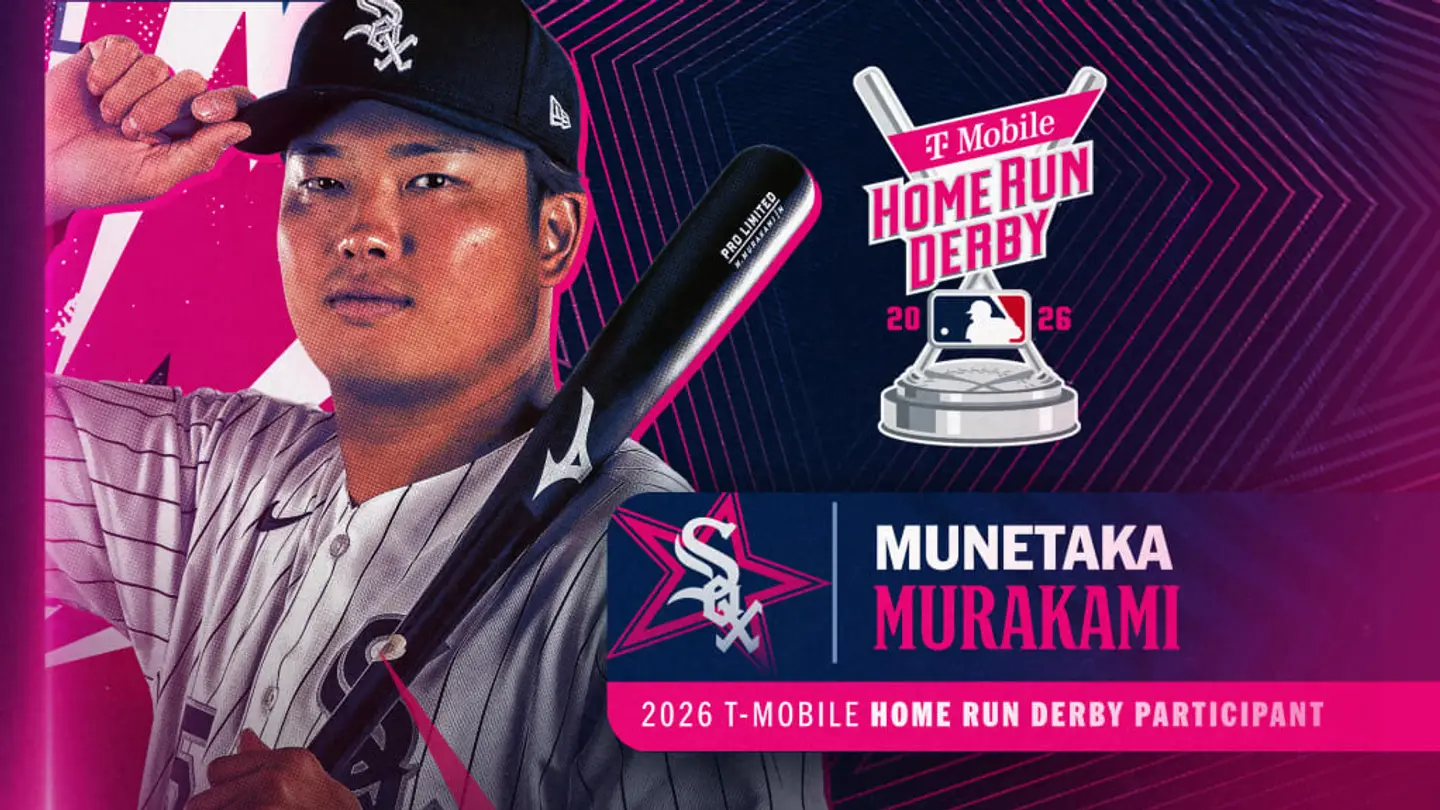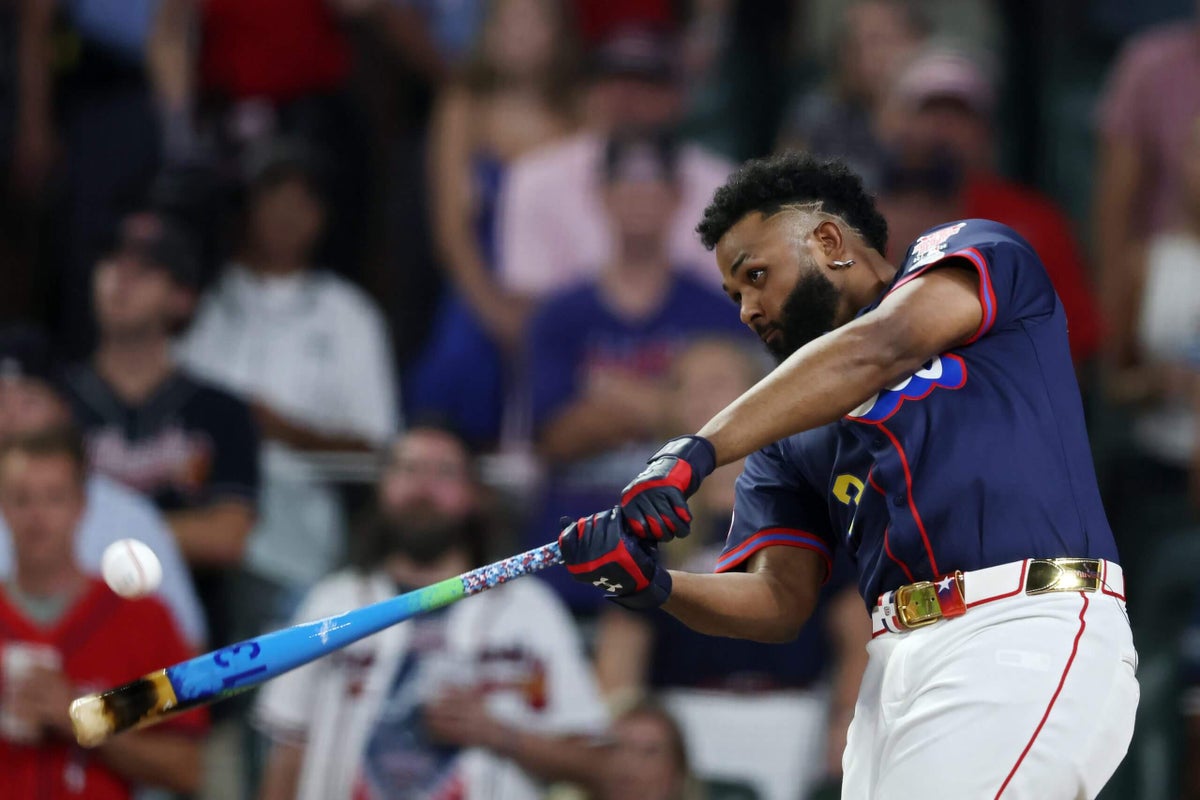
Few sporting contests, aside from perhaps a 50-year dash, seem more straightforward than a home run derby. Played to backyard fences and playground swing sets all around the world, the basic concept appears clear-cut enough for both kindergarteners and washed-up has-beens: Just hit the most dingers.If only it were that simple.On Monday night, Major League Baseball will introduce a stripped-down, back-to-basics version of its classic All-Star Break feat of strength. No more clock. No more bonus rounds. Just a set number of swings to see which slugger can hit the most balls over the fence.“The idea is to slow the pace down a little bit, simplify the rules a little bit,” MLB executive vice president of baseball operations Morgan Sword said.The format change is not radical, but it’s the biggest Home Run Derby adjustment since the event moved to a clock-based format in 2015, and it comes as the event’s broadcast is moving from ESPN to Netflix, the streaming giant that has in recent years moved into the live sports landscape primarily by targeting premier events rather than day-to-day content.“The volume play is not really our strategy,” Netflix vice president of sports Gabe Spitzer said. “Across sports, how can we show up at meaningful points across the season?”For Netflix and Major League Baseball, the Home Run Derby is one of those meaningful points. It’s an opportunity for the league to showcase elite and emerging talent, for players to compete in a high-profile but low-stakes event, and for a streaming service to engage with a global market (Netflix was thrilled when Venezuelan slugger Willson Contreras joined the field, and then Japan’s Munetaka Murakami followed).MLB has long tinkered with the derby, but Sword said these specific changes were based on feedback from fans, players and former players, including past Home Run Derby participants Albert Pujols, Ryan Howard and Prince Fielder.Throughout those conversations, Sword said, two seemingly contradictory bits of criticism were consistent: The Home Run Derby had become too fast-paced, but it also took too long.“It was hard as a viewer to follow along with what was going on,” Sword said.Keeping track of the score was tough because some of the scoring was complicated (bonus rounds and such), and fans were left to monitor a swing and a clock at the same time. The moment one ball left the yard, another pitch was on the way, leaving no time to admire the truly majestic home runs that have been the main attraction of past derbies.The hope is, with a set number of swings — 20 in the first round, 15 in the second and third rounds — the competition will move along at a reliable pace while still allowing time to admire the moonshots. There is no bonus round per se, but a player who homers on his final swing can keep going until he fails to go deep (so, in theory, there’s always a chance to catch up). The first-round tie breaker is the longest home run. A three-swing swing-off will break ties in the semi-finals and finals.
Why Netflix and MLB are rolling out a back-to-basics Home Run Derby
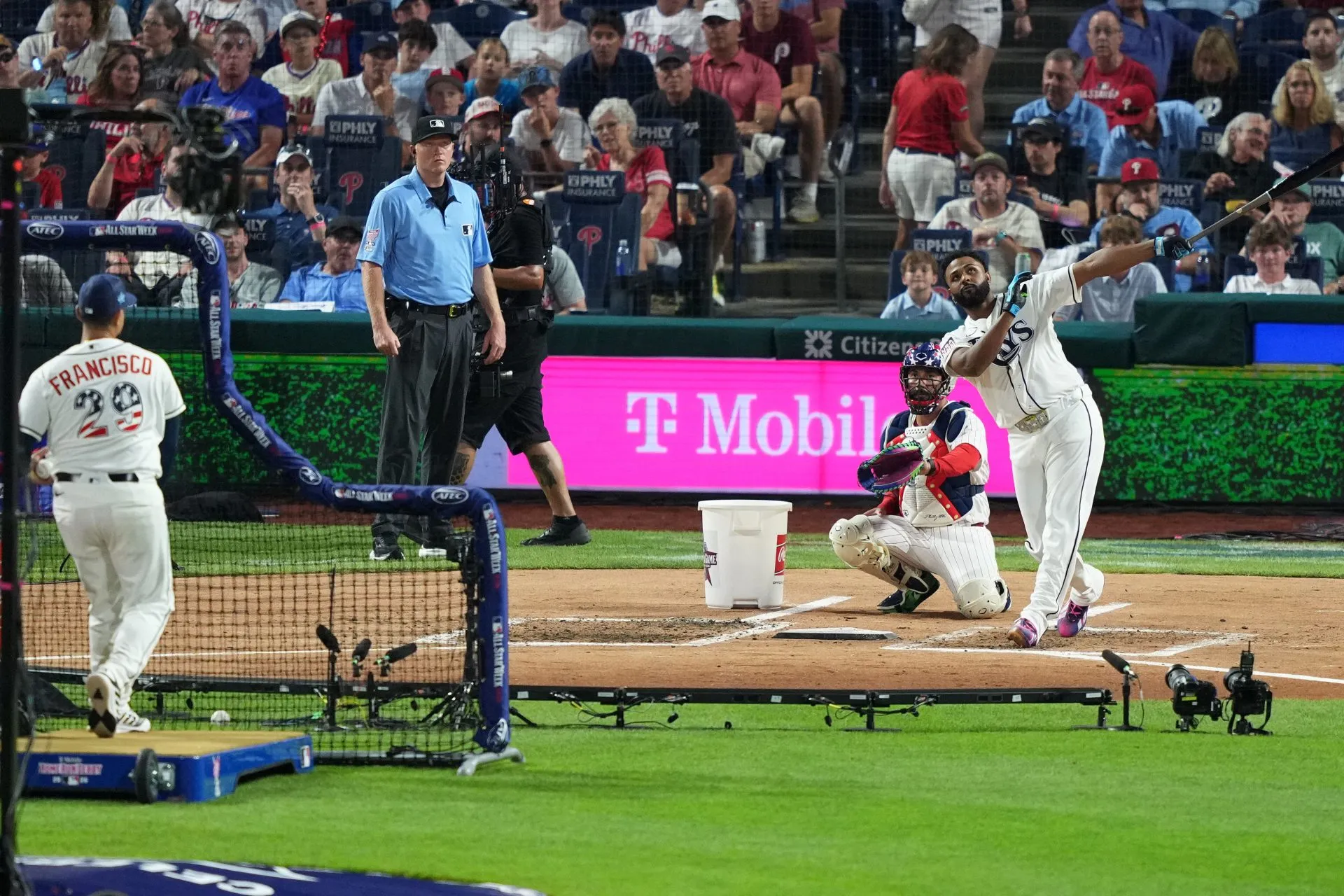
The hope is, with a set number of swings the Derby will move along at a reliable pace while still allowing time to admire the moonshots.
1,458 words~7 min read