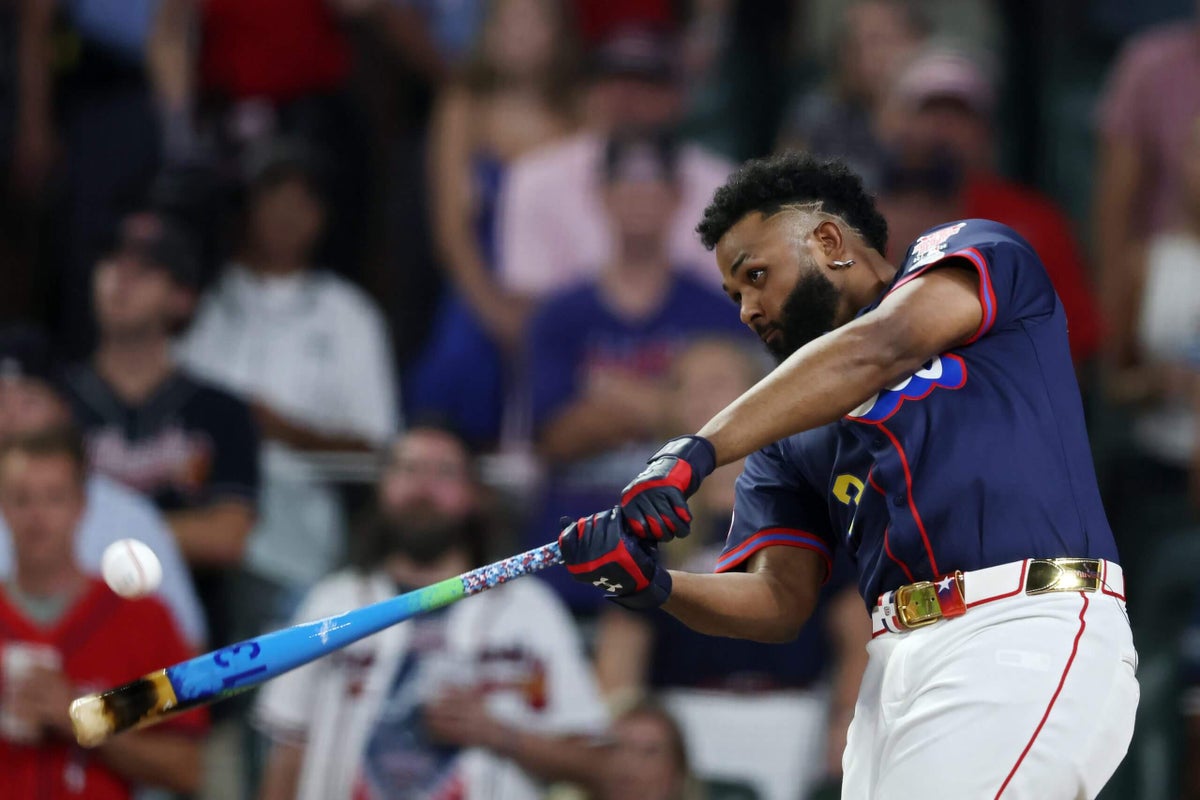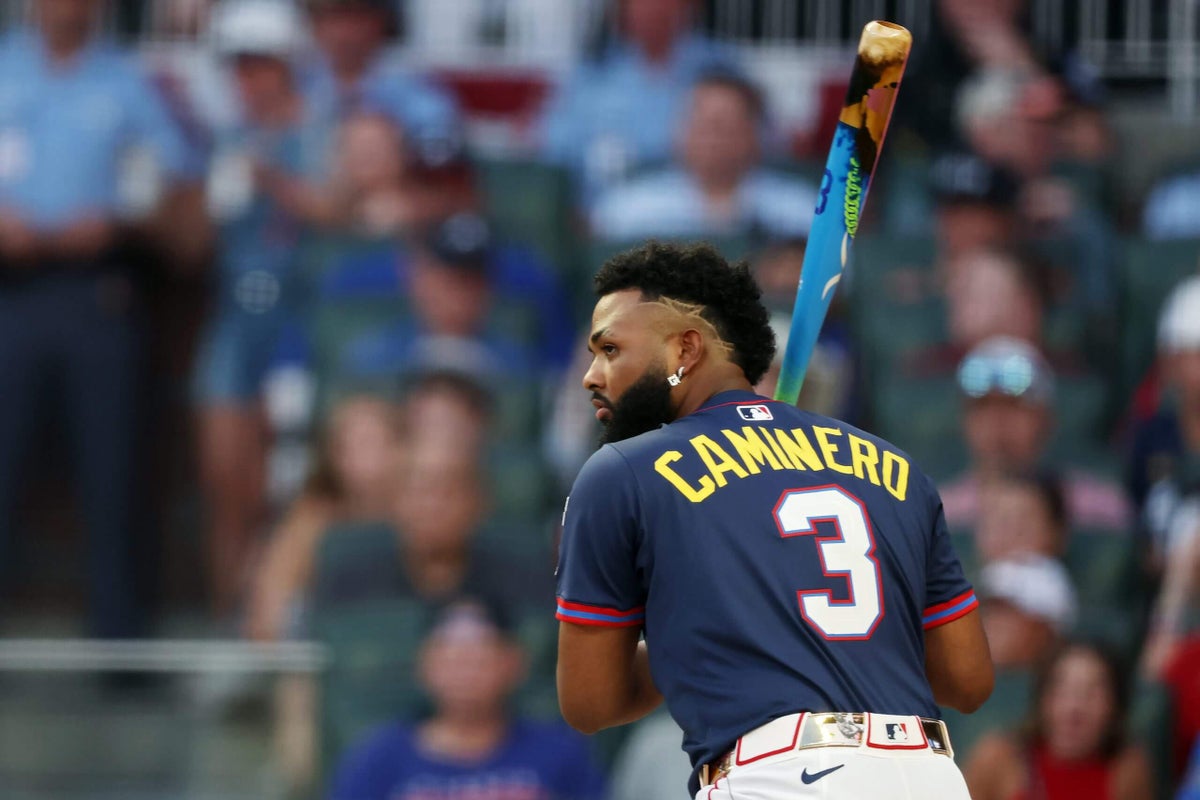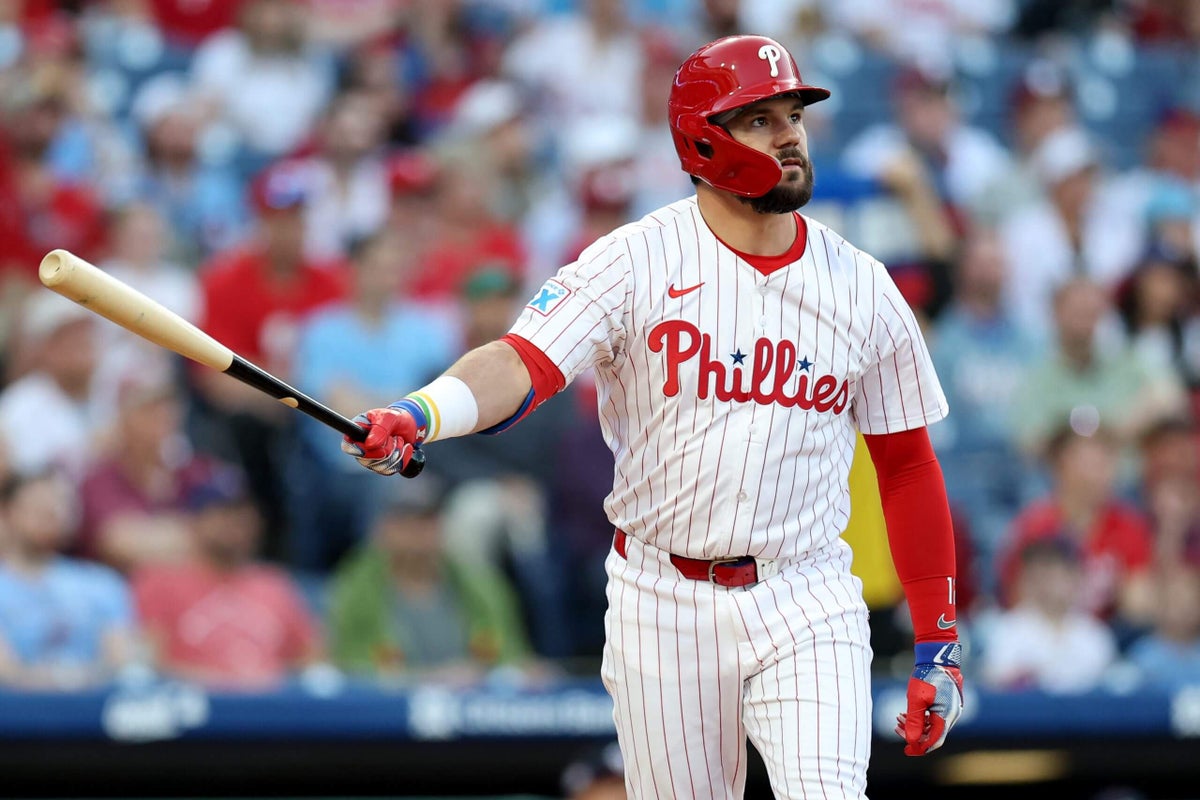
In one area of baseball, the clock is dead.Major League Baseball’s Home Run Derby will put a new twist on an old format next month. For the first time since 2014, hitters will have a number of “outs” — swings that do not produce homers — rather than a clock or fixed number of pitches that dictate their turn at the plate, people briefed on the decision who were not authorized to speak publicly told The Athletic on Wednesday.The competitors will receive 20 swings in the first round, and 15 in both of the final two rounds. In an added wrinkle, hitters will be able to continue to swing if they homer on the final hack they take each round, until they make an out.That means that if a batter goes deep on the 20th pitch of the first round, he gets a chance to hit another. And if he hits a home run on No. 21, he can keep going, until he finally swings and the ball doesn’t leave the park.In the first round, ties would be broken by whoever hit a longer home run. In the second and third rounds, a tie would be broken by three extra swings apiece.MLB and the MLBPA declined comment.Eight hitters will still participate in the opening round, four in the second round and two in the final round.In the second round, the competition turns head-to-head: the top finisher from the first round will face the hitter who hit the fewest homers, and the Nos. 2 and 3 seeds will also square off, setting up the championship.The first round is an open field where the top four finishers overall advance.A significant motivation for the change was the viewing experience, which has a new custodian. This is Netflix’s first year as the TV home for the Derby, which is set for 8 p.m. ET on July 13 at Citizens Bank Park in Philadelphia. The broadcaster sought feedback from both the league and the players on ways to improve the event, a person briefed on the decision-making process said.Netflix did not immediately return a request for comment.Before this year, ESPN had televised the Derby since the 1990s.Previously, in the waning seconds of a hitter’s round, fans had to try to keep an eye on both the clock and the actual on-field action. Players particularly wanted this switch because they would wear themselves out trying to take as many hacks as possible.Now, a hitter can step out and build some drama.Netflix newly became an MLB broadcast partner this season on a three-year deal worth about $50 million annually. The platform was the home for this season’s Opening Day matchup between the New York Yankees and San Francisco Giants, a window in which no other MLB games were played.Netflix is also set to carry the Field of Dreams game, between the Philadelphia Phillies and Minnesota Twins on Aug. 13. In a separate rights deal, the streamer played host to this spring’s World Baseball Classic tournament, but exclusively to customers in Japan.Since its inaugural event in 1985, the Home Run Derby has experienced several rule and format changes. The most recent format included three minutes or 40 pitches, whichever came first, for hitters in the first round.Each player was also granted a bonus period that lasted until they recorded three outs (a swing that doesn’t end in a home run). An additional bonus was granted if a player hits a home run of at least 425 feet.The four players with the top homer totals advanced to the second round, where they are seeded from No. 1 to No. 4 by the number of home runs hit in the first round — this part hasn’t changed.In the second and third rounds, players previously had two minutes or 27 pitches.There were timeouts in the old format, but without a clock, there will be no need for them. Hitters can simply choose not to swing.
MLB Home Run Derby to ditch clock, revive swing-based system: Sources
The annual event will be broadcast on Netflix for the first time next month, with the Derby taking place at Citizens Bank Park.
670 words~3 min read